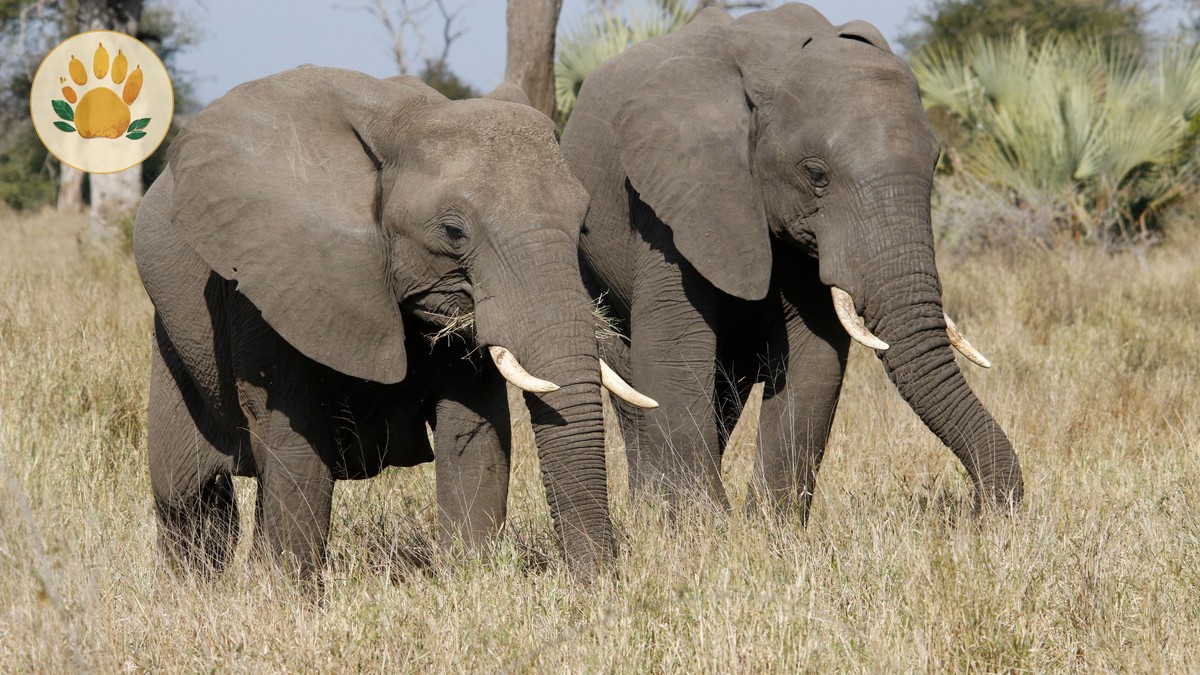
If you have already done a Masai Mara game drive and watched a leopard from ten meters away, an Amboseli elephant research trust visit will feel different. There is no chase, no radio chatter between guides, no rush to beat the light. You sit in camp and listen to a scientist talk about elephants they have known for decades. That is the whole activity. For some travelers, that is exactly what they came for. For others, it is a letdown after a week of adrenaline.
This guide gives you the real numbers other pages leave out: what the visit costs, how far ahead to book it, and where it fits in a wider Amboseli itinerary.
History of the Amboseli Trust for Elephants
Cynthia Moss started what became the Amboseli Trust for Elephants (ATE) in 1972, working from a camp near Ol Tukai in the heart of Amboseli National Park. The project began as a doctoral study and never really stopped. Moss is now in her late 80s and still connected to the trust, though she spends less time in camp than she did in earlier decades.
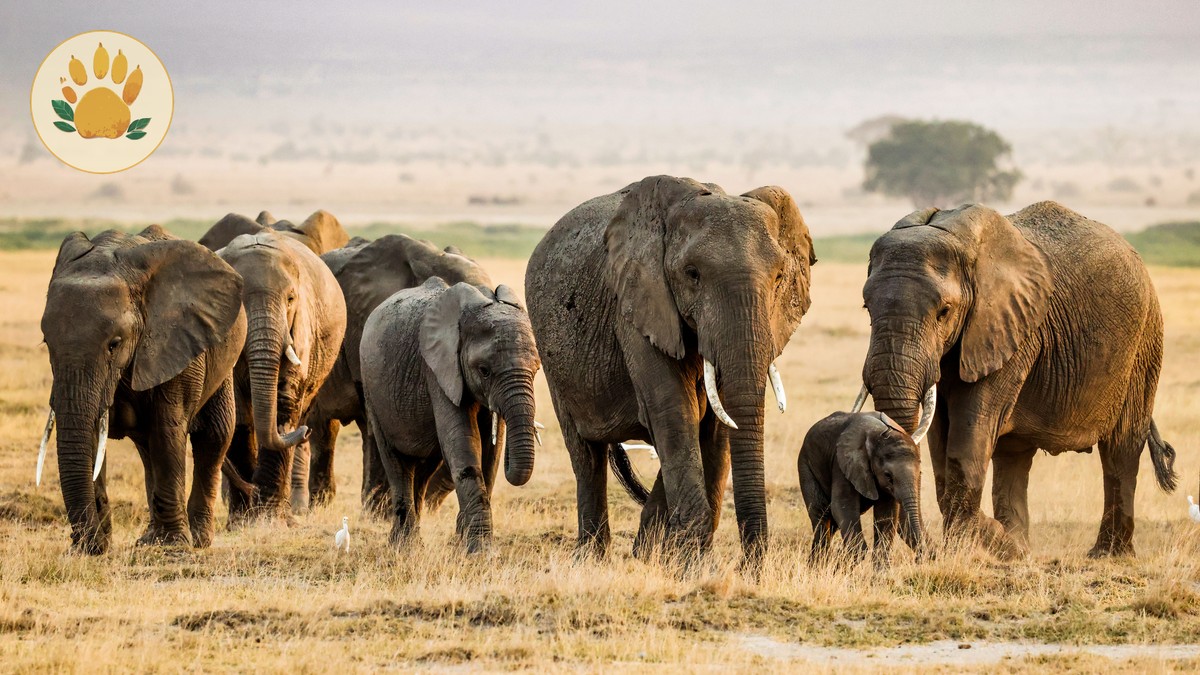
ATE holds the record for the longest continuous study of a wild elephant population anywhere in the world. Researchers have tracked more than 2,000 individual elephants since the study began, following births, deaths, family splits, and migrations across the Amboseli ecosystem. Many of the elephants have names, not numbers, and researchers can identify individuals by ear shape and tusk pattern from a moving vehicle.
What the research camp actually does
The camp is a working research station, not a tourist facility. Staff monitor elephant families daily, log sightings, collect data on births and mortality, and run a long-term ID system that other African elephant projects have copied. They also train Kenyan researchers and students, several of whom have gone on to lead conservation programs elsewhere in East Africa.
None of this is staged for visitors. When you visit, you are stepping into an active research operation for about an hour, not watching a rehearsed show.
Is the camp open to visitors, or can you just show up
No. The ATE research camp is not open to casual visitors and you cannot arrive at the gate and ask for a tour. This is the one fact every operator page gets right, and it is worth repeating because people still try. The camp needs to protect research routines, and unannounced visitors would disrupt fieldwork.
Access runs through a small number of camps and lodges near the park that have a standing relationship with ATE. Your safari operator or lodge manager submits a request on your behalf.
How to arrange a visit through your tour operator
Tell your operator early, ideally when you are still building the itinerary, not after you land in Nairobi. Lodges near Ol Tukai and the Amboseli Serena side of the park have the best track record of getting slots confirmed, since they are physically closest to camp and have existing contact with ATE staff.
Plan for two to four weeks of lead time. ATE runs on a research schedule, not a tourism one, so last-minute requests often get turned down simply because a researcher is in the field that day. If you are traveling during July through October, Amboseli’s busiest months, book earlier rather than later.
What happens during the visit
Expect a one-hour session at the research camp. A staff member, sometimes a senior researcher, gives a talk covering the project’s history, current elephant families, and ongoing conservation issues like human-wildlife conflict around the park boundary. A question and answer period follows.
This is not a game drive add-on where you get close to elephants in the bush. You will not be tracking a specific family or watching a calf nurse a few meters away. It is closer to a university guest lecture, delivered in a research camp instead of a hall. Travelers who go in expecting a wildlife encounter are often disappointed. Travelers who go in expecting a conversation with people who have spent 50 years studying the same elephant families tend to leave impressed.
Cost of an Amboseli elephant research trust visit
Here is the number most operator blogs avoid stating outright: the lecture fee runs around USD 90 per person. That is separate from your Amboseli National Park entrance fee and separate from anything your lodge charges for transport to camp.
| Item | Typical Cost | Notes |
|---|---|---|
| ATE research camp lecture | approx. USD 90/person | Paid on arrival at camp, cash usually preferred |
| Amboseli National Park entry (non-resident) | USD 90/adult/day | KWS rate, separate from the lecture fee |
| Transport from lodge to camp | Often included in game drive rate | Confirm with your lodge, distances are short inside the park |
| Booking lead time | 2 to 4 weeks | Longer during July to October peak season |
| Visit duration | About 1 hour | Talk plus Q&A, no wildlife viewing included |
Prices can shift, so confirm the current fee with your operator before you budget the day. Treat the figures above as a planning range, not a locked quote.
Getting to Amboseli
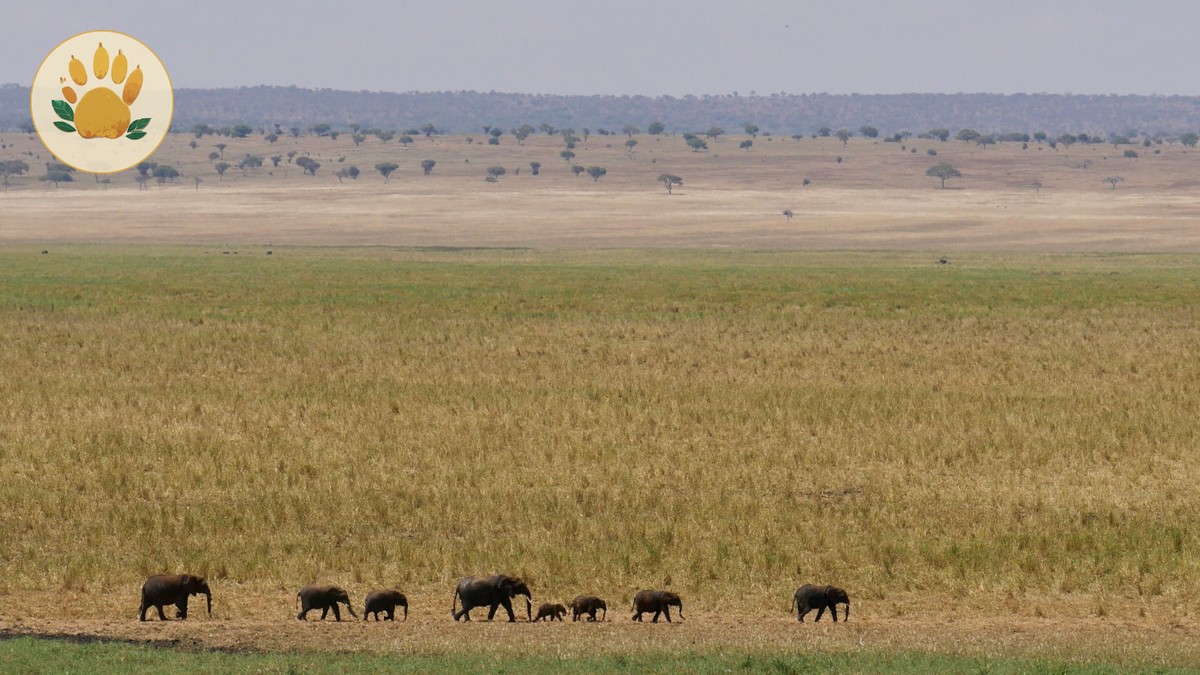
Most repeat visitors reach Amboseli one of two ways: a short flight from Nairobi’s Wilson Airport, or a drive south on tarmac and then gravel roads. The flight takes about 40 minutes. The drive covers roughly 240 km and takes four to five hours depending on the state of the road near the park gate and traffic leaving Nairobi.
| Route | Distance | Time | Best for |
|---|---|---|---|
| Nairobi Wilson Airport to Amboseli airstrip | approx. 240 km by air | 35 to 45 minutes | Travelers short on time, connecting to other parks |
| Nairobi to Amboseli by road | approx. 240 km | 4 to 5 hours | Travelers who want to see the Chyulu Hills en route |
If you are combining parks, combining Amboseli with a Chyulu Hills itinerary cuts down on backtracking and adds a very different landscape, lava rock and open grassland instead of Amboseli’s swamp-fed plains.
Education, training, and conservation beyond tourism
Tourism income is a small part of what keeps ATE running. The bulk of its work happens outside anything a visitor sees: training Kenyan wildlife researchers, funding community scouts who reduce conflict between elephants and farmers, and maintaining a genetic and behavioral database that other elephant researchers across Africa now draw on. Your USD 90 lecture fee supports that work, even though the hour you spend in camp only shows a small slice of it.
Is it worth it for a family safari
For families with younger children, this is a hard sell. An hour of academic lecture competes poorly with a fresh cheetah sighting. For repeat visitors who have already seen Amboseli’s herds up close, including Amboseli’s big tusker elephants grazing near Observation Hill, the research visit adds context rather than spectacle. It works best as one stop in a longer stay, not the reason for the trip.
Booking a broader Amboseli safari package
The research camp visit fits naturally into a three or four night Amboseli stay, alongside game drives that take advantage of the park’s clear views of Kilimanjaro and its elephant-dense swamps. Check Amboseli’s park entry fees before you finalize a budget, since fees apply per day and add up over a multi-night stay.
The SafariPure Difference
We tell clients what this visit actually is before they book it: a research talk, not a close encounter. We only route requests through camps with a proven ATE relationship, so your slot has a real chance of confirmation instead of a vague promise. And we build in the lead time this visit needs, rather than bolting it onto a rushed itinerary where it is likely to fall through.
Plan your visit with SafariPure
If an Amboseli elephant research trust visit sounds like the right fit for your trip, we can fold it into a wider Amboseli itinerary with the lead time it needs. Get in touch through our contact page to start planning.