Every safari blog quotes the same two numbers: stay 20 meters from wildlife, and drive under 40km/h. Both are real rules in Kenya’s national parks. These are the safari wildlife encounter safety rules Kenya parks and conservancies actually enforce, and they are not identical everywhere. Treating every park the same is where first-time travelers get confused.
A KWS-run park like Amboseli enforces those rules strictly. A private conservancy in Laikipia or around the Masai Mara can allow walking safaris and night drives under a guide’s judgment. The rules genuinely change depending on who manages the land you’re on. Understanding that difference will make your trip safer and less confusing.
Following Your Guide’s Briefing
Every SafariPure trip starts with a briefing before the first game drive. Your guide covers vehicle conduct, radio etiquette with other vehicles, and what to do if an animal approaches closely. This briefing is not a formality. Guides read animal behavior for a living, and their instructions override anything you read online beforehand.
If your guide says stay seated, stay seated. If they say it’s safe to stand for photos, that call is based on the specific animal, wind direction, and distance that day, not a fixed rule from a guidebook.
Staying in the Vehicle: When You Can Get Out
In KWS national parks and reserves, such as Amboseli, Tsavo East, Tsavo West, Lake Nakuru, and Nairobi National Park, you stay inside the vehicle at all times except at designated picnic sites or viewpoints. This is a legal requirement, not a suggestion. It protects both you and the animals, since a person on foot changes how wildlife reacts.
Private conservancies work differently. Places like Naboisho Conservancy and Mara North Conservancy, both bordering the Masai Mara, permit walking safaris and guided bush walks. These happen only with an armed ranger or experienced walking guide, and only in areas cleared for that activity. If you want to walk among wildlife rather than view it from a vehicle, a conservancy stay makes that possible in a way a national park cannot.
Safari Wildlife Encounter Safety Rules Kenya: The 20-Meter Rule
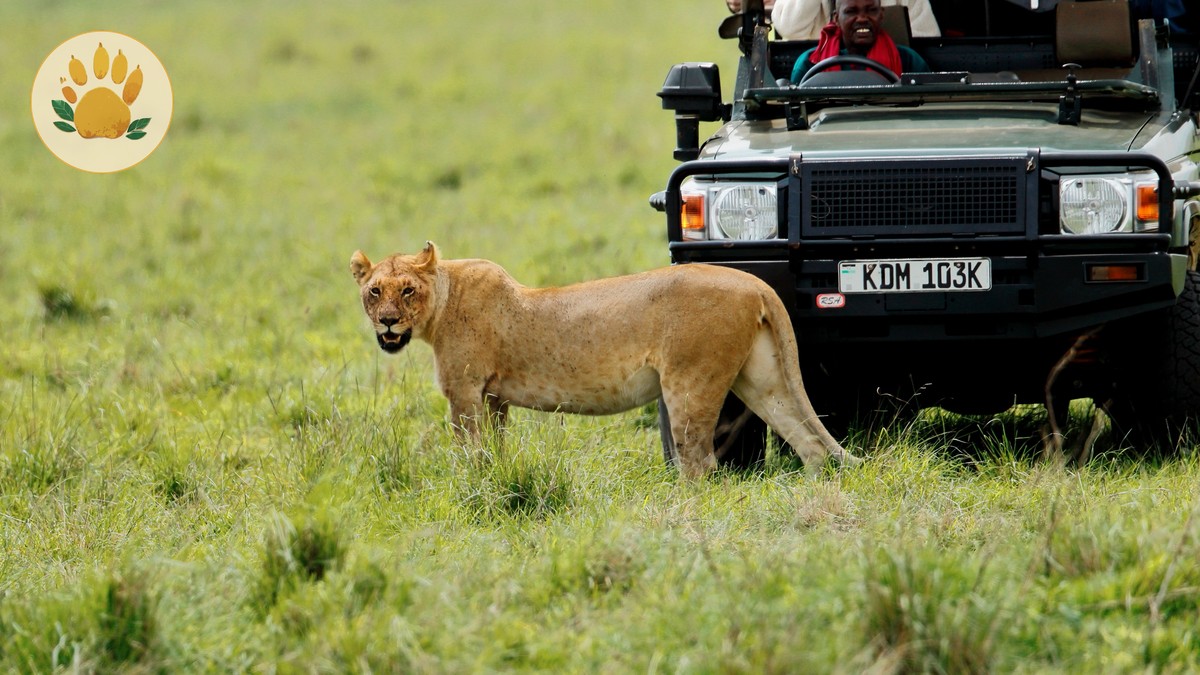
Twenty meters is the standard minimum distance from wildlife in Kenya’s national parks, roughly the length of two safari vehicles parked end to end. For predators resting or feeding, guides often hold back further, especially with lions near a kill or elephants with young calves.
The rule exists because animals judge threat by distance and speed of approach, not intent. A vehicle that stops too close, or approaches too fast, can trigger a defensive charge from species like elephants and buffalo, both responsible for genuine safari incidents in Kenya. Distance is not about being cautious for its own sake. It’s about reading the animal correctly and giving it room to stay calm.
Speed Limits and Off-Road Driving
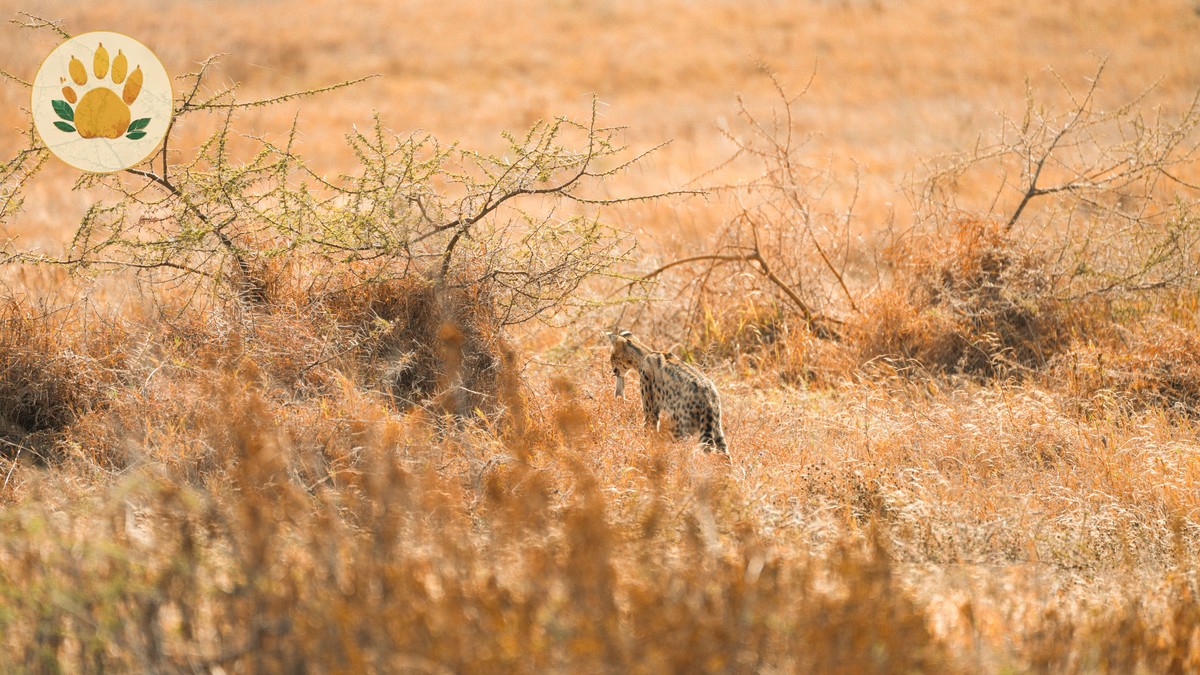
Speed limits inside KWS parks sit around 40km/h on main tracks, dropping lower near wildlife or on rougher terrain. Off-road driving, meaning leaving established tracks to get closer to an animal, is banned in national parks and reserves, including the Masai Mara.
Private conservancies again differ. Because they operate under stricter guest caps and lower vehicle density, many, including Naboisho and Mara North, allow limited off-road tracking, usually to follow a predator sighting, at the guide’s discretion. This is one reason conservancy game drives often get closer to cats than reserve drives can.
| Area type | Get out of vehicle | Night drives | Off-road driving | Sample non-resident entrance fee |
|---|---|---|---|---|
| KWS national park (Amboseli) | No, except designated sites | No | No | USD 90/adult/day |
| KWS national park (Tsavo East/West) | No, except designated sites | No | No | USD 80/adult/day |
| Masai Mara National Reserve (Narok County) | No, except designated sites | No | No | USD 100/day (Jan-Jun), USD 200/day (Jul-Dec) |
| Private conservancy (Naboisho, Mara North) | Yes, on guided walks | Yes, with guide | Limited, guide’s discretion | USD 80-150/person/night, bundled into lodge rate |
Behavior Around Animals
The rules around animal behavior are consistent across every park and conservancy. No feeding wildlife, ever, since it changes natural behavior and creates dangerous dependency on vehicles. No shouting or banging on the vehicle to get an animal’s attention. No flash photography at night, which can startle nocturnal hunters like leopards mid-hunt.
Keep hands and cameras inside the vehicle when near elephants or buffalo. Both species have injured tourists in Kenya after guests leaned out for a closer shot. Your guide will position the vehicle for the photo. Trust that positioning rather than adjusting it yourself. For a longer walkthrough of your first outing, read what to expect on your first game drive.
Camp and Tent Safety After Dark
This is where park type matters again. Lodges inside electric-fenced compounds, common in Amboseli and around Lake Nakuru, keep large wildlife out of the camp entirely. Unfenced tented camps, more common in the Mara conservancies and parts of the Serengeti-Mara ecosystem, sit open to wildlife movement at night.
At an unfenced camp, staff escort you between your tent and the dining area after dark, since hyenas and elephants regularly pass through camp overnight. Zip your tent fully, keep food out of your bag, and never walk alone between tents at night, even for a short distance. Learn more about the wildlife sounds you’ll hear at night in camp, and about keeping your valuables secure at camp while you sleep.
Night Game Drives and Gate Hours
KWS national parks and the Masai Mara National Reserve close their gates at 6pm and reopen at 6am. Night game drives are not permitted inside these boundaries. This is a firm rule, tied to both wildlife protection and guest safety after dark.
Private conservancies, including Naboisho and Mara North, allow night drives with a spotlight, usually starting after dinner. This is often the only reliable way to see nocturnal species like aardvarks, genets, and hunting leopards. If a night drive matters to you, book conservancy nights, not reserve-only itineraries.
What to Do During a Close Encounter
If an animal charges the vehicle, stay still and quiet, and let your guide handle it. Most charges from elephants and buffalo are bluff charges meant to test the threat, and guides know how to hold position or reverse calmly. Sudden movement or shouting from guests is what turns a bluff charge into a real one.
On a walking safari, if your ranger stops and raises a hand, stop immediately and stay behind them. Do not run. Running triggers a chase response in most predators and in buffalo, which can outrun a person over short distances.
Fines and Enforcement
KWS enforces safari rules with real penalties. Off-road driving, approaching wildlife too closely, or leaving the vehicle in a restricted area can result in fines to the driver or tour operator, and repeat violations can cost a company its operating license. Individual guest fines are usually handled through the operator, since KWS licenses the vehicle and guide, not each tourist directly.
This is one more reason to book with an established operator. A guide with a license to protect follows the rules carefully, which is exactly what keeps you safe.
Health and Emergency Preparedness
Kenya requires no vaccinations for entry from most countries, but yellow fever vaccination is required if you’re arriving from a country with risk of transmission. Malaria prophylaxis is recommended for most safari regions, including the Mara, Amboseli, and Tsavo, since these areas sit at lower altitude with active transmission.
Evacuation insurance matters more than most first-time travelers expect. Remote camps rely on light aircraft for medical evacuation, and a policy covering air evacuation, not just medical costs, is standard practice for any serious operator. Kenya has a national emergency line, though in practice your camp or guide handles emergency coordination directly with their own evacuation service.
Kids and Solo Travelers
Kenya safaris work well for families. Most lodges set a minimum age around 6 to 8 years old for game drives, and some conservancies enforce a higher minimum for walking safaris specifically. Check age policies before booking, since they vary by camp.
Solo female travelers safari in Kenya regularly and safely, particularly with reputable operators where guides and camp staff are vetted. The same rules apply regardless of group size: follow your guide, stay in the vehicle where required, and use the night escort at camp.
The SafariPure Difference
Most safari content repeats the same 20-meter, 40km/h rules without explaining that they shift depending on where you are. We build itineraries that mix both settings on purpose. A KWS park like Amboseli covers classic game viewing. A conservancy like Naboisho adds walking safaris and night drives. You get the full range of what’s actually allowed, not just the strictest version of it.
Our guides hold current KWS certification and conservancy-specific permits, and every briefing covers exactly which rules apply on that day’s activity, not a generic list. We’d rather explain the trade-off between a fenced lodge and an open tented camp before you book than let you find out the difference at 2am.
Plan Your Safari With SafariPure
If you’re weighing a KWS park against a private conservancy, or want a mix of both, we can build an itinerary around the wildlife experiences that matter most to you. Visit our tour pages to see current itineraries, or reach out through our contact page to start planning.