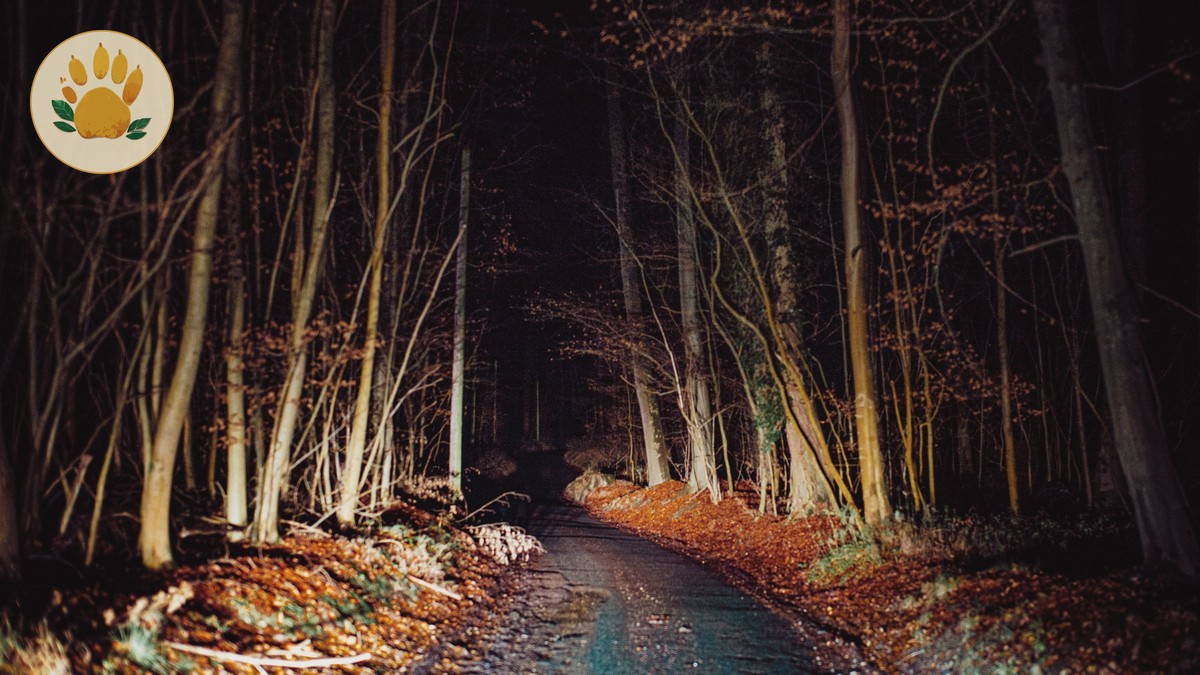
Most safari itineraries end at sundown. The vehicles head back to camp, the sundowner comes out, and the bush goes quiet on paper even though it is just waking up. Genets and civets, two of Kenya’s most overlooked mammals, do almost all their work after dark. If your trip never leaves camp after 6:30pm, you are missing them entirely.
This is a practical guide to genet civet night sightings in Kenya, not a hype piece. It covers where night game drives are actually legal, what a genet looks like next to a civet, and what odds you should realistically expect. Sightings are opportunistic. No guide can promise either animal on a given night, and anyone who does is guessing.
Why Night Game Drives Exist, and Why They’re Banned in Some Parks
Kenya Wildlife Service prohibits night game drives inside its national parks, including Amboseli, Tsavo East, Tsavo West, Lake Nakuru, and Nairobi National Park. The rule dates back decades and exists mainly for anti-poaching control. Vehicles moving after dark are harder to monitor, and KWS rangers cannot easily distinguish a photographer from someone with worse intentions.
Private conservancies operate under different rules. Because they are run by conservancy trusts in partnership with member camps, rather than by KWS, they can set their own game drive policies, including night drives with red-filtered spotlights. This is the main reason serious nocturnal wildlife watching happens in conservancies bordering the Masai Mara, not inside the reserve itself.
Masai Mara National Reserve, administered by Narok County Government rather than KWS, also does not permit night drives within its boundaries. If a genet or civet sighting matters to your trip, you need to base yourself in one of the adjoining conservancies.
Where to Find Genet and Civet Night Sightings in Kenya
| Location | Night drives allowed | Typical night-drive cost | Notes |
|---|---|---|---|
| Masai Mara National Reserve | No | N/A | County-run, no exceptions |
| Mara North Conservancy | Yes | USD 50-100 per person | Separate from the conservancy fee, which runs roughly USD 80-150 per person per night |
| Naboisho Conservancy | Yes | USD 50-100 per person | Same separate-fee structure as Mara North |
| Olare Motorogi Conservancy | Yes | USD 60-120 per person | Low vehicle density, good for slow, patient drives |
| Ol Kinyei Conservancy | Yes | USD 50-100 per person | Smaller camps, fewer vehicles per sighting |
| Ol Pejeta Conservancy | Yes | USD 50-90 per person | Laikipia, roughly 3.5 hours from Nairobi by road |
| Lewa Wildlife Conservancy | Yes | USD 60-100 per person | Laikipia, request night drive at booking |
| Amboseli / Tsavo / Nakuru (KWS) | No | N/A | National parks, drives end at park closing |
Prices are indicative ranges gathered from typical camp rate sheets, not fixed tariffs. Always confirm the current figure with your camp before booking, since conservancy fees are separate from and additional to any lodge rate.
For photographers, Ol Pejeta Conservancy, one of the best spots for night drives is worth building an extra night into the itinerary. It sits far enough from the Mara circuit that vehicle density stays low, which matters more for genets and civets than for lions.
The Secret Seven: What You’re Actually Looking For
Guides in Laikipia and the Mara conservancies often use the term “Secret Seven” for the nocturnal species most photographers ask about:
- Genet (small-spotted or large-spotted)
- African civet
- Aardvark
- Serval
- Crested porcupine
- Aardwolf
- African wild cat
Of these seven, genets and civets are the two most frequently seen, mainly because they are comfortable near camps and often forage along tracks where spotlights sweep. Aardvark and aardwolf sightings are rarer and depend heavily on termite activity and season.
Genet vs Civet: A Field Identification Guide
Both belong to the Viverridae family, and both get lumped together as “cat-like” animals, but neither is actually a cat. Here is how to tell them apart in a spotlight beam.
| Feature | Genet | African Civet |
|---|---|---|
| Body length | 45-55cm, plus a long tail | 60-90cm, shorter in proportion |
| Tail | Long, ringed, often as long as the body | Shorter, bushy, less pronounced rings |
| Build | Slender, low to the ground, cat-like posture | Stockier, dog-like gait |
| Markings | Small dark spots in rows, pale background | Blotchy dark patches, black mask across the face |
| Behavior | Agile climber, often seen on branches or camp rafters | Ground-dwelling, moves along the same paths night after night |
| Where to look | Near camp lighting, on fence lines, in trees | Along drainage lines and game trails |
A genet’s silhouette against a spotlight looks almost like a small, elongated cat with a raccoon tail. A civet reads heavier and lower, more like a small badger with spots. Once you have seen both side by side, you will not confuse them again.
Spotlighting Ethics
Good guides use a red or amber filter on the spotlight rather than white light. White light disrupts a nocturnal animal’s vision and can affect hunting behavior for the rest of the night. Red filters let the vehicle see enough detail for a sighting without blinding the animal.
Ask your guide to keep the light off the animal’s eyes and to limit direct illumination to two or three minutes per sighting. Camps that run frequent night drives, including those in Naboisho and Ol Kinyei, generally train guides to back off once the animal shows stress, such as freezing or bolting.
Booking, Timing, and Cost
Night drives typically depart around 6:30 or 7pm, right after sundowners, and run for one to two hours. Some camps offer a second option departing before breakfast, around 4:30am, though genet and civet activity is usually higher in the first few hours after dark.
Expect to pay USD 50 to 120 per person for the drive itself, on top of the conservancy or park fee already covering your stay. This is separate from your lodge rate. A few camps include one night drive per stay at no extra charge, so it is worth asking directly when you book rather than assuming.
Bring warm layers even in the dry season. Laikipia and the Mara conservancies both sit above 1,700 metres, and open vehicles get cold fast after sunset. A red-light headlamp, a beanie, and a blanket cover most of what you need. If you are shooting photos, a fast lens (f/2.8 or wider) and a body that handles high ISO cleanly will matter more than any amount of gear weight.
Back at camp, the sightings do not stop when the drive ends. The nocturnal sounds you’ll hear from camp often include genets moving across canvas roofs and civets calling near the kitchen tent, both worth listening for once the lights go out.
It also helps to know what to ask once you are in the vehicle. A good list of questions worth asking your guide during a game drive will get you more out of a two-hour drive than any amount of gear.
The SafariPure Difference
We do not promise genet or civet sightings, because no honest operator can. What we do is put you in the right conservancy, with a guide who tracks night activity through the season, and enough nights on the ground for the odds to work in your favor. A single night drive on a two-night stay is a coin flip. Three nights in Naboisho or Ol Pejeta, with a guide who checks the same drainage lines each evening, changes the math considerably.
We also build in slower, quieter vehicles for photographers rather than mixing you into a general game drive schedule. That means fewer people, less light pollution, and more time parked still and waiting, which is usually how the best genet and civet photographs happen.
Plan Your Night Drive
If genets and civets are on your list, the itinerary matters more than luck. Have a look at our Laikipia and Mara conservancy tours built around multi-night stays with dedicated night drives, or get in touch and we will put together a plan around the sightings you actually want.