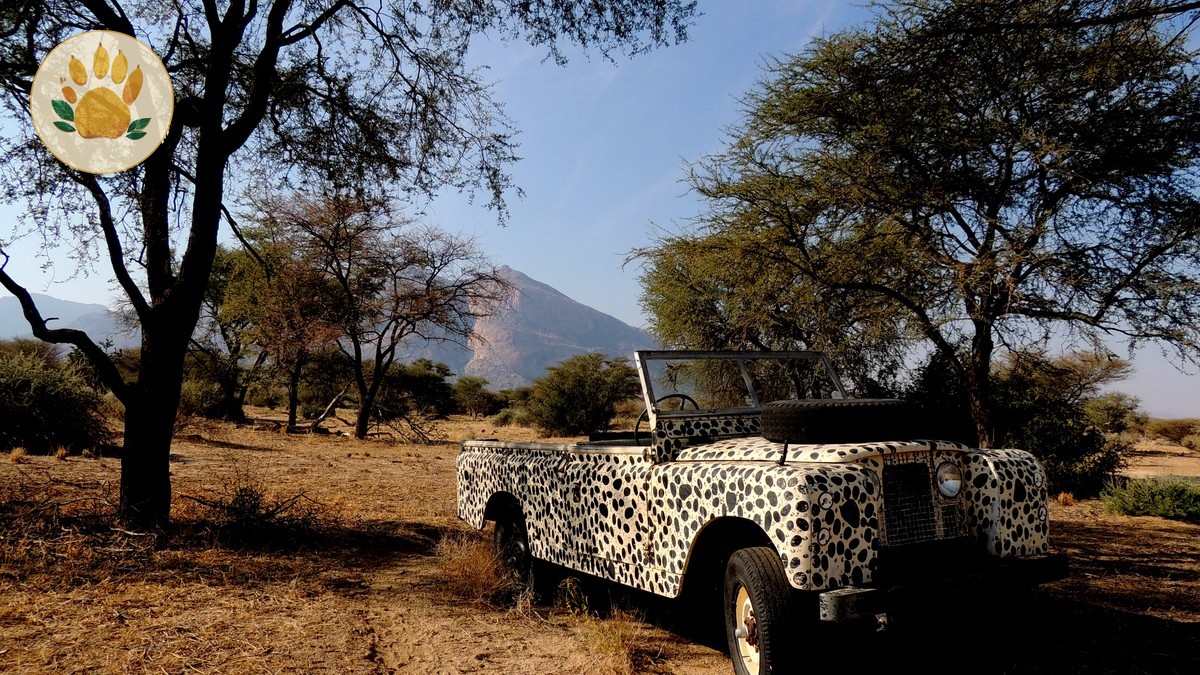
Knowing where to see leopards in Kenya separates a lucky trip from a planned one. Leopards are the one sighting most Kenya itineraries promise and fewer actually deliver. Lions lounge in the open. Leopards work in the shadows. A good sighting usually comes from a guide who knows a specific tree, a specific ridge, or a specific waterhole, not luck alone.
This guide ranks the places that actually produce leopard sightings, with real drive times, real fees, and the trade-offs each spot carries. It skips the padding on visas and booking steps that fills most safari blogs.
Where to See Leopards in Kenya: Best Parks and Reserves
Samburu National Reserve has the best reputation among Kenyan guides for daytime leopard sightings. The doum palm forest along the Ewaso Ng’iro River is the reason, since leopards rest on low branches there in full view. It sits about 325 km north of Nairobi, a 5 to 6 hour drive or a 1 hour flight into Samburu airstrip. It’s also home to Samburu’s Special Five, which includes the leopard alongside the gerenuk, reticulated giraffe, Grevy’s zebra, and Somali ostrich.
Masai Mara, and specifically Leopard Gorge in the Mara North Conservancy, is the single most photographed leopard location in the country. A resident female here has been filmed for BBC and National Geographic crews for over a decade, and her descendants still hold territory in the gorge. The Mara sits roughly 270 km from Nairobi, about 5 to 6 hours by road or a 45-minute flight to Musiek or Ol Kiombo airstrip. The trade-off is crowding. Leopard Gorge gets vehicle pile-ups during peak months that can ruin a quiet sighting.
Tsavo West, around the Ngulia Hills, offers something the others don’t. A floodlit waterhole at Ngulia Safari Lodge draws leopards to drink after dark, visible from the lodge deck without a night drive permit. Tsavo West is about 240 km southeast of Nairobi, a 4 hour drive. Sightings here are less reliable on general game drives but strong at the waterhole itself.
Amboseli National Park, better known for elephants and Kilimanjaro views, has a smaller leopard population concentrated in the Kimana and Ol Tukai woodland fringes. It’s about 240 km south of Nairobi, a 4 to 5 hour drive or a 45-minute flight to Amboseli airstrip. Treat leopard sightings here as a bonus, not the main draw.
Ol Pejeta Conservancy in Laikipia is about 200 km north of Nairobi, a 3.5 to 4 hour drive. It allows night game drives, which most national parks and reserves do not. That single rule makes it one of the more dependable places to see a leopard actually hunting rather than sleeping.
Aberdare National Park deserves a mention for its treehouse lodges, Treetops and The Ark, where guests watch floodlit waterholes through the night. Leopard visits happen but are irregular, so this suits travelers combining it with another park rather than a dedicated leopard trip.
Comparison: Distance, Fees, and Sighting Odds
| Park/Reserve | Distance from Nairobi | Drive Time | Indicative Park Fee (non-resident, per day) | Leopard Sighting Odds |
|---|---|---|---|---|
| Samburu National Reserve | 325 km | 5-6 hrs | USD 70-100 | High, daytime river sightings |
| Masai Mara (Leopard Gorge, Mara North) | 270 km | 5-6 hrs | USD 80-200 (conservancy fees higher) | High, but crowded |
| Tsavo West (Ngulia) | 240 km | 4 hrs | USD 30-60 | Moderate on drives, high at the waterhole |
| Ol Pejeta Conservancy | 200 km | 3.5-4 hrs | USD 90-100 | Moderate to high, best on night drives |
| Amboseli National Park | 240 km | 4-5 hrs | USD 60-80 | Low to moderate |
| Aberdare National Park | 165 km | 3 hrs | USD 60-80 | Low, waterhole-dependent |
Fees change year to year and by season, so treat these as planning ranges rather than fixed prices. For exact figures before you book, check the current KWS park entry fees. Conservancy and county-run reserves like the Mara set their own rates separately from national parks.
Best Time of Year for Leopard Sightings
The two dry seasons, December to February and June to October, are the best windows across all five parks above. Dry grass and low water levels concentrate prey near rivers and waterholes, which pulls leopards into predictable areas.
June to October also coincides with the Mara’s wildebeest migration, which draws leopards toward the Mara River crossings to take advantage of vulnerable calves and stragglers. December to February is quieter on the roads and cooler at night, better for anyone planning long stakeouts at a den site.
The long rains, March to May, and short rains in November, make tracks harder to read and reduce visibility in thicker vegetation. Sightings still happen, but guides work harder for them. Rainfall and prey movement affect predator activity across the year in ways that go beyond leopards. See our guide to the best time to see predators hunting in Kenya for the broader picture.
Night Game Drives and Nocturnal Behavior
Leopards are most active between dusk and dawn. Daytime sightings are almost always leopards resting, not hunting, which is why photographers chasing action shots need after-dark access.
Most national parks, including the Mara and Amboseli, prohibit night driving entirely. Ol Pejeta, Laikipia conservancies bordering Samburu, and private conservancies around the Mara (not the reserve itself) permit spotlighted drives. These use red-filtered lights that don’t disturb the animal’s night vision. Ngulia’s floodlit waterhole in Tsavo West gets around the restriction by letting the leopard come to you.
If a night sighting matters to your trip, book a conservancy rather than a national park, and confirm the vehicle carries a working spotlight before you arrive.
How Guides Track and Find Leopards
Experienced guides rarely search at random. They look for three things: fresh kill caches wedged in tree forks, alarm calls from vervet monkeys or impala, and scrape marks or claw marks on tree trunks that signal territory. A guide who checks the same fig tree every morning for a week is following a pattern, not guessing.
Radio communication between vehicles also plays a large role in the Mara, where sightings get shared quickly across guiding networks. That’s part of why Leopard Gorge produces so many photos, dozens of guides know exactly where to look.
Leopard vs. Cheetah: Quick Identification
Guests confuse these two animals often enough that it’s worth a plain answer. Leopards have rosette-shaped spots and a stockier, muscular build suited to climbing trees. Cheetahs have solid round spots, a slimmer frame built for speed, and distinct black “tear line” markings running from the eyes to the mouth. Leopards hunt alone at night and drag kills into trees. Cheetahs hunt by day and eat on the ground quickly, before larger predators arrive.
What a Leopard-Focused Safari Costs
A mid-range safari built around leopard sightings, with a mix of Samburu and Mara North Conservancy, typically runs USD 350-600 per person per night. That covers a private vehicle, an experienced guide, and full board at a tented camp. Budget options using shared vehicles and public campsites can drop to USD 150-250 per night, though shared vehicles mean less flexibility to wait at a sighting. High-end camps with private guides and unlimited game drives run USD 700-1,200 per night. None of these figures include international flights.
The SafariPure Difference
Most operators sell parks. We sell time in front of the right tree. Our guides plan itineraries around known leopard territories, not just park boundaries. We build in slower mornings and longer waits rather than packing five game drives into three days. A good leopard sighting rewards patience more than mileage, and our schedules reflect that.
We also brief every guest on realistic odds before they book, not after. If a season or park has weak leopard activity, we say so and suggest a better window instead of overselling the trip.
Plan Your Trip
If leopards are the priority for your next trip to Kenya, we can build an itinerary around the parks and seasons that actually suit that goal. Get in touch through our contact page to start planning, or browse our leopard safari tours for a starting itinerary.