Amboseli National Park sits on 392 square kilometers of dust, swamp, and short grass at the foot of Kilimanjaro. It is also the best place on earth to reliably see big tuskers, elephants whose ivory is long enough and heavy enough to nearly touch the ground. This Amboseli big tuskers elephant viewing guide covers where they gather, when they show up, and how to plan a trip around them rather than hoping for luck.
What Is a Big Tusker vs. a Super Tusker
A big tusker is a bull elephant carrying tusks that each weigh at least 45 kilograms. A super tusker clears 100 pounds (about 45 kilograms) per tusk with tusks long enough to drag or nearly drag on the ground, a genetic trait now rare across Africa after decades of poaching removed most of the largest-tusked bulls from the gene pool. Amboseli is one of the last ecosystems where this genetic line survives in meaningful numbers, thanks to research and protection dating back to 1972.
Fewer than a dozen confirmed super tuskers remain across the whole continent. Amboseli and the neighboring Tsavo and Chyulu Hills ecosystem hold most of them, since bulls move freely between the three areas without fences.
Named Tuskers of Amboseli, Living and Deceased
Amboseli’s elephants have been studied continuously since 1972 by the Amboseli Trust for Elephants, so individual bulls have names, family histories, and decades of photographic records. Tim, one of the most photographed super tuskers in Africa, died of natural causes in Amboseli in February 2020 at around 50 years old. His tusks were so long they nearly scraped the ground on both sides.
Craig and One Ton have both featured for years on “famous tuskers” lists, and many still describe them as alive today. Tusker rosters go stale fast. A bull confirmed present in one year’s field survey can be gone within a season, and older blog posts rarely get updated to reflect it. Before you build a trip around seeing a specific named bull, ask your camp or guide for a current sighting report. Big Life Foundation rangers and Amboseli Trust for Elephants researchers track this daily, and any reputable lodge can pass along the latest word.
Tolstoy, another long-tusked bull, ranges between Amboseli and the Chyulu Hills, so sightings there are less predictable but still possible near the park’s northern boundary.
Why Amboseli Specifically
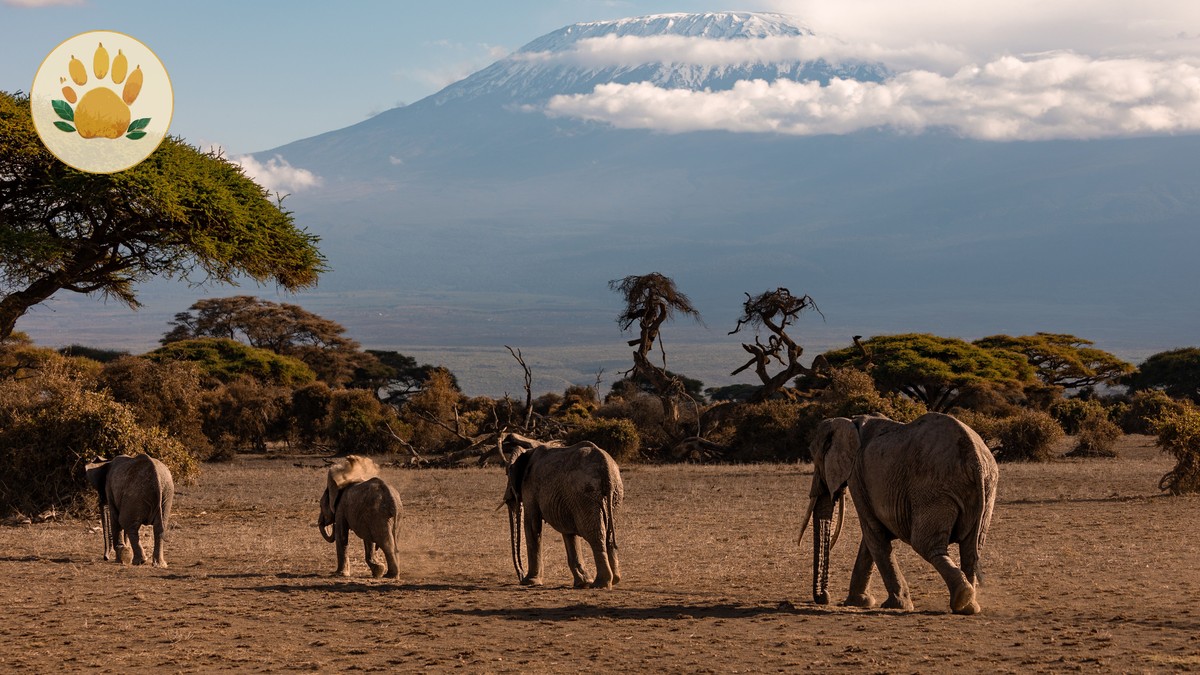
Three things make Amboseli the place to see this genetic line up close. First, the research legacy. Elephants here have been monitored by the same organization for over 50 years, so rangers and guides know individual bulls by sight, not just by species. Second, the swamps. Amboseli’s permanent wetlands, fed by underground rivers off Kilimanjaro, keep grass green and elephants concentrated even in the dry season when the rest of the park turns to dust. Third, the light. Kilimanjaro’s snowcap as a backdrop, paired with open, treeless terrain, gives photographers a clean line of sight that dense bush parks like the Mara rarely offer.
Amboseli Big Tuskers Elephant Viewing: Best Time of Year
The dry seasons, from late June to October and again from January to February, pull elephants into the swamps in large numbers because surface water elsewhere dries up. This is when sightings are most reliable, but it also means dust, crowded pull-outs at Enkongo Narok, and harsher midday light for photography.
The green season, from March to May and again in November, spreads elephants across a wider area as temporary water sources appear outside the swamps. Sightings become less predictable and bulls range farther from the main viewing circuits. The trade-off is real: fewer vehicles, softer light, and a quieter park, but no guarantee a specific tusker will be in view that day.
Best Time of Day and Where to Look
Elephants move to the swamps to feed in the cooler hours, typically from 6:30 to 9:30 in the morning and again from 4:00 p.m. until dusk. Midday heat pushes them into shade near the swamp edges, where visibility drops.
Three swamps do most of the work. Enkongo Narok, in the park’s central basin, holds water year-round and draws the highest numbers of bulls. Longinye, a smaller channel to the east, sees fewer vehicles and rewards patience with quieter sightings. Olokenya Swamp, on the eastern edge, is worth a detour on a slow morning. Observation Hill, the park’s only raised viewpoint, gives a wide scan of all three swamps at once and is the best five minutes to spend before deciding where to drive.
Where to Stay for the Best Tusker Sightings
Camp location inside or near the park changes your drive time to the swamps significantly, which matters most in the early morning window.
| Camp/Lodge | Zone | Distance to Enkongo Narok Swamp | Approx. Price Range (USD/night, per person) |
|---|---|---|---|
| Ol Tukai Lodge | Central, inside park | 5 km (10-15 min drive) | 250-400 |
| Amboseli Serena Safari Lodge | Central, inside park | 6 km (15 min drive) | 220-350 |
| Kibo Safari Camp | Southeast, inside park | 12 km (25-30 min drive) | 180-280 |
| Tortilis Camp | Kitirua, southwest, outside park | 18 km (35-45 min drive) | 450-750 |
| Satao Elerai | Southeast, outside park boundary | 22 km (40-50 min drive) | 350-550 |
Camps inside the park boundary, like Ol Tukai and Serena, cut your morning drive time roughly in half compared to conservancy camps outside the gates. For photographers chasing the first hour of light at the swamps, that difference decides whether you arrive with the herds already grazing or catch them walking in.
Conservation Status and Threats
Poaching pressure on Amboseli’s big tuskers has eased since the 2013-2016 peak, largely due to community scout programs run by Big Life Foundation across the Amboseli-Tsavo-Kilimanjaro ecosystem. The bigger long-term threat is genetic. Decades of removing the largest-tusked bulls from breeding populations across Africa mean the trait is now rare enough that losing even one or two more super tuskers matters at the population level. Trophy hunting remains legal in parts of Tanzania along the border, and a small number of bulls that range across that boundary have been lost to licensed hunts in past years, which is part of why organizations track individual bulls so closely.
Amboseli vs. Other Parks for Tusker Viewing
Amboseli’s open terrain and permanent swamps make it more reliable for tusker sightings than most alternatives. Tsavo’s super tuskers roam a much larger, denser landscape, so sightings happen but demand more driving and more luck. The Masai Mara has elephants in good numbers but few confirmed super tuskers, since the ecosystem’s herds were more heavily poached for ivory in past decades. If elephants are the priority over big cats or the wildebeest migration, Amboseli wins. For a broader comparison of what each park does well, see Amboseli vs. Masai Mara for your first safari.
Sample Itinerary and Cost
A three-night, four-day Amboseli trip built around tusker viewing typically looks like this: arrival day with an afternoon swamp circuit, two full days split between dawn and late-afternoon sessions at Enkongo Narok and Longinye, and a final morning at Observation Hill before departure.
Park entrance fees run USD 90 per adult per day for non-residents, payable at KWS gates or through your operator. A midrange package with a central lodge, private vehicle, and full board runs roughly USD 1,400-2,200 per person for the four days, excluding international flights. Budget an extra USD 150-250 if you add a fourth swamp circuit or an early Chyulu Hills detour chasing Tolstoy.
For photography-focused trips, a vehicle with a pop-up roof and no more than four guests per row matters more than lodge luxury. Read more on best lens for photographing tuskers before you pack.
The SafariPure Difference
Most operators sell Amboseli as a Kilimanjaro photo backdrop with elephants as a bonus. We build itineraries around swamp rotation and light, not around a generic game drive schedule. Our guides check daily sighting reports from Big Life Foundation and Amboseli Trust for Elephants field teams before confirming which swamp to prioritize each morning, so you are not chasing a bull that moved on months ago. We also tell clients honestly when green-season conditions mean lower odds, rather than overselling a trip that might disappoint.
Plan Your Trip
If you want to see Amboseli’s big tuskers without guessing at swamp timing or camp location, we can build the itinerary around it. Visit our Amboseli safari page or get in touch through our contact page to start planning.