This Solio Rhino Sanctuary guide skips the part every other page leads with: the rhino numbers. We’ll get there. But the fact that decides whether your trip works at all is simpler: Solio is a private ranch, not a park with a public gate. You generally cannot turn up and pay your way in. Access runs through Solio Lodge, Rhino Watch Lodge, or an operator with a standing arrangement with the ranch. Plan around that first, and the rest of the visit falls into place.
Solio Rhino Sanctuary Guide: What It Is and Why It Matters
Solio Ranch sits on roughly 17,500 acres of grassland between Nyeri and Nyahururu, in the shadow of the Aberdares. It started as a cattle ranch in the 1970s, when owner Courtland Parfet fenced off a section for black rhino under threat from poaching. That fenced sanctuary, now expanded, became the breeding engine for rhino reintroduction across Kenya. Animals bred at Solio have restocked Lake Nakuru, Nairobi National Park, Ol Pejeta Conservancy, and several other sanctuaries over the past four decades.
That history is why Solio is often called the oldest private rhino sanctuary in the world. It was not built for tourism. It was built to save a species, and tourism followed because a healthy, fenced, well-guarded population of rhino turned out to be extraordinary to watch.
Rhino Numbers: A Conservation Success Story
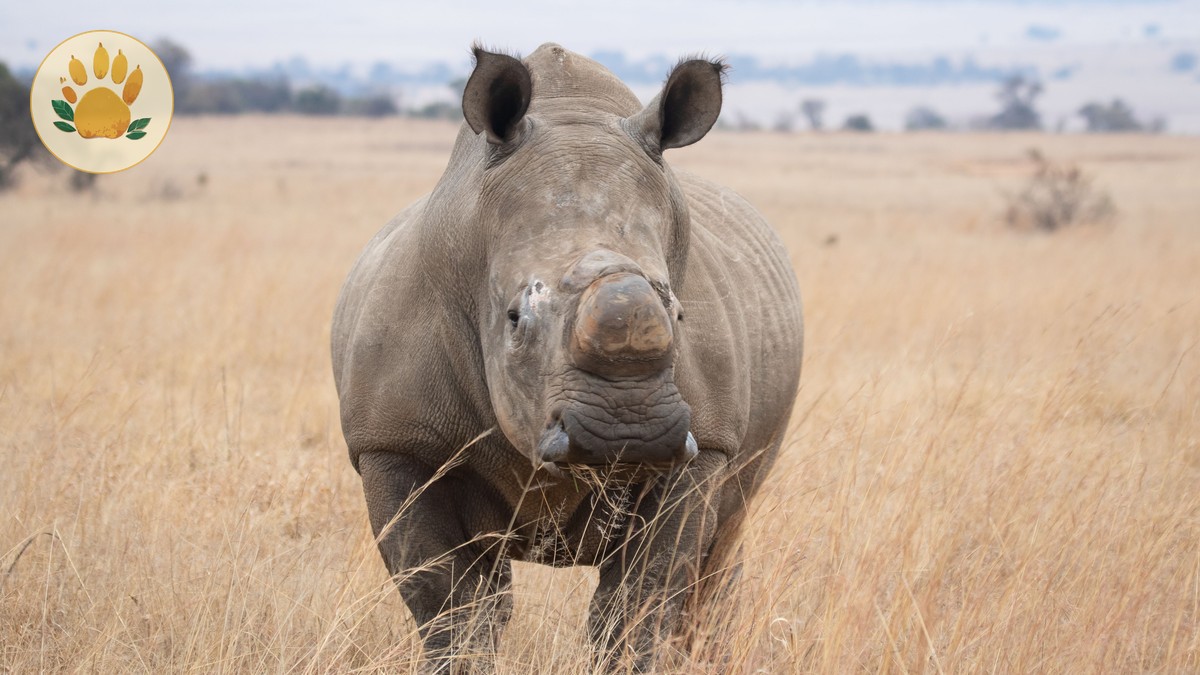
Solio holds one of the highest rhino densities in Africa. Published figures vary by year and source, but the sanctuary is generally reported to carry somewhere in the range of 150 to 200 black and white rhino combined, on a fraction of the land that similar populations need elsewhere. Treat any single number as a snapshot rather than a fixed count, since births, transfers to other reserves, and natural mortality shift it constantly.
What matters for a visit is density, not the exact tally. Sightings here are close, frequent, and often multiple animals at once, which is rare almost anywhere else on the continent. Rhino are part of Kenya’s Big Five, and Solio is arguably the most reliable single site in the country to photograph them at close range.
Other Wildlife Beyond the Rhino
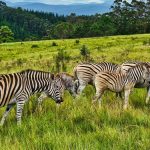
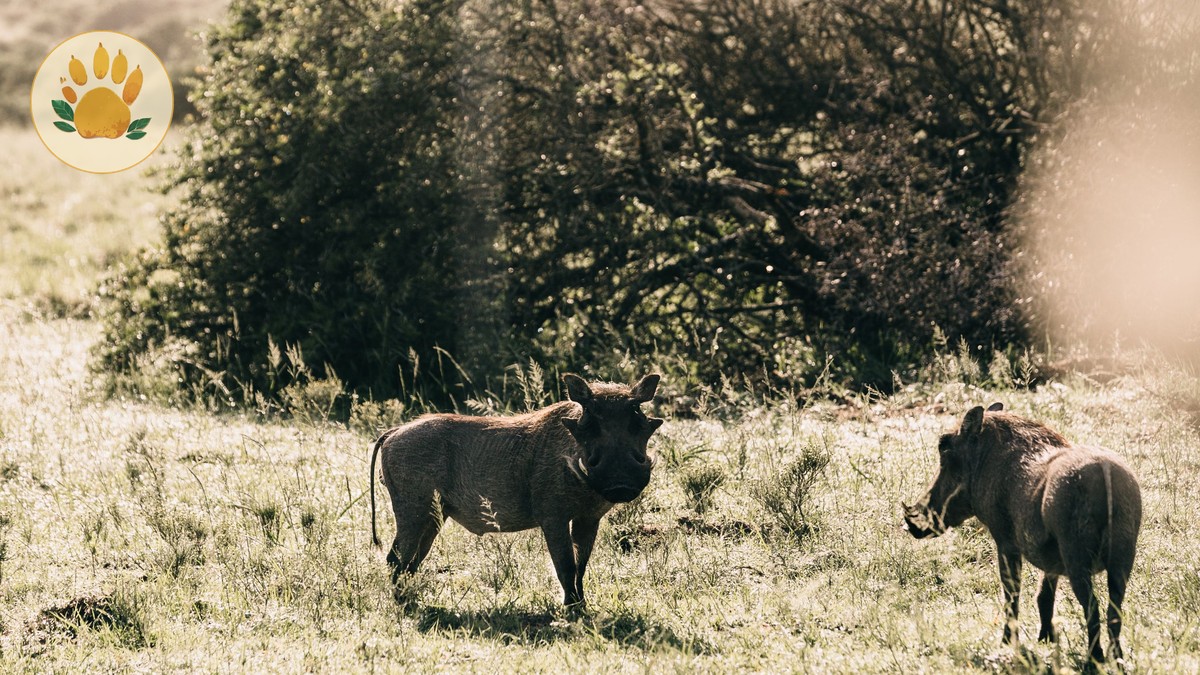
Solio was never a single-species reserve. Reticulated giraffe, Grevy’s zebra, common zebra, buffalo, eland, and impala move across the open grassland in good numbers. Leopard are present but shy, more often heard or tracked than seen. Cheetah turn up occasionally on the plains. Bird life is strong along the seasonal dams, with herons, storks, and raptors drawn to the water.
For a photographer, the open terrain is the real asset. There is little thick bush to block a clean shot, and the grassland holds animals against a wide horizon that suits both wide-angle scene shots and long-lens portraits.
Location and Getting There
Solio lies in Laikipia and Nyeri counties, about 230 km north of Nairobi. The drive takes 4 to 5 hours on tarmac roads through Nyeri town, with the last stretch on a maintained murram road into the ranch. Most self-drive and private-transfer guests take this route.
Charter flights are the faster option, landing at Nanyuki airstrip, roughly an hour’s drive from Solio, or occasionally direct to a private airstrip on the ranch depending on the lodge. Nanyuki also connects easily to other Laikipia camps and to Samburu, which makes Solio workable as one stop on a longer northern Kenya circuit rather than a standalone trip.
Entry Fees and Permits
This is where published information gets messy. Figures across booking sites and blogs range from around $80 to $122 per person, and few explain why. The honest answer is that Solio has no single published gate rate. Fees are set through the ranch’s arrangement with each lodge or operator, billed per person per day, and usually payable in cash.
| Visitor type | Indicative fee (per person, per day) | Payment | Notes |
|---|---|---|---|
| Non-resident, staying at Solio Lodge or Rhino Watch Lodge | $80-100 | Often built into the room rate | Confirm at booking |
| Non-resident, day visit via approved operator | $100-122 | Cash (USD) at the gate | Rate depends on the operator’s agreement |
| Child (under 12) | Roughly half the adult rate | Cash | Ask the lodge to confirm |
| Kenya resident or citizen | Lower KES rate, rarely advertised | Cash (KES) | Confirm directly with the lodge |
Treat these as indicative ranges and confirm the current figure before travel, since Solio revises rates without much public notice. For context on how Solio’s fees compare to Kenya’s national park rates, national parks like Nakuru or Aberdare charge a published per-day conservation fee that is easy to check in advance. Solio is not, which is exactly why the access route matters more here than at a normal park.
Best Time to Visit
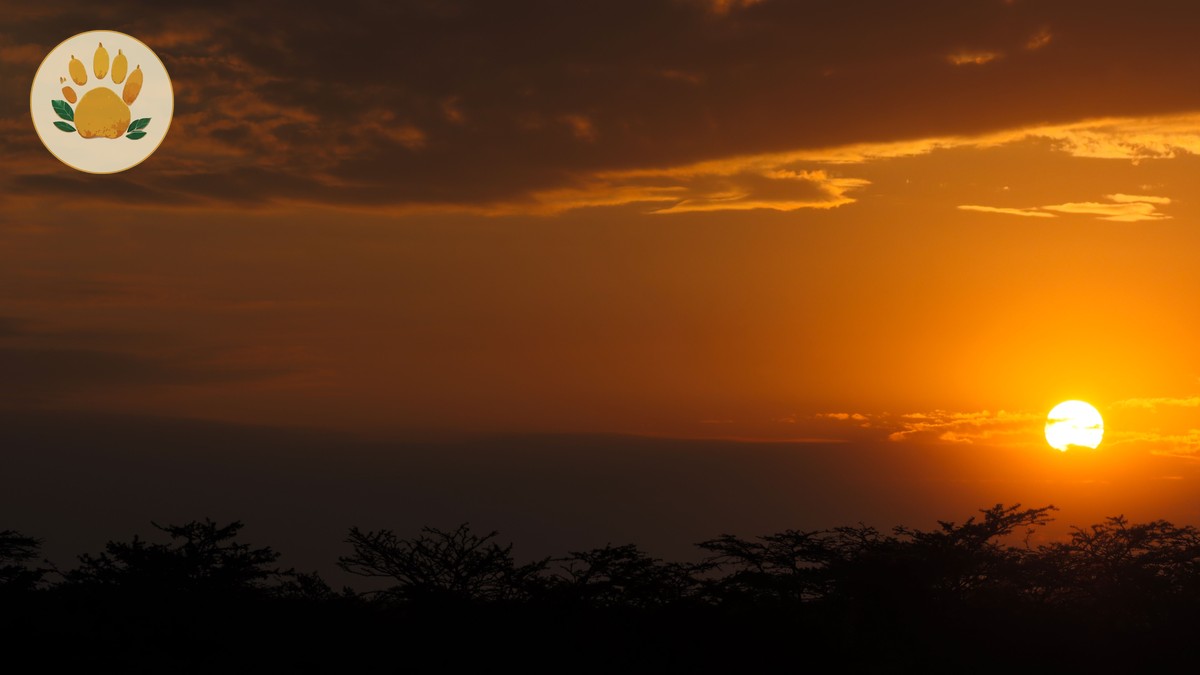
Solio delivers good rhino sightings year round, since the population is resident and the fenced area is limited in size. The clearest photography conditions come in the dry months, January to March and June to October, when grass is short and dust settles the light into warm, flat tones by late afternoon.
April, May, and November bring rain. Tracks can turn heavy and grass grows tall enough to hide smaller animals, though rhino, being large and grazing in open patches, stay visible. Rain also clears the air and can produce dramatic skies, which some photographers prefer over dry-season haze.
Activities for the Wildlife Photographer
Game drives are the core activity, run in open 4×4 vehicles with a guide who knows individual rhino by sight, useful for tracking specific animals across a return visit. Vehicles typically carry the standard safari configuration of beanbags or bean-rest bars rather than fixed camera mounts, so bring your own bracket or bag if you shoot long glass.
Guided walking safaris are available in parts of the ranch, always with an armed ranger, and offer a different angle for landscape and habitat shots that a vehicle can’t reach. Horseback riding is offered at Solio Lodge for guests comfortable on a horse, giving quiet, low-noise approaches to grazing herds. Night drives are not generally permitted, since the priority remains rhino security over tourism flexibility.
Where to Stay
Two properties sit inside the ranch itself. Beyond the fence, a handful of Laikipia camps make reasonable alternates or add-ons if Solio’s own lodges are full.
| Property | Location | Distance from Nairobi | Indicative price per person/night | Style |
|---|---|---|---|---|
| Solio Lodge | Inside Solio Ranch | ~230 km, 4-5 hrs by road | $700-1,000+, all-inclusive | Glass-fronted suites, high-end |
| Rhino Watch Lodge | Inside Solio Ranch | ~230 km, 4-5 hrs by road | $250-400, full board | Cottages, mid-range |
| Kicheche Laikipia | Laikipia Plateau, near Ol Pejeta | ~250 km, ~5 hrs by road | $500-700, all-inclusive | Small tented camp |
| Ol Pejeta Bush Camp | Ol Pejeta Conservancy | ~200 km, ~4 hrs by road | $450-650, all-inclusive | Tented camp, own rhino sanctuary |
Solio Lodge and Rhino Watch Lodge guests get guaranteed access to the ranch as part of their stay. Guests based at Kicheche Laikipia or Ol Pejeta Bush Camp need their operator to arrange a day permit in advance, which is not automatic.
Access Restrictions, Explained Plainly
Solio Ranch is private land run for cattle, conservation, and controlled tourism, not a government park open to the public. There is no walk-up gate. Independent travelers without a lodge booking or a confirmed operator arrangement are typically turned away.
This is the detail most competing guides skip, and it is the one that actually changes your itinerary. If Solio is on your list, book it through a lodge stay or confirm your operator has an active permit arrangement before you build the rest of your route around it. This is also where booking a private sanctuary visit direct vs. through an agent makes a real difference, since a direct lodge booking usually guarantees entry while a generic day-tour add-on sometimes does not.
Is Solio Better Than Ol Pejeta for Rhino?
Both hold strong rhino numbers. Ol Pejeta is larger, better known, and combines rhino with chimpanzee sanctuary visits and more lodging choices. Solio is smaller, denser, and quieter, with fewer vehicles per sighting. For a photographer prioritizing close, uncrowded rhino encounters over variety, Solio has the edge. For a first Kenya trip wanting one stop that covers more ground, Ol Pejeta is the easier choice.
The SafariPure Difference
We don’t send clients to Solio on a guess. We confirm the current entry arrangement with the specific lodge or operator before we quote a price, because the $80-to-$122 range you’ll see elsewhere online is exactly the kind of gap that ruins a trip at the gate. We build Solio into a route that respects the drive time from Nairobi, pairs it sensibly with Laikipia or Samburu rather than cramming it into a rushed day trip, and brief photographers on vehicle setup and light timing before they arrive. The result is a visit planned around how Solio actually works, not around what a directory page assumed.
Plan Your Solio Visit
Solio rewards patience and a properly arranged booking more than any other rhino site in Kenya. If you want a route that gets you through the gate without guesswork, get in touch through our Laikipia safari page and we’ll build the logistics around your dates.