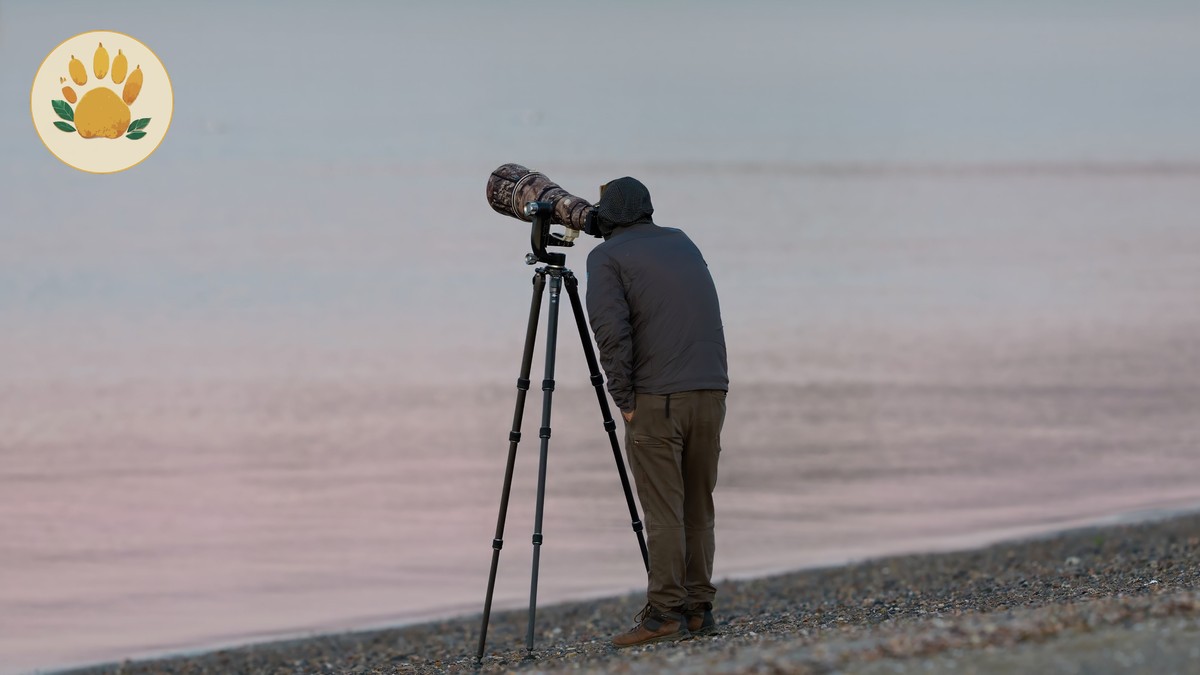
Samburu reminds photographers why a safari should never feel rushed. The light arrives early over the Ewaso Ng’iro River, the air stays dry, and the animals look unlike anything you saw on a Masai Mara photography trip. This Samburu wildlife photography guide puts the practical decisions first: where to wait, when to shoot, which lens to keep mounted, and how many nights give you a real chance at the Samburu Special Five.
What wildlife can you photograph in Samburu
Samburu is best known for the Samburu Special Five: Grevy’s zebra, reticulated giraffe, gerenuk, Beisa oryx, and Somali ostrich. You can also photograph elephants, lions, leopards, cheetahs, crocodiles, hippos, and birds, especially near the Ewaso Ng’iro River.
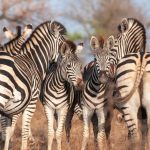
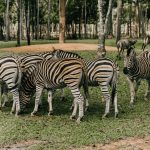
Each of the Special Five forces a different photographic approach. Grevy’s zebra stand taller than plains zebra and often appear in long lines against dry scrub. Reticulated giraffe have crisp dark polygons that look great in low side light. Gerenuk feed on their hind legs, which makes a 400mm lens feel short. Beisa oryx gather in small herds on open ground. Somali ostrich walk the northern plains and show pink legs in morning light.
Elephants in Samburu are famous for using the Ewaso Ng’iro River. Crocodiles and hippos lie in deeper pools. Leopards often rest in riverine fig trees, and cheetahs patrol the open eastern side. If you stay longer, the bird list includes vultures, kingfishers, hornbills, and several dry-country endemics.
Best places to photograph wildlife in Samburu
Start along the Ewaso Ng’iro River for elephants, crocodiles, hippos, birds, reflections, and occasional leopards. Use the western plains and dams for gerenuk, oryx, ostrich, and Grevy’s zebra; explore Buffalo Springs National Reserve crossings for predators and zebras; and use Koitogor and Ol Donyo Kuroi Hills for landscapes and elevated views.
Morning drives work well on the river. The light comes from the east, and elephants cross between Samburu National Reserve and Buffalo Springs National Reserve. Talk to your guide about which river crossings hold water. During the dry months those crossings become predictable.
The western plains and low dams attract herds of gerenuk and oryx. Look for Grevy’s zebra on open flats where the pattern stands out. Somali ostrich often walk far from the road, so a 500mm option helps.
For landscapes, head to Koitogor or Ol Donyo Kuroi before sunset. The hills frame the valley and the riverine forest. On clear days, Mount Kenya appears on the southern horizon. You can pair these spots with buffalo, elephants, and antelope in the foreground.
Best time of day and season for photography
The most productive light is usually during morning drives from about 6:00 to 9:00 a.m. and afternoon drives from roughly 4:00 to 6:00 p.m. June to October and January to February generally concentrate animals near water, while March to May and November to December bring greener scenery, fewer visitors, and stronger landscape color.
There is no single best month for wildlife photography in Samburu, but the dry season is easier for subjects. From June to October the Ewaso Ng’iro River narrows, so elephants and predators use the same few pools. From January to February the same pattern returns after the short rains. December and January can be a quiet compromise: animals still gather near water, grass is low, and the light stays cleaner.
March to May is the long rainy season. Roads can be sticky and some camps close. Landscape images look more dramatic, but game viewing becomes less predictable. If your main target is the Special Five, plan for the dry-season months. If you want soft green backgrounds and fewer vehicles, consider a short green-season trip in November or December.
Camera gear and lens recommendations for a Samburu wildlife photography guide
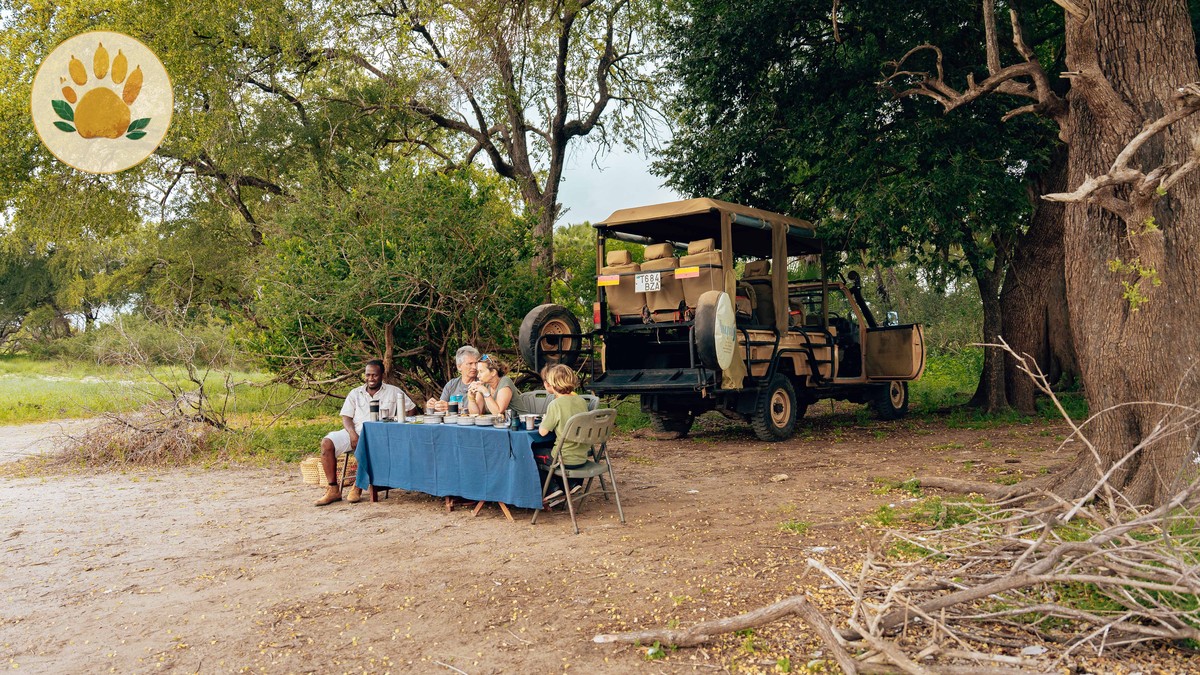
Pack a 100-400mm or 200-500mm telephoto zoom as the main wildlife lens, plus a wide-angle lens for landscapes and river scenes. A beanbag is more useful than a tripod inside a safari vehicle, while spare batteries, memory cards, binoculars, and dust protection are essential. A 500mm-plus lens helps with distant birds and gerenuk. For a broader packing checklist, see our Kenya safari camera gear guide.
For a full-frame body, a 100-400mm covers most Samburu encounters. It focuses fast and reaches elephants, lions, and oryx from the vehicle. A 200-500mm gives more reach for distant gerenuk and birds, but it can feel heavy during six-hour drives. If you own a 500mm prime, carry it for the dry plains and keep the zoom mounted for the river.
A 24-70mm or 16-35mm lens is worth space for the hills and the river. At Koitogor, a wide lens turns a landscape into environment. Use a small beanbag on the vehicle roof rather than a tripod. Tripods are difficult to set up from a seat and often not allowed while moving.
Samburu is dusty. Put a UV or clear filter on every lens, carry at least three batteries, and pack more memory than you think you need. A blower and microfiber cloth will be used every day. Binoculars help you spot behavior before you raise the camera.
Safari camera settings and shooting techniques
Begin with a shutter speed of at least 1/1000 second for running animals, birds in flight, or elephants crossing water, then raise ISO as light falls. Use continuous autofocus and animal-eye detection when available, keep the eyes sharp, and switch to a wider composition when the habitat adds scale. Avoid flash and stabilize long lenses on a beanbag.
In the early morning, start with Aperture Priority and a wide-open lens. Set ISO 400 to 800 and adjust. When the sun rises, improve depth of field with f/8 if your subject is still. For moving animals, switch to Shutter Priority at 1/1000 or faster. Do not be afraid of ISO 3200; modern cameras handle it well.
Use single-point or zone AF and aim for the eye. Animal-eye detection helps with lions and leopards because their eyes are small in the frame. For portraits of gerenuk, keep the near eye sharp and let the background fall away.
A common mistake is always shooting long. Some of the best Samburu frames show the animal in its habitat. When an elephant walks along the Ewaso Ng’iro, pull back to show the river and the palm trees. Change angles by waiting for the subject to cross light, not by chasing it.
Vehicle position matters. Ask your guide to park with the sun behind you. A pop-up roof lets you shoot standing, and a beanbag on a rolled-down window lowers your angle for eye-level portraits.
Samburu Wildlife Photography Guide: Trip Planning Essentials
Plan on three to four nights for a meaningful photography stay, with enough drives to revisit productive river and plains locations. Flights from Nairobi’s Wilson Airport take about 1.5 hours, while overland transfers take longer. Compare both against camp location, vehicle design, and guiding quality before booking.
Three nights gives you six drives: four morning and afternoon slots plus two partial transfer days if you fly. That is enough to learn the river rhythm and return to a spot when light improves. Four nights is better if you also want to photograph the western plains and the hills.
| Planning Check | Detail | What It Means for Photographers |
|---|---|---|
| Road from Nairobi via Isiolo | Approx. 345 km, 5.5 to 6.5 hours each way | Leaves less light on transfer days; add a night if driving |
| Flight from Wilson Airport to Samburu Airstrip | About 1.5 hours plus road transfer to camp | Protects the first and last afternoons for shooting |
| Samburu National Reserve entry fee | Indicative USD 60 to 80 per adult per day, not a KWS fee | Confirm with your operator; many camps include it |
| Typical camp rates, full board | Indicative USD 350 to 900 per person per night | Ask about vehicle type, guide ratio, and pop-up roof before booking |
Driving through Isiolo is possible, but a long transfer day wastes light. Plan a night nearby if you drive, so you keep a full day for shooting.
Camp choice changes your photography. Camps on the river, such as Elephant Watch Camp or Larsens Camp, let you start before most day visitors. Upcountry camps like Saruni Samburu or Sasaab have elevated views and private conservancy land, but add transfer time. Choose a riverside camp for light and access, or read our accessible Kenya safari camp guide first.
Know how long Samburu game drives usually last. Most camps run three to four hour morning drives and two to three hour afternoon drives. A guide who extends for a leopard in a fig tree is worth more than a faster pickup.
The SafariPure Difference
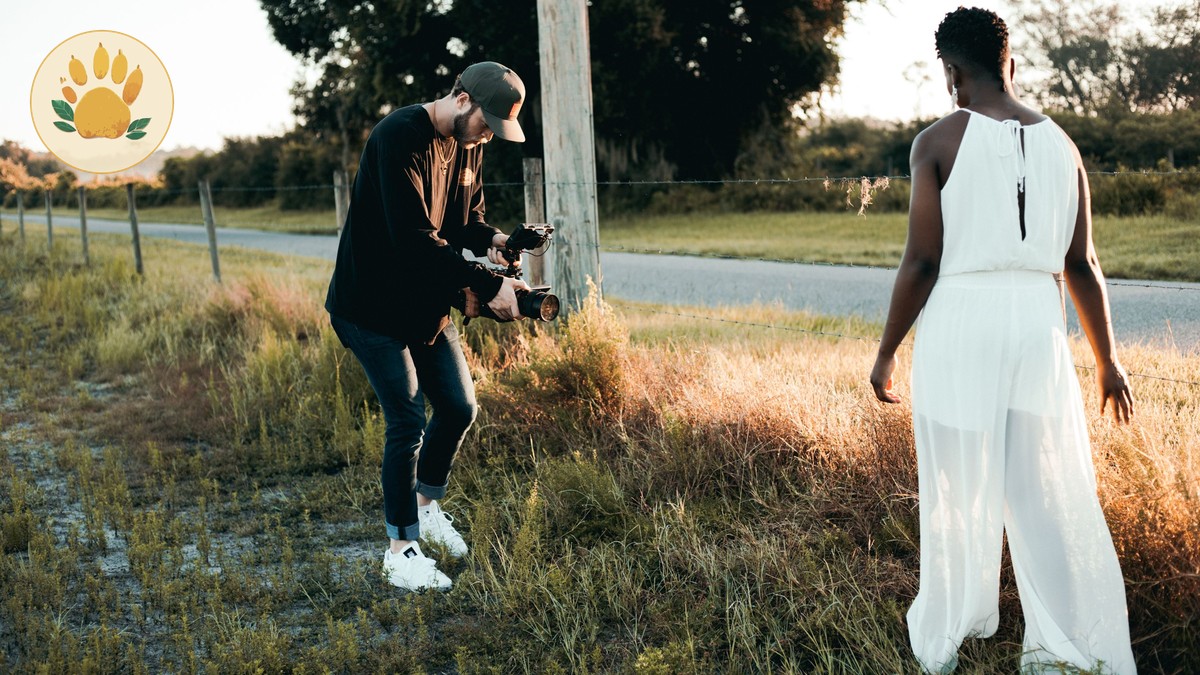
Many photo safaris fail because of logistics, not light. SafariPure plans the details that matter: a vehicle with a pop-up roof and a beanbag rest, a guide who knows when to wait, a camp matched to your subject list, and a season chosen for your targets. We do not fill every hour with driving. Time at the river during crossing hours matters more than covering distance.
We also give honest trade-offs. Dry season means more animals at water, but also more vehicles. Green season means softer backgrounds and fewer photographers, but less predictable game. SafariPure helps you pick the option that fits your style. Samburu safari photography rewards patience, and we build the itinerary around that.
Frequently Asked Questions
What animals can you photograph in Samburu?
Samburu is famous for Grevy’s zebra, reticulated giraffe, gerenuk, Beisa oryx, and Somali ostrich, known collectively as the Samburu Special Five. Elephants, lions, leopards, cheetahs, crocodiles, hippos, and many birds add further opportunities, particularly around the Ewaso Ng’iro River.
What is the best month for wildlife photography in Samburu?
June through October usually offers the highest wildlife visibility because animals concentrate near water, while January and February can also be productive. December through early February may provide a quieter balance of wildlife, cleaner light, and greener vegetation. April and May are better for dramatic landscapes than concentrated game viewing.
What lens do I need for a Samburu safari?
A 100-400mm or 200-500mm zoom covers most wildlife encounters from a safari vehicle. Add a wide-angle lens for scenery and environmental portraits, and consider 500mm or longer for distant birds and gerenuk. A beanbag provides practical support in a vehicle, where tripods are often cumbersome.
How many days do you need in Samburu for photography?
Three to four nights is a practical minimum for a photography-focused Samburu trip. That length provides multiple morning and afternoon drives, time to revisit the river and plains, and flexibility when wildlife activity or light is poor on one outing.
What time do game drives start in Samburu?
Morning game drives generally run from about 6:00 to 9:00 a.m., when predators and many herbivores are active in soft light. Afternoon drives commonly run from about 4:00 to 6:00 p.m. and offer warm light, bird activity, and cooler conditions.
Book Your Samburu Wildlife Photography Safari
Build your Samburu safari around good light, not a fixed checklist. Start planning with SafariPure and we will match the camp, season, and vehicle to the photographs you want to make. Contact SafariPure through our contact page, and we will plan the route together.