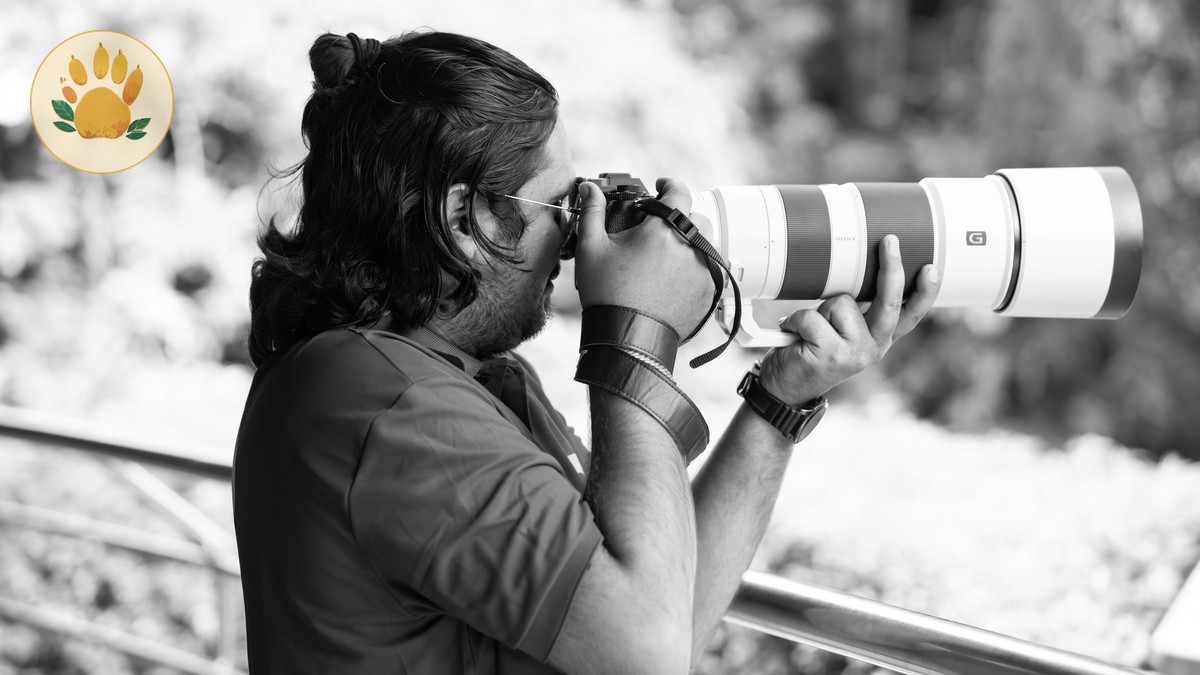
Kenya holds around 1,100 bird species, more than the whole of Europe. That number gets repeated on almost every safari blog, and it tells you almost nothing about where to point your camera. What matters is light, water, vehicle access, and how close a hide or a track lets you get without pushing a bird off its perch. This guide ranks the best parks for bird photography in Kenya, and says plainly where each one falls short.
What Makes the Best Parks for Bird Photography in Kenya
A birding checklist and a photography plan are different things. A twitcher is happy glimpsing a lifer through binoculars. A photographer needs the bird in good light, at a workable distance, for long enough to compose a frame.
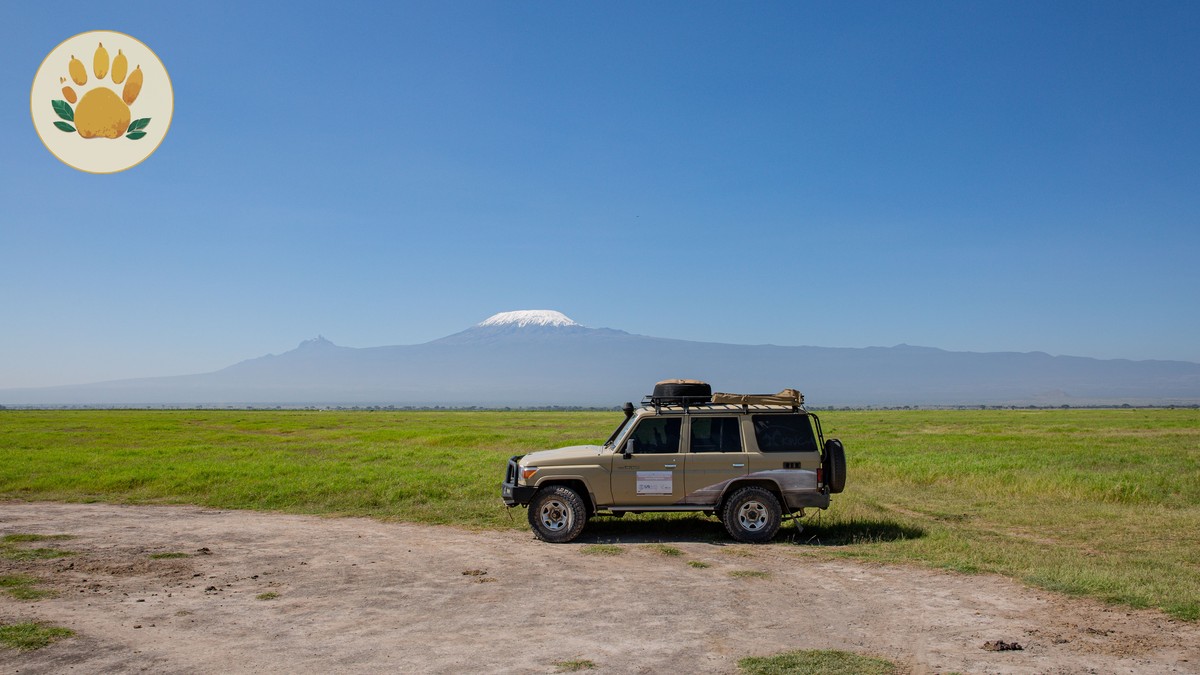
Three things decide whether a park delivers that: light, season, and vehicle configuration. Open plains like the Maasai Mara give you clean backgrounds and early sun with almost no obstruction. Riverine parks like Samburu trade that openness for shade and reflected light off the Ewaso Nyiro River, which softens harsh midday sun. Season decides whether birds are in breeding plumage, whether migrants have arrived, and whether tracks are passable after rain. Vehicle configuration matters more than most guides admit. A pop-top Land Cruiser lets you shoot from a stable, elevated position. A closed saloon does not. If a lens over 400mm is coming with you, ask your operator for a vehicle with a beanbag rail or a window mount before you book.
Our golden hour game drive tips piece covers positioning against the sun in more detail, but the short version applies everywhere in this guide: get to your spot before the light does.
Maasai Mara: Volume and Raptors
The Mara holds around 470 recorded bird species across its 1,510 square kilometres, alongside the wildebeest migration most visitors come for. Photographers come back for the raptors. Bateleur eagles, augur buzzards, and secretary birds hunt the open grass where a vehicle can sit 20 metres off a kill without pushing anything into flight.
Mara North Conservancy and Naboisho allow off-road driving, which the main reserve does not. That single rule makes the conservancies worth the extra fee, roughly USD 70 to 100 a night on top of accommodation. It pays off if birds of prey are your target. Fig Tree and Ol Kiombo airstrips both put you within 30 minutes of good raptor ground. Reserve entry runs about USD 80 per adult per day in high season.
Best months for photography: late July through October, when grass is short after the long rains and light stays clean through midday.
Amboseli: Elephants, Egrets, and Kilimanjaro Light
Amboseli’s 392 square kilometres sit under Mount Kilimanjaro, and the swamps around Enkongo Narok hold pelicans, saddle-billed storks, and African fish eagles at close range. The park counts around 400 bird species, fewer than the Mara, but the swamp edges concentrate them where a stationary vehicle gets clean shots for an hour without moving.
The trade-off is crowding. Amboseli sees heavy vehicle traffic near the swamps in July and August, and a good stork frame can mean waiting out three other Land Cruisers first. Entry is USD 60 per adult per day. It sits close enough to Nairobi, about 240 km via Namanga, for a genuine Amboseli day trip from Nairobi, though overnighting near the swamp gives far better light for photography than a single midday visit.
Samburu: Arid Specials Away from the Crowds
Samburu National Reserve, 165 km north of the equator and about 340 km from Nairobi, holds species you will not find in the southern parks: the vulturine guineafowl, the Somali ostrich, and the golden-breasted starling. The Ewaso Nyiro River draws birds to its banks at dawn and dusk, and the doum palm groves along it give some of the best backlit photography in the country.
Samburu sees far fewer vehicles than the Mara or Amboseli. Entry is about USD 70 per adult per day. If arid-adapted species and quiet tracks matter more to you than sheer species count, Samburu beats Amboseli for photography, even though Amboseli wins on raw numbers.
Lake Nakuru and the Flamingo Question
Lake Nakuru National Park has a complicated flamingo history. Numbers swung high in the 1990s and 2000s, then dropped sharply after the lake’s water level rose and salinity fell. That shift pushed birds toward Lake Bogoria and Lake Elmenteita instead. Flamingos still appear at Nakuru, but numbers now depend on rainfall and lake chemistry in a given year, not a fixed calendar date.
Lake Bogoria, about 190 km north of Nairobi, now holds the more reliable flamingo concentrations in most years, particularly along its hot spring shoreline. Lake Elmenteita, closer at 120 km, offers a smaller but steadier population and quieter shores for photography. Nakuru still wins on total species count, over 450 recorded, thanks to its forest and cliff habitats around Baboon Cliff.
| Location | Distance from Nairobi | Entry fee (indicative) | Best for | Flamingo reliability |
|---|---|---|---|---|
| Lake Nakuru NP | 160 km, about 2.5 hrs drive | USD 60/adult/day | Species variety, rhinos plus birds | Variable, rainfall-dependent |
| Lake Bogoria NR | 190 km, about 3.5 hrs drive | KES 1,000/adult/day | Large flamingo flocks | High most years |
| Lake Elmenteita | 120 km, about 2 hrs drive | Free access, conservancy fees vary | Quiet shoreline shots | Moderate, steady |
| Lake Naivasha | 90 km, about 1.5 hrs drive | Boat trips from KES 3,000/person | Fish eagles, pelicans by boat | Low, not a flamingo lake |
If flamingos are the priority shot, check current numbers before booking. Ask any operator which lake is holding birds that month rather than assuming Nakuru by default.
Tsavo: Space and Solitude
Tsavo East and West together cover over 20,000 square kilometres, Kenya’s largest protected area. Bird density is lower per square kilometre than in the Mara, but the space rewards patience. Red-billed hornbills, martial eagles, and the localized Hunter’s sunbird show up along the Galana River in Tsavo East. Entry runs about USD 52 per adult per day in each section. Expect long, quiet drives between sightings rather than the steady action of the Mara.
Kakamega Forest and Lake Naivasha for Specialists
Kakamega Forest, Kenya’s only surviving tract of Guineo-Congolian rainforest, sits about 415 km from Nairobi near Kakamega town. It holds species found nowhere else in Kenya, including the great blue turaco and Turner’s eremomela. Entry is modest, around KES 500 for residents and USD 25 for non-residents, but the forest canopy means slow, low-light photography and a tripod is close to essential.
Lake Naivasha, 90 km from Nairobi, works well as an add-on rather than a destination. Boat trips past Crescent Island put you within a few metres of fish eagles and pelicans, at eye level with the water, which the shoreline parks cannot match.
Permits, Fees, and Practical Logistics
Standard tourist visas cover photography for personal or editorial use. Filming with a crew, drones, or footage intended for commercial broadcast requires a separate permit from the Kenya Film Commission, and that process can take several weeks. A photographer shooting stills for their own portfolio does not need this.
Park fees above are indicative ranges for 2026 and change with Kenya Wildlife Service and county reserve policy, so confirm current rates when booking. Across every park in this guide, a vehicle with pop-top access and a beanbag matters more to your final images than any single park choice.
Rains fall roughly November through December and March through May. Tracks get harder, but birds display breeding plumage and light softens under cloud cover. Our green season safari photography guide covers that trade-off in full if the wet season fits your schedule.
The SafariPure Difference
Most operators sell you a park name and a species count. We build the itinerary around light and patience instead. That means choosing a conservancy over a reserve when off-road access matters, booking a vehicle with the right mount for your lens, and timing game drives around sunrise and sunset rather than a fixed lunch schedule. We tell you honestly when a lake’s flamingo numbers are down, and send you to the one that is not. A good bird photograph takes time in the right seat, facing the right direction, and that is what we plan for first.
Plan Your Trip
If you are weighing the Mara against Samburu, or wondering which lake holds the flamingos this season, we can help you build a route around the light and the birds you actually want to photograph. Visit our Kenya birding safari page or get in touch to start planning.