You have done the Mara. Maybe twice. You know what a game drive feels like at dawn, engine off, cats in the grass twenty metres away. Laikipia asks something different of you: get out of the vehicle, put your boots on the ground, and let a guide slow you down to walking pace. This is the walking safari Laikipia experience, and here is what it actually involves, not the polished version.
Where Laikipia Is and How to Get There
Laikipia sits on a high plateau north of Mount Kenya, roughly 200km from Nairobi by road. The drive to Nanyuki takes about 3.5 hours on the A2. Most visitors fly instead. Scheduled flights from Nairobi’s Wilson Airport reach Nanyuki or camp airstrips like Lewa Downs and Loisaba in 40 to 55 minutes.
Laikipia has no single gate or entrance fee like a national park. It is a patchwork of private and community conservancies, each with its own access road, airstrip, and conservancy fee built into camp rates. That structure is part of why walking is possible here at all. Fewer vehicles, fewer rules built around drive-only viewing, and land managed specifically for low-impact tourism.
Why Laikipia Instead of the Mara
The Mara delivers density. Laikipia delivers space and access on foot, which the Mara largely does not allow. Laikipia’s conservancies cover roughly 9,500 square kilometres combined, with far lower visitor numbers per square kilometre than the Mara Triangle in peak season.
You trade guaranteed leopard-in-a-tree sightings for something quieter: tracking rhino spoor at 7am, reading buffalo dung to guess how recently a herd passed, and hearing more than you see for long stretches. If you have already had your fill of vehicle convoys around a single sighting, this is the corrective.
What the Walking Safari Laikipia Experience Actually Involves
A typical day starts before 6:30am with tea and a briefing. You walk for two to four hours, covering 8 to 12km in the cool morning air, then rest through the heat of midday. Some camps add a shorter afternoon walk, bringing the daily total to 12 to 16km if you opt in.
Pace is deliberately slow, often under 3km per hour, because the point is reading tracks and dung, learning which plants elephants strip bark from, and stopping often. It is closer to a guided nature walk with real stakes than a hike. You are not covering ground, you are reading it.
Vehicles still play a role. Most operators use a support car to carry water, first aid, and lunch, and to close the gap fast if a walk needs to end early. On multi-day routes, a vehicle also relocates the camp ahead of you.
Wildlife You Will Realistically See on Foot
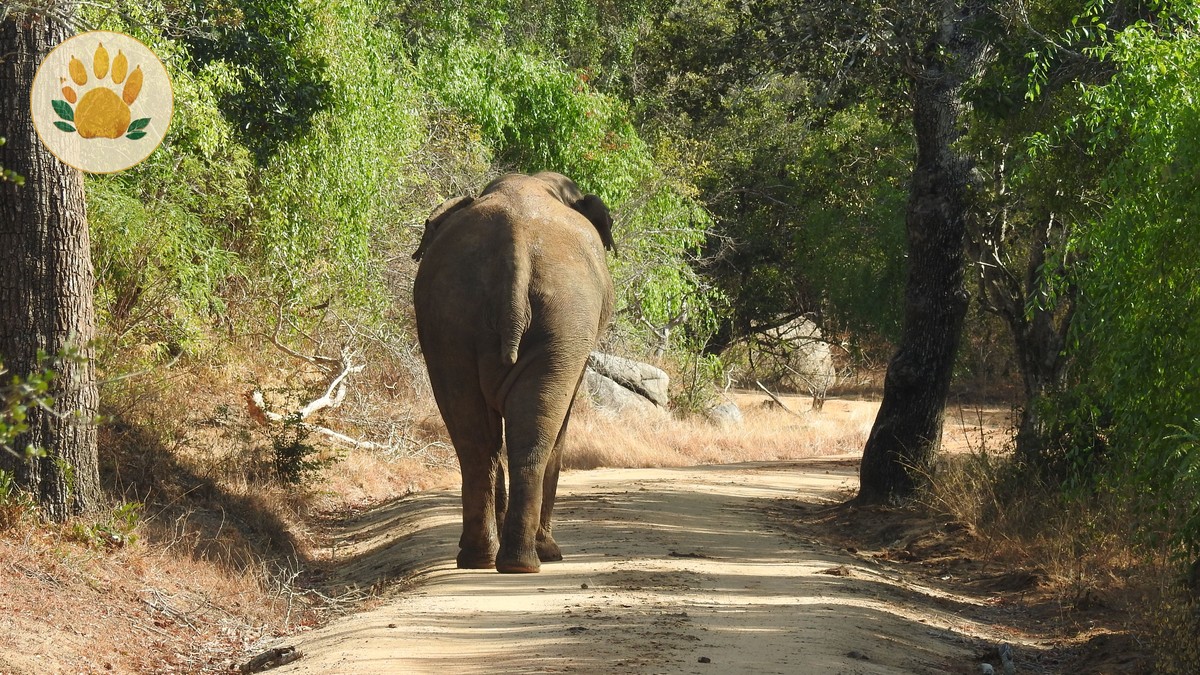
On foot you meet species differently than from a vehicle. Reticulated giraffe, Grevy’s zebra, and gerenuk are common daytime sightings across Loisaba and Il Ngwesi. Black and white rhino tracking on foot is a genuine draw at Lewa Wildlife Conservancy and Borana, both under close ranger supervision.
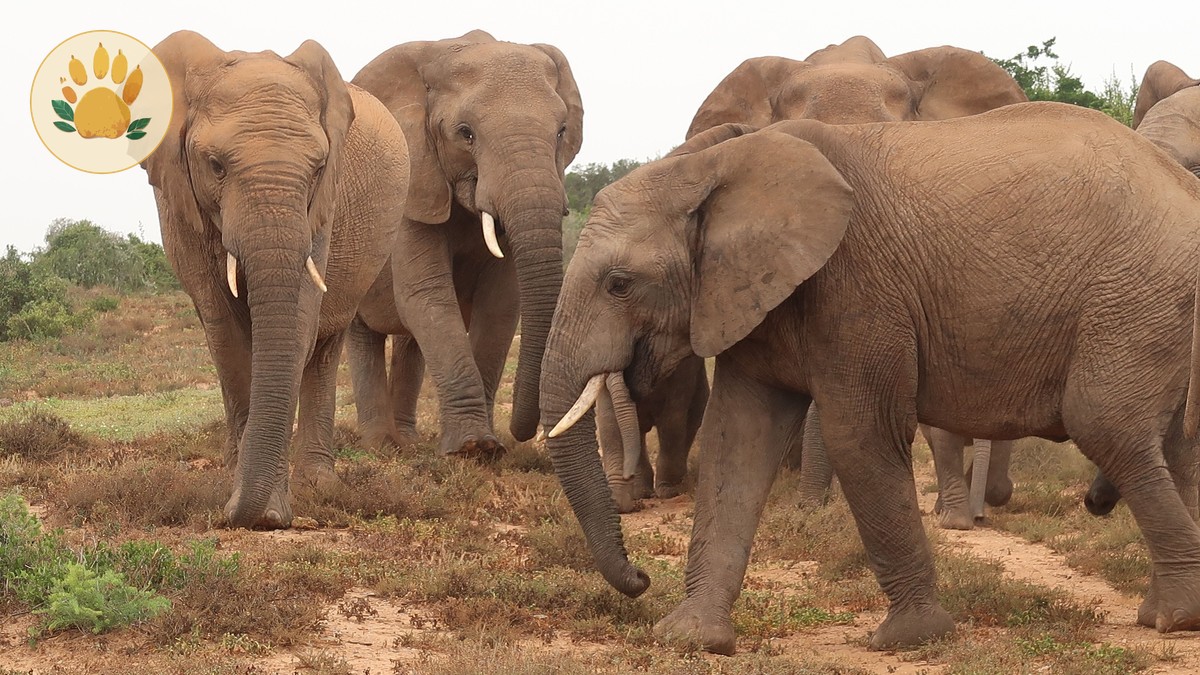
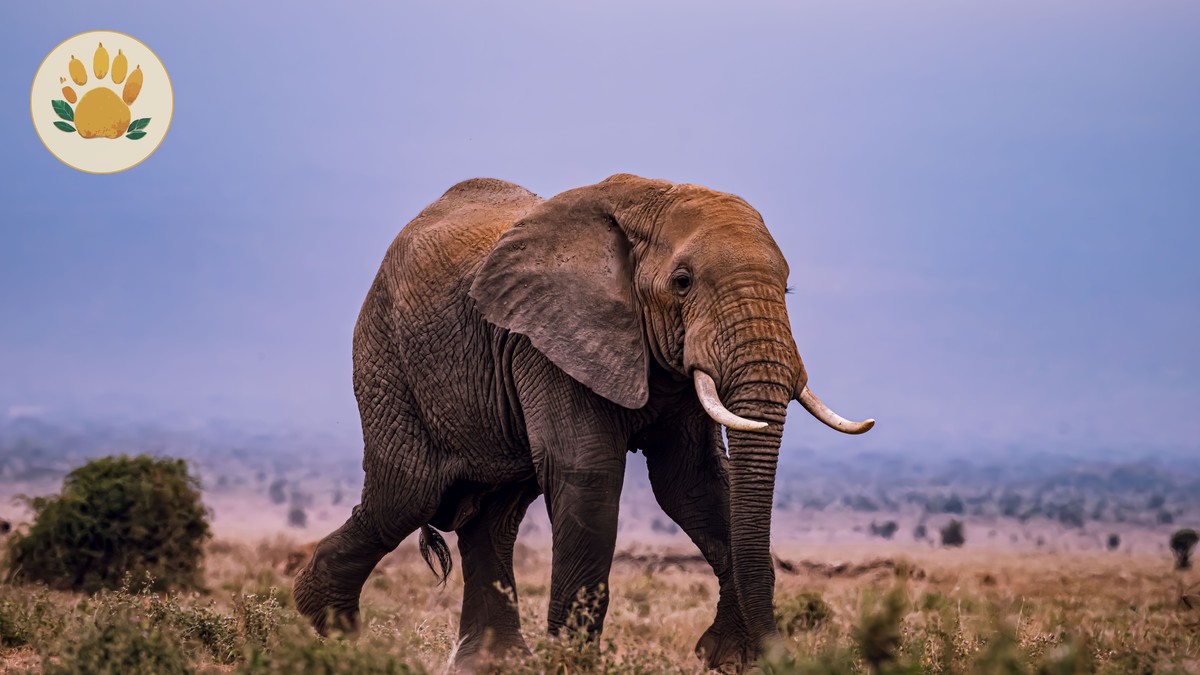
Leopard and lion sightings on foot are rarer and briefer by design. Guides keep distance and will not press an approach. Elephant encounters are more frequent, since Laikipia holds one of Kenya’s largest elephant populations outside the parks, and guides read wind direction constantly to avoid surprising a herd.
Guides, Trackers, and Safety
Every reputable walking operator in Laikipia pairs a KPSGA-qualified guide (Kenya Professional Safari Guides Association, silver or gold level for walking-rated guides) with an armed backup, usually a local ranger or community scout carrying a rifle as a last resort, not a first response.
Guides brief you before every walk: stay in single file, no sudden movement, no running, and follow instructions immediately if an animal is encountered at close range. For a fuller picture of what those protocols cover, see our guide on how safari guides handle dangerous wildlife on foot.
Group size on walks is usually capped at six to eight guests. Smaller groups move quieter and are easier to manage if wildlife closes distance unexpectedly.
Top Conservancies for Walking Safaris
Prices below are indicative, per person per night, all-inclusive rates in high season. Confirm current rates directly with each camp, since they change yearly.
| Conservancy / Camp | Distance from Nanyuki | Walking focus | Indicative rate (USD, high season) |
|---|---|---|---|
| Lewa Wilderness, Lewa Conservancy | 45 min drive | Rhino tracking, escarpment walks | 950-1,300 |
| Loisaba Tented Camp, Loisaba Conservancy | 1.5 hr drive | Multi-day mobile walking routes | 750-1,050 |
| Borana Lodge, Borana Conservancy | 1 hour drive | Rhino and elephant tracking | 900-1,200 |
| Il Ngwesi Eco-Lodge, Il Ngwesi Conservancy | 2 hour drive | Community-owned, guided bush walks | 350-550 |
| Ol Pejeta Bush Camp, Ol Pejeta Conservancy | 25 min drive | Short guided walks, rhino sanctuary | 450-650 |
Il Ngwesi sits apart on price because it is wholly community-owned, run by the Il Ngwesi Group Ranch, and channels lodge income directly into local schools and healthcare rather than covering the overhead of a larger private conservancy.
Mobile Camp Life
Multi-day walking routes, most commonly run at Loisaba and Borana, relocate camp daily or every second day. A small crew drives ahead, sets up canvas tents with real beds, and has a bucket shower and long-drop toilet ready by the time you arrive on foot.
Meals are cooked over a fire or gas burner and served at a folding table under a tree or open-sided mess tent. There is no wifi and usually no phone signal. Nights are quiet except for hyena calls and the occasional lion roar carrying across the valley.
When a Walking Safari Is the Wrong Call
Not every trip suits it. Most camps set a minimum age of 12 to 16 for walking, so families with young children should plan a vehicle-based safari instead, or split the itinerary. If your fitness struggles with 8 to 12km over uneven ground in heat, ask about shorter routes before booking, since not every camp offers them.
If your priority is guaranteed close predator sightings, a Mara conservancy with unlimited off-road driving will outperform Laikipia on foot every time. Walking trades certainty for depth. That is a fair trade for a second or third Kenya trip, less so for a first visit chasing the classic Big Five checklist.
Best Time of Year
June through October and January through February are driest, which means firmer ground and more comfortable walking. The long rains, roughly late March to May, turn black cotton soil to mud and make some routes impassable on foot. November’s short rains are lighter and often still walkable, with the bonus of thinner crowds.
The SafariPure Difference
We only book walking guides who hold KPSGA silver or gold qualification, and we confirm the armed backup arrangement with each camp before your dates are locked in, not after. We also tell clients honestly when a camp is not right for their fitness level or their children’s ages, even if it costs us the booking.
Every Laikipia itinerary we build blends walking mornings with vehicle-based afternoons, so you are never stuck choosing one mode for an entire trip. And because we work with conservancies directly, not resellers, the rates we quote match what the camp itself charges. For advice on vetting any operator before you commit, our piece on choosing an operator experienced in walking safaris covers the questions worth asking.
What to Pack
Walking safaris demand more from your kit than a drive-only trip. Sturdy ankle-support boots, worn in before you travel, matter more than anything else on the list. Our full what to pack for a walking safari guide covers layers, sun protection, and the small items guides say clients forget most often.
Plan It With Us
A Laikipia walking safari rewards patience and rewards planning even more. If the trade-offs above sound right for where you are in your Africa travels, we can build an itinerary around the conservancies, pace, and season that fit you. Visit our Laikipia walking safari page to see current departures, or get in touch through our contact page to start a conversation.