Most people who ask about black leopard sightings in Laikipia, Kenya already know the photograph. A leopard, coat black as wet basalt, walking through the grass at night with her eyes catching the flash. That image, taken by Will Burrard-Lucas in 2018, is the reason this corner of Kenya gets so many inquiries from photographers who want the same shot. Few of them get it. This guide gives you the honest version: where sightings actually happen, what your odds really are, and how many nights it takes to make the trip worthwhile even if the leopard never shows.
What Makes a Leopard Black
A black leopard is not a separate species. It carries a genetic condition called melanism, an excess of dark pigment that masks the normal rosette pattern. Look closely in strong light and you can still see the spots, faint shapes beneath the black coat, like a watermark. Melanism shows up in leopard populations worldwide but far more often in dense, low-light forest than in open savannah. That is what makes Laikipia unusual. It is dry, high-altitude bush, not rainforest, and yet it holds one of the few documented melanistic leopards anywhere in Africa.
The 2018 Photographs That Changed Everything
Wildlife photographer Will Burrard-Lucas spent months trying to confirm what local trackers had reported for years, a black leopard moving through the Laikipia bush at night. In February 2018 he set a camera trap on a game trail and got the frames that ran in National Geographic and went around the world. It was the first confirmed photographic record of a black leopard in Africa in roughly 100 years. Scientific interest followed quickly. Researchers wanted to know how a recessive gene tied to low-light forest habitats had persisted in an open, sunlit landscape like Laikipia.
Giza Mrembo: The Leopard Behind the Story
The leopard in those photographs became known locally as Giza Mrembo, Swahili for “beautiful darkness.” She was not a new arrival. Guides and researchers working with the Laikipia Wilderness Camp team had tracked signs of a black leopard in the area for years before the camera trap confirmed it. Giza has been identified in later sightings by her whisker spot pattern and scarring, the same method researchers use to individually identify any leopard. She is not the only melanistic leopard recorded in Laikipia since 2018, but she remains the most documented, and her territory is the reason this area, rather than any other part of Kenya, draws photographers specifically hunting for a black leopard.
Where to Look for Black Leopard Sightings in Laikipia, Kenya
Laikipia is not one reserve. It is a patchwork of private conservancies covering roughly 9,500 square kilometers north and west of Mount Kenya, each with its own access rules, guides, and vehicle policies. Sightings of melanistic leopards, including Giza’s territory, have concentrated around a specific stretch of conservancy land rather than being spread evenly across the region.
| Conservancy / Camp | Distance from Nanyuki | Typical fly-in access | Night drives allowed | Rate range (per person/night, all-inclusive) |
|---|---|---|---|---|
| Laikipia Wilderness Camp | ~90 km (2-2.5 hr drive) | Loisaba or Ol Malo airstrip | Yes, dedicated | USD 500-650 |
| Loisaba Conservancy | ~70 km (1.5-2 hr drive) | Loisaba airstrip, on-site | Yes | USD 450-700 |
| Borana Conservancy | ~50 km (1-1.5 hr drive) | Nanyuki or Borana airstrip | Yes | USD 500-750 |
| Lewa Wildlife Conservancy | ~85 km (2 hr drive) | Lewa Downs airstrip | Limited | USD 550-800 |
| Ol Pejeta Conservancy | ~20 km (30-40 min drive) | Nanyuki airstrip | Limited | USD 300-500 |
Rates above are indicative ranges gathered from typical camp pricing in 2025 and 2026, not fixed published tariffs, since most Laikipia camps quote per booking and season. Laikipia Wilderness Camp sits closest to Giza’s known territory and is the camp most guides associate with recent sightings, but no camp can promise the leopard. Nothing in this landscape is guaranteed. It is a wild animal moving through private, unfenced bush, not a resident on display.
How Rare Is a Sighting, Really
This is the question every operator’s website avoids. A single game drive, even a good one with an experienced tracker, gives you a low chance of seeing a melanistic leopard. Regular leopards themselves are hard enough, mostly nocturnal, solitary, and expert at staying out of sight. A black coat only makes them harder to spot after dusk, when your eyes rely on catching movement rather than color.
| Length of stay | Realistic odds of a sighting | Notes |
|---|---|---|
| Single day drive (no night drive) | Very low | Most black leopard sightings happen at night or dawn |
| 2-3 nights, day drives only | Low | Increases chance to see any leopard, not specifically a melanistic one |
| 4 nights, with 1-2 night drives | Moderate-low | Most visitors in this bracket still do not see Giza |
| 7-10 nights, daily night drives | Moderate | Best realistic window for a dedicated attempt |
Be honest with yourself about this table before you book. Most guests who stay three or four nights hoping to photograph the black leopard will not succeed, and no operator, including SafariPure, can change that math. What you can control is whether the rest of the trip holds up regardless. Pairing your search with a visit to Ol Pejeta Conservancy for rhino and chimpanzee sightings means the trip earns its cost even without the leopard.
Best Time of Year to Go
June through October is Laikipia’s main dry season, when grass is shorter and animals move more predictably to water. Visibility for tracking is at its best, and most camps report their strongest leopard activity during these months. A secondary, quieter window runs from January to March, before the long rains, when the bush is drier again after the short rains taper off. Avoid April, May, and November, the wettest months, when tracks wash out fast and night drives are sometimes cancelled for safety.
Planning a Trip Built Around the Search
If a black leopard sighting is your primary goal, plan for at least seven nights, split across two conservancies if possible, since different guiding teams share sighting information but track independently. Night drives are essential. Daytime sightings of any leopard are uncommon, and melanistic individuals are more active after dark. At Laikipia Wilderness Camp, a private night-drive vehicle runs around USD 350 per day, while a shared vehicle is closer to USD 100 per person per day, on top of base camp rates that start above USD 500 per person per day. These add-ons are the real cost of a dedicated search, and they are rarely spelled out clearly before booking.
Bring a guide who knows the specific territory. Laikipia’s conservancy guides log sightings and share notes across camps, and a guide who has tracked Giza before is worth more than any amount of gear. For photographers, a beanbag or low-profile mount matters more than a long lens here, since most sightings happen close, at low light, from a stationary vehicle.
Other Wildlife Worth the Trip
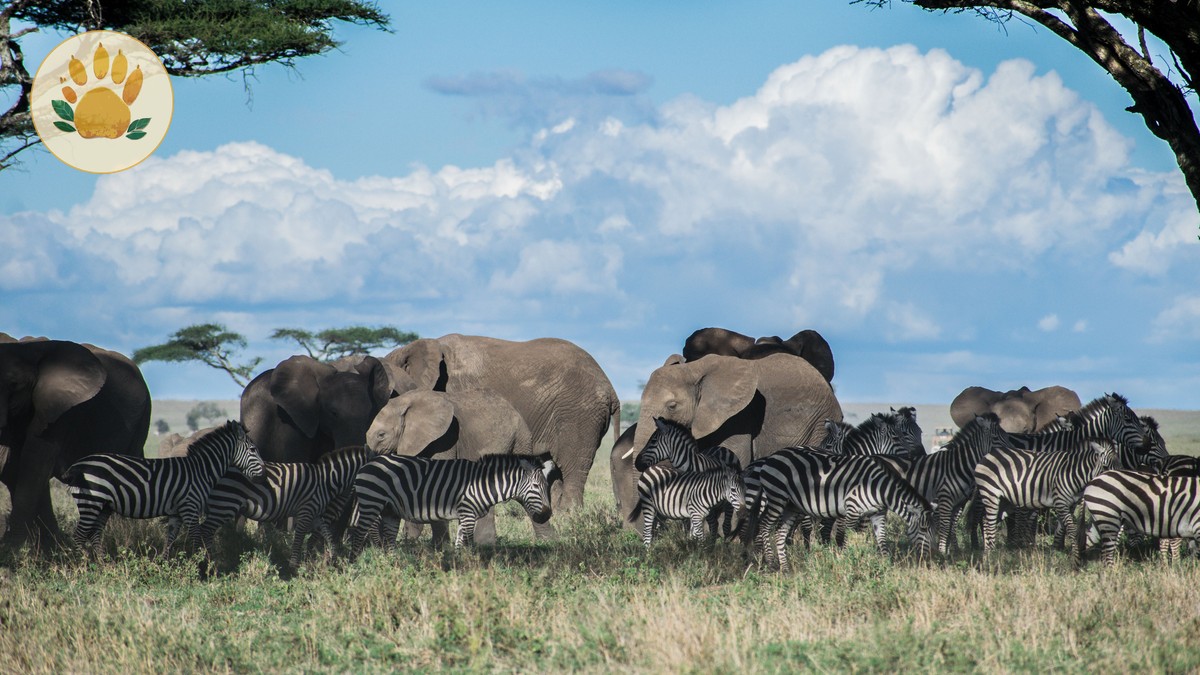
Laikipia holds more endangered and rare species per square kilometer than almost anywhere else in Kenya. Ol Pejeta protects the last two northern white rhinos on Earth alongside a healthy black rhino population. Lewa and Borana both hold strong Grevy’s zebra numbers, the rarest zebra species in Africa, in numbers comparable to Samburu’s population, covered in our similar rare-species sighting guide for Grevy’s zebra in Samburu. Wild dogs move through the conservancy corridors in packs of 15 to 20. And night drives, which are also how you’ll spot genets and civets, turn up sightings that most day-only safaris miss entirely. None of this replaces the black leopard as the headline draw, but it means a Laikipia trip rewards patience even on the nights the main subject stays hidden.
The SafariPure Difference
We do not sell a black leopard sighting, because no honest operator can. What we do is build itineraries around realistic odds instead of hopeful marketing. That means recommending seven to ten nights when the goal is genuinely the leopard, splitting time between Laikipia Wilderness Camp and a second conservancy, and pricing in night-drive add-ons upfront rather than as a surprise on arrival. We also make sure every day has value on its own, through Ol Pejeta’s rhino program, Grevy’s zebra tracking, or simply good bush walking with an experienced guide, so the trip stands on its own merits with or without Giza.
Frequently Asked Questions
Who is Giza Mrembo and is she still alive? Giza is the melanistic leopard photographed by Will Burrard-Lucas in Laikipia in 2018. She has been identified in sporadic sightings since, though sightings of any specific wild leopard become harder to confirm over years, and her current status should be checked with local conservancy guides before a trip.
How rare is a black leopard sighting in Kenya? Very rare. Laikipia is one of the only confirmed locations in Africa with a documented population, and even there, sightings depend on nighttime tracking over multiple nights.
Is Laikipia the only place in Africa to see one? It is the best documented location with confirmed photographic evidence. Isolated reports exist elsewhere in East Africa, but none are as consistently tracked.
Do you need a dedicated trip, or can you see one on a normal safari? A standard day-safari itinerary makes a sighting very unlikely. Night drives and a stay of at least four nights meaningfully improve your odds.
Plan Your Search With SafariPure
If Laikipia’s black leopard has you curious, we can help you weigh the odds honestly and build a trip around them. Visit our Laikipia conservancy tours page or reach out through our contact page to start planning.