This Ol Pejeta conservation activities list breaks down ten real activities, what they cost, and who each one suits. Ol Pejeta sits on the Laikipia plateau between Mount Kenya and the Aberdare Range, about 220 kilometers north of Nairobi. The drive takes three and a half to four hours. Many visitors fly to Nanyuki, then reach the gate in 15 to 20 minutes.
The conservancy covers roughly 90,000 acres, and the Equator crosses its southern boundary. It is a private ranch turned wildlife conservancy, not a Kenya Wildlife Service national park. That matters because entry follows conservancy rules, not the current national park fee list. Most first-time visitors come for rhino conservation, but the better plan is to treat the whole place as a working conservation project.
What’s on the Ol Pejeta conservation activities list?
The Ol Pejeta conservation activities list includes day and night game drives, lion tracking, rhino monitoring, guided bush walks, bird walks, photography sessions, and visits to endangered-species areas. Visitors can also add specialist experiences such as horseback safaris, depending on availability, age, riding ability, weather, and booking requirements.
The ten picks on this list are:
- Day game drive
- Ol Pejeta night game drive
- Rhino monitoring
- Northern white rhino visit
- Ol Pejeta lion tracking
- K9 anti-poaching unit
- Sweetwaters Chimpanzee Sanctuary
- Guided bush and bird walk
- Horseback safari
- Photography hide session
Which Ol Pejeta activities put rhino conservation first?
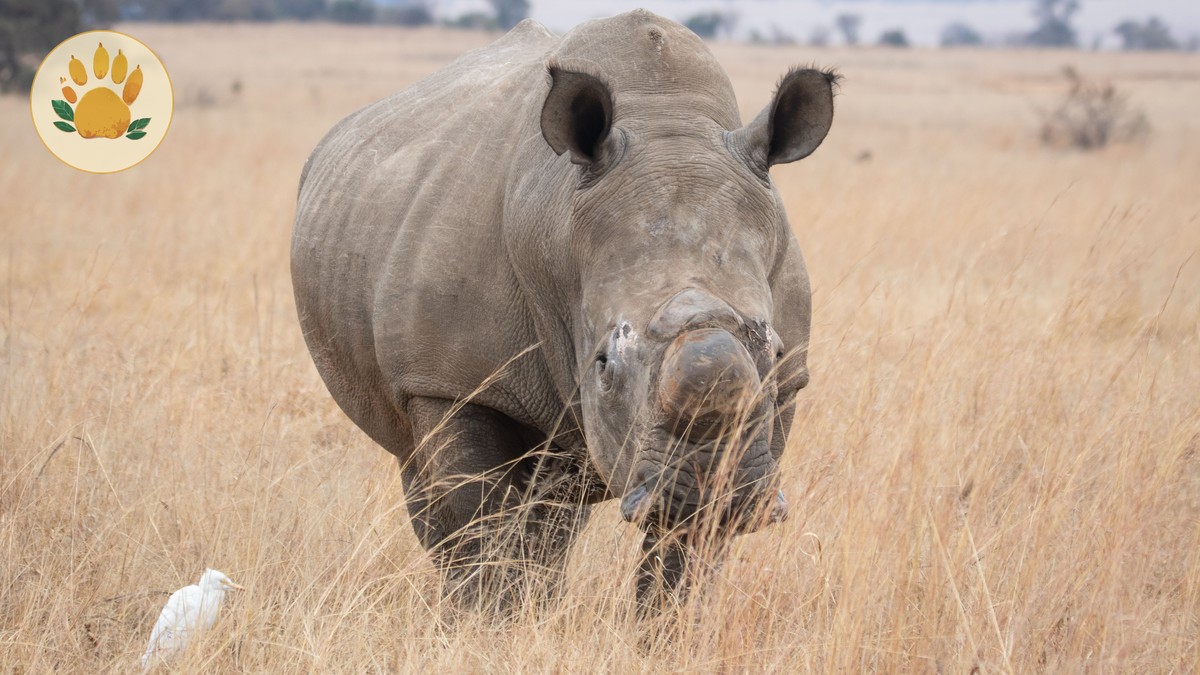
The strongest rhino-focused activities are rhino monitoring and identification, visiting the northern white rhinos, and learning how Ol Pejeta protects endangered species. These experiences connect visitors with rangers and keepers rather than offering only a wildlife sighting. Confirm current access and availability before travel because individual animals and programs can change.
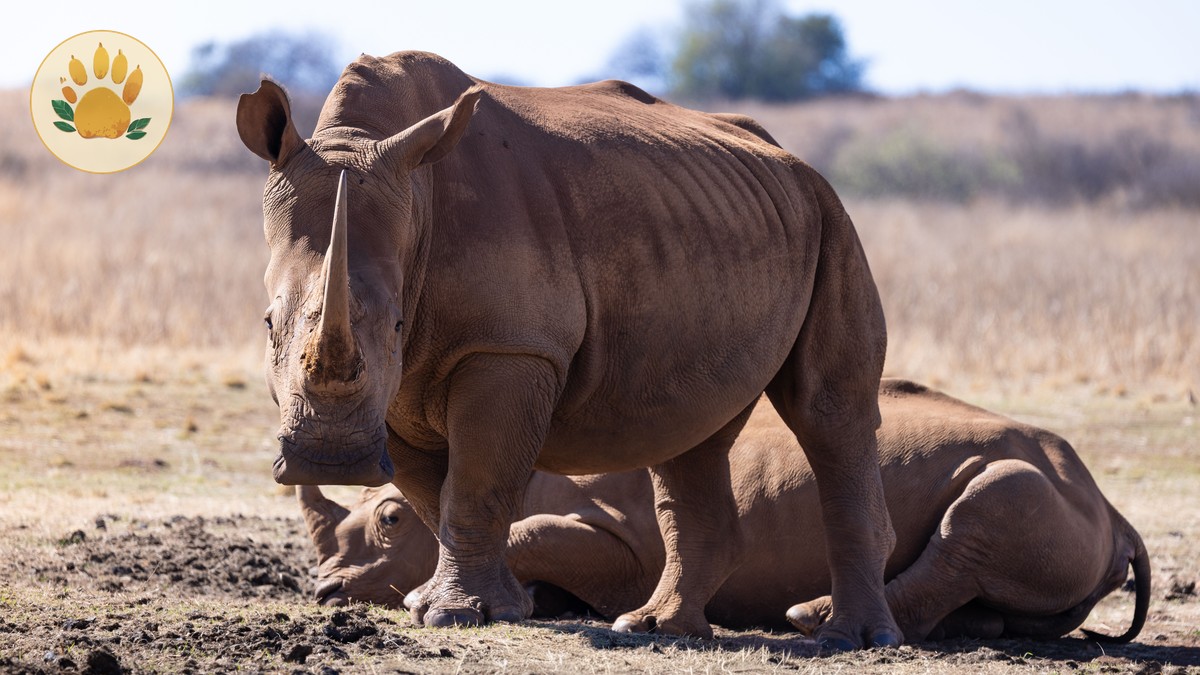
Rhino monitoring usually starts early. You ride out in an open vehicle with a ranger or researcher and help record ear notches, horn shapes, and body scars. The goal is not a quick photo. It is individual identification, the same data that gives Ol Pejeta one of the most closely watched black rhino populations in East Africa. For a separate look at what this experience typically runs, read our Ol Pejeta rhino tracking cost guide.
The northern white rhino visit is shorter and more emotional. A keeper explains the rescue story of the last northern whites, and you see the animals from a respectful distance. Book it ahead. Access rules can shift quickly.
Can you join Ol Pejeta lion tracking or the anti-poaching unit?
Yes. Visitors can join a lion tracking experience with a researcher or tracker and learn how radio collars, sightings, whisker spots, ear tears, and nose markings support ecological monitoring. The anti-poaching dog experience adds a security perspective through the K9 unit, where guests learn about trained bloodhounds and their handlers.
Ol Pejeta lion tracking is not a normal predator drive. You move slowly, the researcher reads the collar signal, and the group pieces together which pride member is where. It suits travelers who want to understand how a conservancy counts and protects lions.
The K9 demonstration is more public-facing. Handlers show how their patrol dogs follow a scent, stop a suspect, and work alongside rangers at night. Families love it. It is one of the more honest ways to explain why rhinos survive in areas where poaching pressure exists.
Is Sweetwaters Chimpanzee Sanctuary included in Ol Pejeta entry?
Yes, with one distinction. Sweetwaters Chimpanzee Sanctuary offers a chance to see rescued chimpanzees and learn about their daily care, rehabilitation, and lifelong protection. Ol Pejeta describes it as Kenya’s only chimpanzee sanctuary, while the behind-the-scenes version provides a more detailed keeper-led experience than a standard visit.
A standard visit is normally part of the day access arranged through your lodge or the gate. You watch the chimps from a defined viewing point while staff feed them and check their health. The behind-the-scenes add-on takes you closer to the keepers and their daily routine. It costs extra and needs advance booking. If you travel with children, this is often the highlight of a northern Kenya trip.
Are guided walks and horseback safaris worth adding at Ol Pejeta?
Guided bush and bird walks provide a slower alternative to game drives, with rangers explaining wildlife, tracks, habitats, and the conservancy’s landscape. Horseback safaris offer another perspective across designated areas and may include endangered-species habitat, but they require advance arrangement and depend on rider experience and weather conditions.
A bush walk usually lasts one to three hours. You cover short distances, stop often, and learn the small details that vehicles skip. Birders should ask for a bird-focused walk, especially in the acacia woodland near the rivers.
Horseback safaris are for confident riders. Ol Pejeta is not a horse ranch from an old movie. It is a serious bush environment, so your balance and control matter more than your passion for riding. Book through your camp and be honest about your skill level.
Photographers have a quieter option too. The photography hide near the water point gives eye-level views without engine noise. Sessions are time-limited, so plan around light. Our Ol Pejeta photography hide guide explains how the hide works and what to bring.
Which Ol Pejeta conservation projects can visitors experience?
Conservation education activities include expert conservation talks, school programs, Junior Ranger experiences, virtual classroom resources, and hands-on learning about wildlife protection. Ol Pejeta also highlights community partnerships and sustainable cattle ranching, showing how tourism, livestock, local livelihoods, research, and habitat management operate within one conservation model.
The cattle program is easier to appreciate than most visitors expect. Ol Pejeta keeps a commercial herd alongside its wildlife, which pays for rangers and fence maintenance. Ask for a short conservation talk during your stay. A ranger will walk you through the budget, the patrol maps, and the data that shapes daily decisions.
For repeat Kenya visitors, this part often matters more than another lion sighting. You are no longer just watching wildlife. You are seeing how one conservancy pays for itself without donor fatigue.
How much do Ol Pejeta conservation activities cost?
Specialist experiences at Ol Pejeta are commonly booked separately from the standard game drives, with third-party guidance putting many around USD 70 per person, so verify current prices directly before paying. Choose among them by the experience you want: game drives for broad wildlife viewing, rhino monitoring for endangered-species learning, lion tracking for research, the K9 unit for anti-poaching, and chimpanzee visits for primate conservation.
Ol Pejeta is a private conservancy, so the October 2025 Kenya Wildlife Service fee increases do not set its entry price. Day access and lodge rates follow the conservancy’s own structure. If you stay inside Ol Pejeta, your nightly rate usually bundles the main game drives and conservancy access. The specialist experiences below are normally added on top.
| Activity | Why it earns a place | Typical time | Price and booking clue |
|---|---|---|---|
| Day game drive | Broad wildlife viewing, black rhino and predators | 3-4 hours | Usually included in a lodge or private guide rate |
| Ol Pejeta night game drive | Nocturnal species and after-dark predators | 2-3 hours | Separate booking, confirm vehicle rules |
| Rhino monitoring | Individual ID and research work | 2-3 hours | Separate specialist activity, near USD 70 pp indicative |
| Northern white rhino visit | Direct update on the last northern whites | 45-90 minutes | Book ahead, access can change |
| Ol Pejeta lion tracking | Radio-collar research with a tracker | 2 hours | Separate activity, confirm availability |
| K9 anti-poaching unit | Meet patrol bloodhounds and handlers | 45-60 minutes | Family-friendly, separate activity |
| Sweetwaters Chimpanzee Sanctuary | Rescued chimps and keeper routines | 1-2 hours | Standard visit included, behind-the-scenes costs more |
| Guided bush or bird walk | Plants, tracks, birds and small wildlife | 1-3 hours | Usually with a lodge guide |
| Horseback safari | Slow ride through designated habitat | 1-2 hours | Advanced booking, riders only |
| Photography hide | Eye-level waterhole images | 1-2 hours | Separate add-on with a time slot |
For a planner that includes lodging, guiding, and transfers, use our Ol Pejeta safari cost breakdown. It is a better tool for budgeting than a single table row.
The SafariPure Difference
At SafariPure, we plan private Kenya itineraries for travelers who have already seen the Masai Mara and want more from the north. We use Ol Pejeta well, with enough time for rhino monitoring and lion tracking, but not so much that the landscape starts to feel repetitive. SafariPure builds each day around ranger schedules, current access rules, and the way you actually like to travel. We also compare Ol Pejeta with Lewa or Naboisho in the same conversation, so you can make one informed choice instead of guessing from brochures.
Which Ol Pejeta activities suit your safari style?
Start with a standard day game drive and one night drive if this is your first Laikipia safari. You will see the range of wildlife, and the night drive will show you a side that the daytime misses.
If you are returning to Africa and want a conservation-focused safari, make rhino monitoring and lion tracking the center of your stay. They are slower, more intellectual, and more memorable than an ordinary predator sighting.
If you are traveling with children, book the K9 unit and make time for Sweetwaters Chimpanzee Sanctuary. If you are a photographer, reserve a session in the photography hide and keep your lens ready at the equator line.
When you know your pace, tell SafariPure. We will book the dates, arrange the specialist activities, and leave room for the unplanned sightings that make this conservancy special. Start planning on our contact page.