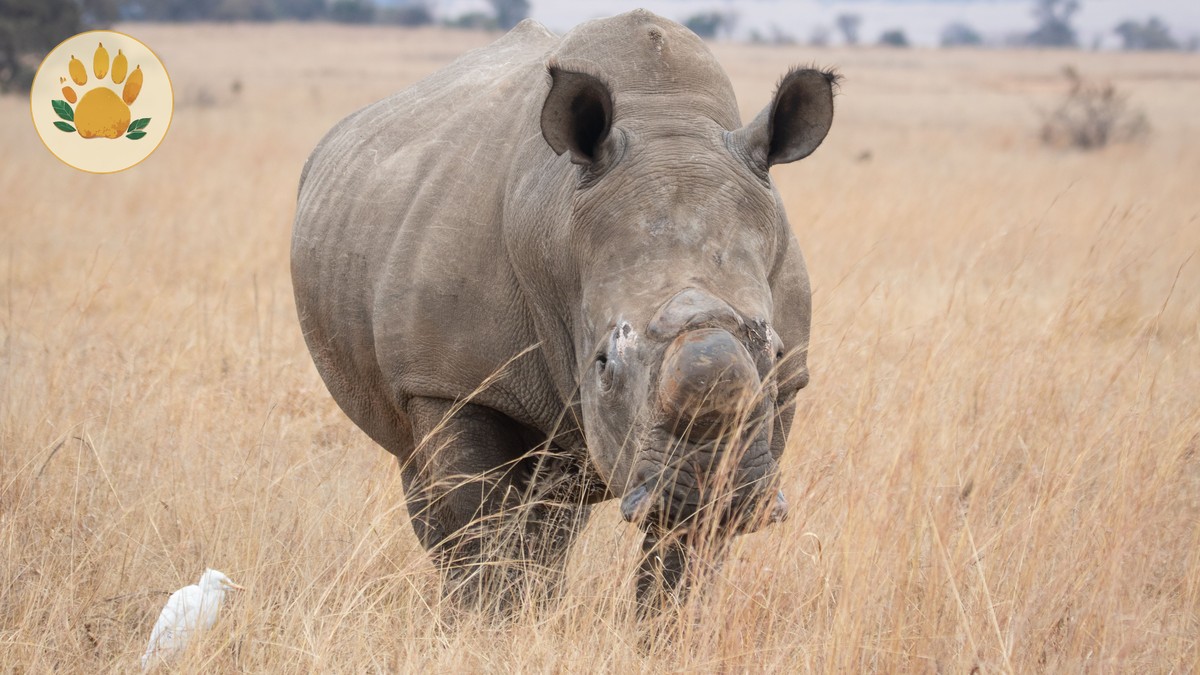
If you have already done the Masai Mara and are looking past the obvious circuit, Ngulia Rhino Sanctuary in Tsavo West National Park is worth a proper look. It is not a theme-park enclosure. It is a fenced, actively managed section of wild bush where Kenya has spent nearly forty years rebuilding a black rhino population that poaching almost wiped out. This Ngulia Rhino Sanctuary Tsavo guide covers what the sanctuary actually is, what it costs in 2026, and how to fit it into a wider Tsavo trip without wasting a day chasing a sighting that may not happen.
What Ngulia Rhino Sanctuary Is
Ngulia sits inside Tsavo West National Park, in the hilly, thicket-covered country below the Ngulia Hills. It is a fenced sanctuary rather than open savanna, built specifically to protect the eastern black rhino (Diceros bicornis michaeli) from poachers while still giving the animals a large, natural range to browse in.
Reported figures vary a lot between operator websites, from roughly 70 to over 150 rhinos, and sanctuary size quoted anywhere from about 80 to 92 square kilometers. Treat any single number you read online with caution. Kenya Wildlife Service (KWS) is the authoritative source for current population counts, and we recommend checking with them or your operator directly before you travel, since these figures shift as rhinos are born, die, or get relocated to seed other sanctuaries.
Ngulia is one of several fenced rhino sanctuaries in Kenya, alongside Lake Nakuru National Park and the private Solio Ranch in Laikipia. If you want to compare your options before deciding where to go, our guide to the best places to see black rhino in Kenya lays out the trade-offs between all three.
History and Conservation Story
Tsavo once held one of the largest black rhino populations on the continent, estimated at several thousand animals in the 1960s. Organized poaching for the horn trade during the 1970s and 1980s collapsed that number to a small remnant. KWS established the Ngulia Rhino Sanctuary in 1986, fencing off a defensible core area and moving surviving rhinos in under armed protection.
The recovery since then has been slow and deliberate, which is the nature of rhino conservation. Black rhino cows carry a calf for about 15 months and typically produce one calf every two to three years. Ngulia’s role has expanded beyond its own fence line. Rhinos bred here have been used to restock other sanctuaries in Kenya, making it one of the country’s working rhino nurseries, not just a display population.
Getting There from Nairobi or Mombasa
Ngulia is inside Tsavo West, reached most commonly through the Mtito Andei Gate off the Nairobi-Mombasa highway, or the Tsavo Gate for those coming up from the coast.
| Route | Approx. distance | Approx. drive time | Notes |
|---|---|---|---|
| Nairobi to Mtito Andei Gate | 230 km | 3.5-4 hours | Tarmac highway, then park roads |
| Mtito Andei Gate to Ngulia area | 45 km | 1-1.5 hours | Murram park roads, slower going |
| Mombasa to Tsavo Gate | 200 km | 3-3.5 hours | Tarmac highway, then park roads |
| Nairobi (Wilson Airport) to Kilaguni airstrip | n/a | 45-55 min by light aircraft | Then 30-40 min road transfer to Ngulia area |
Self-drive is possible with a 4×4, but most repeat visitors flying into Kilaguni or driving up from a Mombasa beach stay will do better booking through a lodge or operator who knows the current road conditions, since sections can wash out in the long rains.
Wildlife You Can See
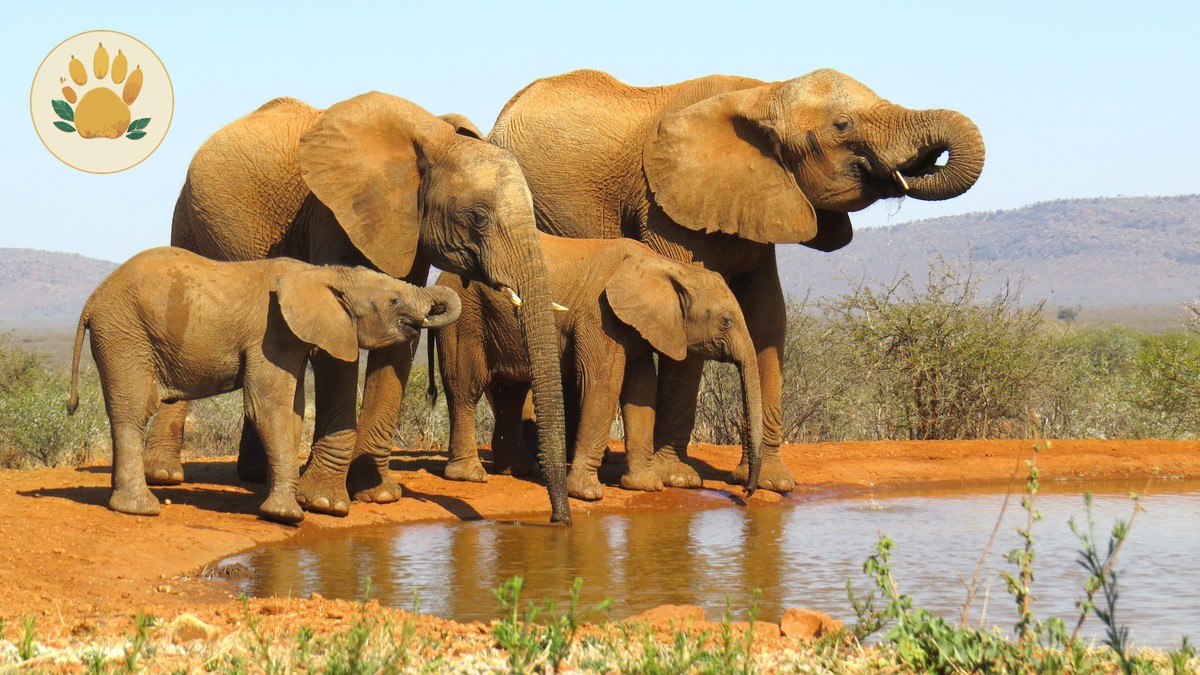
Beyond black rhino, Tsavo West around Ngulia holds a good cross-section of the park’s usual residents: elephant, buffalo, lion, leopard, and healthy numbers of giraffe and plains game. The Ngulia Hills themselves are known among birders for raptors and, during the November to December migration, for the huge nocturnal fallout of Palearctic migrant birds drawn in by the lights at Ngulia Safari Lodge. If birding is part of your interest, this is one of the more productive corners of Tsavo for it.
Rhino Viewing Realities at Ngulia Rhino Sanctuary Tsavo
Here is the part most pages gloss over. Black rhinos are browsers, not grazers. They feed on shrubs and low branches in thick bush, and they are largely solitary and most active at night and in the early morning. Ngulia’s terrain is hilly and covered in dense vegetation, which is exactly the kind of habitat that hides a two-tonne animal remarkably well.
That means a sighting inside the sanctuary is a real possibility on a game drive, but it is not guaranteed, even with a healthy population inside the fence. Guides who work the area regularly will tell you honestly that persistence, a slow pace, and good timing matter more than luck. If you visit expecting a certain sighting the way you might expect lions in the Mara, you should adjust that expectation before you go.
The best strategy is an early morning or late afternoon drive with a guide who knows current rhino movement patterns, combined with realistic time in the vehicle rather than a rushed pass-through.
Best Time to Visit
Dry season, from late June to October and again from January to February, gives you thinner vegetation and better visibility for spotting rhino in the bush. The long rains from March to May thicken cover and can make some park roads difficult. The short rains in November bring green scenery and fewer vehicles, which suits repeat visitors who have already done a classic dry-season safari and want quieter roads.
Where to Stay Near Ngulia Rhino Sanctuary
| Lodge | Location | Price tier (indicative, per person/night) | Notes |
|---|---|---|---|
| Ngulia Safari Lodge | On a ridge above the sanctuary | Mid-range, roughly USD 150-250 | Closest lodge to the rhino sanctuary, known for the migrant bird fallout |
| Rhino Valley Lodge | Near Ngulia Hills | Mid-range, roughly USD 120-200 | Smaller, tented option close to rhino country |
| Kilaguni Serena Safari Lodge | Central Tsavo West, near Mzima Springs | Upper mid-range, roughly USD 250-400 | Good base for combining rhino, elephant, and Mzima in one loop |
Treat these as indicative ranges rather than fixed rates. Rates shift by season and change year to year, so confirm current pricing with the lodge or your operator before booking.
Entrance Fees and Costs
Tsavo West is a KWS national park, and KWS raised non-resident park fees in October 2025. Current non-resident entrance is USD 80 per adult per day for Tsavo West, which covers access to the Ngulia Rhino Sanctuary since it sits inside the park boundary. There is no separate gate fee specific to the sanctuary itself. Some operator sites still quote older, lower figures, so check with KWS or your operator for the exact current rate before you budget the trip. Resident and East African citizen rates are lower and should be confirmed separately.
One operator update from late 2025 also referenced a sanctuary boundary expansion completed in December 2025. We have not been able to independently confirm the new size figure, so ask your operator for the current boundary and fenced area before you travel rather than relying on any single published number, including ours.
Activities at Ngulia
Game drives inside the fenced sanctuary are the main way to look for rhino, usually done in early morning or late afternoon light. Walking safaris are not permitted inside the rhino sanctuary itself, for the same reason most rhino sanctuaries in Kenya restrict foot access: a startled rhino at close range is dangerous, and the fence exists to manage exactly this kind of risk. Guided walks are possible in other parts of Tsavo West with a licensed guide, just not inside the rhino fence line.
A viewing platform overlooking a waterhole near Ngulia Safari Lodge gives guests a chance to watch animals, including rhino on occasion, come to drink, particularly useful in the dry season when water is scarce. Access is generally included for lodge guests rather than bookable as a standalone activity, so confirm with the lodge directly.
For photography, the dense bush that makes rhino hard to spot also makes for atmospheric, textured images when you do get a clear view. A slower drive with more stops beats a fast loop trying to cover ground.
Many repeat visitors pair Ngulia with Mzima Springs, about an hour’s drive away, where you can pair it with Mzima Springs on the same Tsavo West day to watch hippo and crocodile from an underwater viewing chamber. It is a natural add-on that breaks up a rhino-focused morning with something completely different in the afternoon.
The SafariPure Difference
We do not send you to Ngulia with a vague promise of guaranteed rhino sightings. We tell you the honest odds, brief you on the terrain, and build a schedule around the hours when sightings are more likely, not just when it is convenient to drive. Our guides know current rhino movement in the sanctuary because they are in the park regularly, not working from outdated blog posts.
We also think in terms of the whole trip, not one stop. If you have already covered the Mara and want to add Samburu, Laikipia, or a coastal Kaya forest to a longer Kenya itinerary, we can help you fit Ngulia into a combined Tsavo itinerary that makes geographic sense rather than a checklist of parks.
FAQs
Is Ngulia Rhino Sanctuary worth visiting? Yes, particularly if you have already seen the Mara’s big cats and want a deeper look at conservation history alongside general Tsavo game viewing. Go with realistic expectations about the rhino sighting itself.
How much does it cost to visit Ngulia Rhino Sanctuary? Entry is covered by the standard Tsavo West KWS gate fee, currently USD 80 per adult per day for non-residents as of the October 2025 fee update. There is no extra charge specific to the sanctuary.
Are rhino sightings guaranteed at Ngulia Rhino Sanctuary? No. Black rhinos are solitary, mostly nocturnal browsers in thick bush, so sightings depend on timing, guide knowledge, and some luck, even with a healthy population inside the fence.
How many rhinos live in Ngulia Rhino Sanctuary? Published estimates vary widely, from roughly 70 to over 150. Ask KWS or your operator for the current confirmed count rather than relying on any single online source.
What is the best time of day and season to visit for rhino viewing? Early morning and late afternoon drives during the dry season, June to October or January to February, when vegetation is thinner and visibility is better.
How do you get to Ngulia Rhino Sanctuary from Nairobi or Mombasa? By road from Nairobi via the Mtito Andei Gate, about 3.5 to 4 hours, or from Mombasa via the Tsavo Gate, about 3 to 3.5 hours. Flying into Kilaguni airstrip is faster if your schedule is tight.
Where can you stay near Ngulia Rhino Sanctuary? Ngulia Safari Lodge and Rhino Valley Lodge sit closest to the sanctuary. Kilaguni Serena Safari Lodge is a good central base if you are combining rhino viewing with Mzima Springs.
Can you walk in Ngulia Rhino Sanctuary, or is it drive-only? It is drive-only inside the fenced rhino sanctuary. Walking safaris are available elsewhere in Tsavo West with a licensed guide.
Is Ngulia Rhino Sanctuary safe and suitable for families? Yes, with the usual safari precautions. Game drives stay inside vehicles, and the sanctuary fence adds a layer of protection not present in open park areas.
How does Ngulia compare to Lake Nakuru or Solio for rhino viewing? Lake Nakuru is smaller and more open, which generally makes sightings easier. Solio is private and known for high density. Ngulia’s dense bush makes for a harder but more natural search, closer to how rhinos actually live in the wild.
How big is Ngulia Rhino Sanctuary and how is it fenced? Sources vary, quoting figures between about 80 and 92 square kilometers, with an unverified expansion reported for December 2025. It is enclosed by an electrified perimeter fence designed to keep rhinos in and poachers out.
What is the Ngulia Rhino Viewing Platform and can you book it? It is a waterhole viewing point near Ngulia Safari Lodge, generally accessible to lodge guests. Confirm current access directly with the lodge before your stay.
Plan Your Visit
Ngulia rewards patience more than speed, and it fits naturally into a wider Tsavo itinerary rather than standing alone as a single stop. If you would like help building a Tsavo West route around the sanctuary, Mzima Springs, and the rest of the park, get in touch through our contact page and we will help you plan the trip properly.