If you have already done the Masai Mara National Reserve, seen the wildebeest crossings, and ticked off Samburu or Laikipia, Nashulai is worth a slower look. It is the first conservancy in Kenya owned entirely by the Maasai community that lives on it, not leased from individual landowners by outside operators. That single fact changes how the place works, and how it feels to visit.
This Nashulai community conservancy guide gives you the numbers most sources leave out: current entry fees, driving directions from Sekenani Gate, and a straight comparison between Nashulai’s two camps.
Nashulai Community Conservancy Guide: What Makes It Different
Most Mara conservancies, including Mara North, Naboisho, and Olare Motorogi, work on a leasehold model. Safari operators and lodges pay individual Maasai landowners for grazing and tourism rights, then manage the land through a conservancy trust.
Nashulai flips that structure. The land stays in the hands of the roughly 250 Maasai families who live there. There is no fencing off of a “tourism zone” separate from grazing land. Livestock, wildlife, and visitors share the same open ground, managed together under one commons-based agreement.
Estimates of the conservancy’s size vary across sources, from around 5,000 to 10,000 acres. Nashulai’s own materials most often cite roughly 6,000 acres, so treat any figure above that as an approximate upper range rather than a confirmed number.
The Founding Story: Nelson Ole Reiya
Nashulai was founded in 2016 by Nelson Ole Reiya, a Maasai conservationist born in the area. He grew up watching subdivided land and fenced plots push wildlife corridors closed across the wider Mara ecosystem.
His pitch to fellow landowners was unusual for the time. Instead of leasing to an outside company, keep the land as a commons, remove internal fences, and share tourism income and grazing rights across the whole community. It took years of negotiation with local elders and families before the conservancy formally launched.
That origin story is the one most other articles on Nashulai lead with, and it is worth knowing. But it does not tell you what a trip actually costs or how to get there, which is where most of those pages stop short.
The Commons Model: Fenceless Grazing and a Wildlife Corridor
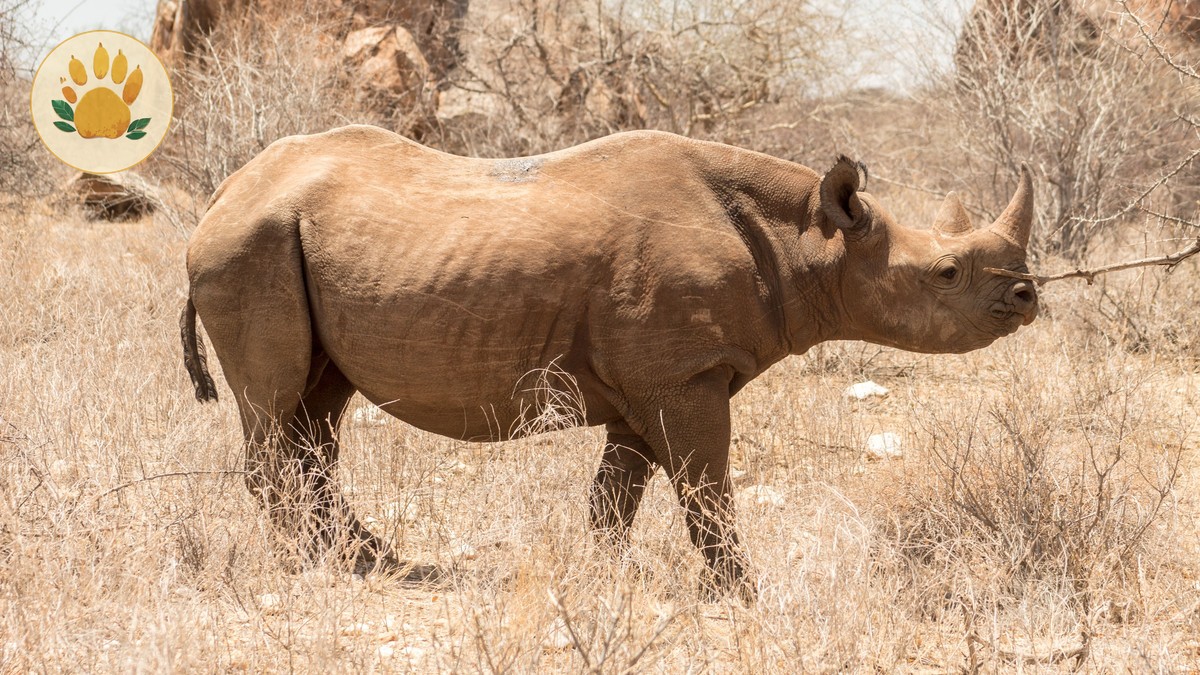
Nashulai sits along a key wildlife corridor connecting the Masai Mara National Reserve to conservancies further north. Because there are no internal fences, wildlife moves freely across grazing land shared with community livestock.
This matters for the Great Migration. Nashulai’s land forms part of the route wildebeest and zebra use as they move between the reserve and surrounding conservancy land. This matters most outside the peak July to October crossing season. Sightings here are less dense than inside the reserve at migration peak, but the corridor stays active for resident wildlife year-round, including lion, elephant, and giraffe.
Community Benefits Beyond Tourism
Nashulai reinvests conservancy income into programs most visitors never see from a game drive vehicle. These include ranger training for local Maasai and a women’s economic empowerment program built around beadwork and livestock cooperatives. They also include scholarships for local children and a river cleanup initiative along the Mara River tributaries that cross the conservancy.
Guides at Nashulai are drawn from the local community. Questions about grazing rights, plant use, or family life get answered by someone who actually lives that answer, not a script.
Where to Stay: Wageni vs Oldarpoi
Nashulai has two camps, and they serve different budgets and different trips.
Wageni Camp is the higher-end option, with en-suite tented rooms, a small guest capacity, and rates that reflect a fuller-service Mara stay, generally in the same band as other high-end tented camps in the wider ecosystem.
Oldarpoi Mara Camp is the mid-range, community-run tented option. Rooms are simpler, shared facilities are more common, and rates sit well below Wageni and below most private conservancy lodges elsewhere in the Mara.
Neither camp publishes a fixed nightly rate that holds steady year-round, so treat both as indicative bands and confirm current pricing before booking.
| Option | Type | Approx. price band (per person/night) | Best for |
|---|---|---|---|
| Wageni Camp | High-end tented | USD 250-450 | Comfort, first Nashulai stay |
| Oldarpoi Mara Camp | Mid-range tented | USD 100-180 | Budget-conscious, longer stays |
| Naboisho / Mara North lodges | Private conservancy | USD 80-150 conservancy fee alone, plus lodge rate | Comparison baseline |
Visitor Experiences: Walking Safaris, Night Drives, and Culture
Because Nashulai is not bound by national reserve rules, activities banned inside the Masai Mara National Reserve are allowed here. Walking safaris with an armed Maasai guide are a signature activity, letting you read tracks and dung at a pace no vehicle allows.
Night drives are also permitted. That’s a real draw for repeat visitors who have already done daytime reserve drives and want a chance at nocturnal species like aardvark, genet, or hunting hyena. Homestay and cultural visits to a working Maasai boma are arranged directly with resident families, not through a separate cultural village. That makes the exchange feel less staged.
How to Get There: From Sekenani Gate
Nashulai borders the Masai Mara National Reserve near Sekenani Gate, on the reserve’s eastern side. Most visitors combine it with a wider Mara itinerary rather than visiting on its own.
From Nairobi, the drive covers roughly 270 km and takes 5 to 6 hours on a mix of tarmac and murram road. Travel time depends on the condition of the Narok to Sekenani stretch. From Sekenani Gate itself, Nashulai’s camps are a short 20 to 30 minute drive along conservancy tracks.
Budget travelers can reach Narok town by matatu from Nairobi’s Ronald Ngala area for roughly KES 500 to 800. From there, shared transport toward Sekenani costs a further KES 200 to 500. Schedules are irregular, so a private transfer is more reliable if you need a fixed arrival time. Most repeat visitors booking through an operator use a road transfer or fly into a nearby Mara airstrip and drive the final stretch. This is similar to the logistics covered in our guide to transfer options into the Masai Mara.
| Route segment | Distance | Drive time | Approx. cost |
|---|---|---|---|
| Nairobi to Narok | 145 km | 2.5-3 hours | Matatu KES 500-800 |
| Narok to Sekenani Gate | 125 km | 2.5-3 hours | Shared transport KES 200-500 |
| Sekenani Gate to Nashulai camps | 15-20 km | 20-30 minutes | Included in camp transfer |
| Full private transfer, Nairobi to Nashulai | 270 km | 5-6 hours | USD 150-300/person, organized tour |
Entry Fees and Visiting Costs
Nashulai’s conservancy fee is separate from any Masai Mara National Reserve entry fee, and separate from your camp rate. As of our last verification, non-resident visitors pay USD 60 per person per day from January through June, rising to USD 80 per person per day from July through December during peak season. Kenyan residents pay KES 1,500 in low season and KES 3,000 in high season.
That is meaningfully lower than the Masai Mara National Reserve’s own non-resident rate. The Narok County Government set that rate at USD 100 per adult per day from January to June, and USD 200 per adult per day from July to December 2025 onward. If you are planning a multi-stop Mara trip, it is worth reading how Nashulai’s fees compare to other Mara conservancy and reserve fees before you build your budget.
A day visit without an overnight stay is possible if arranged in advance with a camp. Still, most visitors combine Nashulai with at least one night to make the drive worthwhile.
Nashulai vs Other Mara Conservancies
| Conservancy | Ownership model | Approx. size | Non-resident fee | Fenced from livestock? |
|---|---|---|---|---|
| Nashulai | Community-owned commons | ~6,000 acres | USD 60-80/day | No |
| Mara North | Leasehold, private operators | ~74,000 acres | USD 80-150/night, lodge-bundled | Partial |
| Ol Kinyei | Leasehold, single-operator model | ~18,000 acres | USD 80-150/night, lodge-bundled | Yes, tourism zoned |
| Olare Motorogi | Leasehold, multiple lodges | ~35,000 acres | USD 80-150/night, lodge-bundled | Partial |
Nashulai is smaller and less exclusive than these neighbors. What it offers instead is a direct look at how a Maasai community runs conservation on its own terms, without a tourism company setting the rules.
If you are still deciding how long to spend in the ecosystem overall, our piece on how many days you need in the Masai Mara is a useful starting point. Read it before adding Nashulai to the plan.
The SafariPure Difference
We do not send every repeat client to the same three conservancies. If you have already done a classic Mara circuit, we will tell you honestly whether Nashulai fits your interests, your budget, and your appetite for a rougher access road. We will not upsell it just because it sounds unique. We check current fee schedules and camp availability directly before quoting, so the numbers in your itinerary match what you actually pay on arrival.
Plan Your Visit
Nashulai rewards travelers who want a genuine community angle on conservation, not just another game drive. If this fits the next stage of your Kenya trip, get in touch through our Maasai Mara tours page and we will help you build an itinerary around it.