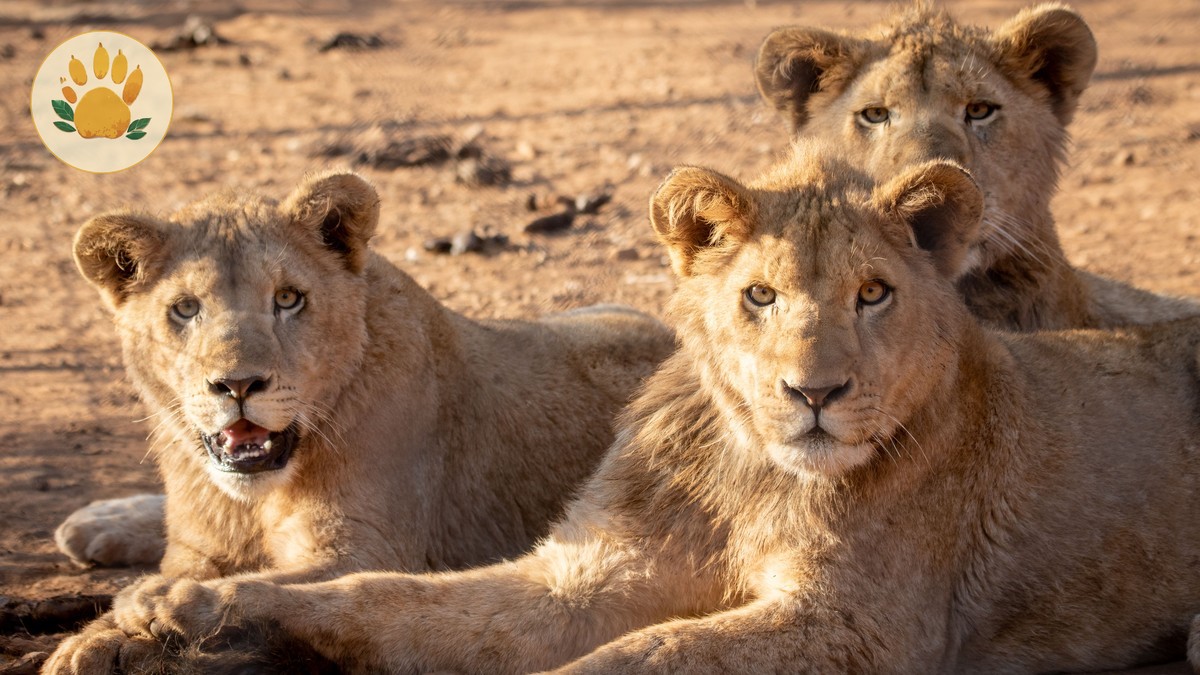
Short answer: not really, and not reliably. Aberdare National Park sits in Kenya’s central highlands, about 160 km north of Nairobi, and it is often listed as a Big Five park. That label is misleading, and questions about lions in Aberdare National Park deserve a straight answer. Lions have not held a stable breeding pride there for decades. If you are planning a trip and lions matter to you, you need the real picture before you book.
This guide gives you that picture. It covers what actually happened to Aberdare’s lions, what you will see instead, and where nearby to go if a lion sighting is non-negotiable for your trip.
Lions in Aberdare National Park: The Big Five Question
Most listings quote Aberdare as a Big Five destination. Technically, all five species have been recorded within the park’s boundaries at some point. But “recorded” is not the same as “present and viewable.”
Elephant, Cape buffalo, black rhino and leopard are consistently seen at Aberdare, especially around the moorland and the salt licks near the tree lodges. Lions are the outlier. Sightings happen, but they are sporadic, involve transient males passing through, and cannot be planned around. A safari guide who tells you Aberdare is a lion park is setting you up for disappointment.
If a guaranteed Big Five sighting is the goal, Aberdare should not carry that label on your itinerary. Treat it instead for what it excels at: forest scenery, waterhole viewing, and species you will not easily find elsewhere in Kenya.
What Happened to Aberdare’s Lions
Aberdare’s lion population declined through the second half of the 20th century, driven by habitat pressure, prey competition, and human encroachment along the forest edge. As numbers fell, conservation priorities in the park shifted toward a different animal: the mountain bongo.
The mountain bongo is a striped, forest-dwelling antelope found in only a handful of Kenyan highland pockets, including Aberdare, the Mau forest, and Mount Kenya. Fewer than 100 are estimated to survive in the wild today, according to conservation groups tracking the species. Aberdare’s dense forest and bamboo zones are among their last strongholds.
Wildlife managers have long treated predator pressure as a direct threat to bongo survival in these confined forest pockets. Over time, that meant lions were not actively reintroduced or encouraged to re-establish in Aberdare the way they have been in some other Kenyan reserves. No confirmed breeding pride has held territory in the park for years. What remains is occasional, unpredictable movement of individual lions between Aberdare and neighboring rangeland, not a resident population you can plan a safari around.
This is a conservation trade-off, not a park failure. Aberdare chose to protect one of Africa’s rarest antelope species over rebuilding a lion population that would compete with it for space and prey. That is a defensible choice, and it is worth knowing before you go.
The Wildlife You Are Guaranteed to See
Aberdare’s real strength is the animals it protects well. On any two or three night stay, expect:
- Elephant: large herds move through the forest edge and moorland daily, especially near the salt licks.
- Cape buffalo: common at waterholes, often in groups of 20 or more.
- Black rhino: Aberdare holds one of Kenya’s important black rhino populations, protected within fenced sanctuary zones.
- Mountain bongo: rare, but Aberdare is one of the best places on earth to have a chance at seeing one.
- Black-and-white colobus monkeys: common in the forest canopy, easy to spot and photograph.
- Giant forest hog and bushbuck: regular visitors to lodge waterholes after dark.
None of this matches the drama of a Masai Mara lion kill. It is a different kind of wildlife experience, quieter and more forest-based, built around patience at a waterhole rather than a vehicle chase across open plains.
Predators You Might Actually Spot
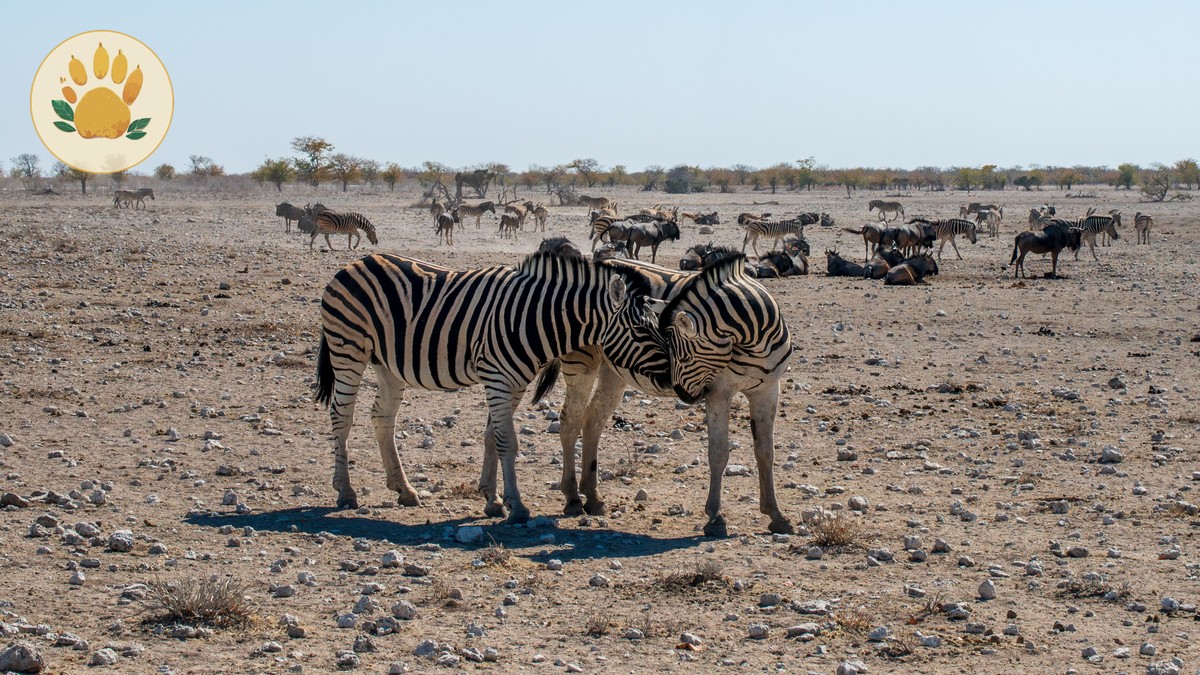
Lions are not the only predator story at Aberdare. The park holds a healthy population of leopard, though like most forest leopards they are shy and mostly nocturnal. Spotted hyena move through the moorland at night. Serval cats turn up occasionally in the grassland zones near the park’s edges.
African wild dogs pass through the wider Aberdare ecosystem from time to time, though sightings are rare and unpredictable, similar to the lion situation. If predator sightings are your priority, treat leopard as Aberdare’s realistic headline act, not lion.
Birdlife and the Forest Ecosystem
Aberdare’s forest and moorland habitats support over 250 recorded bird species, with some counts closer to 290 once altitude zones are combined. Look for the Aberdare cisticola, a bird found nowhere else, along with sunbirds, turacos, and raptors working the moorland edge.
The park’s altitude range, from around 1,800 meters to over 4,000 meters at the peaks, creates distinct habitat bands in a small area. That range is part of why the birdlife list is so long for a park this size.
Best Time to Visit for Wildlife Viewing
Aberdare is workable year round, but conditions shift with the rains. The dry seasons, from June to September and January to February, give the clearest roads and the best waterhole viewing, since animals concentrate near water sources.
The long rains, roughly March through May, turn forest tracks muddy and can limit game drives to the main routes. Wildlife disperses more widely when water is plentiful, which can mean quieter waterholes at the lodges. If your main goal is waterhole activity at night, the dry months give you better odds.
Where to Stay: The Ark and Treetops
Aberdare’s two famous lodges, The Ark and Treetops, are built directly over waterholes and salt licks, with rooms and viewing decks facing the action. Both operate on a similar model: guests transfer up from a base lodge in the afternoon, watch the waterhole through the evening and night, then descend the next morning.
The Ark sits inside the park proper, deeper in the forest, and tends to draw more elephant and buffalo traffic. Treetops, just outside the main park boundary near Nyeri, is the older and more historic of the two, known as the lodge where then-Princess Elizabeth learned of her father’s death in 1952 and became queen.
Rates for both typically run in the USD 250 to 400 per person per night range on a full board basis, though this varies by season and package. Neither lodge is where you go chasing lions. Both are where you go for a genuinely different kind of night safari, watching a floodlit waterhole from a warm room instead of a vehicle.
Where to Go Instead for Guaranteed Lions
If lions are a must for your Kenya trip, pair Aberdare with a park that can actually deliver them. Here is how the realistic options compare from a Nairobi start point.
| Destination | Distance from Nairobi | Drive time | Non-resident park fee (indicative) | Lion sighting odds |
|---|---|---|---|---|
| Aberdare National Park | 160 km | 3 hours | USD 25 to 30 per day | Low, no resident pride |
| Ol Pejeta Conservancy, Laikipia | 220 km | 4 hours | USD 90 per day | High, multiple resident prides |
| Solio Ranch, Laikipia | 190 km | 3.5 hours | USD 60 to 100 per day | Moderate to high |
| Masai Mara National Reserve | 270 km | 5 to 6 hours (or 45 min flight) | USD 80 per day (peak season) | High, dense resident population |
Laikipia is the practical answer for most repeat visitors who already know the Mara and want something quieter. Laikipia’s conservancies, where lion sightings are far more reliable sit close enough to Aberdare to combine in one loop, often 3 to 4 hours by road from the park gate.
For travelers with more time, pairing Aberdare with a short Masai Mara safari gives you both the forest experience and a near-certain lion sighting on the same trip. A short flight from Nyeri or Nanyuki to the Mara cuts the connecting time significantly compared to driving.
If you are still working out logistics, it helps to think through how many parks to fit into one Kenya itinerary before you commit to a route. Aberdare works best as a two night add-on, not a standalone safari base.
The SafariPure Difference
We would rather tell you Aberdare is a forest and bongo destination with excellent waterhole lodges than sell it to you as a lion park it stopped being decades ago. That honesty shapes how we build every itinerary.
When you plan an Aberdare trip with SafariPure, we route it against your actual priorities. If lions matter, we pair Aberdare with Laikipia or the Mara and get the timing right so you are not driving in the dark. If the forest, the bongo, and a night at The Ark are the real draw, we build the trip around that instead and set expectations correctly from day one.
We work with real drive times, real park fees, and lodges we know firsthand, not marketing copy recycled from a brochure.
Plan Your Trip
If you want an Aberdare itinerary that is honest about what you will see, and pairs it with a park that delivers the lion sightings you are after, we can build that route with you. Get in touch with SafariPure to start planning, or look at our 3-day Masai Mara safari as a starting point for what a combined trip could look like.