
If you booked a Kenya safari before October 2025, forget what you remember about park fees. The Kenya Wildlife Service scrapped its old A, B, C system and replaced it with the new KWS park fee categories 2026 model: seven park types and four visitor tiers. The new rules took effect on October 1, 2025, and they now shape every quote you will get for a 2026 trip.
For a first-time traveler, this matters more than it sounds. The fee you pay depends on which category a park falls into, which passport you hold, and in the case of the Masai Mara, which month you arrive. Get it wrong and your budget can be off by hundreds of dollars. Here is how the system actually works.
Why KWS changed the fee structure
KWS raised and reorganized its fees to fund conservation work, park infrastructure, and ranger operations, after years of flat pricing that had not kept pace with visitor numbers or maintenance costs. The Wildlife Conservation and Management (Access and Conservation) (Fees) Regulations, 2025 replaced the old three-tier park grading with seven categories that better reflect how much tourism pressure, wildlife density, and upkeep each site actually needs. Amboseli and Lake Nakuru, both high-demand parks with heavy infrastructure costs, now sit in a Premium tier above parks like Meru or Hell’s Gate.
The four visitor categories
Every fee table under the new system runs on four tiers:
- East African Citizen: Kenyan, Ugandan, Tanzanian, Rwandan, Burundian, or South Sudanese nationals with ID.
- Kenya Resident: foreigners holding a valid Kenya resident permit, usually asked for a passport plus permit or alien ID.
- African Citizen: nationals of African Union countries outside the East African Community, a new middle tier that did not exist before.
- Non-Resident: all other foreign visitors, priced in US dollars.
This is the biggest structural change for planning. Under the old system, most non-Kenyan Africans paid the same rate as any other foreign tourist. Now they pay less, closer to the Kenya Resident rate in some parks.
KWS Park Fee Categories 2026: The Seven Park Types
KWS sorted its parks and reserves into Premium, Urban, Wilderness, Mountain, Scenic, Special Interest, and Marine categories. Each carries its own price band, and the same visitor tier pays different amounts depending on which category a park sits in.
| Category | Example parks | EAC Citizen adult | Non-Resident adult |
|---|---|---|---|
| Premium | Amboseli, Lake Nakuru | KES 1,500 | USD 90 |
| Urban | Nairobi National Park | KES 1,000 | USD 80 |
| Wilderness | Tsavo East, Tsavo West | KES 1,000 | USD 80 |
| Mountain | Meru, Aberdare | KES 800 | USD 70 |
| Scenic | Hell’s Gate, Mount Longonot | KES 500 | USD 50 |
| Marine | Kisite Mpunguti, Watamu | KES 500 | USD 40 |
| Special Interest | smaller sanctuaries and heritage sites | varies by site | varies by site |
Two Tsavo parks now sit in the Wilderness band, priced below Amboseli’s Premium rate despite similar wildlife density. If you are choosing between the two, how Amboseli’s Premium fees compare to Tsavo’s Wilderness rates is worth reading before you commit to an itinerary.
KWS also sells multi-park packages for travelers combining sites in one trip. A Tsavo West plus Amboseli package runs USD 150 for non-residents, and adding Tsavo East brings the three-park package to USD 215, a real saving over paying each gate separately.
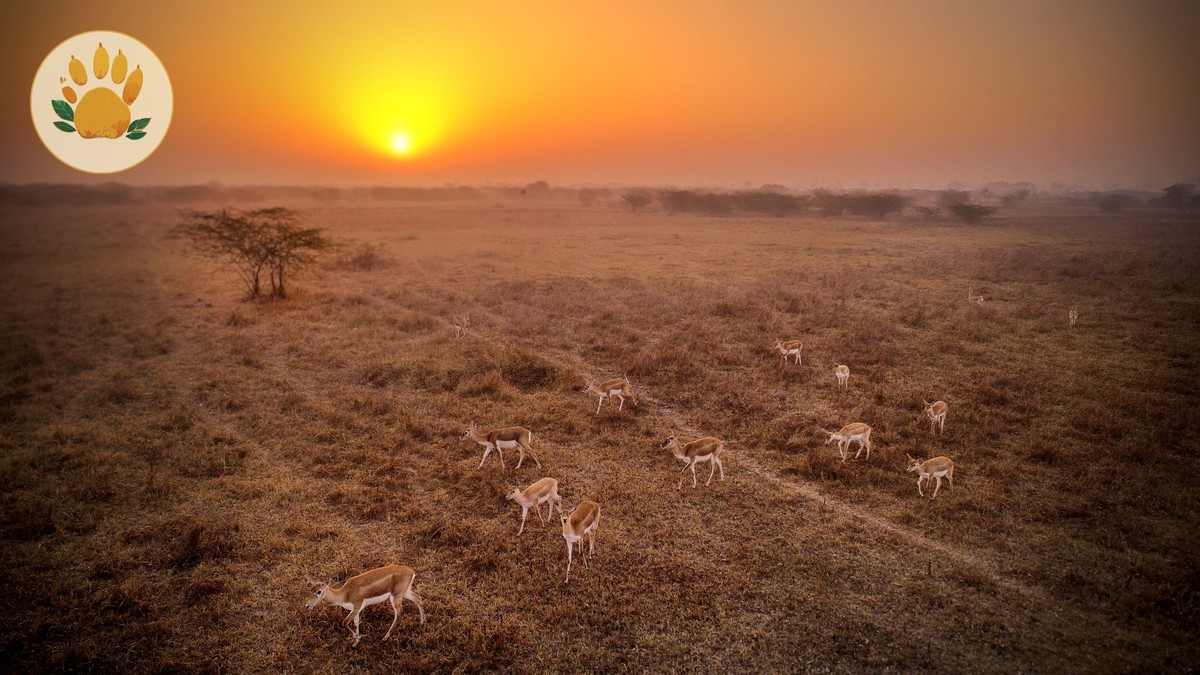
Masai Mara plays by its own rules
Here is the detail that trips up most first-time travelers: the Masai Mara National Reserve is not a KWS property. Narok County Government manages it, and it sets its own fees on its own schedule, outside the categories above entirely.
For 2026, non-resident adults pay USD 100 per day from January through June, then USD 200 per day from July 1 through December 31, when the wildebeest migration draws peak demand. That doubling lands right as most first-time travelers want to visit, so budgeting a short Masai Mara trip around the new peak-season fees should happen before you pick your dates, not after.
The Mara also enforces a strict 12-hour ticket window, 6am to 6pm, tied to your entry day. Leave after 10am on your departure morning and you owe a full extra day’s fee, per person. Two travelers running late for a transfer have been hit with an unplanned USD 400 bill. Plan your last game drive and airstrip transfer with real slack, not an optimistic estimate.
| Masai Mara fee | Jan to Jun 2026 | Jul to Dec 2026 |
|---|---|---|
| Non-resident adult | USD 100/day | USD 200/day |
| Non-resident child (9 to 17) | USD 50/day | USD 50/day |
| Child 0 to 8 | Free | Free |
Children, students, seniors, and travelers with disabilities
Most KWS parks give real discounts to younger and older visitors. Children aged five and under typically enter free. Children and eligible students in the East African Citizen band pay roughly half the adult rate, for example KES 500 at Nairobi National Park against KES 1,000 for an adult. Kenyan senior citizens aged 70 and above enter free with ID, and persons with disabilities are exempt from conservation fees on presentation of the relevant documentation. Non-resident children generally pay a reduced flat rate rather than a free pass, so check the specific park before assuming a child travels free.
Conservancy fees are a separate bill
This is the distinction most fee guides gloss over. Private conservancies such as Ol Pejeta, Lewa, and the Samburu-area conservancies sit outside the KWS system entirely. They set and collect their own fees, and those charges stack on top of anything you pay at a KWS gate if your itinerary includes both.
Ol Pejeta currently charges non-resident adults around USD 110 per entry, with activities like rhino tracking or night game drives billed separately, from roughly USD 20 for a conservation talk to USD 70 for a tracking experience. None of that shows up on a KWS fee table, so a Laikipia or Samburu leg of your trip needs its own line item in your budget, not an assumption that it is covered by the same conservation fee you paid at Nairobi National Park.
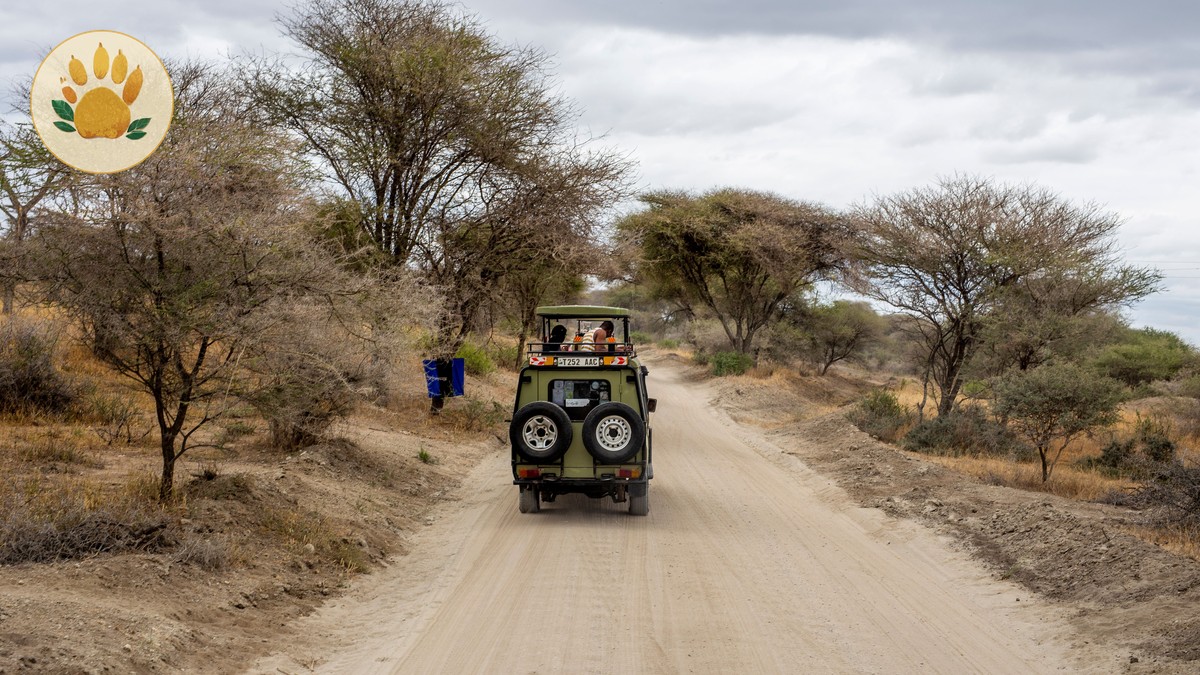
How you actually pay now
Cash at the gate is gone. Every KWS park now runs on KWSPay, the government’s eCitizen payment subdomain, where you select your park, enter visitor details, and pay by M-Pesa or Visa and Mastercard before you arrive. Some gates still process card or M-Pesa payments on site, but KWS discourages it because it slows down queues during busy months. International cards may carry a small bank conversion fee on top of the listed dollar rate, so budget a few extra dollars per transaction. If you are wondering how much cash you actually need now that park fees are cashless, the honest answer is very little, mostly for tips and small purchases outside the parks.
Vehicles are billed separately from people. Saloon cars, SUVs, and small 4x4s pay a per-day vehicle fee at every KWS gate, on top of individual entry fees, and camping carries its own charge again, typically KES 250 to KES 500 per adult per night for public campsites.
What this means for your trip budget
For a first-time traveler, the practical effect is this: a 7-day Amboseli-to-Mara itinerary in August 2026 now costs noticeably more in park fees alone than the same trip in 2025. Two nights in Amboseli at USD 90 per person per day, plus three nights in the Mara at the USD 200 peak rate, adds roughly USD 780 per person in fees before a single vehicle charge or conservancy add-on. Run the same trip in February instead of August, and the Mara portion alone drops by USD 300 per person. Season, not just category, decides your final bill.
The SafariPure Difference
We build each itinerary against the current KWS and Narok County rate cards, not last year’s numbers pulled from a listicle. That means your quote already accounts for which park category you are visiting, whether your Mara dates fall in peak or off-peak season, and whether a conservancy stay adds its own fee on top. We also plan exit times around the Mara’s 10am rule so you never discover an extra day’s charge on your way to the airstrip. For a first-time traveler trying to make sense of seven park categories and four visitor tiers, that groundwork is the difference between a budget that holds and one that does not.
Common questions
Do I pay in cash anywhere? No. Every KWS gate and the Masai Mara now require electronic payment before or at entry, through KWSPay or the Narok County system.
Are conservancy fees included in KWS park fees? No. Ol Pejeta, Lewa, and similar private conservancies bill separately, on top of any KWS fee elsewhere in your trip.
Is the Masai Mara run by KWS? No. Narok County Government manages the reserve and sets its own seasonal pricing, separate from the KWS categories.
Ready to see what your own dates and route would actually cost under the 2026 rates? Get in touch with SafariPure and we will build a season-smart itinerary with the real numbers attached.