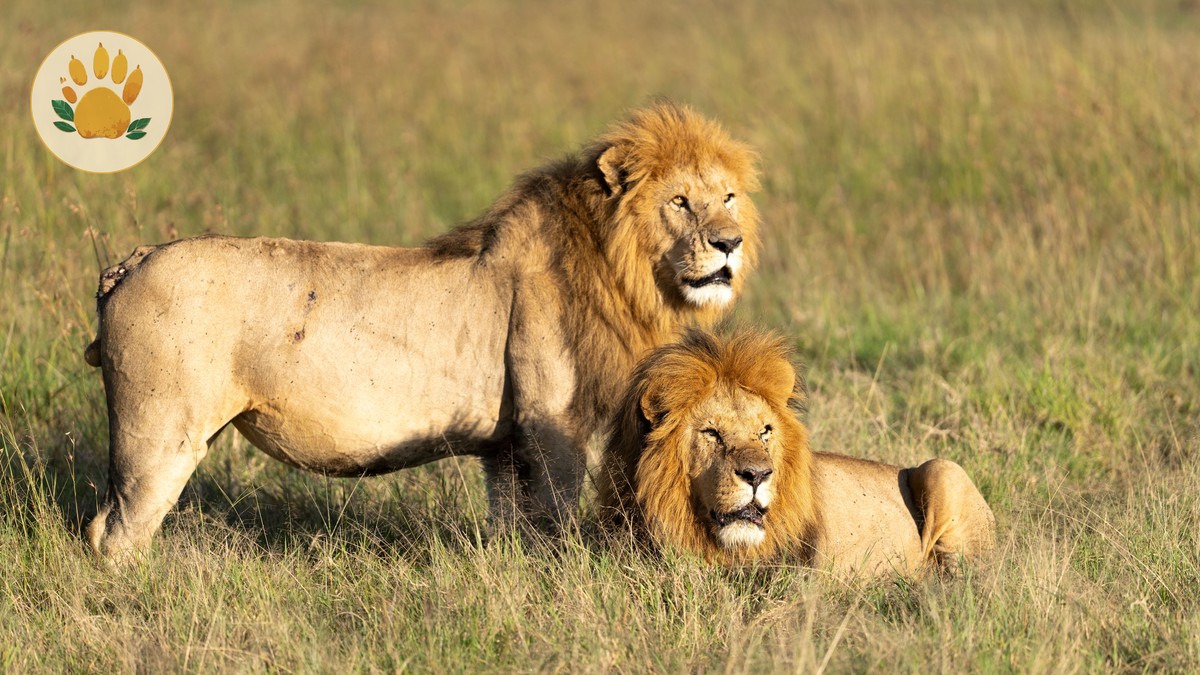
Your child asks the question before the first game drive. Masai Mara can children see a kill? The honest answer is yes, and no one can predict when. Your family may watch a lion chase a zebra from 50 meters, or you may sit through four quiet hours and see nothing at all. This guide explains what a kill sighting looks like, how children react at different ages, and which safari setup gives you the most control. The choice between a shared vehicle, a private vehicle, and a conservancy drive changes everything for parents.
Masai Mara Can Children See a Kill?
Yes, children can see a kill in the Masai Mara, especially during predator hunts, wildebeest crossings, or when lions, hyenas, and vultures feed on a carcass. Sightings are unpredictable, and guides cannot control how close or graphic the event becomes. Parents should agree on a family signal for leaving before the drive begins.
The Masai Mara National Reserve is one of the best places on earth to watch big cats hunt. Open grassland makes it easier to see lions, cheetahs, and leopards from a distance. During the July to December wildebeest migration, crossings of the Mara River regularly end with crocodile attacks. No driver can promise a kill, because wildlife does not follow a schedule. The Masai Mara is run by Narok County, not the national parks service. Its entrance fee for non-resident adults is USD 100 per day from January to June and USD 200 per day from July to December. Child rates are lower, but they still do not buy a guarantee. If a hunt starts, your guide will stay only as long as the law and common sense allow.
How graphic is a wildlife kill for children?
A kill may be brief and distant, or it may involve blood, distress calls, feeding, and visible remains. Lions, crocodiles, and vultures can create scenes that younger children find frightening, while older children may process them as natural behavior. Tell children they may look away, ask questions, or leave the sighting.
A cheetah taking a gazelle in tall grass can be over in three minutes. A lion pride finishing a buffalo near a watering hole can last an hour, with growling, blood, and scavengers waiting at the edge. A crocodile kill at a river crossing can be sudden and violent. Some eight-year-olds find these scenes fascinating. Others replay them at night. There is no single answer, because children in the same family react differently. Let each child choose how close to watch. A guide can read body language, and your child can look at the horizon when they need a pause. Nothing about a wildlife kill on safari is censored.
What age is suitable for a Masai Mara safari?
There is no reserve-wide minimum age, but many camps set minimum ages of about six to eight for shared game drives. Younger children can still visit when a camp permits them and the family books a private vehicle, shorter drives, regular rest, and flexible routines.
The Masai Mara safari age limit question comes up with almost every family. The reserve itself does not ban young children. Individual camps decide. Mahali Mzuri, Angama Mara, and Mara Plains all accept children, but each sets its own policy. Minimum ages usually sit somewhere between four and eight for shared vehicles, and toddlers often need a private vehicle no matter what. These policies change, so confirm before booking. The age that matters most is the age when your child can sit still, whisper, and wait. Some six-year-olds are ready. Some ten-year-olds are not. Our Kenya safari family lodge age policies article compares typical rules across the Mara.
How should you prepare children for predator sightings?
Explain before departure that predators hunt to survive and that not every sighting is suitable to watch. Use age-appropriate books or documentaries, avoid promising a kill, and teach children to stay quiet, remain seated, and follow the guide’s instructions. Pack snacks, water, layers, and comfort items for long waits.
Start the conversation at home, not in the vehicle. A simple sentence works: animals eat other animals to live, and we do not have to watch. Show a short documentary of a lion hunt and pause it to talk. Do not promise a kill, because that creates pressure on a driver who cannot control it. In the vehicle, agree on a signal. A raised hand can mean leave now. A small wave can mean stay low. Pack a small backpack with water, fruit, a book, and a quiet toy. Long waits are easier with a distraction. Safety rules stay the same at every sighting: sit down, keep voices low, never stand, and never reach. These basic safari safety for children steps protect everyone in the vehicle. Talk to your doctor about malaria prevention before you travel. The Mara sits in a malaria zone, and children’s doses often need planning.
Which vehicle, guide, and timing choices suit a family game drive?
A private vehicle gives families the most control when a child becomes tired or a sighting turns graphic. Short morning drives often suit children better than forcing a full-day outing, while experienced guides can position the vehicle respectfully and explain behavior without sensationalizing it. Under-six guests commonly need private-vehicle arrangements at participating properties.
On a shared game drive, a family of four shares a vehicle with up to two other groups. If the adults in the group want to stay at a kill for an hour, your family must stay too. If a child needs to leave, you may have to convince strangers. A private vehicle in the Masai Mara means your guide stops, moves, or leaves when your family decides. Expect to pay roughly USD 250 to USD 450 per day for private hire, on top of the park fee. That range is indicative and depends on the camp, season, and driver. A conservancy such as Naboisho or Mara North bundles a nightly fee of about USD 80 to USD 150 per person into the lodge rate. Lower vehicle traffic makes for calmer viewing. Short morning drives are kinder to a child’s body clock. If your child misses a nap anyway, our article on what to do if your child misses a safari nap gives practical fixes. For families who want very close, quiet observation, a hide stay can work well. Our wildlife photography hide costs in Kenya page compares the options.
| Family option | Where you drive | Adult entrance fee, non-resident | Extra for private hire | Control over a graphic sighting |
|---|---|---|---|---|
| Shared game drive | Masai Mara National Reserve | USD 100 per day Jan-Jun; USD 200 per day Jul-Dec | None; seats are shared | Low. The group decides when to leave. |
| Private vehicle | Masai Mara National Reserve | Same reserve fee as above | Roughly USD 250-450 per day (indicative) | High. You can leave at any moment. |
| Conservancy drive | Naboisho or Mara North Conservancy | Roughly USD 80-150 per person per night, bundled into lodge rates | Usually included in the stay | High. Lower traffic and calmer pacing. |
The table shows the pattern. Shared drives are the most affordable, but they take control away from you. Private vehicles and conservancies cost more and give you the ability to leave a scene quickly. For many families, the extra money is worth a calmer experience.
What is the SafariPure difference for a family safari?
SafariPure builds family safaris around the child as much as the wildlife. Our guides watch the kids before they watch the cats. They read signs of fatigue and fear, and they position the vehicle for a good view without pushing the family to stay longer. When you book with SafariPure, we match your family to camps that actually accept your child’s age. We choose lodges with family rooms or connected tents. We recommend private vehicles when they matter and shorter drives when your child needs them. We also plan around the season. A July visit to the Mara costs USD 200 per adult per day in reserve fees, while a January visit costs half that. SafariPure has guided families in the Mara for years. Our promise is simple: time in the wild, done at your child’s pace. The right vehicle and the right guide matter more than a guarantee of any sighting.
Which safari experience should your family choose?
Choose a shared game drive if your children are older, your budget is tight, and you accept the group’s decisions. Choose a private vehicle in the reserve if you want control and you can stretch the budget. Choose a conservancy stay if a calm, slower-paced safari matters more than chasing the migration crowds. Any of these can work with preparation. The difference is how much choice you keep in the moment.
The clearest way to decide is to talk through your family’s rhythm with someone who has watched children in the Mara. SafariPure plans trips around your child’s age, energy, and comfort with wildlife. Tell us about your travel dates and your children’s ages, and we will shape a safari that fits. Start planning your Masai Mara family safari by reaching out through our contact page.