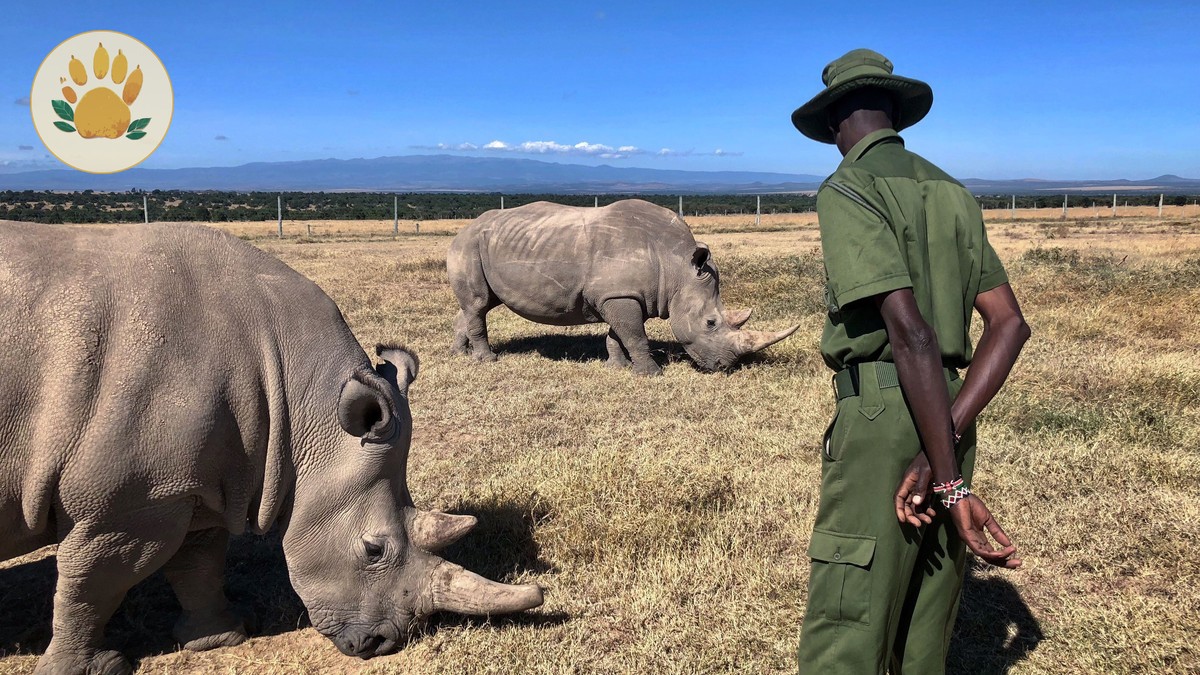
Lewa Wildlife Conservancy sits between Mount Kenya and the Matthews Range in northern Kenya. It protects endangered black and white rhinos on open grassland. A Lewa rhino tracking safari is quiet, focused, and safe if you follow the rules. Seven essentials cover safety, etiquette, movement, and gear.
Lewa Conservancy Rhino Tracking Rules and Safety Requirements
Walking at Lewa is permitted only with an authorised, armed guide who is trained to handle dangerous game. Guests must follow the guide’s instructions, remain quiet, avoid sudden movement, and never walk independently or at night. Wildlife has right of way, and visitors must not feed animals, litter, or carry weapons without specific authorisation.
Essential 1: Walk only with an authorised armed guide. That rule is not a formality. Rhinos have poor eyesight, excellent hearing, and a fast charge when startled. A guide who walks rhino country every week can read the difference between calm and warning behaviour. Let the guide lead, stop, and choose an alternate path.
Essential 2: Do not add your own plan. At Lewa, you cannot walk independently from the vehicle or camp. You cannot head out after dark, surround a rhino, or call it closer. If the animal decides to move, position yourself where the guide asks. This is the official Lewa code of conduct, and it keeps a walking safari simple.
What Happens During a Guided Rhino Tracking Walk
A guided session normally begins with a safety briefing. It uses a vehicle or fresh field signs to locate a rhino. It continues on foot when conditions allow. Trackers read footprints, dung, broken vegetation, and direction of travel. Guests move slowly, stay downwind, and stop well short of the animal.
Essential 3: Follow the tracker’s field signs before you think about cameras. A guided rhino tracking walk often starts from a vehicle. The tracker may stop beside a print and point out how fresh it is. Fresh dung, a bent stem, and the direction of travel all build a map. If you only move when the tracker moves, you create less sound and less disturbance.
If you want a fuller sense of what a ranger-led visit looks like, read what guests see during the Lewa rhino monitoring experience.
Essential 4: Let the guide choose the stopping point. There is no single walking distance that fits every rhino. Wind direction, cover, and the animal’s mood decide it. The guide may signal you to crouch behind a bush and wait. That waiting time is where the walk becomes a true encounter. Do not ask the guide to move you closer for a photo.
Wildlife Viewing Distances, Vehicle Limits, and Approach Etiquette
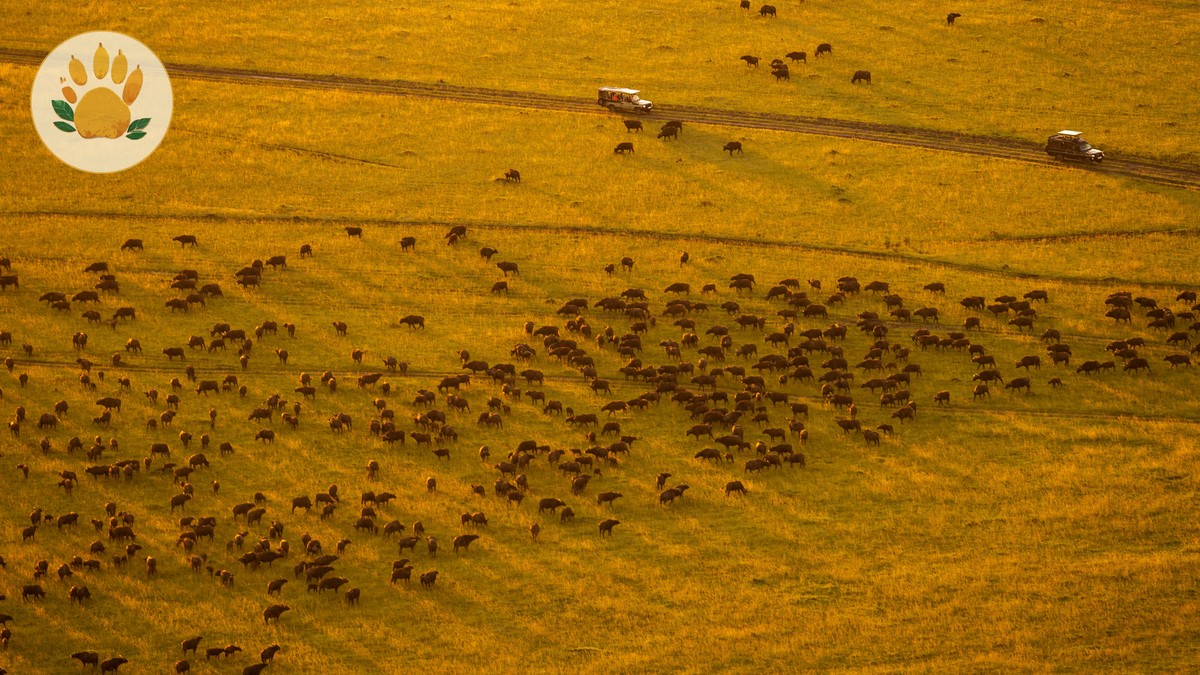
Lewa’s code requires vehicles to keep at least 20 metres from wildlife unless an animal approaches. No more than two vehicles may view one animal at a time. Off-road driving is discouraged and prohibited during the rainy season. Guests should keep quiet, avoid crowding sightings, and let wildlife retain the right of way.
Essential 5: Respect the 20-metre wildlife viewing distance when you are in a vehicle. Twenty metres sounds open, but it is short enough for a rhino to react. If the rhino walks toward you, stop and allow it to pass. Use a long lens instead of asking the driver to get closer.
Essential 6: Keep sighting caps simple. The two-vehicle limit means a second car must park where it does not crowd the animal. If the space is full, wait or move on. Off-road driving should stay rare. During wet weather, it is prohibited because it damages the ground that rhino rely on.
| Situation | Lewa rule | Why it matters |
|---|---|---|
| Walking away from camp | Authorised armed guide only | Rhinos move fast when startled |
| Vehicle approach | Keep at least 20 metres unless the animal approaches | Gives the rhino room to move |
| Vehicles at one sighting | No more than two vehicles | Too many cars block escape routes |
| Night walking | Not permitted | Hard to read behaviour in the dark |
| Off-road driving | Discouraged, prohibited in rainy season | Protects grasslands and tracks |
What to Wear, Pack, and Expect Physically
Wear broken-in walking shoes or boots. Add long trousers, a neutral long-sleeved shirt, sunscreen, and a hat. Carry water and a light layer for cool mornings. Walking takes place over uneven bush terrain and may cover several kilometres, so moderate fitness, steady footing, and the ability to stand quietly are useful.
Essential 7: Dress for early light and slow walking. Lewa’s tracks run over grass, rocks, and dry riverbeds. They are not flat paths. Boots with solid grip protect your ankles. Long trousers protect against thorns and sun. Neutral colours help you blend into the bush. If your main goal is photography, keep your camera ready before the walk starts. You will not have time to search through a bag when the guide stops.
How Lewa’s Rhino Monitoring Supports Conservation
Lewa’s monitoring team works to locate and identify individual rhinos daily. It records each animal’s identity, location, behaviour, and condition. Rangers use ear-notching patterns, age, sex, and behaviour to distinguish animals. These records support security, health checks, movement analysis, and conservation decisions.
Why should a visitor care? Every rhino track has a file. Ear notches are not random marks. They give each rhino a readable identity, so the team can tell if an animal has been quiet too long. When guests follow the Lewa code of conduct, they do not disturb the information rangers are trying to collect.
If you are weighing northern Kenya destinations, read how Ol Pejeta rhino tracking costs compare before choosing. And remember that your visit supports local jobs and land protection. How conservancy fees help local communities is explained here.
Your Next Step: Plan a Lewa Safari with SafariPure
Your next step is concrete. Open the contact page and ask SafariPure to plan a guided rhino tracking walk at Lewa. SafariPure can arrange the dates, the lodge, and the walk with Lewa’s ranger team. Tell them that you want to begin with the safety briefing and move only when the tracker moves.