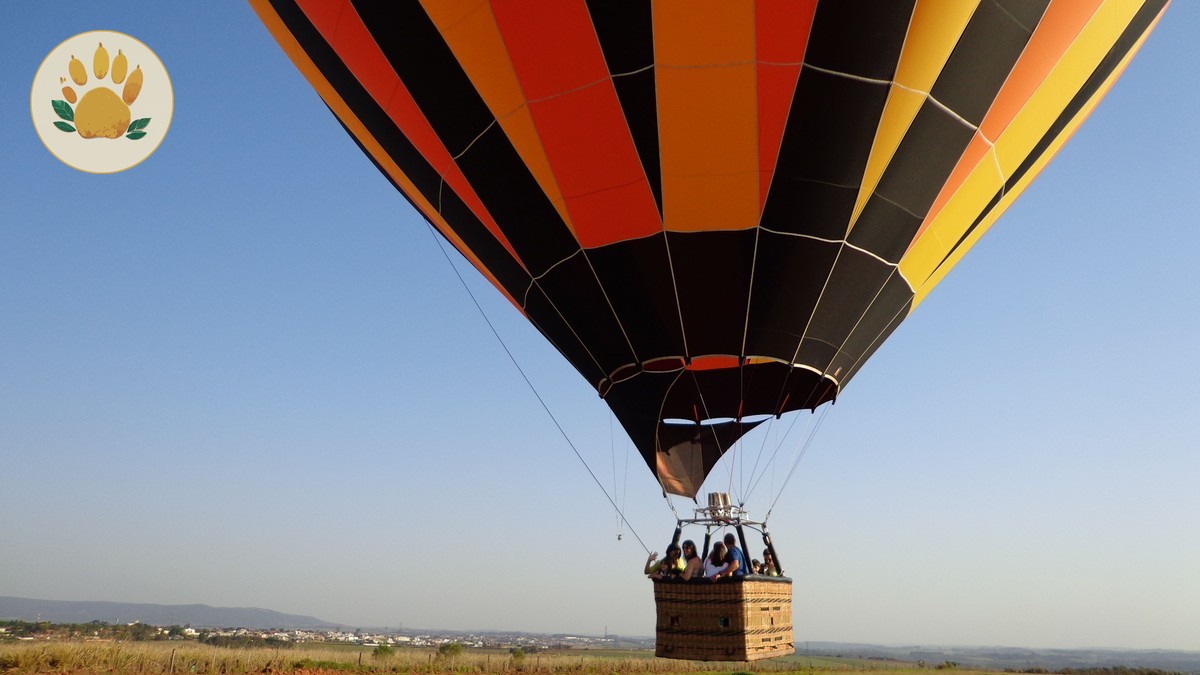
Is a hot air balloon safari worth it? A flight over the Masai Mara runs $450 to $550 per person. In the Serengeti, expect closer to $599. For a honeymoon couple already stretching a budget across flights, tented camps, and a few splurge dinners, that is a real question, not a rhetorical one. This guide breaks the price into what you are actually buying, so you can decide before you book rather than after.
What’s Actually Included in the Price
Every reputable operator bundles the same core package: a pre-dawn pickup from your camp, the flight itself, a champagne bush breakfast set up in the field afterward, and a flight certificate signed by your pilot. Some Serengeti reviewers have pointed out that roughly $100 of a $599 ticket is really just the breakfast, poured into a candlelit table under an acacia tree. That is not a hidden fee. It is simply worth knowing that a third of the cost covers the meal, not the minutes in the air.
Transfers back to camp are usually included too. What is not included: the park or conservancy entrance fee for the day, which you are likely paying anyway if you are on a game drive that morning.
The Real Price Breakdown
| Item | Masai Mara | Serengeti |
|---|---|---|
| Balloon flight per person | $450-$550 | $599 |
| Flight duration | 45-60 minutes | 45-60 minutes |
| Champagne bush breakfast | Included (roughly $100 of the price) | Included |
| Flight certificate | Included | Included |
| Camp pickup time | 4:45am-5:15am | 5:00am |
| Separate reserve entry fee (non-resident, per adult/day) | $100 (Jan-Jun) or $200 (Jul-Dec), Narok County | Varies by park circuit |
| Conservancy lodge rate (Naboisho, Mara North) | $80-150/person/night, bundled into stay | N/A |
From July through December, Masai Mara National Reserve charges the higher $200 per adult per day non-resident fee set by Narok County Government, not Kenya Wildlife Service. That fee applies to your whole day in the reserve, balloon flight or not, so it is not really a balloon cost. But it does mean a Mara trip booked between July and December carries a higher baseline than the same trip in April. If your camp sits inside a private conservancy such as Naboisho or Mara North, that reserve fee often does not apply at all, since conservancy access is bundled into the nightly rate instead. Understanding how conservancy vs. national reserve fees affect your total cost matters more for your total trip budget than the balloon ticket does.
The Case For It
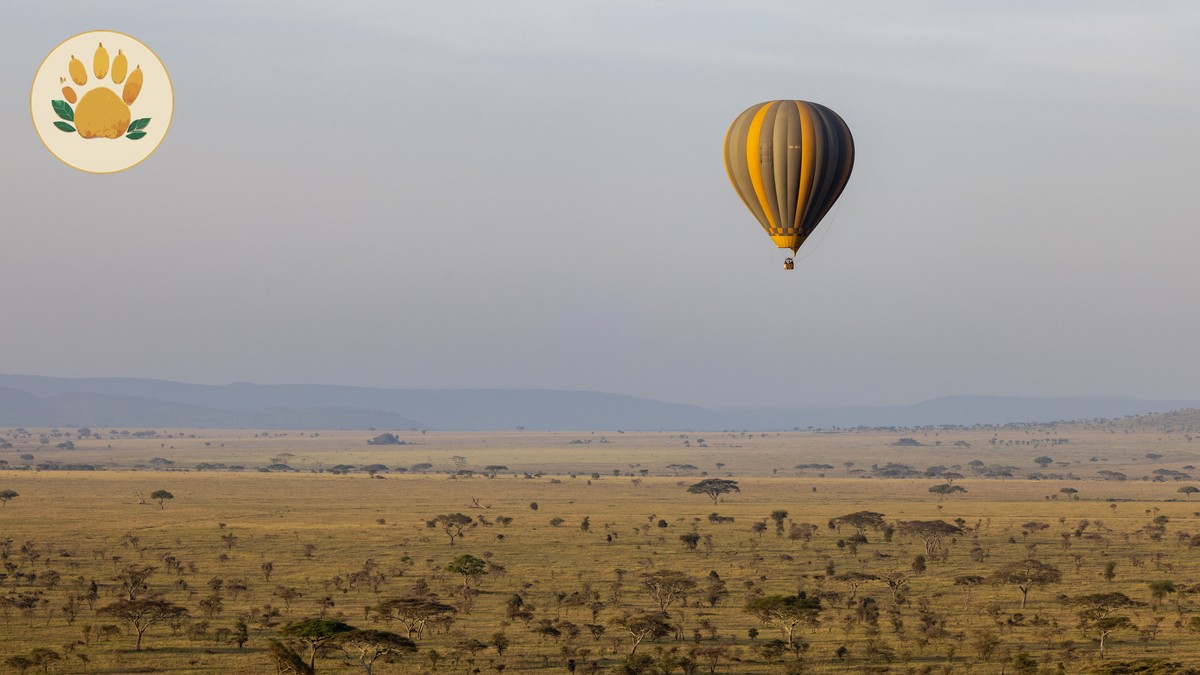
For a honeymoon, the flight buys something few other safari moments do: forty-five minutes of near silence, above the plains, with no engine noise and no other vehicles nearby. The basket holds 8 to 16 people depending on the operator, so you are not alone up there, but conversation tends to drop to a whisper anyway. Sunrise over the Mara or the Serengeti from 500 to 1,000 feet is a genuinely different view of a landscape you have already been driving through at ground level. For couples marking an anniversary or a honeymoon specifically, that shift in perspective, paired with a breakfast that is actually set up for you rather than eaten in a vehicle, tends to land as the splurge that was worth having.
Is a Hot Air Balloon Safari Worth It? When to Skip It
Be honest about your own trip before you add this line item. If you are on a tight-budget safari, $450 to $600 per person is often close to a full extra night at a mid-range camp, or an additional game drive day with a private vehicle instead of a shared one. Couples already booked into a predator-dense conservancy like Naboisho or Olare Motorogi, with strong big-cat sightings most mornings, may find that ground-level game viewing already delivers what they came for. Wildlife from a balloon is also luck-dependent. Pilots follow wind currents, not sightings, so you cannot steer toward a lion kill the way a driver can. You might fly over open plains with only impala and gazelle in view, or you might drift directly over a pride. Neither outcome is guaranteed, and no operator can promise otherwise.
If you are choosing between the balloon and weighing a private vehicle against a shared one for the rest of your stay, run the math on both before booking either.
Morning Logistics
Pickup happens in the dark, usually 4:45am to 5:15am, so the balloon can launch at first light when wind is calmest. Flights run 45 minutes to an hour, drifting at 500 to 1,000 feet, occasionally lower over herds or a river line. Landings are informal, a soft skid or tip onto its side is normal, and the ground crew tracks the balloon by vehicle the entire flight so breakfast is ready wherever you touch down.
Best Time of Year to Fly
Dry season, from July through October, gives the calmest mornings and the clearest air, and it overlaps with the Great Migration crossing the Mara River. That is also why Masai Mara National Reserve charges its higher $200 daily rate during these same months. January through March offers a cheaper reserve fee and still-decent weather, with a quieter Mara overall. Read more on how Masai Mara’s seasonal pricing works if you are trying to time a visit around cost rather than migration timing alone.
Booking and Reputable Operators
Book through your camp or a licensed operator at least a few weeks ahead in peak months, since baskets fill fast between July and October. Conservancy-based camps in Mara North and Naboisho tend to have easier, closer launch access than camps deep inside the national reserve, cutting your pre-dawn transfer time by 20 to 30 minutes.
Safety, Weather, and Age Limits
Balloon safaris in Kenya and Tanzania operate under civil aviation oversight, and licensed pilots log flight hours the same way commercial pilots do. Cancellations happen when wind speed is too high or visibility is poor, most often in the shoulder months. Operators typically refund or reschedule rather than charge twice. Most companies set a minimum age of 6 to 7 years old, and some restrict flights for pregnant travelers past a certain trimester. Check with your specific operator before booking if either applies to you.
The SafariPure Difference
We do not add the balloon flight to every honeymoon itinerary by default. Instead, we look at where you are staying, what the reserve fee will cost that week, and whether your camp already sits inside a conservancy with strong daily sightings. If a balloon flight genuinely adds something your itinerary is missing, we book it with an operator who launches close to your camp, so you lose less sleep for it. If your budget is better spent on an extra conservancy night or a private vehicle, we say so plainly.
FAQs
Is a hot air balloon safari worth the money? For a honeymoon or anniversary trip with room in the budget, most couples find it worth the one-time cost. For a tight-budget trip, an extra game drive or camp night often delivers more.
How much does it cost in the Masai Mara? Between $450 and $550 per person, plus the day’s reserve or conservancy entry fee.
What’s included? The flight, camp pickup, a champagne bush breakfast, and a flight certificate.
What time do I need to wake up? Pickup is usually 4:45am to 5:15am.
How long is the flight? 45 minutes to an hour.
Can you really see animals well from the air? Sometimes. Sightings depend on wind drift, not pilot choice, so results vary by flight.
Is it safe? Yes, under licensed operators, though flights can be cancelled for wind or visibility.
What if the flight is cancelled? Most operators refund or reschedule at no extra cost.
Is the bush breakfast included or extra? Included in the standard price.
Is there a minimum age? Usually 6 to 7 years old, operator dependent.
Masai Mara or Serengeti, which is cheaper? The Mara, generally by $50 to $150 per person.
What should I wear? Layers. Pre-dawn air is cold, mornings warm quickly once the sun is up.
Plan Your Balloon Safari with SafariPure
If you are weighing a Masai Mara honeymoon against a balloon flight, our team can lay out the real numbers for your dates and camp before you commit. Visit our Masai Mara safari tours page or get in touch to start planning.