This Kenya safari guide for Hindi speakers cuts through the confusion of planning from India: eTA, flights, park fees, guides, food, and safety. It covers real costs in rupees, how to book a Hindi-speaking guide, and a seven-day route built for first-timers.
Do You Need a Kenya eTA from India?
Indian passport holders need an approved Kenya Electronic Travel Authorization (eTA) before departure. Apply through Kenya’s official government portal, use a passport valid for at least six months, and carry the approval when flying. Confirm the current fee and processing time before booking non-refundable flights.
The eTA replaced the old visa system for most visitors and is not a stamp at the airport. Apply online, pay the fee in USD, and wait for approval before buying flights. Give yourself at least two weeks, since delays happen, and use the official portal only, since third-party sites charge extra for the same form.
How Much Does a Kenya Safari Cost in Rupees?
A realistic six-night Kenya safari from India costs about ₹1.5 lakh-₹2.2 lakh per person for budget group travel, and roughly ₹2.4 lakh-₹3.4 lakh for mid-range travel. This may exclude international flights depending on the quote. Private vehicles, peak-season park fees, and a Hindi guide raise the total.
Budget safaris use shared pop-up roof vehicles and simple camps. Mid-range trips use private vehicles, permanent tents, and more game drives. Ask for a written cost breakdown, since flights are not always included. Costs climb fast in July-October as park fees rise. For a lower price, see our guide to Kenya group-joining safari costs if you are comfortable sharing a vehicle.
Can You Get a Hindi-Speaking Safari Guide in Kenya?
Hindi-speaking guides are available, but they are limited and not the standard option. Request a named guide at least six weeks ahead, or eight to ten weeks before July-October and Diwali travel. Confirm the guide’s language ability, role, and any supplement in writing before paying a deposit.
Most Kenya safari driver-guides speak English and Swahili; fewer also speak Hindi. A dedicated Hindi-speaking guide typically adds a vehicle supplement of about $40 to $100 per day, charged once for the whole vehicle, not per person. Split across a typical shared safari group of four to seven travelers, that same supplement works out to roughly ₹800 to ₹1,200 per person per day. The two figures describe the same cost from two angles, so ask the operator to confirm both the total daily supplement and your per-person share before paying a deposit. SafariPure arranges Kenya trips for Hindi speakers and puts the language plan in your booking documents.
What Is the Best Time for a Kenya Safari?
July to October is the most reliable season for dry roads, concentrated wildlife, and the Masai Mara migration, though it brings higher prices and more vehicles. January and February offer strong viewing with shorter grass and fewer crowds. March to May is cheaper but wetter and less comfortable for road travel.
For first-timers from India, January and February are often a smart balance: short grass makes animals easier to see, and the Mara entry fee is USD 100 instead of USD 200. Diwali falls in October or November most years, so book eight to ten weeks ahead if you want a Hindi-speaking guide then.
Kenya Safari Guide for Hindi Speakers: Seven-Day Itinerary
A balanced seven-day first safari uses one arrival night in Nairobi, two or three nights in the Masai Mara, and one or two nights in Amboseli or Lake Nakuru. Keep the final night near Nairobi if departure timing is tight. This route covers big cats, elephants, rhinos, and manageable transfers.
Day 1: arrive in Nairobi, sleep near the airport. Day 2: transfer to the Masai Mara by road, about 270 km, 5-6 hours. Days 3-4: full game drives in the Mara. Day 5: transfer to Amboseli or Lake Nakuru. Day 6: morning game drive, then return toward Nairobi. Day 7: fly home.
Flying from Wilson Airport to a Mara airstrip saves a road day but costs more. A road-based safari is cheaper and shows more of the country. For an extra week, add a Kenya safari and beach extension itinerary.
Which Kenya Safari Parks Are Best for First-Time Indian Travelers?
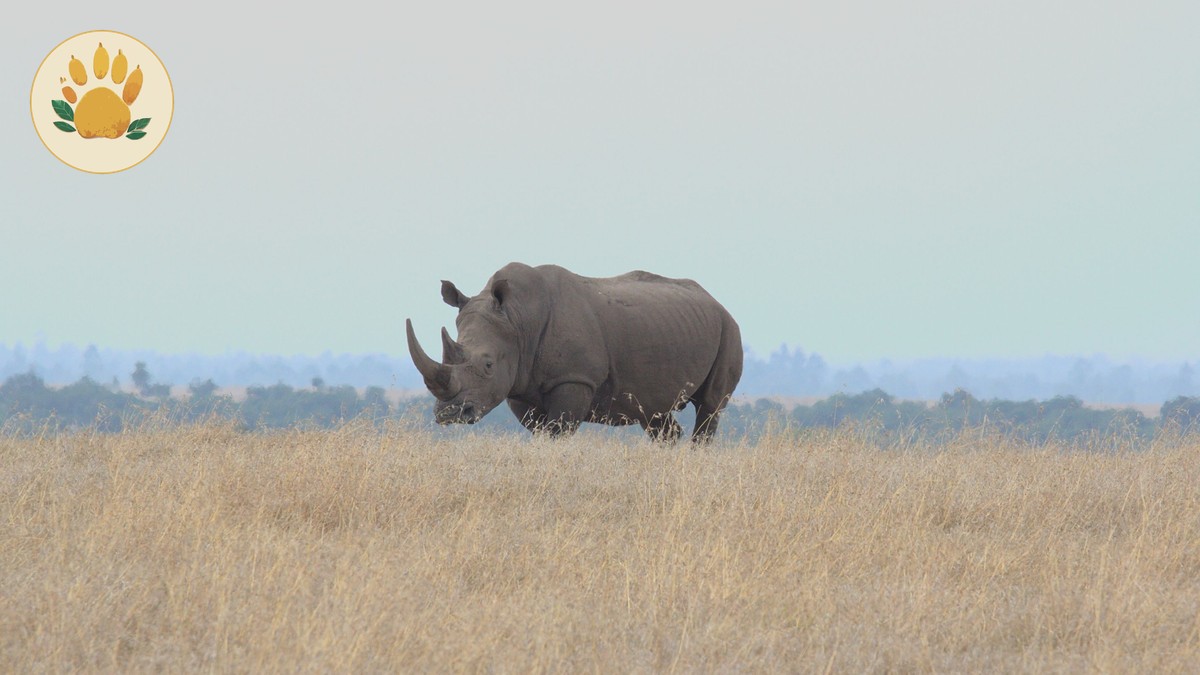
The Masai Mara is the priority for a first safari, with strong year-round wildlife viewing and migration-season highlights. Add Amboseli for elephants and Kilimanjaro views, or Lake Nakuru for rhinos and a shorter route from Nairobi. Covering both parks in one trip means extra transfers and less game-drive time.
Amboseli is about 240 km from Nairobi, near the Tanzania border, and is known for elephants. Lake Nakuru is closer, about 155 km, with rhinos and flamingos. A first-time route can use either park for a seven-day plan.
Here is a quick comparison of the three core parks.
| Park | Distance from Nairobi | Approx drive time | Current non-resident entry fee, per adult per day |
|---|---|---|---|
| Masai Mara National Reserve | about 270 km via Narok | 5-6 hours by road | USD 100 (Jan-Jun), USD 200 (Jul-Dec) |
| Amboseli National Park | about 240 km via Namanga | 4 hours by road | USD 90 |
| Lake Nakuru National Park | about 155 km via Naivasha | 2.5-3 hours by road | USD 90 |
These are current non-resident adult entry fees. Narok County, not the Kenya Wildlife Service, runs the Masai Mara. Park fees are a major cost driver, especially in peak season, when the Mara’s USD 200 fee raises the total sharply.
Private conservancies such as Naboisho or Mara North bundle entry fees into lodge rates, roughly USD 80-150 per person per night, with fewer vehicles and a more private feel.
Flights, Food, Safety, and Logistics for Hindi Speakers
Plan a Nairobi overnight if your international flight lands late, then use Wilson Airport for domestic safari flights. Ask camps to confirm vegetarian or Indian-style meals before arrival, and carry small amounts of USD or Kenyan shillings for tips.
Flights from India usually land at Jomo Kenyatta International Airport in the evening, so avoid driving to a park that night. Book a simple Nairobi hotel and start fresh in the morning.
Bigger camps and lodges prepare vegetarian meals, and some make dal, rice, and chapati, but confirm your requirements with every camp before you arrive. If you need Jain, vegan, or pure vegetarian food, say so in writing.
Safety in Kenya is about planning, not fear. Listen to your guide at park gates, keep passports in the lodge safe, and follow camp instructions. We also publish a Kenya safari guide for French speakers, useful if you are planning a trip with a mixed-language group.
Every good Kenya safari plan starts with one decision: which week works for your calendar. Once you know your dates, the eTA, budget, guide, and route fall into place quickly.
At SafariPure, we help Hindi-speaking travelers turn these choices into a simple seven-day plan, with clear costs and no hidden surprises. Start a conversation with SafariPure and ask about a named Hindi guide, vegetarian meals, and what happens if your flight lands late. You might be surprised how fast a plan comes together.