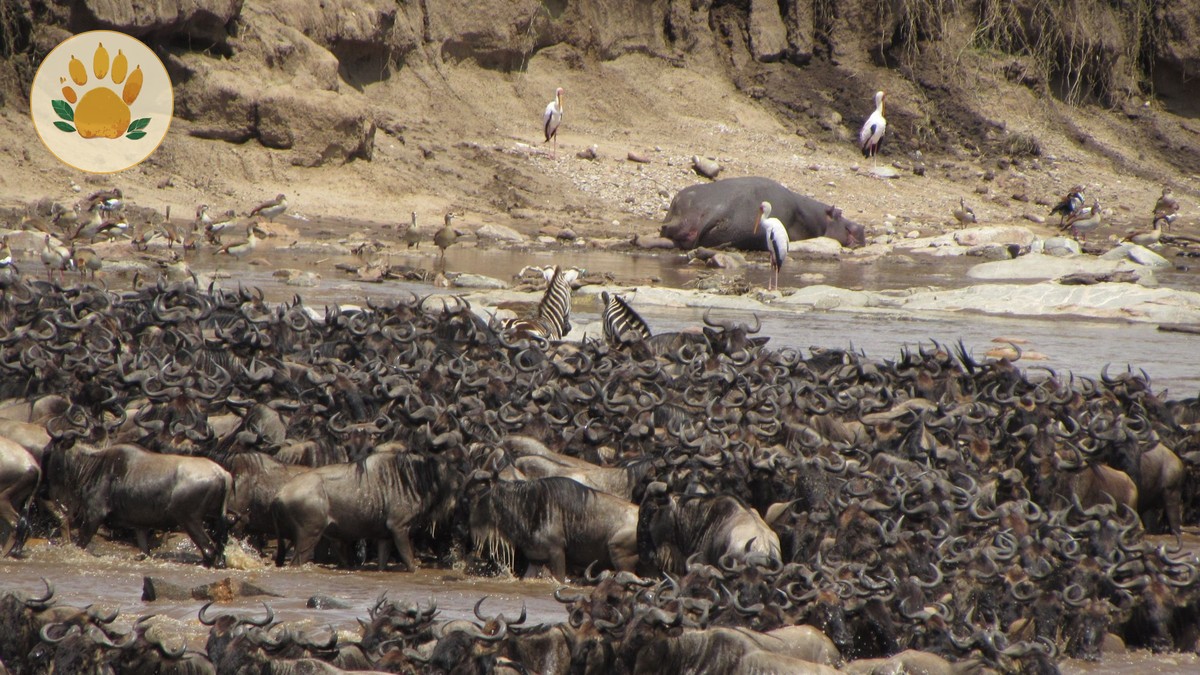
When do july wildebeest arrivals masai mara actually happen? Every camp website will tell you the wildebeest arrive in the Masai Mara in July. Most of them are rounding up. The honest answer is messier, and if you are planning a trip around it, the mess is worth knowing.
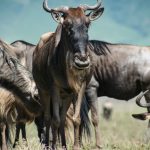
The migration is not a scheduled event. It is roughly two million wildebeest and zebra following rain and grass north out of the Serengeti, and the herds move when the grass in front of them is better than the grass behind them. Some years that means the first big groups are pushing across the Sand River into the Mara Triangle by July 5. Other years the bulk of the herd is still grazing the Lobo area of northern Serengeti through the third week of July, and the Mara stays quiet.
What Actually Triggers Migration Timing
Rainfall drives everything. The herds graze the short-grass plains of the southern Serengeti from December through March, then move north as those plains dry out. By June they are usually crossing the Grumeti River. From there, the pace north depends on how dry the Serengeti’s Lobo and Kogatende areas get relative to the Mara’s grass, which depends on how much rain fell in the Mara in April and May.
A wet Mara spring means better grass waiting north of the river, which pulls herds forward faster. A dry Mara spring can leave the herds lingering in Tanzania into August. There is no fixed calendar date, whatever a brochure says.
July Wildebeest Arrivals Masai Mara: A Week-by-Week Breakdown
Based on the last decade of camp and guide crossing records, here is a rough probability picture for where the leading herds tend to be. Treat these as historical patterns, not guarantees, since any single year can break the pattern entirely.
| Period | Typical herd location | Rough odds of a Mara River crossing | What you’re likely to see |
|---|---|---|---|
| July 1-10 | Northern Serengeti, Lobo/Kogatende area | Low, roughly 1 in 4 years | Scattered groups entering the Mara Triangle on foot, few or no crossings |
| July 11-20 | Mixed: Kogatende and southern Mara Triangle | Moderate, roughly even odds | First crossing attempts, often small and fast |
| July 21-31 | Bulk of the herd in the Mara Triangle and Mara North | High, roughly 3 in 4 years | Regular crossings, larger herd numbers on the Mara side |
| August 1-15 | Established across the Mara ecosystem | Very high | Frequent, larger crossings, peak predator activity |
If your dates are fixed and fall in early July, plan the trip around good general game viewing and treat any crossing as a bonus. If you can shift even ten days later in the month, your odds improve noticeably.
Where the Herds Show Up First
The leading edge of the migration usually enters Kenya through the Sand River area, on the Mara’s southeastern boundary near the Tanzanian border, before spreading into the Mara Triangle on the reserve’s western side. From there, herds move north and east through Mara North Conservancy and Lemek, with the Mara River crossing points forming the main bottleneck along the way. For a fuller breakdown of the specific crossing sites and why some see far more traffic than others, see our guide to Mara River crossing points.
Photographers should note that the Mara Triangle, managed separately from the main reserve by the Mara Conservancy, tends to see herds first simply because of geography. It sits closest to the Serengeti border.
Weather and Conditions in July
July sits in Kenya’s dry season. Expect cool mornings around 12-14°C at dawn, warming to 24-26°C by midday, with minimal rain across most of the month. Skies are often clear with good light in the first two hours after sunrise, useful for photographers who want strong side light on moving herds rather than flat midday glare.
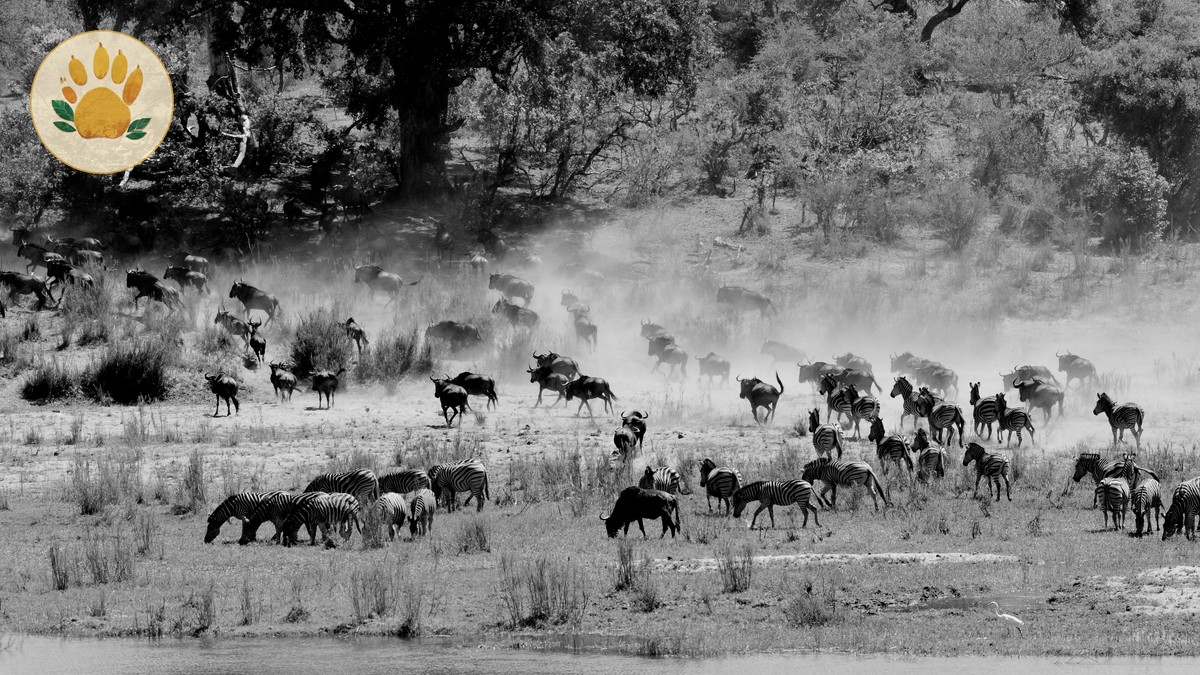
Dust becomes a factor by late July as thousands of animals move across dry ground. Pack a lens cloth and consider a UV filter you don’t mind getting dirty.
Predator Activity
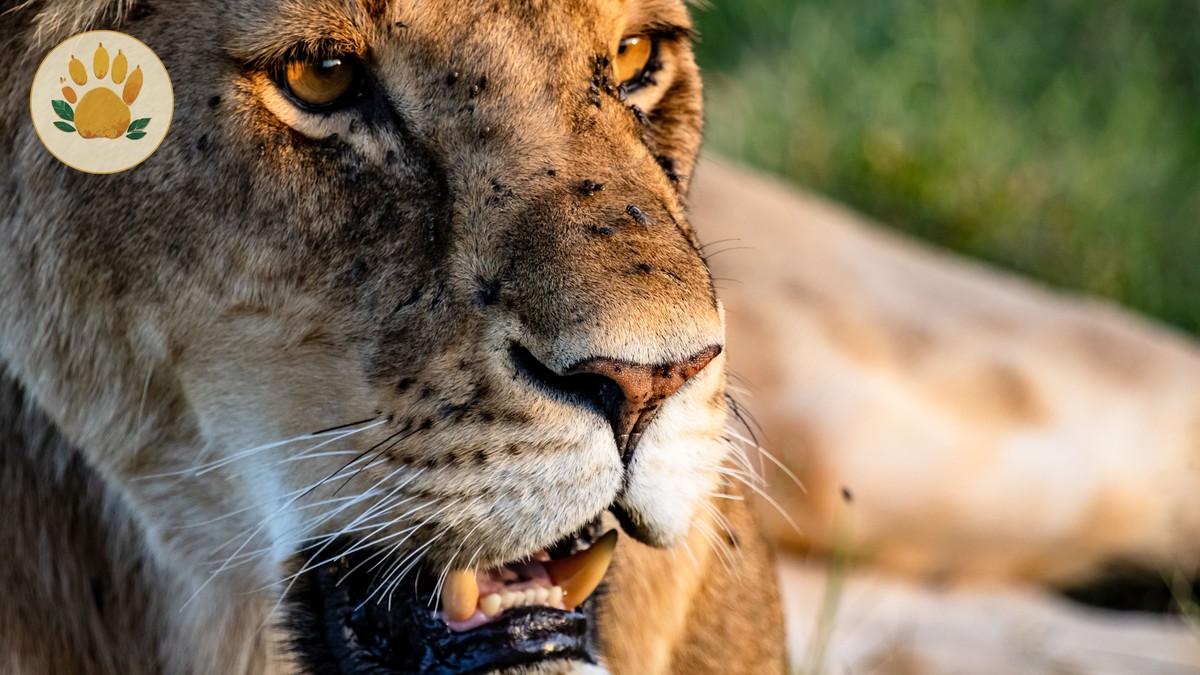
More wildebeest means more predators paying attention. The Mara’s resident lion prides, particularly around the Mara Triangle and Mara North, position themselves near likely crossing points once herd numbers build. Crocodile activity in the Mara River also increases through the month as more animals attempt crossings. Expect the most consistent predator-prey interaction from mid-July onward, once herd density picks up.
Where to Stay
Camp location matters more in July than almost any other month, since being close to a likely crossing point can save hours of driving when a crossing starts.
| Area | Distance to main crossing points | Typical nightly rate (per person) | Best for |
|---|---|---|---|
| Mara Triangle camps (e.g. near Serena Mara) | 5-20 km | USD 400-700 | First crossings, closest to Serengeti border |
| Mara North Conservancy | 15-35 km | USD 80-150 conservancy fee, plus lodge rate | Lower crowds, good early-July game viewing |
| Naboisho Conservancy | 25-45 km | USD 80-150 conservancy fee, plus lodge rate | Predator density, quieter plains |
| Main Reserve, Talek/Sekenani side | 10-30 km | Reserve fee applies, see below | Wide access, more vehicle traffic at crossings |
Conservancy rates above are indicative and vary by camp and season. Always confirm current pricing directly with the property.
Fees: Reserve vs Conservancy in July
This is where July gets expensive, and where most articles go quiet. The Masai Mara National Reserve, run by the Narok County Government rather than Kenya Wildlife Service, raises its non-resident entrance fee from USD 100 to USD 200 per adult per day starting in July, to cover the peak migration season. That rate holds through December.
Private conservancies like Mara North and Naboisho set their own fees, usually bundled into the nightly lodge rate rather than charged separately, and typically work out to USD 80-150 per person per night. For the full picture on how these numbers stack up across the season, see our breakdown of Masai Mara’s seasonal fee structure.
The trade-off is straightforward. Reserve access costs more from July but puts you closer to the widest range of established crossing points. Conservancies cost roughly the same or less, offer fewer vehicles per sighting, but sit slightly further from the river in most cases.
How Many Days to Plan
Given the timing uncertainty, four to five nights gives a much better chance of catching a crossing than a quick two-night stop. If you are working with a shorter window, it’s worth reading our note on whether 3 days in the Mara is enough before booking, since crossing behavior can pause for days at a time even during peak weeks.
If the Herds Arrive Late
In years when rains are delayed, the bulk of the migration can stay in northern Serengeti through late July, with only scattered groups reaching the Mara. If that happens on your trip, camps still deliver strong general game viewing, resident lion prides, elephant herds, and Mara’s usual wildlife density. It is not the same as watching two thousand wildebeest churn across the river, but it is not a wasted trip either.
The SafariPure Difference
We don’t sell July as a guaranteed crossing month, because it isn’t one. What we do is track herd movement reports from guides on the ground through June and early July, then help you choose dates and camp placement based on where the animals actually are that year, not where a brochure says they should be. That means real flexibility on booking dates where camps allow it, and honest odds instead of marketing language when they don’t.
For a wildlife photographer, that honesty matters as much as the light does. Knowing your odds before you fly in changes how you plan the whole week, from vehicle configuration to which mornings you spend at the river versus out on the plains.
Plan Your July Safari
If you want a July trip built around the best available odds this year, we can help you weigh conservancy against reserve, pick camps close to the likely crossing points, and set a realistic itinerary around them. Visit our Masai Mara migration safaris page or get in touch through our contact page to start planning.