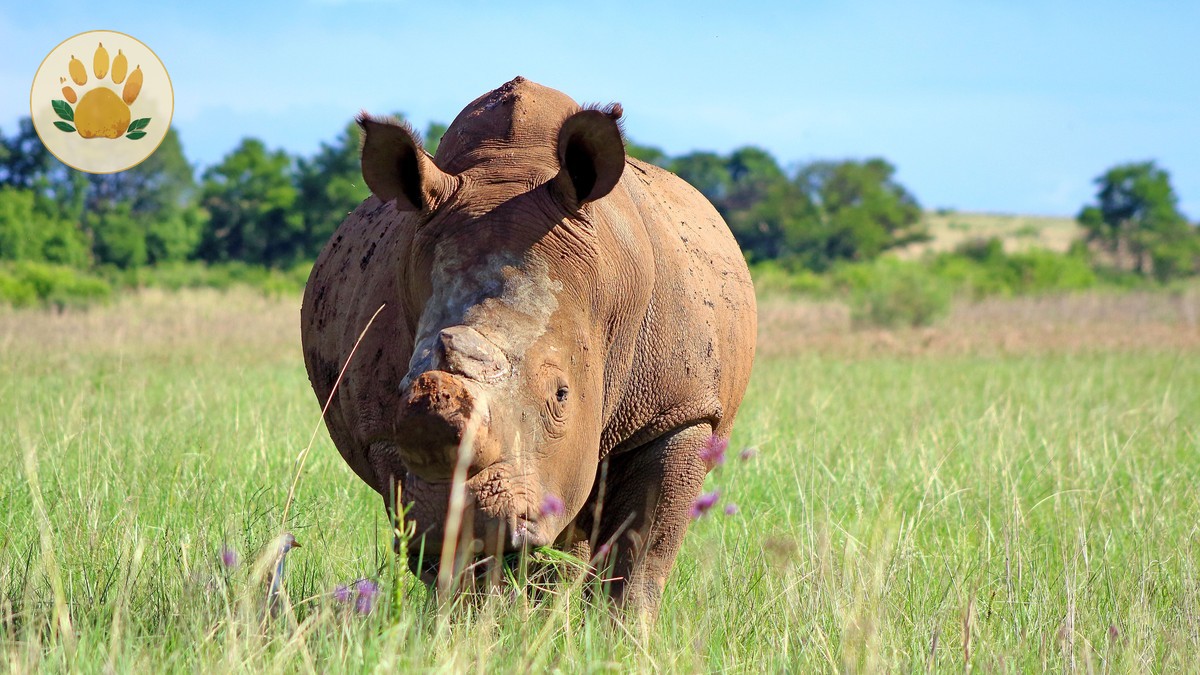
Lewa Wildlife Conservancy is one of the strongest settings for a Kenya rhino safari. It is a private conservancy, not a national park. That changes how you visit. The Lewa rhino monitoring experience is the guest-facing side of the work that makes Lewa famous. You spend time with knowledgeable guides, look for black and white rhinos in Kenya, and learn what the daily records mean. This checklist explains what to expect, what to ask, and how to plan. Start with the broader Lewa rhino tracking safari guide if you still need help with the route.
What the Lewa rhino monitoring experience includes
A Lewa rhino monitoring experience is a conservation-focused safari activity. It centers on locating rhinos, identifying individuals, and learning how sightings support protection and management. Visitors should not assume they join every ranger patrol. For most guests, the activity is a guided outing arranged through the camp.
Expect the guest version to work like this:
- The camp arranges the session with a guide or naturalist. The guide picks the route from recent signs, not from a fixed script.
- Sessions run early or late. Many outings last two to three hours, longer when a rhino is found.
- You stay in the vehicle and use binoculars. Close range is not needed, and that distance protects the rhino.
- The guide connects each sighting to monitoring. Ear notches, scars, family groups, and daily movements all matter.
- Ask about group size before booking. Small vehicles and patient driving make the data conversation easier to follow.
How Lewa monitors identify and track rhinos
Lewa’s teams identify rhinos mainly through ear notches and individual recognition. They record identity, location, behavior, companions, and physical condition. Those observations feed long-term records. The records show births, deaths, movements, home ranges, and population trends.
Monitoring done well looks like this:
- Visual identification begins with the ears. A distinctive pattern lets monitors know exactly which rhino they are looking at.
- Horns, scars, and body condition add a second layer of identification. Monitors note any new injuries or changes.
- Small patrol teams record the location, time, and behavior. Photographs support every sighting.
- A female with a calf is noted separately. That detail helps managers track breeding success.
- The data go into a shared record. Over years, the record becomes a life history for each rhino.
What guests can see and learn in the field
Guests can expect an early or late game drive and an explanation of rhino ecology. They also get practical insight into how trackers separate individuals in the landscape. Sightings are never guaranteed. The experience is more educational than theatrical. The strongest outcome is understanding how behavior, condition, and location become useful data.
Lewa holds both rhino species, so a simple field guide helps. Use this table as a starting point when you are watching from the vehicle.
| Species | Typical adult weight | Main food | Easiest field clue |
|---|---|---|---|
| Black rhino | 800 to 1,400 kg, indicative | Browse on bushes and trees | Pointed, hooked upper lip |
| White rhino | 1,400 to 2,400 kg, indicative | Graze on short grass | Square, wide upper lip |
A useful rhino session follows a quiet rhythm:
- Your guide may begin with feeding signs instead of a live rhino. Fresh droppings and broken branches tell a story.
- The vehicle stops far enough away. The guide explains what the rhino is doing and why.
- Ask what a Lewa monitor would record. The answer may include age, body condition, recent sightings, and companions.
- Photographers should plan for the first and last hours of daylight. A 300mm or longer lens is usually enough.
- Do not pressure the guide for a closer approach. The vehicle position matters more than any photograph.
- You may see Grevy’s zebra, reticulated giraffe, elephant, or lion while you search. Stay patient and keep watching.
Lewa rhino monitoring logistics, access, and cost
Public sources do not publish one standard visitor fee for this experience. The exact price and format should be confirmed with a Lewa camp or safari operator before booking. Confirm whether the activity is included in your stay. Ask whether a private vehicle or specialist guide is required. Ask about the meeting point, duration, minimum age, and seasonal changes.
Work through this checklist with your operator:
- Choose a camp inside the conservancy. Lewa Safari Camp, Kifaru House, and Lewa House are established options. Ask each one how it arranges a rhino-focused outing.
- Request a written price. It should list the activity fee, vehicle use, guide time, conservancy access, and transfers. Treat online estimates as placeholders until the quote arrives.
- Ask how the camp names the activity. Lewa rhino tracking usually means the guest outing. Monitoring usually means the ongoing science. You will join an approved outing, not the field patrol itself.
- Plan your travel route. Most guests fly from Nairobi or drive north through Nanyuki. Ask for current road timing because conditions change with the season.
- Tell the planner you want a conservation-focused morning or afternoon. SafariPure asks these exact questions before confirming a booking. That prevents surprises about access and fees later.
If you are comparing Laikipia options, read the Ol Pejeta vs Lewa safari comparison. Travelers who want to see a second rhino area should also look at Borana vs Ol Pejeta for rhino viewing.
Why rhino monitoring matters for conservation
Rhino monitoring turns individual sightings into management evidence. Teams can follow population growth, breeding success, health, movements, and habitat pressure over time. Lewa’s research and field teams use these records to understand population density and competition. The information supports conservation decisions and wider Kenyan rhino planning.
Why this should matter to a visitor:
- Counting is not enough. Monitoring tells managers which individuals are breeding and which home ranges are being used.
- Health records catch problems early. A monitor may notice injury or condition changes before an animal looks weak.
- Translocation plans depend on records. Moving rhinos to another area is a major decision, and Lewa’s data support that decision.
- A responsibly arranged visit funds the system. Conservancy fees and guiding fees help pay for patrols, vehicles, and monitoring equipment.
Plan your Lewa rhino monitoring experience
Your next step is to choose travel dates and contact SafariPure. Ask us to plan a rhino-focused stay at Lewa and to confirm the current activity format, access route, and written price. We can pair Lewa with other parts of a Kenya rhino safari if you want a longer route. SafariPure guides know Lewa’s daily rhythm. Start with a message through our contact page, and we will handle the rest.