Kenya safari solo travel budget planning starts with one useful question. Should you join a shared vehicle or pay for a private one? Joining a group safari is the biggest cost saver for a solo traveler, and it does not mean a low quality trip. You can still sleep in a decent tented camp and spend full days in real parks. This guide gives you actual park fees, drive times, single supplement notes, camping basics, and three transparent solo budgets.
How much does a Kenya safari cost for a solo traveler?
A solo Kenya safari usually costs about $150-$250 per day on a budget group-joining trip, $350-$600 per day for a comfortable mid-range itinerary, or $800-$1,500-plus per day for luxury. A realistic seven-day budget is therefore roughly $1,050-$1,750, $2,450-$4,200, or $5,600-plus, excluding international flights.
Those figures follow the park fees and vehicle choices below. The single biggest number to know is the non-resident daily park fee. These are current as of October 2025, when Kenya Wildlife Service raised many fees.
| Park or reserve | Non-resident adult daily fee | Notes |
|---|---|---|
| Masai Mara National Reserve | USD 100 January-June, USD 200 July-December | Run by Narok County Government, not KWS. The higher fee covers the peak migration months. |
| Amboseli National Park | USD 90 | KWS fee, year-round. |
| Lake Nakuru National Park | USD 90 | KWS fee, year-round. |
| Tsavo East or Tsavo West National Park | USD 80 | KWS fee, year-round. |
| Nairobi National Park | USD 80 | KWS fee, year-round. |
| Chyulu Hills National Park | USD 40 | KWS fee, year-round. |
| Mara North or Naboisho Conservancy | USD 80-150 per person per night | Usually bundled into lodge rates. |
Many budget safari packages already include park fees in the quoted price. If a quote looks very low, check whether Masai Mara fees in July-December are covered. A package that lists only $90 per day may be using the Amboseli fee, not the Mara peak fee. Our guide on the best time to visit the Masai Mara breaks down how season shifts these numbers month by month.
Kenya safari budget by travel style
The cheapest practical option is a shared safari van with basic camping or budget accommodation. Mid-range travel usually combines private 4×4 transport with permanent tented camps. Luxury solo travel adds private guiding, premium lodges, conservancy access, and sometimes internal flights. Your vehicle arrangement often affects the price more than the room itself.
For a solo traveler on a budget, the group joining safari is the default choice. You share a safari van or Land Cruiser with four to seven other guests. The cost of the guide, fuel, and park circuit is split across the group. You get a window seat, meals, and a fixed itinerary. The trade off is less flexibility about photography stops and departure times. Our group joining safari guide covers how to pick a reputable operator and what a typical day looks like.
Public transport connections can cut costs too, but only for reaching the gate towns. A bus from Nairobi to Narok takes about three hours and costs roughly KES 500-1,000. From Narok you can take a shared taxi to the Sekenani or Talek gate for another KES 1,000-2,000. Once inside the park you still need a safari vehicle and guide. For most solo travelers, joining a Nairobi departure is easier and often cheaper than piecing together buses and taxis.
| Route leg | Distance | Typical drive time | Budget travel note |
|---|---|---|---|
| Nairobi to Masai Mara Sekenani Gate | about 270 km | 5-6 hours | Shared safari van or bus to Narok plus shared taxi |
| Masai Mara to Lake Nakuru | about 280 km | 6 hours | Most group safaris stop in Narok for fuel |
| Lake Nakuru to Nairobi | about 160 km | 3 hours | Return by shared van or Naivasha shuttle |
| Nairobi to Amboseli | about 230 km | 4-5 hours | Via Emali, then taxi from Loitokitok or Emali |
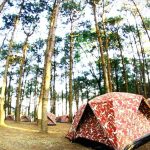
Camping is a real budget tool. Basic KWS campsites and private camps just outside the parks often cost $20-$40 per adult per night as an indicative range. You will need to carry or rent a tent, sleeping bag, and food unless the operator provides them. Check our Kenya safari packing list before you decide what to bring versus rent. A group camping safari usually supplies all camping gear and a cook, which raises the daily price above pure campsite fees but keeps the total far below lodge rates.
Private mid-range travel costs more because you do not share the vehicle. You pay for the full 4×4 and driver-guide every day, plus a tented camp or lodge room that may carry a single supplement. This style suits solo travelers who want a fixed private departure, a quieter vehicle, and more control over stops. A private Land Cruiser with driver-guide often costs $300-$450 per day as an indicative range in peak season.
Fly-in luxury removes long drives. You fly from Nairobi Wilson Airport to airstrips inside or near the parks. In a private conservancy such as Mara North, you may stay at a small tented camp and have a dedicated guide. Night drives are usually allowed only in private conservancies, not national parks. If you want that option, ask how private conservancy night drives work before booking.
What makes a solo Kenya safari more expensive?
Solo travelers pay more because accommodation may carry a single supplement, and a private vehicle, guide, and fuel cannot be divided among two or more guests. Joining a scheduled group safari reduces both costs. Booking a private trip can add roughly 20%-75% to the accommodation portion and make transport the largest extra expense.
The single supplement is the clearest solo cost. Many camps and lodges publish rates per person sharing. A solo guest may pay 25%-100% extra for the same room or tent. Some camps waive the supplement in low season or for longer stays. Our safari single supplement guide lists which camp types tend to charge the most. Always ask for a solo traveler rate in writing before you pay a deposit.
Vehicle costs are the larger hidden expense. In a group of five, vehicle and guide costs split to about $60-$90 per person per day. In a private safari, one traveler carries the full $300-$450 per day. That single line explains most of the difference between a $180 day and a $450 day.
Group joining safaris fix this problem. You share the vehicle, but you still have your own seat and window. A van with six or seven guests can feel crowded for serious photography. A Land Cruiser with four or five is more comfortable. Before booking, ask how many guests the vehicle carries and whether the roof can be raised fully.
Kenya safari costs by park, season, and trip length
Park fees, demand, and the number of safari days drive the total price. The Maasai Mara is especially expensive during the July-December peak period, while January-June generally costs less. Lake Nakuru and Amboseli can also add substantial daily fees. A longer itinerary lowers the relative cost of international transfers but increases total accommodation and entry fees.
Season changes the Masai Mara most. A three-night stay in January adds $300 in non-resident park fees per adult. The same stay in August adds $600. Amboseli and Lake Nakuru have flat $90 fees all year, so their price swings come from lodge demand, not park entry.
Trip length works as a trade off. A two-night safari from Nairobi covers less ground but avoids one extra night of accommodation and one extra park day. A seven-night trip lowers the per-day cost of getting from Nairobi to the parks, but it adds three or four more $80-$200 park fees. If you have a late flight, you may want to check leaving luggage in Nairobi before or after your safari instead of paying for an extra hotel night.
Extra costs to include in a Kenya safari budget
Add international flights, travel insurance, visas or entry requirements, Nairobi accommodation, airport transfers, tips, drinks, laundry, souvenirs, and optional activities to the quoted safari price. Also confirm whether park fees, meals, baggage transfers, internal flights, and conservancy fees are included. A contingency of 10%-15% helps cover last-minute transport or personal expenses.
Start with the basics outside the safari package. A Nairobi budget dorm costs roughly $15-$25 per night, a simple private room $40-$80, and a mid-range hotel $100-$150 as indicative ranges. Ask whether airport pickup is included in your safari quote. If not, a taxi from Jomo Kenyatta International Airport to central Nairobi often runs $20-$30.
Visas and insurance are easy to forget. Kenya requires an eTA or visa for many nationalities, and the fee is separate from your safari. Travel insurance with medical evacuation is not optional on a safari. Tips are customary. A useful general range is $10-$20 per day for a driver-guide and $5-$10 per day for camp or lodge staff, divided per staff group.
Optional activities can change the budget quickly. A Maasai village visit often costs $20-$30. A hot air balloon safari commonly runs $450-$550. A night drive in a private conservancy may be included or cost extra, so confirm how private conservancy night drives work when you compare packages. Drinks, laundry, and souvenirs add another cushion.
The SafariPure Difference
SafariPure keeps the numbers honest. We plan solo Kenya safaris around current park fees, real single supplements, and drive times you can actually handle. We would rather tell you to join a group and save money than sell you a private vehicle you do not need. When a private trip is worth the extra cost, we show the trade off in plain terms. Our team checks the latest Narok County and KWS fees before quoting, so your Kenya safari solo travel budget does not hide an old fee or a missing park entry.
Frequently Asked Questions
How much does a solo safari in Kenya cost?
A budget group-joining safari costs approximately $150-$250 per person per day. A mid-range private safari is commonly about $350-$600 per day, while luxury trips can exceed $800 per day. These figures usually exclude international flights and personal expenses.
Can I join a group safari alone in Kenya?
Yes, solo travelers can book a group-joining safari and share the vehicle with other guests. This is usually the most affordable option because the guide, vehicle, fuel, and some accommodation costs are divided among travelers. Confirm the maximum group size, pickup location, accommodation standard, and whether the itinerary is fixed before booking.
Do solo travelers pay more for a Kenya safari?
Usually, yes. A single supplement may apply when a room or tent is priced for two people, and a private safari leaves one traveler responsible for the full vehicle and guide cost. Joining a group is the simplest way to reduce the solo premium.
What is the cheapest month to go on safari in Kenya?
The lower-cost periods are generally the rainy or shoulder seasons, especially March-April and November, although availability and road conditions can vary. January through June is often cheaper than the July-October peak in the Maasai Mara. Compare the full package price rather than judging savings from park fees alone.
How much is a 7-day Kenya safari for one person?
A seven-day solo safari may cost about $1,050-$1,750 for a budget group trip, $2,450-$4,200 for mid-range travel, or $5,600 and above for luxury. The final price depends on park fees, season, accommodation, vehicle type, internal flights, and whether the safari is shared or private.
Plan Your Kenya Safari Solo Travel Budget
Plan the trip with SafariPure. Tell us your dates, the parks you want, and whether you prefer a group joining safari or a private vehicle. We will quote real current park fees and show you where the solo premium applies. Visit our contact page to start.