If you have read even one Kenya safari brochure, you have seen the phrase “Big Five.” It sounds like a checklist, and in a way it is. But the term has a specific history. Knowing it will help you plan a trip that actually delivers on the promise, instead of one that quietly leaves out a rhino or two.
What Is the Big Five Kenya Safaris Promise?
The Big Five refers to five African animals: the lion, the African elephant, the Cape buffalo, the leopard, and the rhinoceros (black or white). That is the answer to what is the Big Five Kenya travelers keep asking about, and it holds across the whole continent.
The term did not start as a wildlife-watching idea. It came from big-game hunting in the 19th and early 20th centuries. Hunters used it to describe the five animals that were hardest and most dangerous to hunt on foot. It was not a list of the five largest animals in Africa. A hippo, for instance, kills more people in Africa each year than any of the Big Five. It never made the list because it was rarely hunted on foot in thick bush.
Why Is It Called the Big Five?
The name is about risk to the hunter, not body size. A cornered buffalo, a wounded leopard in dense cover, or a charging elephant could turn on a hunter fast. Each required nerve and skill to face at close range. Today the phrase has shifted meaning. Safari operators use it to describe the five animals visitors most want to see and photograph. The danger is now part of the appeal, not the point of the trip.
The Five Animals: Quick Profiles
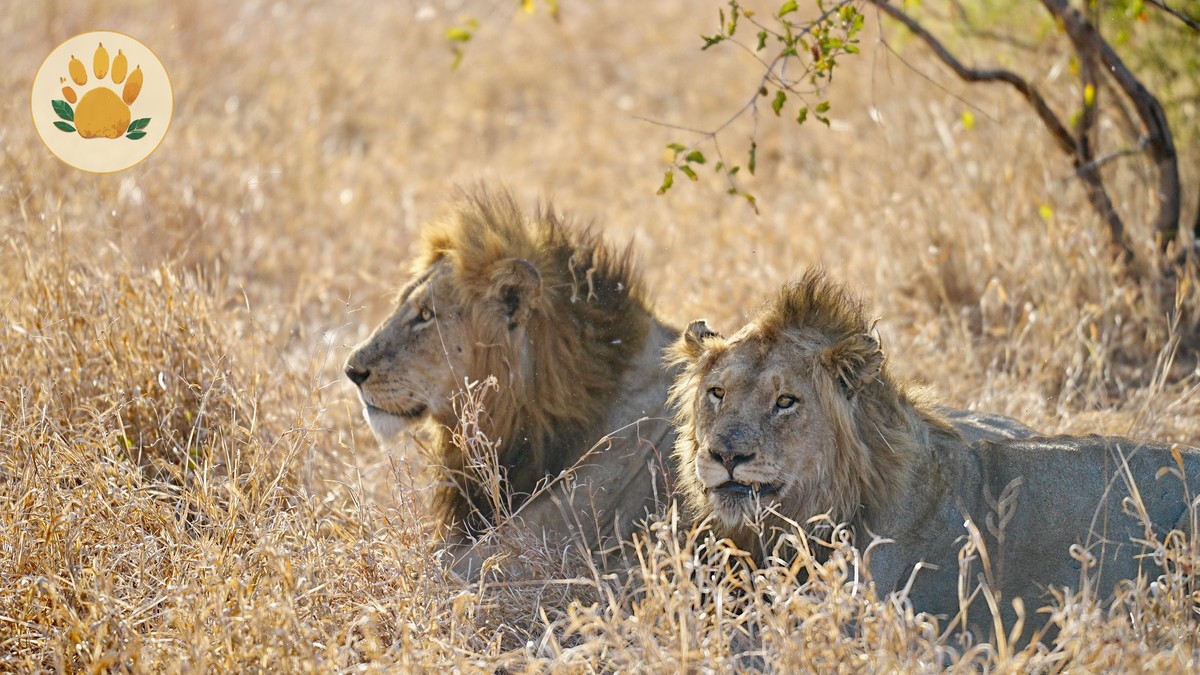
Lion. Kenya’s lions live in prides of up to 15 animals. Masai Mara has one of the highest lion densities in Africa. Sightings there are close to guaranteed on a two or three night stay.
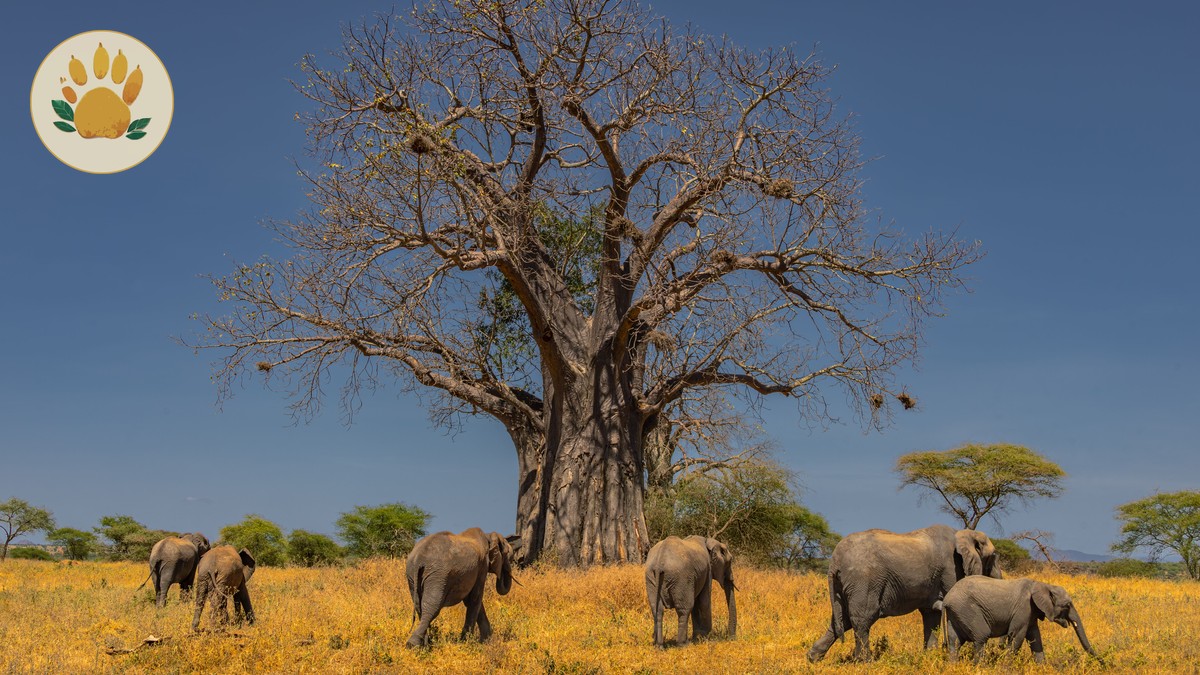
African elephant. Herds are matriarch-led and can number 20 to 50 animals. Amboseli is famous for elephants because the swamps at the base of Kilimanjaro keep large herds close to the roads. Big tuskers are often among them.
Cape buffalo. Buffalo move in herds of a few dozen to several hundred. They are common across almost every Kenyan park and are usually the easiest of the five to find.
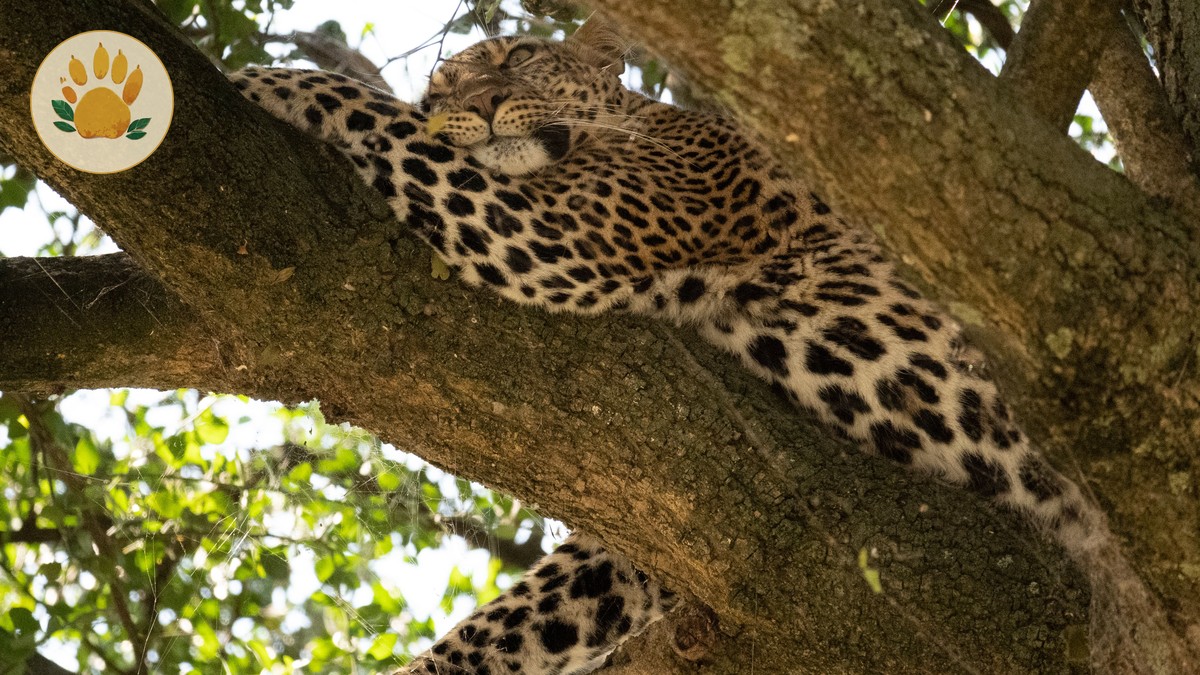
Leopard. Solitary, mostly nocturnal, and the hardest of the five to spot reliably. Good leopard country includes the riverine forest along the Mara River and the rocky outcrops of Samburu.
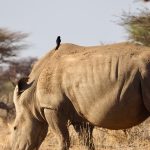
Rhinoceros. Kenya has both black rhino (browsers, more solitary) and white rhino (grazers, more social). Rhinos are the animal most affected by poaching history. This is why their range in Kenya is now limited to specific protected areas, not spread across every park.
Where to See the Big Five in Kenya
This is where most guides get vague, and where a lot of trip planning goes wrong. Amboseli National Park is Kenya’s most photographed elephant destination, but it has no resident rhino population. If seeing all five animals in one park matters to you, Amboseli alone will not deliver that. That holds no matter how good the elephant sightings are.
Masai Mara comes closest to a true one-park Big Five experience. That is largely because of rhino populations protected in the Mara Triangle and the Mara Conservancy. Ol Pejeta Conservancy, near Nanyuki, is the most dependable single site for rhinos in Kenya. It holds both black and white rhino, including the last two northern white rhinos on Earth. Lake Nakuru National Park is a strong rhino sanctuary too, though it has very few elephants because of its smaller size.
| Park or Conservancy | Distance from Nairobi | Typical Drive Time | Park Fee (non-resident, per day, indicative) | All Big Five Present |
|---|---|---|---|---|
| Masai Mara National Reserve | 270 km | 5 to 6 hours | USD 80 | Yes, rhinos concentrated in Mara Triangle |
| Amboseli National Park | 240 km | 4 hours | USD 60 | No, lacks resident rhinos |
| Ol Pejeta Conservancy | 200 km | 3.5 hours | USD 90 | Yes, best rhino density in Kenya |
| Lake Nakuru National Park | 160 km | 2.5 to 3 hours | USD 60 | Partial, very few elephants |
| Tsavo West National Park | 240 km | 4 hours | USD 52 | Yes, via the rhino sanctuary |
| Samburu National Reserve | 325 km | 5.5 to 6 hours (or 1-hour flight) | USD 70 | No, no rhinos, has the Special Five instead |
Fees change year to year and vary by season. Treat these as indicative ranges, not fixed prices, and confirm current rates with your operator before booking.
For a trip built specifically around this animal list, a 3-day Masai Mara itinerary built around Big Five sightings covers the ground efficiently. Travelers with more time often combine parks. A 5-day Kenya safari itinerary covering multiple Big Five parks pairs the Mara with Ol Pejeta or Nakuru for a complete count. If Amboseli’s elephants and Kilimanjaro views are the priority, rather than a full Big Five tick, consider an Amboseli day trip from Nairobi. It is a realistic way to see them without an overnight stay.
Best Time of Year to See the Big Five
The dry season, from June to October, is the most reliable window. Grass is shorter, animals gather near permanent water sources, and dirt roads are firmer for game drives. This period also overlaps with the Great Migration in the Mara, from roughly July to October. That adds enormous herds of wildebeest and zebra to the same landscape.
The dry months from January to February also work well and see fewer visitors. The long rains, from March to May, bring lower prices and lush scenery. Thicker vegetation makes leopard and rhino sightings harder, and some roads become difficult after heavy rain.
Tips for a Successful Big Five Safari
Book a minimum of three nights in one park rather than one night in five parks. Wildlife does not appear on a schedule, and rushing between parks reduces your odds with every animal, especially leopard.
Go out early, ideally before 6:30am. Predators are more active at dawn, and buffalo and elephant herds are often still near overnight water sources before the heat sets in.
Use a guide who knows the specific area. Local trackers in the Mara Triangle, for example, know which stretch of river forest a resident leopard favors that week. General knowledge cannot replicate that.
Budget realistically. A camping-based Big Five safari can run from roughly USD 150 to 250 per person per day. Mid-range lodges run USD 250 to 450, and luxury camps start around USD 600, before international flights. These are indicative bands, and actual costs depend on season, group size, and park fees.
Is It Safe to See the Big Five?
Yes, when you follow your guide’s instructions. Game drives happen from vehicles, and animals in Kenya’s parks are used to vehicle presence, so they rarely react to a parked car. Walking safaris are offered in places like Ol Pejeta and parts of the Mara Conservancy. They are led by armed rangers trained specifically for close encounters with buffalo and elephant. Serious incidents involving tourists are rare, and the real risks on a Kenya safari are usually mundane, like road conditions, not animal attacks.
Beyond the Big Five
The Great Migration is a different phenomenon from the Big Five, though the two overlap in the Mara from July to October. The migration involves roughly 1.5 million wildebeest and 200,000 zebra moving between the Serengeti and the Mara, following rainfall and grass growth. It is a seasonal event, not a fixed set of species.
Samburu National Reserve, in northern Kenya, markets its own version of this idea: the Samburu Special Five. These are five animals adapted to the arid north. They are rarely seen elsewhere in Kenya: the reticulated giraffe, Grevy’s zebra, Somali ostrich, gerenuk, and beisa oryx. Samburu has lion, elephant, buffalo, and leopard, but no rhino, so it works as a Special Five destination rather than a Big Five one.
The SafariPure Difference
Most safari sites list the same five animals and the same seven parks, then stop there. We think the more useful thing is telling you what each park actually delivers, including the gaps. That means Amboseli’s missing rhinos or Nakuru’s thin elephant numbers, not just the highlights. Our itineraries are built around which parks pair well together for a genuine Big Five count. We use realistic drive times and honest price bands, not marketing language. We plan trips the way a guide would explain them over a campfire: plainly, and with the trade-offs included.
Plan Your Big Five Safari
If you are ready to turn this into an actual itinerary, we can help you match parks, season, and budget to what matters most to you. Visit our contact page to start planning your Kenya safari with SafariPure.