Every first-time safari planner researching a tented camp vs lodge Kenya safari stay reaches the same fork in the road. Book a tented camp with canvas walls and a lion calling somewhere in the dark, or a lodge with solid walls, a pool, and a locked door. Both put you a short drive from the same wildlife. The difference is what happens between game drives, especially after the generator switches off at night.
This guide skips the soft sell you find on most operator sites. It covers what a 2am bathroom trip looks like, how cold a tent gets in July, and what you will really pay across Masai Mara, Amboseli, and Tsavo.
What Is a Tented Camp?
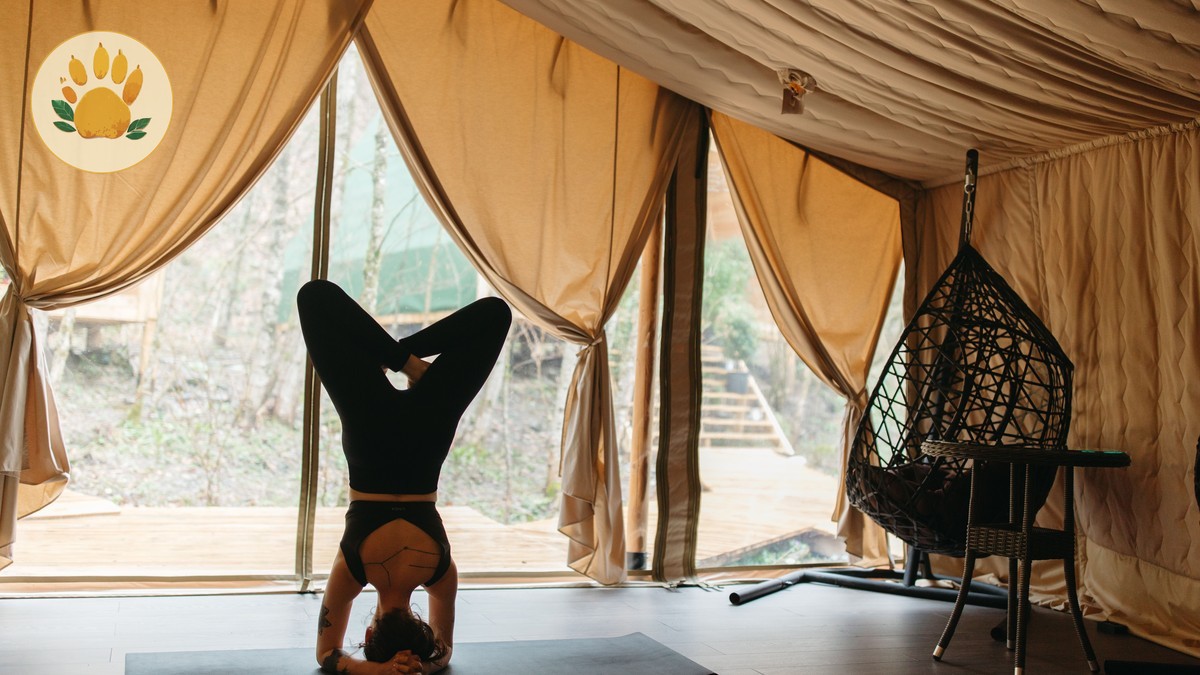
A tented camp is a cluster of large canvas tents, usually raised on a wooden platform, each with its own en-suite bathroom, a real bed, and a small veranda. The walls are canvas, not brick, though the frame and floor are solid. Most sit inside a private conservancy such as Naboisho or Ol Kinyei, next to the Masai Mara National Reserve, or along a riverbank in Amboseli.
Tents range from simple budget setups with bucket showers to permanent luxury structures with plunge pools and butler service, like Angama Mara or Mahali Mzuri. What they share is proximity. You hear the bush at night because there is only canvas between you and it.
What Is a Safari Lodge?
A lodge is a permanent building of stone, brick, or timber, with individual rooms or cottages arranged around a main dining and lounge area. Walls are solid, windows lock, and corridors are usually lit. Lodges tend to sit on larger footprints with more rooms, so they suit bigger groups and families better than most small tented camps.
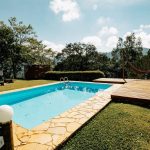
Examples include Keekorok Lodge and Sarova Mara in the Masai Mara, Ol Tukai Lodge in Amboseli, and Voi Safari Lodge in Tsavo East. Lodges generally offer more built-in amenities: swimming pools, spas, conference rooms, and sometimes a viewing hide over a waterhole.
Wildlife Proximity: Immersion vs Separation
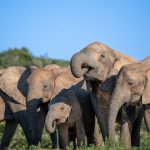
This is the real trade-off, more than price or comfort. A tented camp puts you inside the ecosystem. Hippos graze past your tent at Governors’ Camp on the Mara River. Elephants pass within meters of guy ropes at Tortilis Camp in Amboseli. Staff escort you after dark because the camp is unfenced, and that walk is part of the experience.
Lodges usually sit on fenced or semi-fenced properties, sometimes with a perimeter wall or a dry moat. You still see plenty of wildlife on drives, and some lodges have waterholes that draw animals right up to the terrace. But you sleep behind a solid door, and staff do not need to walk you to your room with a torch.
What Happens at 2am?
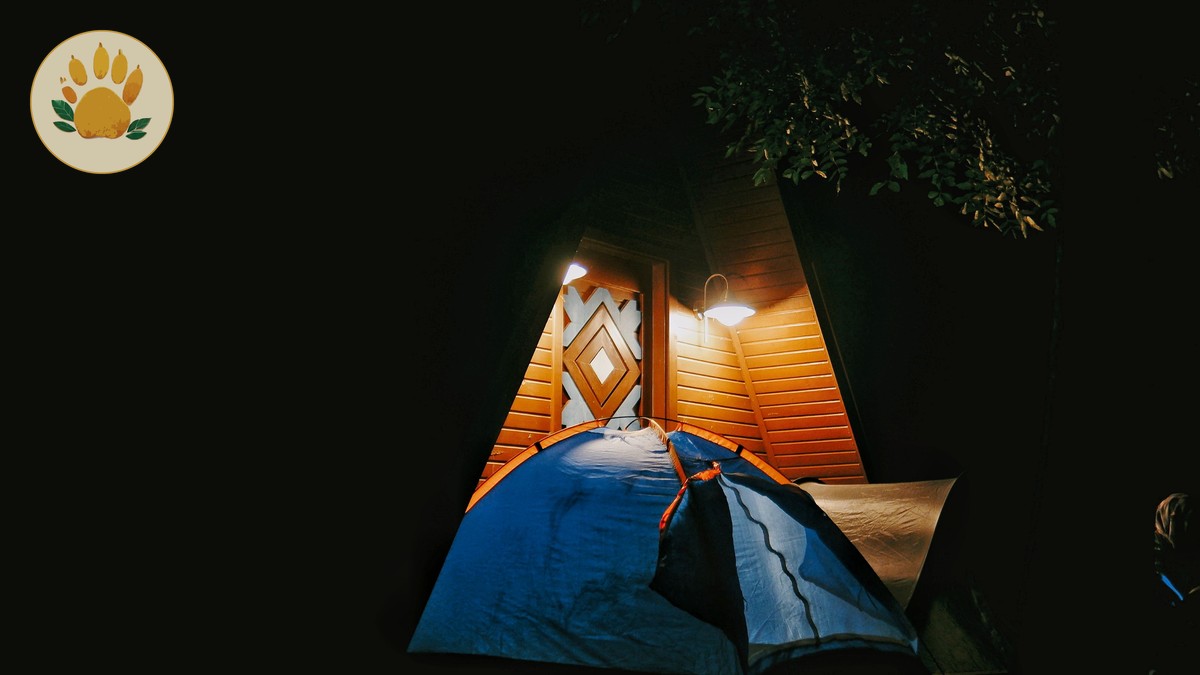
This is the question most comparison articles skip. In an unfenced tented camp, you cannot walk to the bathroom or step outside alone after dark. Every camp gives you a torch and a whistle or a walkie-talkie, and a guard or guide walks you the short distance between your tent and the dining area after dinner. Once you are zipped into your tent for the night, the en-suite bathroom is inside the canvas structure, so you do not need to go outside again. If you need help, you use the radio or whistle to call a guard.
In a lodge, you can generally step into the corridor to reach the bathroom or a night desk without an escort, though some still ask you not to wander the grounds alone. If a 2am walk through the bush sounds unsettling rather than exciting, a lodge, or a fenced tented camp, removes that step entirely.
Is It Safe to Sleep With Lions Nearby?
Yes, when camps follow standard protocol. Tents are zipped, staff patrol at night, and animals treat the camp boundary as neutral space they generally avoid entering. Incidents are rare precisely because camps take the escort rule seriously. The genuine risk is not the sleeping platform, it is guests who ignore the “do not leave your tent alone” instruction. Follow it and a tented camp is as safe as a lodge.
Solo female travelers often ask this question first. Reputable camps assign a dedicated escort on request and many now offer camps with additional female staff. For a fuller breakdown, see SafariPure’s safety considerations for solo female travelers.
Comfort and Weather: Cold Nights and Rain
Kenya’s short rains fall from late October through November, and temperatures drop sharply overnight during June and July, especially at altitude in the Mara, which sits around 1,500 to 1,800 meters. Canvas tents cool faster than solid buildings once the sun sets. Most permanent tented camps now supply hot water bottles, thick duvets, and sometimes in-room heaters for these months, but a budget tent without heating can feel genuinely cold by 4am in July.
Rain on canvas is loud, and cheaper tents can develop damp patches in a heavy downpour. Better-built camps use double-layer canvas and cover walkways, which solves most of the problem. Lodges hold heat better through solid walls and rarely need extra bedding, though older lodges can feel drafty in stone corridors during cold snaps.
If you want the tented experience without the temperature swing, ask specifically whether heaters or hot water bottles are included before booking a July or November stay.
Amenities: Pools, Spas, and Family Facilities
Lodges generally win on built amenities. Swimming pools are common even at mid-range lodges, along with spa treatments, gift shops, and sometimes conference facilities. Families traveling with young children often find lodges easier, since rooms interconnect and grounds are fenced for safer daytime movement. SafariPure has a separate guide to family-friendly lodges with pools if that is your priority.
Luxury tented camps have closed much of this gap. Camps like Angama Mara and Mahali Mzuri now offer plunge pools, spa tents, and multi-course dining that matches any lodge. Budget tented camps, by contrast, keep amenities minimal: a shared dining tent and basic showers.
For travelers who want to sleep under canvas with a view of the stars, some camps also offer a dedicated open-air platform. SafariPure covers those separately in our guide to star-bed camps.
Price Comparison: Budget to Luxury
Prices below are indicative per person per night, sharing a double room, in high season, and exclude park fees and flights. Rates shift with season, operator, and exchange rates, so treat these as planning ranges rather than quotes.
| Park | Format | Budget (USD) | Mid-range (USD) | Luxury (USD) |
|---|---|---|---|---|
| Masai Mara | Tented camp | 80-150 | 200-350 | 600-1,200+ |
| Masai Mara | Lodge | 70-130 | 180-300 | 500-900 |
| Amboseli | Tented camp | 70-120 | 180-280 | 450-800 |
| Amboseli | Lodge | 60-100 | 150-250 | 400-700 |
| Tsavo East/West | Tented camp | 60-100 | 150-220 | 350-600 |
| Tsavo East/West | Lodge | 50-90 | 130-200 | 300-550 |
Park entry fees add to the total and vary by reserve. As a planning guide, expect roughly $70-100 per person per day in the Masai Mara National Reserve or its private conservancies. Amboseli National Park runs $60-97, and Tsavo East and Tsavo West sit around $52. These figures shift, so confirm current rates with the relevant county or Kenya Wildlife Service before booking.
Logistics also affect the final cost. From Nairobi, the Masai Mara is about 270 km by road, a five to six hour drive, or a 45-minute flight into airstrips like Musiara or Keekorok. Amboseli is roughly 240 km south, four hours by road or a 45-minute flight. Tsavo East is about 330 km southeast, four to five hours by road, and sits closer to the coast route toward Mombasa.
Named Favorites: Lodges vs Tented Camps
For a tented experience, Governors’ Camp on the Mara River, Angama Mara on the Oloololo Escarpment, and Mahali Mzuri in the Motorogi Conservancy consistently rank among Kenya’s best. For a lodge stay, Keekorok Lodge, the oldest permanent lodge in the Mara, Ol Tukai Lodge with its Kilimanjaro views in Amboseli, and Voi Safari Lodge overlooking a Tsavo waterhole are reliable, well-run choices across budget tiers.
Tented Camp vs Lodge Kenya Safari: Which Should You Choose?
- Families with young children: a lodge, for fenced grounds, interconnecting rooms, and a pool for downtime between drives.
- Honeymooners: a luxury tented camp, for privacy, plunge pools, and the sound of the bush at night.
- Migration season travelers (July-October): either format works, but book conservancy tented camps early since Mara lodges fill fast.
- Budget backpackers: a budget lodge or basic tented camp in Tsavo, where prices run lowest and access from the coast is easier.
- Purists chasing full immersion: an unfenced tented camp, accepting the escorted night walks as part of the deal.
Can You Combine Both on One Trip?
Yes, and it is a common and sensible approach. A typical eight-day itinerary might open with two nights at a Nairobi or Amboseli lodge to ease into the trip. It then moves to a Masai Mara tented camp for the core wildlife days, before finishing with a lodge stay near Tsavo on the way to the coast. Splitting your nights this way lets first-time travelers experience both formats and decide, firsthand, which one they prefer for a future trip.
The SafariPure Difference
We do not push one format over the other, because the right choice depends on your trip, not on which camp pays the highest commission. SafariPure builds itineraries around your actual priorities: proximity to wildlife, budget, travel dates, and how you feel about a torchlit walk to your tent at night. We have stayed at the lodges and camps we recommend, so the advice reflects real nights in the bush, not brochure copy.
Plan Your Stay With SafariPure
Still deciding between canvas and concrete? Our team can match the right camps and lodges to your dates, budget, and comfort level across the Masai Mara, Amboseli, and Tsavo. Get in touch with SafariPure to start planning your Kenya safari.