If you have already done the Masai Mara, Samburu is the natural next step. It sits north of the equator, in dry, russet country along the Ewaso Nyiro River, and it holds species you will not see south of Nairobi. A samburu to masai mara safari combo is possible, and worth planning properly. The real question is how many days it costs you, and whether you fly or drive between them.
This guide gives you the numbers the tour-operator pages leave out.
Why a samburu to masai mara safari combo works
The Masai Mara gives you the Mara River, the wildebeest migration in season, and the highest predator density in Kenya. Samburu gives you a completely different ecosystem: doum palms, volcanic hills, and arid-adapted species that never appear on a standard Mara checklist.
Pairing them means you see two Kenyas in one trip instead of a longer version of the same one. For a repeat visitor who has already ticked the Mara’s Big Five, that contrast is the entire point of going back.
How many days do you need
Most operators sell this as a six-day trip. Six days works if you accept one full day in Samburu and two in the Mara, with travel days squeezed around them. It is tight.
Seven to eight days is the realistic minimum if you want two full game-viewing days in each park, plus a buffer for the transfer. A sensible structure looks like this:
- Day 1: Arrive Nairobi, fly or drive to Samburu
- Days 2 to 3: Full days in Samburu, Buffalo Springs, and Shaba
- Day 4: Transfer to the Masai Mara (fly via Nairobi, or drive)
- Days 5 to 6: Full days in the Masai Mara
- Day 7: Final morning game drive, fly back to Nairobi
- Day 8: Departure day or extension to Lake Nakuru or Laikipia
If you have nine days or more, consider adding a night in Laikipia between Nairobi and Samburu. It shares the same dry-country wildlife and adds community conservancies like Ol Pejeta without much extra driving.
Wildlife comparison: Samburu Special Five vs Masai Mara
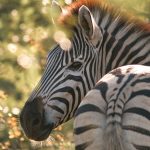
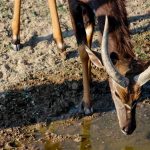
Samburu’s draw is the Samburu Special Five: Grevy’s zebra, reticulated giraffe, Beisa oryx, gerenuk, and Somali ostrich. None of these are reliably seen in the Masai Mara. The Mara answers with the classic Big Five, plus the wildebeest and zebra migration crossing the Mara River between roughly July and October.
| Samburu | Masai Mara | |
|---|---|---|
| Signature wildlife | Samburu Special Five, elephants, leopards along the river | Big Five, wildebeest migration (Jul-Oct) |
| Landscape | Semi-arid scrub, doum palms, Ewaso Nyiro River | Open savanna grassland |
| Typical crowd level | Low, especially outside July-August | High in peak season, lower in conservancies |
| Best for | Repeat visitors, birders, off-peak travel | First-time Big Five sightings, migration |
Samburu is not a lesser park. It is a different one, and it is worth two full days on its own terms, not a single afternoon bolted onto a Mara trip.
How to travel between Samburu and Masai Mara
There is no direct flight between the two. Both Safarilink and Air Kenya route you through Wilson Airport in Nairobi, but most travel desks can book it as a single connecting itinerary on the same day. For the mechanics of each carrier’s network, see our guide to Safarilink vs Air Kenya domestic flight options.
Driving is possible but long. It usually means two separate road days, Samburu to Nairobi, then Nairobi to the Mara, since the roads do not connect the parks directly to each other.
| Leg | Road distance | Drive time | Flight time | Approx one-way fare (non-resident) |
|---|---|---|---|---|
| Samburu to Nairobi (Wilson) | approx 325 km | 5 to 6 hours | 50 to 60 minutes | USD 150 to 220 |
| Nairobi (Wilson) to Masai Mara | approx 270 km | 5 to 6 hours | 40 to 45 minutes | USD 150 to 220 |
| Samburu to Masai Mara, combined | approx 590 km | 10 to 12 hours, usually split across two days | approx 2 to 2.5 hours with connection | USD 300 to 450 |
For most itineraries under nine days, flying is the better trade. It returns a full game-drive day to your trip instead of spending it on tarmac and murram roads.
Best time of year for the combo
Samburu is good year round, since its wildlife concentrates near the river regardless of season. The dry months, June to October and January to February, give the easiest game viewing and the firmest roads.
The Masai Mara’s calendar is different. The wildebeest migration typically crosses the Mara River between July and October, which is also when Narok County’s park fees rise. Outside migration season, from November to June, the Mara is quieter and cheaper, though you trade the river-crossing spectacle for lower prices and fewer vehicles at each sighting.
If crowds matter more to you than the migration, aim for late January to March. You get good Samburu weather, a calmer Mara, and lower entrance fees on the Mara side of the trip.
Where to stay: camps by budget tier
Pricing varies by season and by whether meals and activities are included. These are indicative per-person, per-night, full-board ranges, so confirm current rates before booking.
| Tier | Samburu | Masai Mara | Approx rate (pppn, full board) |
|---|---|---|---|
| Budget/midrange | Samburu Sopa Lodge, Ashnil Samburu Camp | Mara Simba Lodge, Sarova Mara Game Camp | USD 150 to 280 |
| Midrange | Elephant Bedroom Camp, Samburu Intrepids | Mara Serena Safari Lodge, Ashnil Mara Camp | USD 300 to 450 |
| Luxury | Saruni Samburu, Sasaab, Elewana Elephant Watch Camp | Angama Mara, Mahali Mzuri, Rekero Camp | USD 600 to 1,200+ |
Conservancy camps around the Mara, in Naboisho or Mara North, typically bundle a conservancy fee of roughly USD 80 to 150 per person per night into the room rate. That fee usually buys you night drives and off-road viewing that the main reserve does not allow.
What’s included and what it costs
Park fees are the biggest variable cost most travelers underestimate. Masai Mara National Reserve, run by Narok County Government rather than Kenya Wildlife Service, charges USD 100 per adult per day from January to June, rising to USD 200 per adult per day from July to December during peak migration season. Samburu National Reserve sets its own fees independently and they change without much notice, so budget an indicative USD 70 to 100 per adult per day and confirm with your operator before departure.
For a full breakdown of what KWS and county reserves currently charge across Kenya, see our guide to current Kenya national park entry fees. Domestic flights, conservancy fees, and park entry are the costs quoted least clearly by most operators, alongside the hidden extra costs on safari tours that show up once you are already booked.
A realistic all-in budget for a seven-day combo, flights included, runs from about USD 2,800 per person in the budget tier to USD 6,000 or more in the luxury tier, before international airfare.
Crowds and experience differences
The Masai Mara in July and August can mean a dozen vehicles at a single sighting during the crossing. Samburu rarely reaches that density, even in high season, because it draws a smaller share of first-time visitors. If you have already done the crowded version of Kenya, Samburu’s quieter pace is often the more memorable half of this trip.
The SafariPure Difference
We build this combo around your actual day count, not a template. If you have six days, we tell you plainly what you will and will not see, rather than overselling a rushed itinerary. If you have eight or nine, we route in Laikipia or Lake Nakuru where the timing genuinely works, not because it pads the price. Every quote separates park fees, conservancy fees, and flights, so you know exactly what you are paying for before you commit.
FAQs
Can you combine Samburu and Masai Mara in one safari? Yes. Most itineraries run six to eight days, connected by a same-day flight through Nairobi.
Is it better to fly or drive between Samburu and Masai Mara? Fly, for trips under nine days. Driving costs two full road days that could otherwise be spent in the parks.
Which is better, Samburu or Masai Mara? Different, not better. The Mara suits first-time Big Five and migration viewing. Samburu suits repeat visitors and birders who want species the Mara does not have.
Should you add Lake Nakuru between Samburu and Masai Mara? Only with nine or more days. It sits roughly on the road route between the two, but adding it to a tight six-day trip removes a game-viewing day from Samburu or the Mara.
What is the Samburu Special Five? Grevy’s zebra, reticulated giraffe, Beisa oryx, gerenuk, and Somali ostrich, all arid-adapted species specific to Kenya’s dry north.
Ready to work out the day count that fits your trip? Talk to SafariPure about a Samburu and Masai Mara itinerary and we will build it around real flight schedules and your actual budget.