Every safari brochure promises a window seat. Almost none of them explain what a safari vehicle window seat guarantee actually covers, or what happens when the vehicle fills up. If you are booking your first trip to the Maasai Mara, Amboseli, or the Serengeti, this is the one logistics question worth settling before you pay a deposit.
What a Safari Vehicle Window Seat Guarantee Actually Means
A window seat guarantee is a written or verbal commitment from your operator that you will not be assigned a middle seat with no direct view out. It sounds simple. In practice, it depends entirely on which vehicle you are placed in, how many other travelers share it, and whether the operator controls that vehicle or simply books you onto one run by a ground handler.
Some operators guarantee it because their vehicles physically cannot seat a passenger without a window, since every row only has two seats. Others guarantee it as a policy, then rotate seats daily so no one is stuck in the worst spot for the whole trip. A guarantee without a specific vehicle type behind it is a promise, not a fact you can verify.
Vehicle Types and Seat Configurations
Two vehicle formats cover most of Kenya and Tanzania’s safari market: the extended Land Cruiser and the safari minibus. The difference in seating is not cosmetic. It decides whether a guarantee is structural or situational.
A 7-seat extended Land Cruiser typically runs three rows of two seats behind the driver, with a pop-up roof for game viewing. Every seat in every row sits against a window. There is no middle seat to assign, so the guarantee holds by design, not by policy.
A 9-seat safari minibus, often a Toyota Hiace or similar van conversion, runs three rows of three. The two outer seats in each row have a window. The middle seat does not, other than a narrow strip through the windscreen or roof hatch. If that vehicle fills to nine passengers, three people spend the day without a proper window.
This is the detail most brochures skip. A “9-seater with window seat guarantee” is only true if the operator caps bookings at six passengers per vehicle, leaving the middle seats empty. Ask directly how many seats they sell per vehicle, not how many the vehicle has.
Private vs. Shared Safari Vehicles
| Vehicle Type | Total Seats | Window Seats | Typical Use | Price Range (indicative) |
|---|---|---|---|---|
| 6-seat Land Cruiser, private | 6 | 6 | Small groups, photographic charters | USD 350-500 per vehicle per day, excluding park fees |
| 7-seat extended Land Cruiser, private | 7 | 6 | Families, small groups | USD 280-420 per vehicle per day, excluding park fees |
| 9-seat minibus, capped at 6 passengers | 9 | 6 | Budget joining safaris sold as guaranteed-window | USD 140-220 per person per day, excluding park fees |
| 9-seat minibus, sold to full capacity | 9 | 6 | Lowest-cost group safaris | USD 90-150 per person per day, excluding park fees |
A private vehicle guarantees your seat because you control every seat in it. A shared or “joining” safari, where you are grouped with travelers booked through other agents, only guarantees your seat if the operator caps the load below the vehicle’s full capacity. That cap is the whole guarantee. Without it, you are relying on the vehicle simply not filling up on your dates, which is common in July and August in the Maasai Mara.
How Seat Rotation Works on Group Itineraries
Reputable ground operators running multi-day group safaris solve the fairness problem with rotation rather than a blanket promise. A common system: six travelers in a 7-seat Land Cruiser rotate the two rear rows each day, so no one keeps the same row for more than two consecutive days. Because every seat in that vehicle already has a window, rotation is about legroom and dust exposure near the back, not window access.
In a 9-seat vehicle capped at six, the same rotation applies, and the three middle seats stay empty for the whole trip. If you want to see exactly how group-joining safaris assign vehicle seats, look for an operator’s written seating policy before you book, not after.
When the Guarantee Breaks
The failure point is predictable. A ground handler sells eight or nine seats on a minibus to hit a per-vehicle profit target, then tells the group there is a “window seat rotation” instead of a guarantee. Rotation through a middle seat is not the same as a guarantee, and travelers often only discover the difference on day one, at the vehicle door.
If this happens, ask the driver-guide directly whether the vehicle was sold at capacity. Most reputable Kenyan and Tanzanian operators will move you to another vehicle in the convoy if one is running under capacity. Independent budget operators without a convoy have far less flexibility to fix it mid-trip.
Questions to Ask Before You Book
Before confirming any safari, especially a joining or group safari, get specific answers in writing. Vague reassurance is not a policy.
- How many seats does the vehicle physically have, and how many will you sell?
- Is the guarantee written into my booking confirmation, or only mentioned in a sales call?
- What happens if the vehicle fills to capacity after I have already paid?
- Will seating rotate daily, and by row or by exact seat?
- Is this a private vehicle for my group only, or a shared vehicle with other bookings?
A short conversation covering these questions will tell you more than any marketing page. If an operator cannot answer the seat count and sales cap without checking, that is itself an answer.
Why the Window Seat Actually Matters
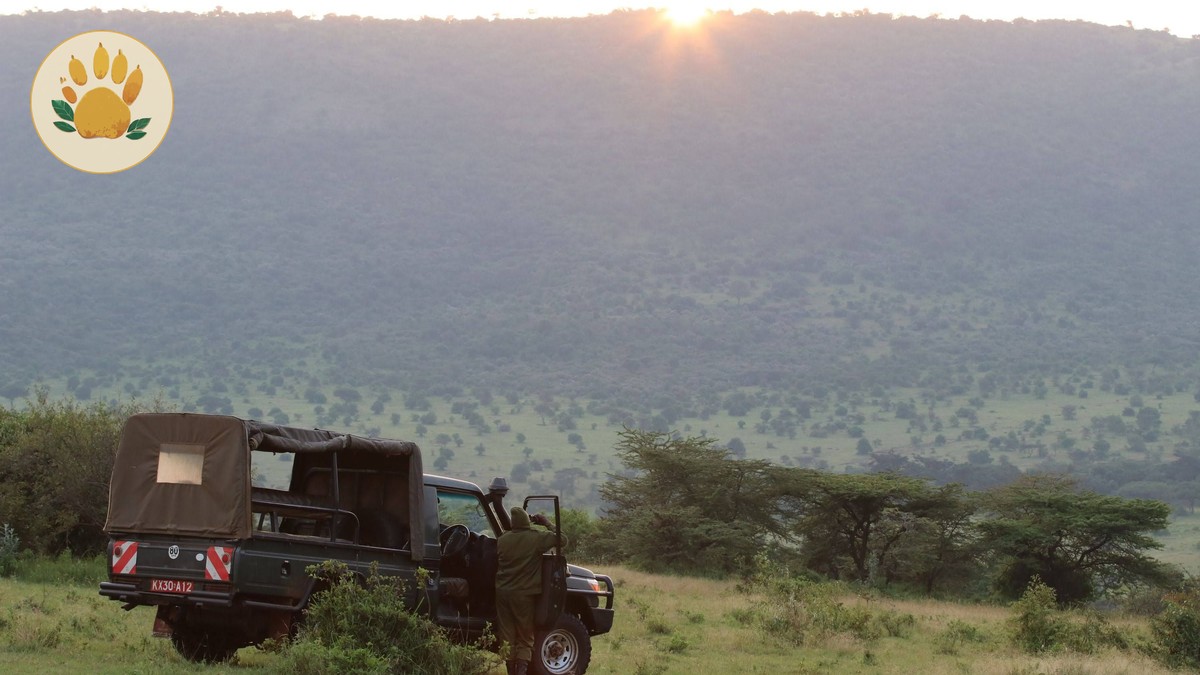
This is not about comfort alone. On a game drive through the Mara Triangle or the Serengeti’s Seronera Valley, sightings often last seconds. A leopard crossing a track, a cheetah on a termite mound 40 meters off the road, a herd of elephants moving through acacia scrub near Amboseli’s Observation Hill. A middle seat with no clear window means missing the shot entirely, not just getting a worse angle.
For anyone bringing a camera, this compounds fast. Seat position affects your usable focal length and shooting angle, and that should weigh into your choice between a private vehicle and a cheaper shared one.
The Price Trade-Off, Honestly
A private 7-seat Land Cruiser for a 6-day Kenya circuit, covering the Maasai Mara, Lake Nakuru, and Amboseli, runs roughly USD 1,800 to 2,600 for the vehicle and guide, excluding park fees and accommodation. Split across four travelers, that is USD 450 to 650 per person for guaranteed seating.
A budget group safari covering the same circuit can run USD 700 to 1,100 per person for the same six days, including accommodation, but with no structural guarantee if the vehicle sells out. The Maasai Mara National Reserve entry fee alone runs about USD 100 per adult per day in high season, and Amboseli National Park charges around USD 60 per adult per day, both figures indicative and subject to change by county and season.
The honest trade-off: pay more for a private vehicle and remove the seating question entirely, or pay less and ask hard questions about capacity caps before you commit.
The SafariPure Difference
SafariPure books every joining safari with a hard cap on vehicle capacity, never more than six travelers in a 7-seat Land Cruiser or 9-seat vehicle. We put the seat count and the cap in your written itinerary before you pay a deposit, not as a verbal assurance during a sales call. On multi-day trips, we rotate rows daily and tell you the rotation schedule in advance, so there are no surprises at the vehicle door on day one.
We also tell clients plainly when a private vehicle is worth the extra cost and when a well-run group safari is a smarter use of the budget. That answer depends on your dates, your party size, and whether photography is a priority, not on which option pays us more.
Plan Your Seat, Not Just Your Trip
If a guaranteed window seat matters to your safari, it is worth settling before you book, not after you arrive at the vehicle. Get in touch through our contact page to talk through vehicle options for your dates, or start with our Kenya safari tours to see current private and small-group departures.