
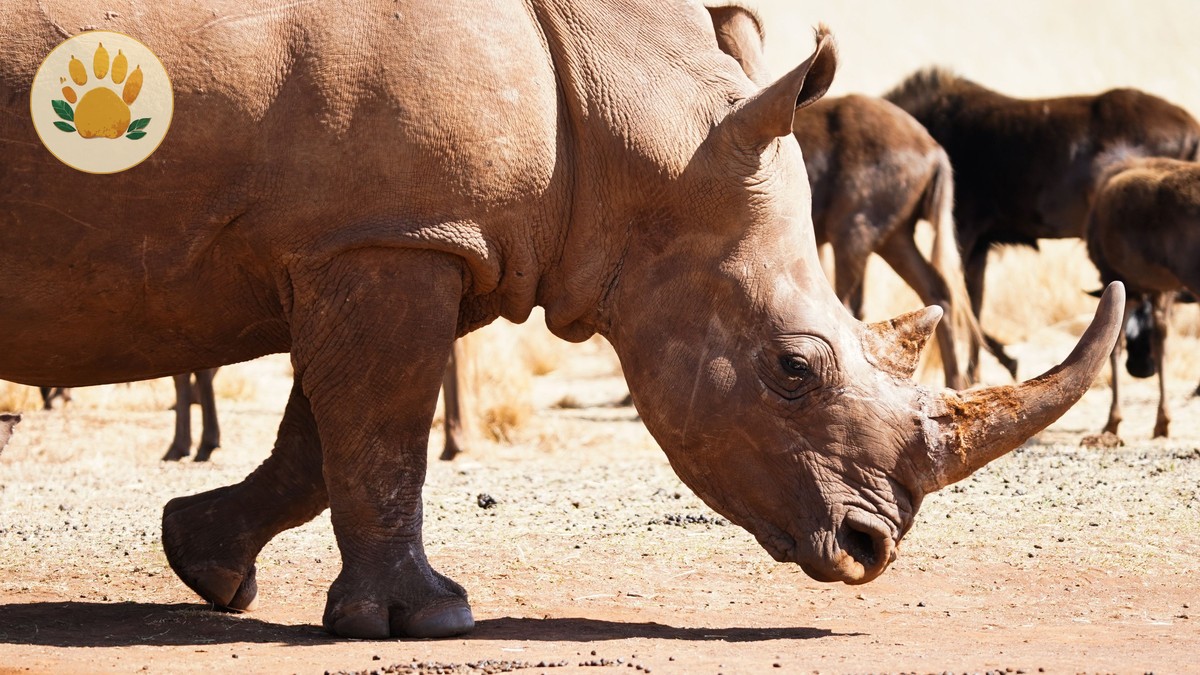
Tipping trips up more first-time safari travelers than any packing list ever will. You already paid thousands of dollars for the trip, so pulling out more cash for staff can feel confusing, even awkward. In Kenya, tipping is not built into the bill. It is a separate, expected part of how camp and guiding staff earn a living wage. This Kenya safari tipping guide amounts breakdown covers real dollar figures by role and trip length, so you can pack the right cash and stop guessing.
Why tipping is expected on a Kenya safari
Most driver-guides, trackers, and camp staff in Kenya earn a modest base salary. Tips often make up a third or more of their actual take-home pay. Lodges and operators know this, and they build it into how they pay staff, expecting guests to close the gap. It is not legally required, but skipping it is unusual and noticed. Think of it less as a bonus and more as the second half of a fair wage.
Who to tip on safari
A single safari touches more staff than most guests realize. Here is who typically expects a tip:
- Driver-guide: the person who spots wildlife, navigates the tracks, and answers your questions all day.
- Spotter or tracker: works alongside the guide on game drives, especially in conservancies like Naboisho or Mara North.
- Camp or lodge staff: waiters, housekeeping, and kitchen staff, usually pooled into one collective tip.
- Porters: carry bags at lodges and airstrips such as Keekorok or Kichwa Tembo.
- Balloon pilot and crew: separate from your ground team, tipped only if you take a flight.
- Park rangers: tipped occasionally for a specific favor, such as an armed walking escort, not for routine park entry.
Kenya safari tipping guide amounts by role
These are standard non-resident ranges used across mid-range and luxury camps in the Masai Mara, Amboseli, and Tsavo. Budget camps sit at the low end; luxury camps sit at the high end.
| Role | Suggested tip | Frequency |
|---|---|---|
| Driver-guide | USD 15-25 per day, per guest | Daily or lump sum at trip end |
| Tracker/spotter | USD 10-15 per day, per guest | Daily or lump sum at trip end |
| Camp/lodge staff (pooled) | USD 10-20 per guest, per night | Left in a tip box or given at checkout |
| Porter | USD 1-2 per bag | Per instance |
| Balloon pilot and crew | USD 15-20 per guest | End of the flight |
| Park ranger (special escort only) | USD 5-10 per group | Per instance |
These are guidelines, not fixed fees. Adjust up if a guide goes out of their way, for example tracking a leopard for two hours near Ol Kinyei, or down slightly on a shorter game drive.
Private safari vs. shared group vehicle tipping
If you are deciding between a private safari vs. shared group vehicle, tipping is one real difference. On a private vehicle, your driver-guide works for your group alone, so daily tips at the full USD 15-25 rate go directly to them. On a shared vehicle with four to six guests, some travelers tip slightly less per person, since the guide’s daily total still adds up across the group. Either way, camp staff tips stay the same per guest, because that pool serves everyone equally regardless of vehicle type.
What currency to use, and bill condition
US dollars are the standard tipping currency across Kenyan safari camps, though Kenyan shillings work fine for camp staff tip boxes and small porter tips. Bring bills printed 2013 or later. Many camps and forex counters in Nairobi will not accept older or visibly worn dollar notes, a holdover from counterfeit concerns. Small bills matter more than large ones. USD 100 notes are hard for staff to break, so bring a stack of USD 1, 5, 10, and 20 bills instead of a few large ones.
Tipping via M-Pesa instead of cash
Kenya runs on mobile money, and increasingly, so does tipping. Some driver-guides and lodge staff now have M-Pesa numbers on their name tags or will share one if asked directly. Tipping via M-Pesa instead of cash works well for a driver-guide you tip individually, since the transfer lands with them, not a pooled account. It is less useful for camp staff tip boxes, which are usually cash only and split among the whole team later. If you plan to use M-Pesa, set up a Kenyan SIM or mobile wallet before you leave Nairobi, since signal in remote conservancies can be patchy.
When and how to hand over tips
Camps handle tipping two main ways: a communal tip box at checkout, or direct hand-offs to individual staff. Tip boxes are fair. The total gets split evenly among kitchen, housekeeping, and waitstaff, so no one is overlooked. Direct hand-offs feel more personal, especially for a driver-guide who spent five days with you, but they risk favoritism if some staff get noticed more than others. A reasonable approach: use the tip box for pooled camp staff, and hand your driver-guide their tip directly, ideally in a plain envelope, on your last morning together.
Total cash to budget by trip length and group size
Here is what a couple or family should realistically pack in tipping cash, based on typical mid-range camps in the Masai Mara, Amboseli, and Tsavo circuits.
| Trip length | Group | Camp tier | Estimated total tip cash |
|---|---|---|---|
| 5 nights | 2 adults | Mid-range | USD 300-450 |
| 7 nights | 2 adults | Mid-range | USD 420-630 |
| 7 nights | Family of 4 | Mid-range | USD 700-1,000 |
| 10 nights | 2 adults | Luxury | USD 800-1,200 |
These totals cover driver-guide and camp staff tips across the whole trip, including a camp change or two, common on itineraries that move between the Mara and Amboseli. Add roughly USD 30-40 per person if you take a hot air balloon flight, since tipping your hot air balloon pilot and crew is separate from ground staff.
The SafariPure Difference
We build tipping into the pre-trip briefing for every guest, not as an afterthought. Before you land in Nairobi, we tell you exactly which camps use tip boxes, which staff expect direct tips, and how much cash to carry in small bills for that specific itinerary. On multi-camp trips, we flag which stops accept M-Pesa so you are not carrying more cash than you need. It is a small detail, but it is the kind of planning that keeps you focused on the wildlife instead of the math.
FAQ
How much should I tip my safari guide in Kenya? Plan for USD 15-25 per guest, per day, more if the guide goes out of their way to find wildlife.
Is tipping mandatory or just expected? It is not legally required, but it is a firm cultural expectation and a real part of staff income.
Should I tip in dollars or shillings? Dollars for guides and balloon crews, either currency works fine for camp tip boxes and porters.
Do I tip the driver-guide daily or at the end? Either works. Most guests tip once, in a lump sum, on the last day.
Is tipping already included in my safari package price? No. Almost no Kenyan operator, including SafariPure, builds tips into the package price.
How does tipping differ between private and shared vehicles? The guide’s per-day rate stays similar, but on shared vehicles some travelers tip slightly less per person since totals add up across the group.
Plan your trip with confidence
Tipping is one small piece of a much bigger plan. If you want a Kenya safari itinerary built around real camps, real distances, and honest budgeting from day one, talk to SafariPure about planning your trip.