Every budget guide to the Masai Mara tells you the same seven things. Travel in low season. Take the bus. Camp instead of booking a lodge. Join a group. None of that is wrong. What most guides skip is the actual math, the number you get when you add park fees, transport, food and a bed together for a real three-day trip. This post covers the cheapest way to visit Masai Mara in 2026, in KES and USD, so you can see where the genuine savings are and where cutting costs just costs you time instead.
The cheapest season to visit
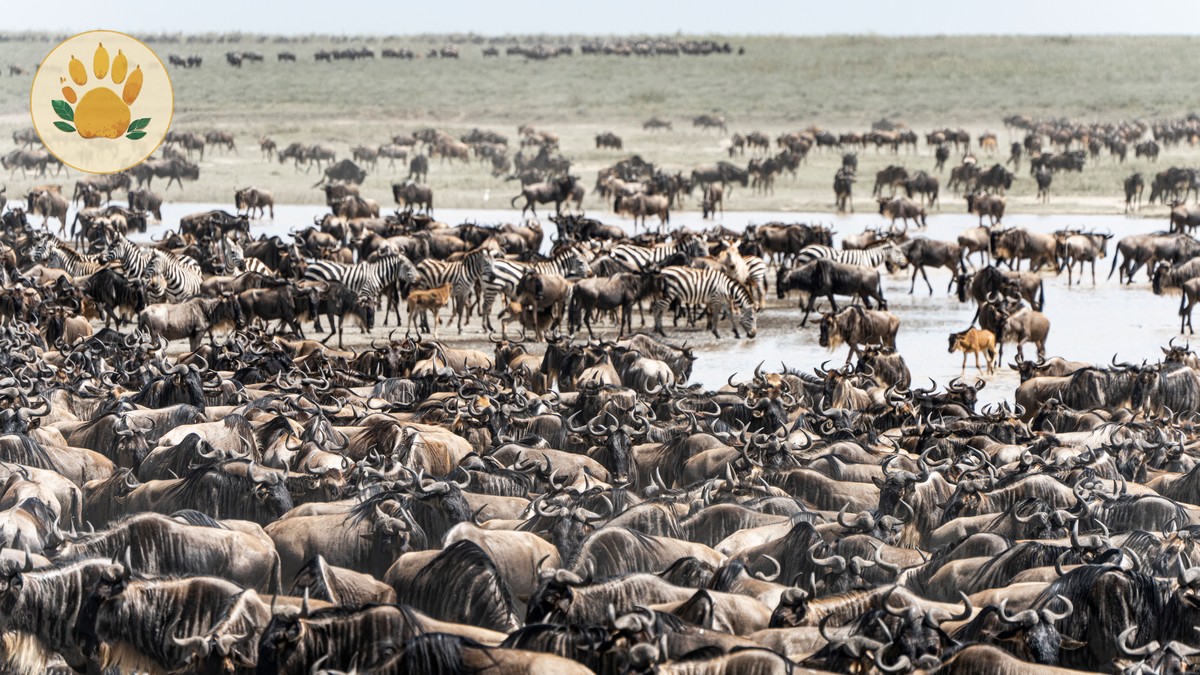
Kenya’s parks run two pricing seasons. High season runs from July to October and over the December holidays, when the wildebeest migration is in the Mara and demand for camps spikes. Low season, roughly November to June excluding the December peak, brings lower park fees, lower camp rates and thinner crowds.
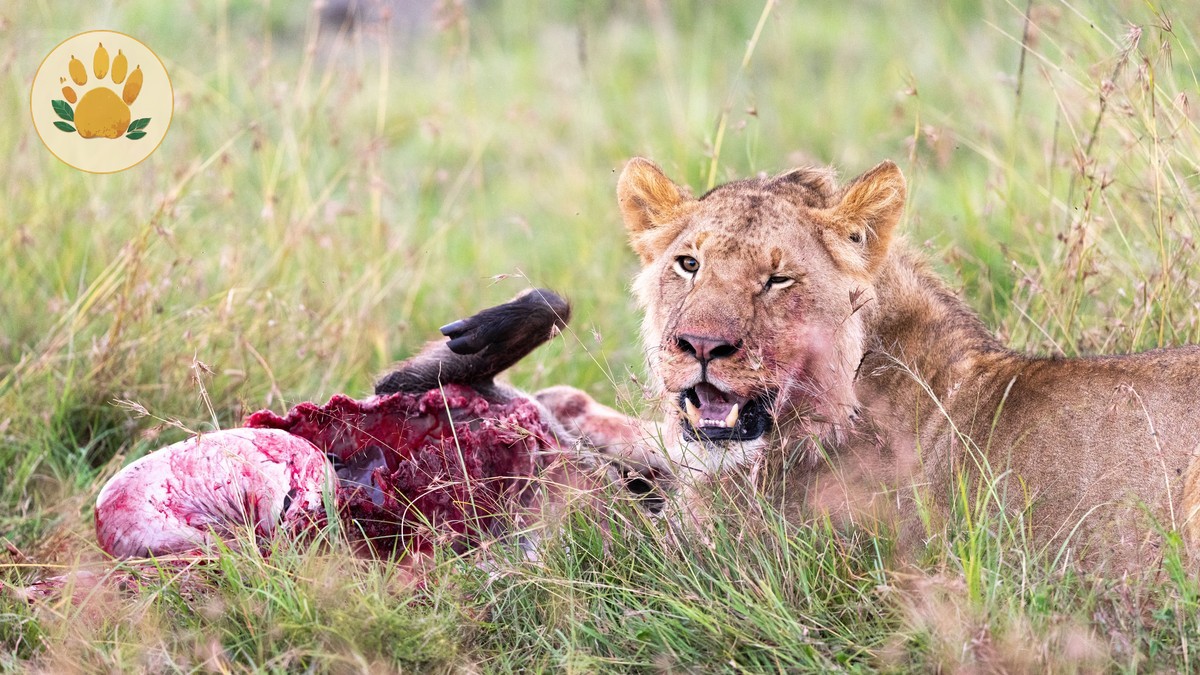
Visiting in the low season is the single biggest lever a budget traveler has, because it cuts the daily park entry fee and drops camp prices by 20 to 40 percent at the same time. It also means visiting in low season to avoid crowds gets you closer to the animals without a queue of vehicles at every sighting. The trade-off is that you miss the river crossings, which peak roughly July through September. If seeing the migration matters more to you than saving money, that trade-off is worth naming honestly rather than glossing over.
Transport options compared
This is where budget guides get vague. Here is a real comparison for the roughly 270 km run from Nairobi to the Mara’s Sekenani or Talek gates.
| Method | Distance/Route | Time | Indicative cost (one way) | Notes |
|---|---|---|---|---|
| Public bus/matatu to Narok, then onward transport | Nairobi to Narok (approx. 140 km), then Narok to gate | 2.5 to 3 hrs to Narok, plus 2 to 3 hrs onward | KES 500-800 to Narok, then KES 1,000-2,000 for onward shared transport | Cheapest, but requires patience and negotiation for the second leg |
| Shared taxi/shuttle | Nairobi to Talek or Sekenani direct | 5 to 6 hrs | KES 1,500-3,000 per person (indicative range) | Fills up before departure, less predictable schedule |
| Self-drive (4×4 hire) | Nairobi to Mara gate, mostly tarmac then murram | 5 to 6 hrs | $40-70/day hire plus fuel, roughly $60-90 in fuel round trip | Needs a genuine 4×4 for the last stretch and park roads |
| Group safari transfer | Nairobi to Mara, included in package | 5 to 6 hrs | Bundled into tour price, often $250-400 for the full 3-day trip | Most reliable, cost is baked into the safari price |
| Scheduled flight | Wilson Airport to Mara airstrips (Keekorok, Musiara, Ol Kiombo) | 45 minutes | $150-250 one way (indicative range) | Fastest by far, rarely the cheapest unless time is worth more than money |
We cover the full trade-off between road and air in flying vs. driving to the Mara. For a strict budget trip, the bus-to-Narok-then-shared-transport route wins on price. It also costs you the most hours and the most uncertainty, since onward connections from Narok are not on a fixed timetable.
Budget accommodation: camping vs budget camps
Inside and around the reserve, three tiers of accommodation exist.
Public campsites, mostly along the reserve boundary near Talek and Sekenani, run roughly $20-30 per person per night for non-residents, plus your own tent and gear. This is the cheapest bed in the Mara, but you need to bring or hire equipment and arrange your own meals.
Budget camps just outside the gates, in the Talek and Aitong area, offer a proper bed and shared or basic en-suite facilities. Camps such as Enchoro Wildlife Camp and Riverside Camp near Talek typically fall in the $30-60 per person per night range on a bed-only or half-board basis, well below the $150-plus that mid-range tented camps charge inside conservancies.
Community and eco-camps, like smaller Mara North or Aitong-area setups, sometimes undercut even that if you book direct with the camp rather than through an agent, though availability and standards vary more.
Masai Mara park entry fees explained
Park fees are charged per person, per 24 hours, and vary by which side of the reserve you enter. The Mara is split between the Narok County side (the larger, more visited section) and the Mara Triangle, managed separately by the Mara Conservancy.
As an indicative range for 2026, non-resident adult fees run roughly $80 per day in low season to $100-plus per day in high season on the Narok County side, with the Mara Triangle charging a similar flat rate year-round. Children usually pay about half. These figures shift with county and conservancy decisions, so confirm the current rate before you travel rather than budgeting on last year’s number.
This fee alone makes up the largest single cost of a budget Mara trip, often more than transport and accommodation combined for a short stay. That is the main argument for keeping your visit to two or three days rather than stretching it out on a tight budget.
Group safaris vs going independently
Splitting a vehicle and a guide across four to six travelers is usually the single best value move after choosing low season. A private vehicle and driver-guide for two days can run $200-300 for the vehicle alone. Split six ways, that is $35-50 per person, a fraction of what a solo or couple trip pays for the same guiding.
Independent, self-drive travel gives you full control of your schedule and can be cheaper if you already have a 4×4 and are splitting costs with your own group. For a solo backpacker without a vehicle, though, joining an existing group safari almost always beats trying to arrange transport, a guide and park logistics alone. The saving in stress is real, and the cost saving usually is too.
Booking strategy: local operators, timing, and extras
Kenyan-based operators pricing trips in KES or with direct cost knowledge of the region tend to undercut international agencies reselling the same itinerary with a markup. Booking two to four weeks ahead, rather than same-week, also gives you more room to find a group safari with space left to fill, which keeps per-person costs down.
Before booking anything, non-Kenyan visitors need a valid eTA. Our Kenya eTA application guide walks through the process, which is worth doing early since a rejected or delayed application can force a last-minute, pricier booking.
The cheapest way to visit Masai Mara: a 3-day, 2-night budget breakdown
Here is what three realistic approaches cost for a solo budget traveler, in USD, using low-season, indicative pricing.
| Item | Bus + camping | Shared group safari | Self-drive + budget camp |
|---|---|---|---|
| Transport (return) | $15-25 | Included in package | $150-200 (hire + fuel) |
| Accommodation (2 nights) | $40-60 | Included in package | $70-120 |
| Park fees (2 days) | $160 | Included in package | $160 |
| Guide/vehicle in-park | Arranged locally, $20-40 | Included in package | Self-guided or local guide, $30-50 |
| Food | $20-30 | Included in package | $30-40 |
| Approximate total | $255-315 | $350-450 | $440-570 |
The bus-and-camping route is genuinely the cheapest, but it demands the most time, negotiation and tolerance for uncertainty. A shared group safari costs somewhat more but bundles transport, guiding, meals and park logistics into one predictable price, which is why it is often the better answer for a first-time budget visitor rather than the absolute lowest number on paper.
Money-saving checklist
- Travel in low season, outside July to October and December.
- Split a vehicle and guide with three to five other travelers.
- Book with a Kenyan-based operator two to four weeks ahead.
- Camp or choose a budget camp outside the gates rather than inside a conservancy.
- Keep the trip to two or three days to limit park fee days.
- Carry cash in KES for park fees and small vendors, since card access is limited at gates.
- Apply for your Kenya eTA early to avoid a rushed, costlier booking.
The SafariPure Difference
We do not sell the cheapest safari on paper. We build trips with local Kenyan operators who know the current park fee schedule, the camps that genuinely deliver at their price point, and which group departures still have seats. That means the number we quote you is the number you pay, with no markup from reselling someone else’s itinerary and no surprise add-ons once you reach the gate. For a budget traveler, that honesty about cost is often worth more than shaving another few dollars off the total.
Plan your budget Mara trip with SafariPure
If you want a real, itemized quote for a low-season group safari or help matching a self-drive route to your budget, our team can put one together with current 2026 park fees and camp rates. Visit our Masai Mara tours page or get in touch through our contact page to start planning.