Almost every first-time guest asks the same question before landing in Nairobi: what color clothes should you wear on safari? The short answer is neutral tones. Khaki, olive, beige, and muted green work with the bush instead of against it.
The longer answer depends on where you’re actually going. The dress code that matters near Samburu barely matters in the Maasai Mara. Most guides online repeat the same khaki-good, blue-bad advice without saying where the risk is real and where it’s mostly habit. This guide covers both, with real distances, real parks, and an honest read on what color actually changes about your trip.
What Color Clothes to Wear on Safari: Why It Matters
Color affects three things on safari: how animals notice you, how insects find you, and how comfortable you stay in the heat.
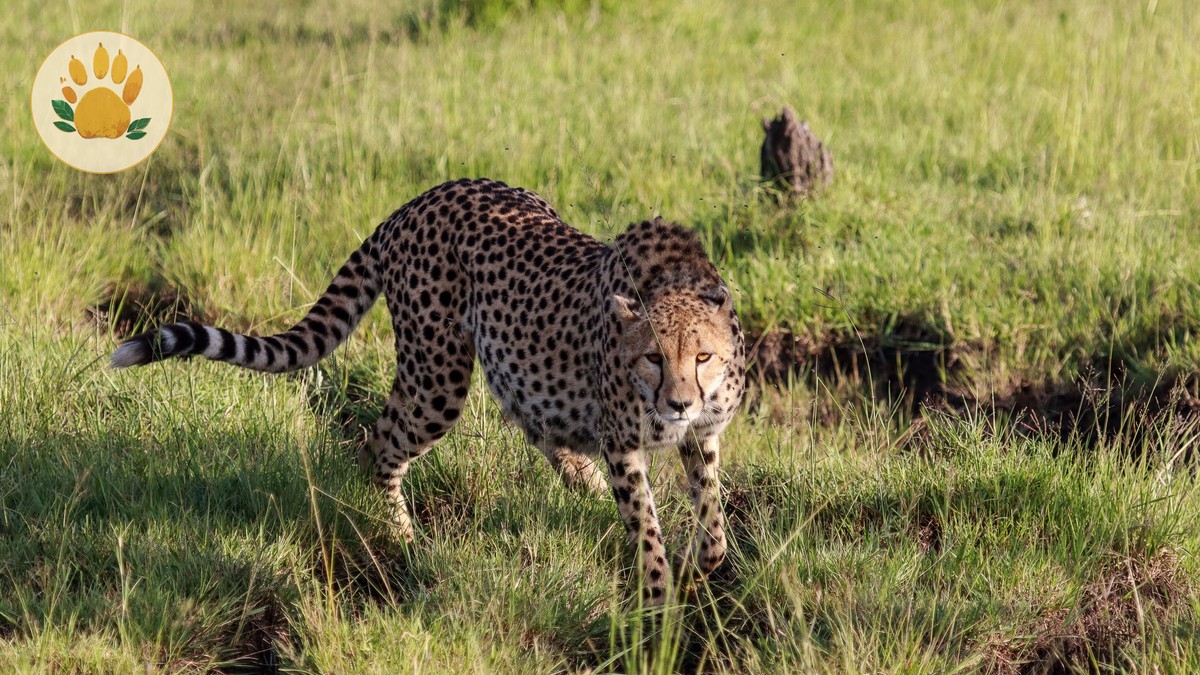
Wildlife respond to movement and outline more than color, but bright or high-contrast clothing still stands out against dry grass and acacia scrub. A guide easing the vehicle toward a resting leopard does not want an orange jacket breaking the scene. Neutral colors keep you visually quiet. That matters most on walking safaris in places like the Mara North Conservancy, where you’re on foot and closer to the animals than in a vehicle.
Insects are a separate issue, and a more serious one. Tsetse flies, which carry the parasite behind sleeping sickness, are drawn to certain colors far more than others. That’s a real, documented pattern, not folklore, and it’s worth understanding before you pack.
Heat is the third factor. Dark colors absorb sun and hold warmth. Kenya’s savanna parks can swing from 12°C at a 6 a.m. game drive to over 30°C by early afternoon, so color and fabric both affect how you handle that swing.
Best Colors to Wear on Safari
Stick to earth tones: khaki, olive, tan, beige, and soft brown. These colors do three jobs at once. They blend with dry-season grass and dust. They don’t attract tsetse flies the way darker shades do. And they hide dirt on a multi-day trip where laundry service isn’t always daily.
You don’t need to buy an entirely new wardrobe. A pair of tan chinos, a couple of olive or beige shirts, and one neutral fleece for cold mornings will cover most of a week-long Kenya itinerary. Dedicated safari-brand shirts run from roughly $35 to $70 USD, but plain neutral clothing from any store works just as well.
Colors to Avoid on Safari
Three categories cause the most trouble.
Blue and black. Tsetse flies are strongly attracted to dark, saturated blue and black, more than any other color. This is the one rule with real science behind it, not just tradition.
White and very light colors. White shows every bit of red laterite dust within an hour of driving on Kenya’s unpaved park roads. It’s not dangerous, just impractical, and it fades fast against the landscape in photos.
Bright and neon colors. Fluorescent orange, hot pink, and similar shades can startle animals and make you conspicuous to your fellow travelers’ cameras. They also mark you as a first-timer, if that matters to you.
Can You Wear Blue or Black on Safari? The Tsetse Fly Question
This is where most guides get vague, so here’s the specific version.
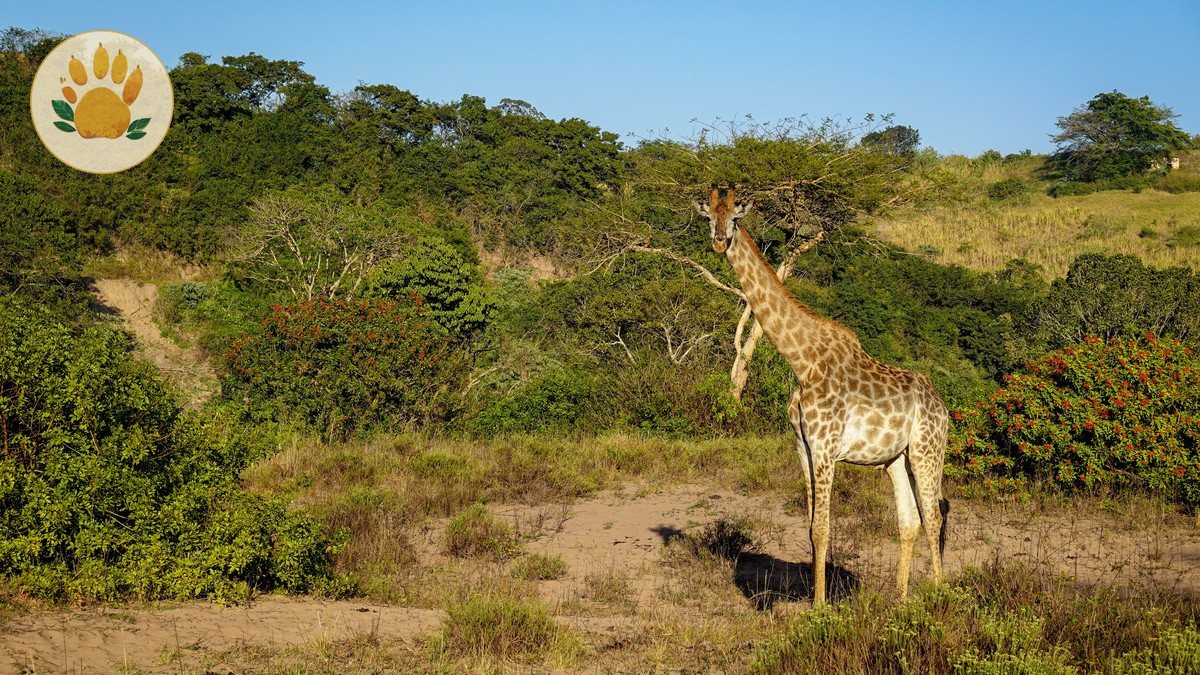
Tsetse flies are most concentrated in Kenya’s Samburu, Buffalo Springs, and Shaba reserves, and in riverine woodland areas of Tsavo West. Their bite is painful even without disease transmission, and in these zones the blue-and-black rule is worth following closely. If your itinerary includes which parks carry the highest insect and malaria risk, check that page before you pack, since insect exposure varies more by park than most people expect.
In the Maasai Mara, tsetse fly numbers are low outside a few wooded pockets near the Mara River. Amboseli, with its open plains under Kilimanjaro, has very little tsetse presence at all. In these areas, wearing a navy shirt won’t ruin your trip. The rule matters far less than the guides selling khaki gear would have you believe.
Is Camouflage Allowed on Safari?
In Kenya and Tanzania, camouflage-patterned clothing isn’t illegal for tourists, but it’s discouraged and some camps will ask you to change. It reads as military or paramilitary, and in a region where park rangers and security forces do wear camo, it can cause confusion at checkpoints.
In Zambia and Zimbabwe the rule is stricter. Wearing camouflage as a civilian is against the law in both countries, with fines possible for tourists who ignore it. If your trip crosses into either, leave the camo pattern at home entirely.
Fabric and Layering Advice
Color matters less than fabric once you’re actually on the road. Cotton feels natural but stays damp and heavy once you sweat. Lightweight, moisture-wicking synthetic blends, the kind used in hiking gear, dry fast and pack small.
Layering handles Kenya’s temperature swing better than any single garment. A base layer, a light long-sleeve shirt, and a packable fleece or soft-shell jacket cover a morning drive that starts at 12°C and ends near 28°C by 10 a.m. Add a scarf or buff for dust on open-top vehicles.
What to Wear by Time of Day or Activity
Morning game drives, which often start before sunrise, call for full layers: a warm top, closed shoes, and a hat with a brim. By mid-morning, you’ll likely be down to a single shirt. If you want a fuller sense of the routine, what your first game drive is actually like walks through a typical day hour by hour.
Around camp during the day, comfort matters more than color. Shorts, a t-shirt, and sandals are fine at most lodges. In the evening, dress codes loosen further but don’t disappear entirely. For what to wear once the sun goes down at camp, most lodges expect neat casual wear rather than safari khaki, since you’re no longer in the bush.
Quick Comparison: Color Rules by Kenyan Park
| Park or Reserve | Distance from Nairobi | Typical Drive Time | Tsetse Fly Risk | Color Rule Strictness |
|---|---|---|---|---|
| Maasai Mara National Reserve | ~270 km | 5-6 hrs by road, 45 min by air | Low | Relaxed |
| Amboseli National Park | ~240 km | 4-5 hrs by road, 40 min by air | Very low | Relaxed |
| Samburu National Reserve | ~325 km | 6-7 hrs by road, 1 hr by air | Moderate to high | Strict |
| Shaba National Reserve | ~340 km | 6-7 hrs by road | High | Strict |
| Tsavo West National Park | ~240 km | 4-5 hrs by road | Moderate (riverine areas) | Moderate |
Park conservation fees vary by season and reserve, but expect an indicative range of $60 to $100 USD per adult per day for these parks as of 2025, separate from lodge rates.
Packing Checklist
- 2-3 neutral shirts (khaki, olive, tan)
- 1-2 pairs of tan or khaki trousers, ideally quick-dry
- 1 fleece or soft-shell layer for cold mornings
- 1 wide-brimmed hat, neutral color
- Closed walking shoes for camp and walking safaris
- 1 set of neat casual clothes for evenings
- A scarf or buff for dust on open vehicles
- Avoid: solid blue, solid black, pure white, and neon colors
The SafariPure Difference
Most packing advice online is written once and copied everywhere, which is why every guide repeats the same khaki-versus-blue warning without saying where it actually applies. We build our Kenya itineraries around the real geography of insect risk, park terrain, and camp culture, not a generic checklist. That means we’ll tell you honestly when a color rule matters, like around Samburu, and when it’s safe to ignore, like in the Mara. It’s the same approach we take with drive times, park fees, and every other detail that gets rounded off elsewhere.
Plan Your Trip
If you’d rather not guess at what to pack, our team can walk you through the exact parks, camps, and seasons in your itinerary before you buy a single shirt. Browse our Kenya safari tours or reach out through our contact page to start planning.