Every tour operator in Nairobi will sell you a Masai Mara day trip from Nairobi. Almost none of them will tell you what it actually costs in hours, not just shillings. We will, because the honest answer changes depending on what you value more: seeing the Mara at all, or seeing it properly.
Short version: a day trip works if your schedule truly has no other option. For most first-time travelers, it is not the best use of a trip to Kenya.
Masai Mara Day Trip from Nairobi: Road vs. Flying
The Masai Mara National Reserve sits about 270 km southwest of Nairobi, reached by the Great Rift Valley route through Narok. That distance sounds manageable until you factor in the road surface, which turns to gravel and dust for the final 50 km into the reserve.
| Mode | One-way distance/time | Round-trip cost per person | Game drive time left |
|---|---|---|---|
| Road (shared minivan) | 270 km, 5 to 6 hours | roughly $220 to $270 | 3 to 4 hours |
| Road (private 4×4) | 270 km, 5 to 6 hours | roughly $300 to $400 | 3 to 4 hours |
| Flying (Wilson Airport to a Mara airstrip) | 45 minutes | roughly $300 to $475 | 6 to 7 hours |
Flying cuts nearly ten hours of driving down to under 1.5 hours in the air, round trip. That is the entire trade-off: pay close to what a private 4×4 transfer costs, and get most of your day back instead of spending it on a bus.
The Honest Math: What You Actually Get
A typical road-based day trip leaves Nairobi around 6:00 or 6:30 am. By the time you reach the Sekenani or Oloolaimutia gate, it is close to noon. After lunch, you get one afternoon game drive, then you start back by 5:00 pm to reach Nairobi before or around 10:00 or 10:30 pm.
Strip out the driving, lunch, and gate formalities, and you are left with roughly 3 to 4 hours of actual game viewing inside a reserve that covers about 1,510 square kilometers. Compare that to an overnight stay, where a dawn drive alone can run 3 hours before breakfast.
If you have read about cheaper ways to get to the Mara by road, the same driving math applies there too. Shared transport lowers the price but not the hours in the vehicle.
Hour-by-Hour: A Typical Road Day Trip
| Time | Activity |
|---|---|
| 6:00 to 6:30 am | Pickup from Nairobi hotel |
| 6:30 to 11:30 am | Drive via Narok to the reserve gate |
| 11:30 am to 12:30 pm | Lunch at a lodge or tented camp |
| 12:30 to 4:30 pm | Afternoon game drive |
| 4:30 to 5:00 pm | Depart the reserve |
| 5:00 to 10:00 pm | Return drive to Nairobi |
Some operators flip the order and offer a morning drive instead, leaving Nairobi closer to 5:30 am. Either way, you are on the road for 10 to 11 hours out of a roughly 16-hour day.
What a Day Trip Usually Includes and Excludes
Most packages include round-trip transport, a park ranger-guide, one lunch, and bottled water. They typically exclude the Masai Mara conservation fee, which runs about $80 per adult per day on the Narok County side and closer to $100 in the Mara Triangle, tips, and any optional Maasai village visit, usually $20 to $30 per person.
Always ask which side of the reserve the operator uses. Narok County covers the busier central and eastern areas. The Mara Triangle, managed by the Mara Conservancy, tends to have lower vehicle density but sits a little further from the main gates.
Can You See the Big Five in One Day?
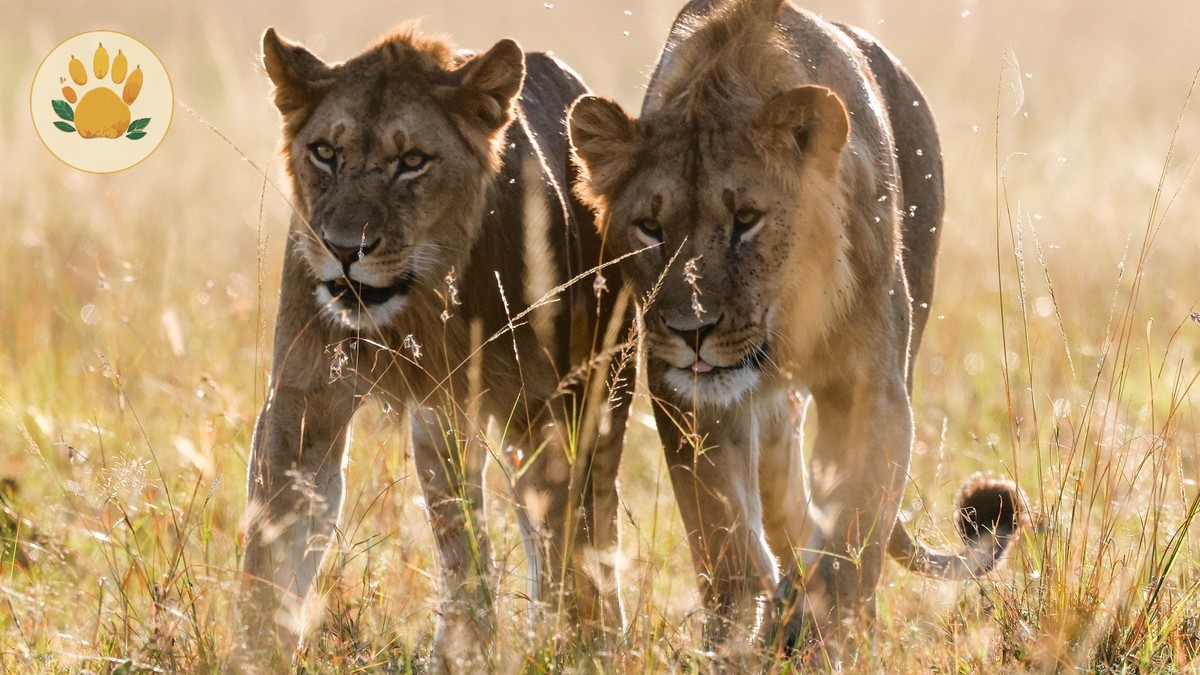
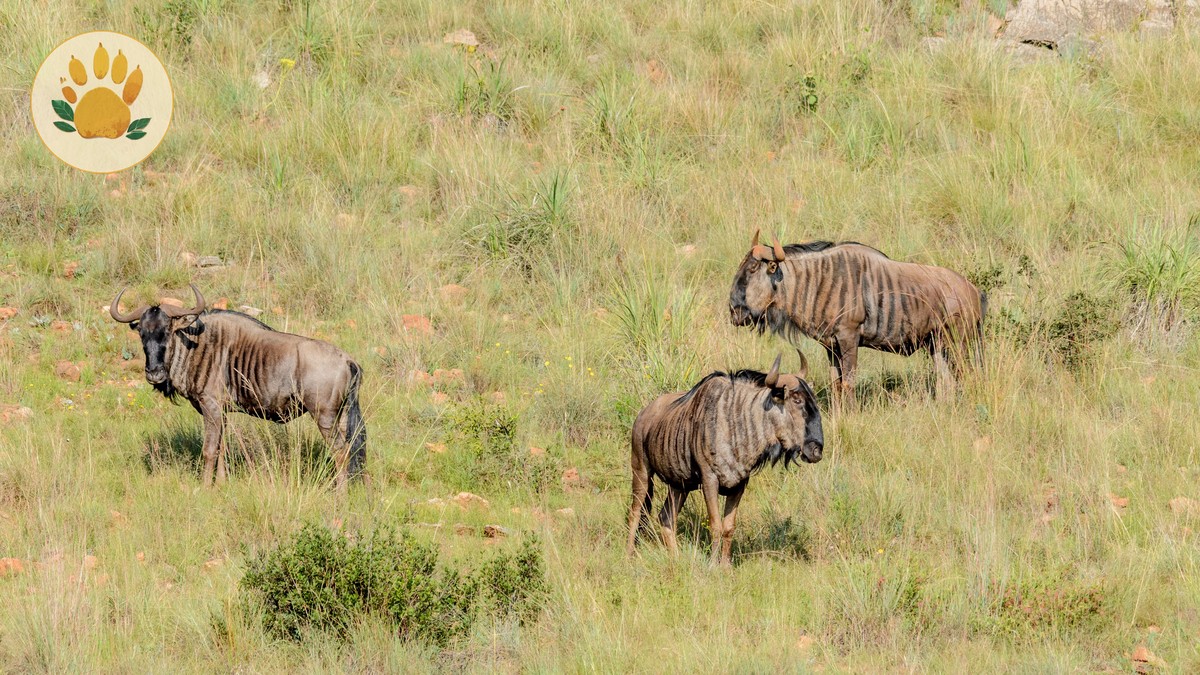
Realistically, no guarantee exists for any single game drive, but the Mara gives you better odds than most reserves in Kenya. Lion and elephant sightings are common year-round. Buffalo and giraffe show up on most drives. Leopard and rhino are the harder two, and rhino numbers in the Mara are low, with sightings concentrated in the Mara Triangle.
With only 3 to 4 hours of actual driving time, you are relying on luck and a good guide more than you would on a 2 or 3-day safari, where multiple drives multiply your chances.
Who Should Actually Skip the Day Trip
Skip it if you get carsick easily, if you are traveling with children under 6, or if you have elderly travelers who struggle with long stretches in a vehicle on rough roads. Ten hours of driving in one day is tiring even for fit adults.
Skip it too if this is your only trip to Kenya and you want it to count. In that case, look at a full 5-day Kenya safari itinerary instead. Even a 2-night stay gives you a dawn drive, a full day drive, and a proper wildlife-crossing chance during migration season, roughly late July through October, without the exhausting round trip.
A day trip makes more sense if you have a short layover in Nairobi, a fixed return flight, or a tight budget that rules out an overnight stay.
Best Time of Year for a Day Trip
The dry seasons, from late June through October and again from January to February, give you firmer roads and better visibility, since animals gather near remaining water sources. The long rains from March to May can turn the final stretch of road to the reserve into thick mud, adding an hour or more to your drive time in each direction.
Packing Essentials
Bring a hat, sunscreen, sunglasses, a light jacket for the early morning cold, and closed shoes. Cash in small denominations helps for tips and the village visit. A power bank matters too, since most vehicles do not have charging ports during the drive.
Before You Go: Visa Requirements
Kenya requires an electronic travel authorization for most visitors. Check the current Kenya eTA visa requirements before you book any transport, since approval can take a few days.
The SafariPure Difference
We do not sell day trips as a default recommendation. When a client asks about a Masai Mara day trip from Nairobi, we walk through the same math shown here: drive time, actual game hours, and what an extra night would add. If a day trip genuinely fits your schedule, we will book it properly, with the Mara Triangle route when road conditions favor it and a lunch stop that does not eat into your drive time. If it does not fit, we will say so and show you what one extra night costs and adds. That honesty is the whole point of planning with a guide instead of a booking page.
FAQs
Is one day enough to see the Masai Mara properly? No. One day gives you a taste, not a proper visit. Multi-day stays allow for dawn and dusk drives, when predator activity peaks.
Is the road from Nairobi safe? The Nairobi-Narok highway is tarmac and well maintained. The final stretch into the reserve is unpaved and can be rough, especially after rain.
Is flying worth the extra cost? If your budget allows it and time is the constraint, yes. Flying trades money for hours you would otherwise spend in a vehicle.
Plan It With Us
If you are weighing a day trip against a longer stay, talk to us before you book. We will lay out the real cost and time trade-offs for your dates and help you decide what actually fits your trip. Visit our Masai Mara tours page to start planning.