If you have never been on safari, this question comes up fast. This masai mara vs serengeti comparison lays out the real differences: both parks sit on the same ecosystem, and both promise lions, wildebeest and open grass to the horizon. But they differ in size, cost and how easy they are to reach, and those differences matter more than most articles admit.
This guide gives you real numbers: distances, drive times, park fees and visa costs. It ends with a plain answer for first-time travelers working with limited time and a fixed budget.
Landscape and geography
The Masai Mara National Reserve covers about 1,510 square kilometers in southwest Kenya. Add the private conservancies that border it, Mara North, Naboisho, Olare Motorogi and Mara Triangle among them, and the wider Greater Mara ecosystem grows to roughly 3,000 square kilometers.
The Serengeti National Park in Tanzania is far bigger, about 14,750 square kilometers. It stretches from the Ngorongoro highlands in the south to the Kenyan border in the north, where it becomes the Mara.
In practice, this means the Mara feels compact. You can drive from one end to the other in a few hours. The Serengeti takes days to cross properly, and different zones (Seronera in the center, Ndutu in the south, Kogatende in the north) feel like separate parks with their own seasons.
Wildlife and big cat density
Both parks hold healthy predator populations. The Mara is famous for its lion prides, some tracked for decades, and for leopard sightings along the Mara and Talek rivers. Its smaller size concentrates wildlife into a tighter viewing area, which usually means faster sightings.
The Serengeti holds more animals overall, simply because it is larger. Estimates put over 2 million wildebeest and around 500,000 zebra somewhere in the wider Serengeti-Mara ecosystem at any time. But that number is spread across a huge area, so density on any single day of driving can feel lower than in the Mara.
The Great Migration and timing
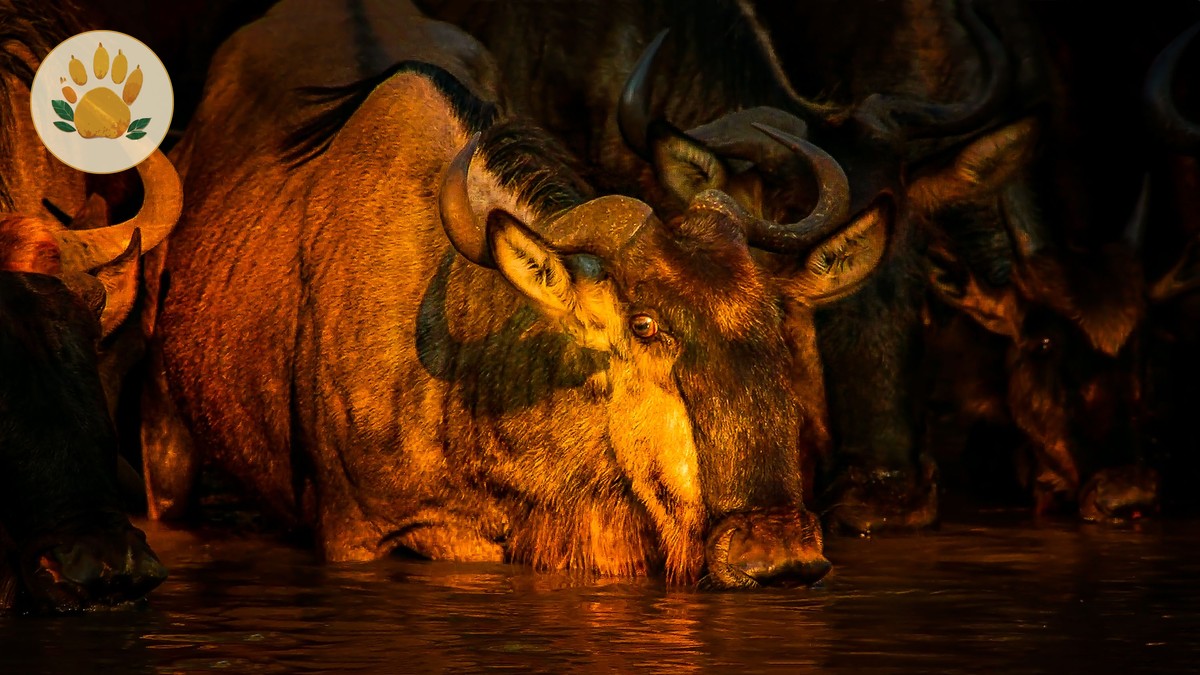
The wildebeest migration is a single circuit that moves through both parks on a rough annual clock. It does not respect the Kenya-Tanzania border.
- January to March: calving season on the southern Serengeti plains, near Ndutu.
- April to May: herds move north through the central Serengeti.
- June to July: river crossings begin, often at the Grumeti River in Tanzania.
- July to October: peak crossing season on the Mara River, mostly on the Kenyan side.
- November to December: herds drift south again, back toward the Serengeti.
This means the “best” park for the migration depends entirely on your travel month. Visit in August and the Mara wins easily. Visit in February and only the Serengeti has the calving herds.
Best time to visit
For dry-season game viewing with thinner vegetation, both parks are strong from June through October. The Mara adds its July to October river crossing window, which is the single most requested safari experience among first-timers. The Serengeti’s calving season from January to March is quieter, greener and cheaper, with fewer crowds.
Masai Mara vs Serengeti Comparison: Costs and Park Fees
Here is where the two parks diverge most sharply for a budget-conscious traveler.
| Factor | Masai Mara | Serengeti |
|---|---|---|
| Park size | ~1,510 km² (reserve) + ~1,500 km² conservancies | ~14,750 km² |
| Nearest city | Nairobi, ~270 km, 5 to 6 hours by road | Arusha, ~335 km, 6 to 8 hours by road |
| Flight from hub | ~45 minutes from Nairobi Wilson Airport | ~45 minutes from Arusha Airport |
| Nonresident entry fee | ~USD 100 per person per 24 hours (reserve); conservancies add ~USD 100 to 180 per night | ~USD 82 per person per 24 hours (indicative, TANAPA rate) |
| Budget camp, per person/night | ~USD 150 to 300 | ~USD 200 to 400 |
| Luxury camp, per person/night | ~USD 500 to 1,200 | ~USD 600 to 1,500 |
| Visa for US/UK/EU travelers | Kenya eTA, ~USD 34 | Tanzania visa, ~USD 50 to 100 |
Fee figures shift year to year and by season, so treat these as indicative ranges rather than fixed quotes, and confirm current rates before booking.
The pattern is consistent. Getting into and staying in the Serengeti costs more than the Mara at almost every tier, largely because of distance, fuel and Tanzania’s higher park and concession fees.
Getting there from Nairobi
This is the detail most comparison guides skip, and it matters if you are Kenya-based or flying into Nairobi first.
Reaching the Masai Mara from Nairobi is straightforward. A shared shuttle costs roughly USD 30 to 50 one way. A private transfer runs USD 150 to 250. A scheduled flight from Wilson Airport takes about 45 minutes and costs USD 150 to 250 one way. Budget travelers often start with getting to the Masai Mara by matatu, which is the cheapest route into the reserve, though it takes longer and requires a change in Narok.
Reaching the Serengeti as a same-trip add-on from the Mara means crossing an international border. The nearest road crossing is at Isebania-Sirari, but most Mara-to-Serengeti transfers cross further west, adding several hours of rough road on top of the border process. A light aircraft charter between the Mara and Serengeti’s northern airstrips, such as Kogatende, is faster, typically 45 minutes to just over an hour, but costs USD 300 to 600 per person.
You will also need two visas. Kenya’s eTA and Tanzania’s visa are separate applications with separate fees, and Tanzania is no longer part of the shared East Africa Tourist Visa. Check the Kenya eTA visa requirements before you book anything, since approval can take a few days.
Accommodation: reserve versus conservancy
Inside the Masai Mara National Reserve itself, camps sit close to high wildlife traffic but also close to other vehicles during peak season. The private conservancies around it, Mara North and Naboisho among them, cap vehicle numbers and allow night drives and walking safaris, which the reserve does not.
The Serengeti has a similar split. Public areas like Seronera see heavy traffic in high season. Private concessions such as Grumeti and Singita’s leased areas offer more exclusivity, usually at a higher price than Mara conservancies.
Crowds and exclusivity
During peak crossing season, the Mara River crossing points can draw 20 or more vehicles at once. The Serengeti, because it is so much larger, spreads vehicles more thinly even at similar visitor volumes. If crowding bothers you more than driving distance, that is a real point in the Serengeti’s favor, though a Mara conservancy stay solves the same problem for less money.
Activities
Game drives are standard in both parks. Hot air balloon safaris run in both, typically USD 450 to 550 per person in the Mara and a similar range in the Serengeti. Walking safaris and night drives are available in Mara conservancies and in select Serengeti concessions, but not inside either park’s core public area.
Combining both parks in one trip
It is possible to see both, and many operators sell it as a package. Realistically, budget at least 2 extra travel days and USD 400 to 800 per person in added transfer and visa costs, on top of Serengeti’s higher park and lodging fees. For a traveler with 10 or more days and a flexible budget, this can work well. For a 5 to 7 day first trip, it usually means less time in each park and a rushed border crossing.
The SafariPure Difference
Most guides sell you on doing both parks because it sounds more complete. We would rather tell you the honest trade-off. For a first-time, budget-conscious traveler with a week or less, adding the Serengeti usually means two half-days lost to travel. It also means several hundred dollars spent on transfers and a second visa, for marginal extra wildlife viewing. We would rather put that time and money into an extra night in a Mara conservancy, where crowds are lower and the game viewing is just as strong. We plan around your actual budget and timeline, not around selling you the longest possible itinerary.
Final verdict by traveler type
First-time safari travelers with 5 to 7 days: stay in the Mara. Combine the reserve with one or two nights in a conservancy. See our 5-day Kenya safari itinerary built around the Masai Mara for a working example.
Budget travelers: the Mara is cheaper at every level, from transport to park fees to camp rates.
Travelers with 10 or more days and a flexible budget: combining both parks makes sense, especially if your visit spans the June migration handoff between the two ecosystems.
Photographers chasing the river crossings specifically: the Mara in August and September, without question.
FAQs
Which is better, Masai Mara or Serengeti? Neither is objectively better. The Mara is cheaper, easier to reach and better for short trips. The Serengeti is larger and better for long trips or the calving season.
Is the Masai Mara part of the Serengeti? They form one continuous ecosystem, but they are separate protected areas in two countries with different management and fees.
Which is cheaper, Masai Mara or Serengeti? The Mara, at nearly every level, from transport to park entry to accommodation.
How far is the Masai Mara from the Serengeti? Roughly 100 to 150 km depending on the crossing point, but road conditions and the border process can stretch that to 5 or more hours.
Do I need separate visas for Kenya and Tanzania? Yes. Kenya requires an eTA and Tanzania requires its own visa. They are not currently combined.
Plan your Mara trip with SafariPure
If this comparison has made your decision easier, we can help you build the details. Visit our Masai Mara safari page to see current itineraries, or get in touch through our contact page to talk through dates and budget.