These safari with toddler Kenya tips come from guides who run this itinerary every week, not from a generic packing list. A toddler does not need a “kid-proofed” safari. They need short drives, a fenced camp, a nap schedule that nobody fights, and parents who have picked a region with their eyes open. Kenya can deliver all of that. Most of the advice written for “kids” lumps a 2 year old in with a 12 year old. The two have almost nothing in common on a game drive. This guide is only about the 1 to 3 age band.
Safari With Toddler Kenya Tips: Is It Safe?
Yes, with conditions. Vehicles are the main risk, not wildlife. A toddler in a car seat or on a lap during a bumpy drive is safer than a toddler standing to see over the door. Ask your camp about child seats before you book. Malaria is the second real risk, and it is manageable with the right region (more on that below). Altitude, food hygiene, and sun are minor by comparison. Reputable camps run this trip every month of the year and know the drill.
Best Age to Bring a Toddler
Most guides who work the Mara year-round say 2 to 3 is easier than under 18 months. A 2 year old naps on a predictable schedule and can sit through a 90-minute drive without needing to be nursed or walked. Under 12 months works too, mostly because babies sleep through drives. The hard stretch is 12 to 20 months, when naps are erratic and car seats get fought. If you have flexibility, aim either side of that window. For a longer breakdown by age and stage, see our best age for kids on safari guide.
Malaria Risk and Where to Avoid It
This is the decision most families get wrong by ignoring it. The Masai Mara, Samburu, and Amboseli all sit in malaria zones. Laikipia, at 1,700 to 2,300 metres, carries meaningfully lower mosquito activity because of altitude and drier air, though it is not officially malaria-free. Nairobi itself, at around 1,700 metres, is considered very low risk.
Doctors are split on giving malaria prophylaxis to toddlers under 5 kg, and many parents would rather not medicate a child that young at all. If that is your position, build the trip around Laikipia conservancies such as Ol Pejeta and Lewa, or the Aberdare highlands, rather than the Mara.
| Region | Malaria risk | Drive from Nairobi | Flight from Wilson Airport | Toddler suitability |
|---|---|---|---|---|
| Masai Mara | Present, moderate to high | 270 km, 5 to 6 hours | About 45 minutes | Good camps exist, but medicate or accept the risk |
| Laikipia (Ol Pejeta, Lewa, Nanyuki) | Low, altitude-suppressed | 200 km, 3.5 to 4 hours | About 35 minutes | Best pick for a medication-free trip |
| Samburu | Present, moderate to high | 325 km, 6 hours | About 70 minutes | Fewer toddler-friendly camps, hotter climate |
| Amboseli | Present, lower than Mara | 240 km, 4 hours | About 45 minutes | Workable, shorter drives suit toddlers |
Age Restrictions at Camps and Lodges
Kenya’s parks themselves have no minimum age. Individual camps set their own rules, and they vary more than most articles admit. Under 6, expect to need a private vehicle rather than sharing a shuttle with other guests. A crying toddler on someone else’s game drive is not fair to anyone.
| Camp | Region | Stated minimum age | Notes |
|---|---|---|---|
| Mahali Mzuri | Masai Mara | 2 years | Private vehicle required for under 6 |
| Sweetwaters Serena Camp | Ol Pejeta, Laikipia | No minimum | Fenced camp, family tents, low malaria zone |
| Sirikoi | Lewa Conservancy | Flexible, family cottage | Private vehicle arranged for young children |
| Saruni Wild / Saruni Mara | Masai Mara | 5 years | Not workable for toddlers |
| Elephant Bedroom Camp | Samburu | Check per booking | Unfenced, confirm fencing and vehicle policy directly |
Always confirm directly with the camp before booking. Policies change season to season, and a camp that took toddlers last year may not this year.
Choosing a Toddler-Friendly Camp
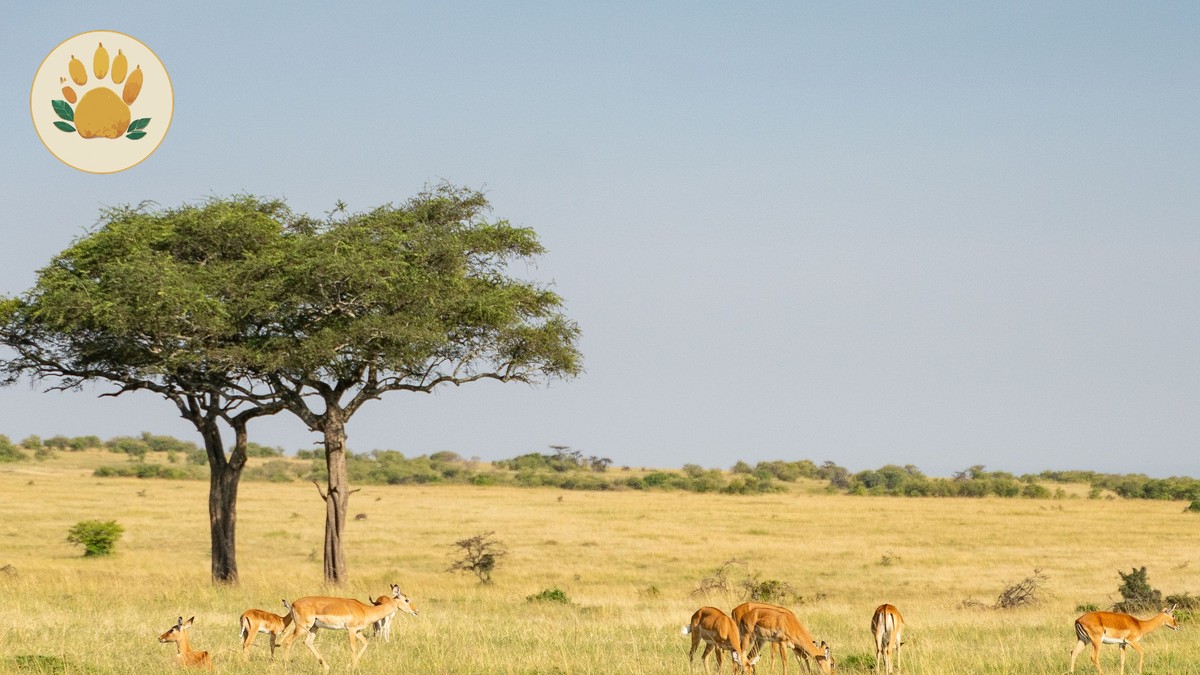
Look for three things: a fence or a natural boundary like a river, a waterhole visible from the room so a nap-time toddler still gets to see elephants, and a family suite or two interconnected tents. A single bed pushed against the wall does not count as a family room. Ol Pejeta’s Sweetwaters sits on a working waterhole with rhino and elephant visiting daily. That matters more than a long game drive when your child’s attention span tops out at twenty minutes.
How Long Should the Trip Be?
Three nights in one camp beats one night each in three camps. Toddlers lose a full day to any camp change, between packing, a bumpy transfer, and resettling into a new tent. A workable structure is two nights in Nairobi or Laikipia to adjust, four nights in one Laikipia or Mara camp, and a buffer day before flying home. Ten to twelve days total, with no more than two camp changes, is realistic. Longer trips wear toddlers down regardless of how good the camp is.
What Game Drives Are Actually Like With a Toddler
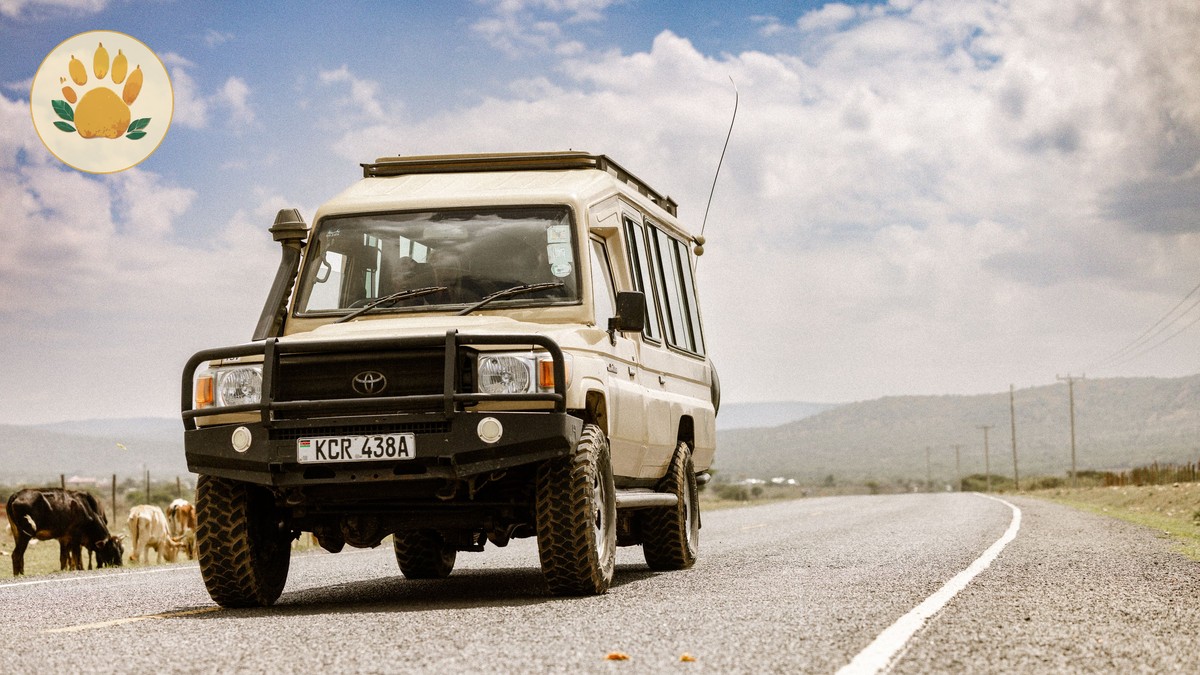
Short and flexible, if you plan it that way. A 6 a.m. drive that lasts four hours will not work. Book private vehicles so you can turn back after 60 to 90 minutes. Time drives around nap windows rather than around when the light is best. Most toddlers do fine watching from a car seat for the first twenty minutes, then need a snack, a song, or a window to open. Good guides read this quickly and adjust pace without being asked.
Packing List Essentials
Bring more diapers and wipes than you think you need. Beyond Nairobi and Nanyuki, options thin out fast, and camp shops stock almost nothing for children under 3. A wide-brim hat, a car seat you trust, a basic first aid kit, and a familiar comfort item all matter more than extra outfits. Many camps do not have a car seat that fits a toddler properly, so bring your own. For the full breakdown by day and by activity, see our full Kenya safari packing list.
Visas and Vaccinations
Every traveler, including infants, needs a Kenya Electronic Travel Authorization before arrival. Check our Kenya eTA visa requirements guide for the current process and fees. Yellow fever vaccination is only required if arriving from a country with yellow fever risk. Ask your pediatrician about routine vaccines and whether malaria prophylaxis fits your child’s age and weight.
Where to Buy Diapers, Formula, and Baby Supplies
Nairobi’s supermarkets, including Zucchini and Chandarana, carry standard diaper brands and formula. Nanyuki has a smaller but real selection. Once you are in the Mara or Samburu, assume nothing is available beyond what your camp stocks for its own staff families, which is usually little. Pack for the whole trip before you leave Nairobi.
Costs and Child Pricing
Masai Mara park fees for 2026 run USD 100 per adult per day from January through June. They rise to USD 200 per adult per day from July through December during the wildebeest migration season. Children aged 9 to 17 pay USD 50 per day. Children up to age 8, which covers every toddler, enter free. Camp rates for a family tent or connecting rooms in the Laikipia mid-range sit around USD 350 to 500 per person per night, indicative range. Higher-end Mara properties with private-vehicle toddler policies run USD 700 to 1,600 per person per night, indicative range. Many camps do not charge for children under 3 sharing a parent’s room.
Best Time of Year
June through October and January through March avoid the heaviest rains. That matters more for a toddler than for an adult, since muddy transfers are miserable with a young child. The July to October migration season in the Mara is spectacular. It is also the most crowded and most expensive, as reflected in the doubled park fee above. Laikipia’s dry season game viewing is strong year-round and does not carry the same seasonal price swing.
What Doesn’t Work
Hot air balloon safaris require a minimum age, usually 7 to 12 depending on the operator, and the pre-dawn wakeup alone rules out most toddlers. Walking safaris carry the same age floor for safety reasons. Back-to-back long transfers, more than two in one week, will exhaust a toddler faster than any wildlife encounter will delight them. Skip these rather than force them, and build the itinerary around what a 2 year old can actually enjoy.
The SafariPure Difference
We plan every family itinerary around nap windows, not just game drive schedules. That means shorter transfers and camps with confirmed toddler policies rather than assumed ones. It also means private vehicles booked from the start, so nobody is negotiating a crying child mid-drive. We have sat in enough Land Cruisers with sleeping toddlers to know which camps actually mean it when they say “family-friendly.” Some just have a spare cot.
Plan Your Toddler Safari
If you are weighing the Mara against Laikipia, or wondering whether your 18 month old is ready, reach out first. We would rather talk it through before you book than after. Visit our family safari tours or get in touch through our contact page to start planning.