Green season safari photography Kenya trips reward photographers who look past the wildebeest migration. Most travelers plan every trip around the migration and call it a day. That means they miss two windows when Kenya’s light, grass, and animal behavior line up in ways the dry season never offers. This is green season, and most safari operators barely explain what it actually is.
Short Rains vs Long Rains: What Green Season Actually Means
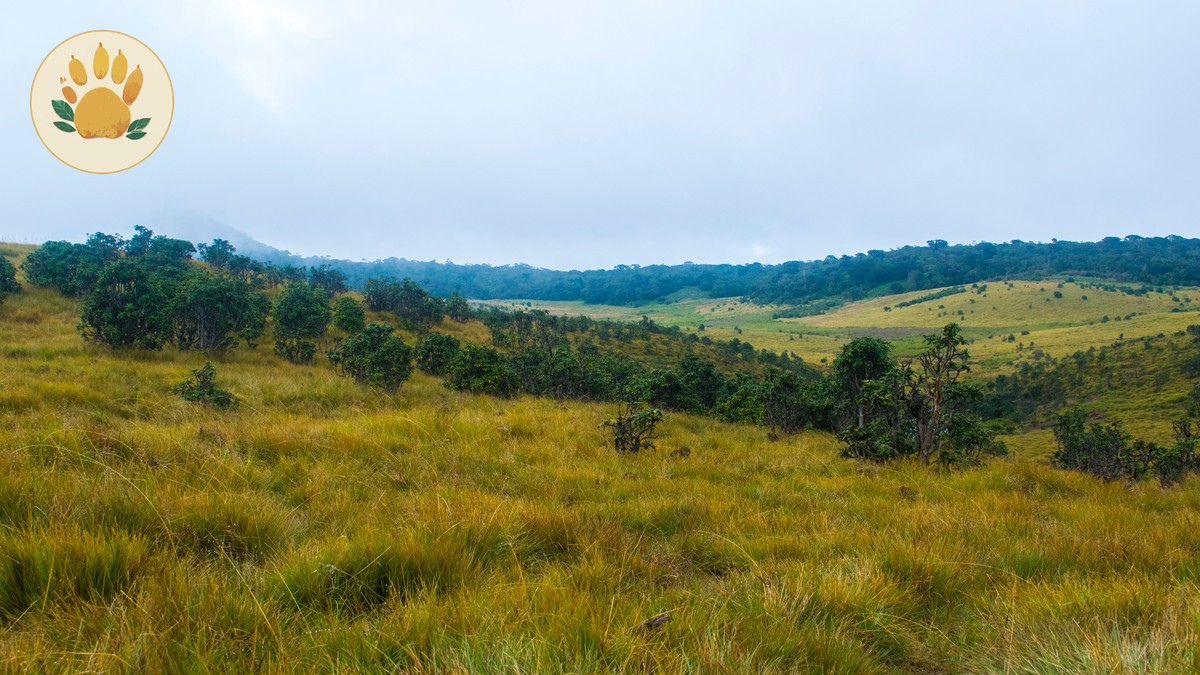
Kenya has two green seasons, not one. The short rains fall from roughly early November through mid-December. The long rains run from late March through May, with April usually the wettest month. Operators often lump both under “low season,” but they behave differently.
The short rains are brief afternoon showers, often over within an hour. Mornings stay clear for game drives, and the Mara turns green within days of the first storm. The long rains are heavier and more persistent, especially in April, when some Mara Triangle tracks become genuinely difficult to drive.
For photographers, November is the more forgiving choice. You get dramatic cloud banks and green grass with fewer logistics headaches. April and May reward patience with the most saturated light of the year, but you need to accept muddier roads and a slower pace.
Why the Light and Landscape Favor Photographers
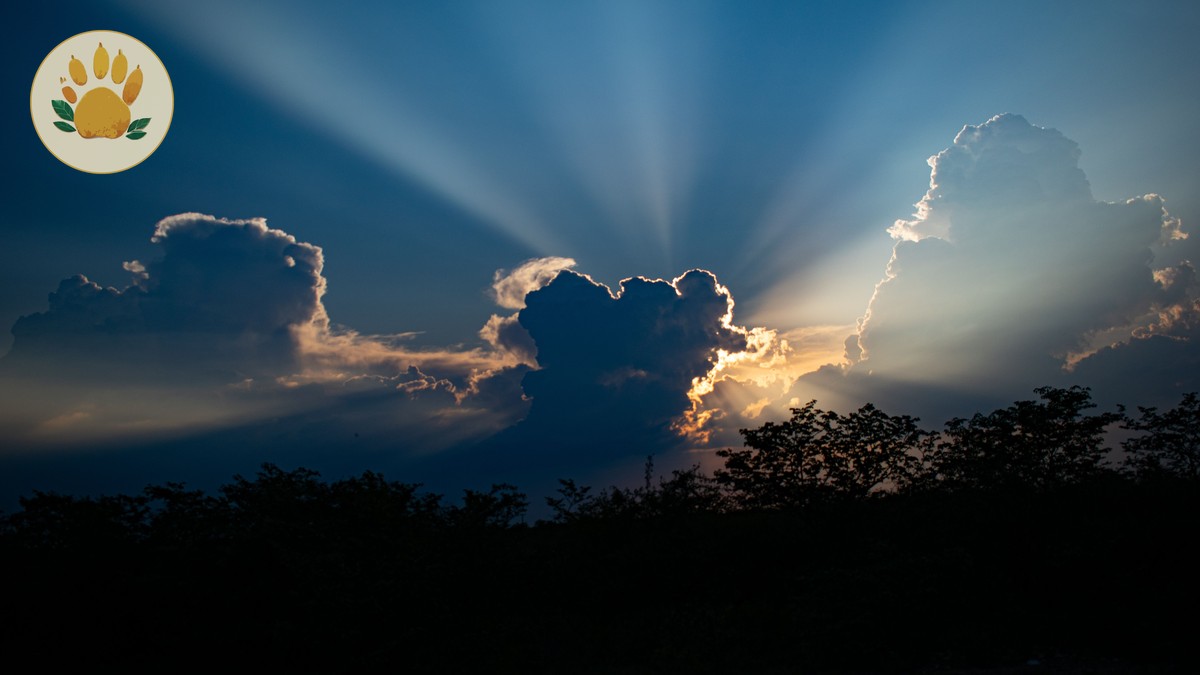
Dry season skies over the Mara are often flat and hazy, especially by midday. Green season skies build with towering cumulus by early afternoon, and storm light against dark clouds produces the kind of contrast that dry season simply cannot match.
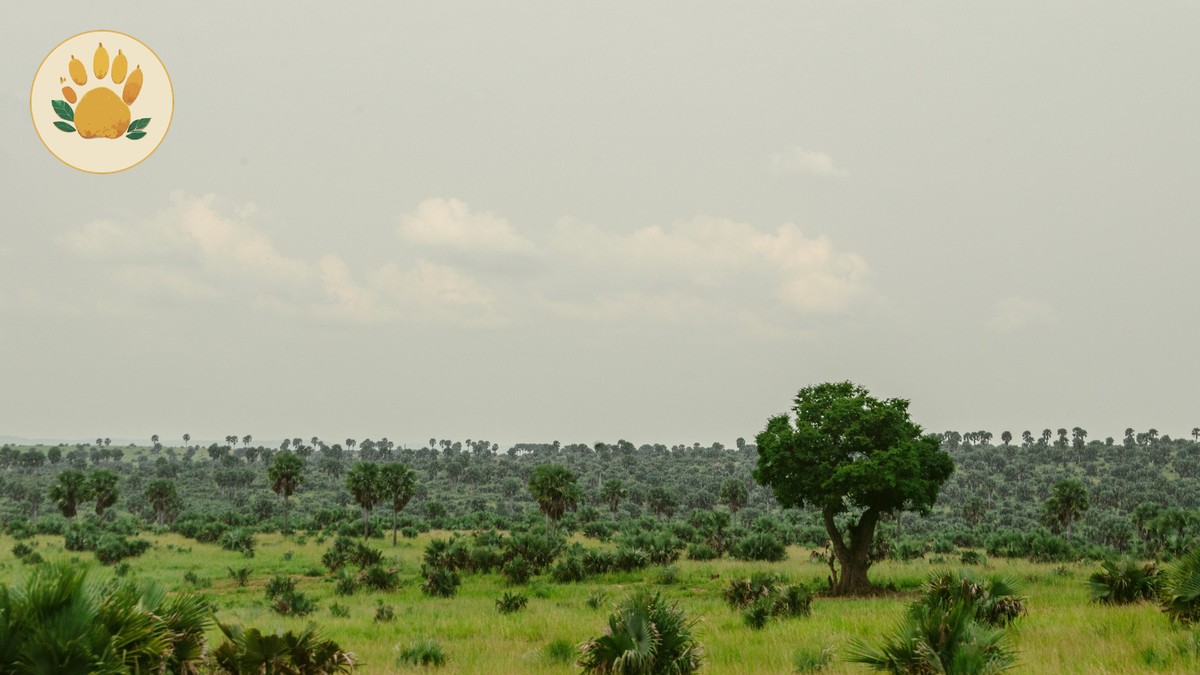
The grass responds fast. Within two weeks of the first rains, the Mara’s plains shift from dust brown to deep green, and the light reflecting off wet grass and puddles adds a second light source low to the ground. Backlit rain showers over Loita Hills or the Oloololo Escarpment make for some of the most striking wide shots available anywhere in East Africa.
Baby Animals and Birthing Season
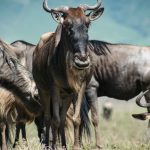
Many plains species time their births to green season, when new grass supports lactating mothers. Wildebeest calve in vast numbers on the southern Serengeti plains from late January into March, just before the migration reaches the Mara. Impala, topi, and warthog young are common sightings in the Mara conservancies through April and May.
Predators respond too. Cheetah and lion cubs are more visible in the long grass cover of green season, and hunts involving inexperienced young prey give photographers more action than the dry season’s slower, more cautious herds.
Fewer Crowds, Closer Sightings
Vehicle density drops sharply outside July through October. In the Mara North and Olare Motorogi conservancies, off-road driving rules mean a maximum of five vehicles at any sighting even in peak season. In green season, you will often have a leopard or a cheetah kill entirely to yourself.
Fewer vehicles also means fewer engine noises and less dust, both of which matter more than most photographers admit until they experience the difference. Guides can hold position longer at a sighting without worrying about other vehicles waiting their turn.
The Trade-offs: Mud, Dispersal, and Malaria Risk
Green season is not a secret without a cost. Wildlife disperses across a much larger area once water and grazing are available everywhere, not just near rivers and waterholes. You will do more searching and fewer guaranteed sightings, especially away from the conservancies.
Roads suffer. Black cotton soil in the Mara Triangle and parts of the Mara North Conservancy turns to thick, sticky mud after sustained rain, and vehicles do get stuck. If you are driving in rather than flying, it is worth reading about getting to the Mara when the roads turn to mud before you commit to a road itinerary in April or November.
Malaria risk rises with standing water and mosquito activity. Prophylaxis, repellent, and covering up at dusk matter more in green season than in the dry months of July through October. Talk to a travel clinic before you go, and check current Kenya eTA visa requirements while you are handling the paperwork.
Some camps close entirely during the heaviest weeks of the long rains, typically parts of April, for maintenance and staff leave. Always confirm a camp’s exact closure dates before booking, since they shift year to year.
Gear and Technique for Wet Light
Pack a rain cover for your camera body, even a basic plastic one, since Mara storms arrive fast. A lens hood helps more than usual, cutting flare from the low, side-lit conditions common under broken cloud.
Faster shutter speeds matter less than usual because green season light, especially under cloud cover, tends to be softer and more even than the harsh midday sun of dry season. That gives you room to shoot at lower ISO for cleaner files. A polarizing filter helps cut glare off wet grass and standing water, which can otherwise wash out your greens.
Bring a dry bag or two for camera storage during transfers, and pack more memory cards than you think you need. Green season game drives often run long, chasing better light between showers, and you will shoot more frames per outing than you expect.
Where to Go: Conservancies and Camps
The private conservancies bordering the Masai Mara National Reserve handle green season better than the reserve itself, partly because they cap vehicle numbers and partly because many sit on better-draining soil.
| Camp / Conservancy | Distance from Nairobi | Peak season rate (Jul-Oct, per person/night, indicative) | Green season rate (Apr-May, per person/night, indicative) |
|---|---|---|---|
| Angama Mara, Mara Triangle escarpment | 45 min flight or approx. 6 hr drive | USD 1,600-2,000 | USD 900-1,200 |
| Mahali Mzuri, Olare Motorogi Conservancy | 45 min flight or approx. 5 hr drive | USD 1,200-1,500 | USD 700-900 |
| Kicheche Mara Camp, Mara North Conservancy | 45 min flight or approx. 5.5 hr drive | USD 800-1,000 | USD 450-600 |
| Governors’ Camp, Mara River (Musiara) | 40 min flight or approx. 5-6 hr drive | USD 700-900 | USD 400-550 |
Rates above are indicative ranges based on published 2025-2026 seasonal pricing and will vary by room category and operator. Masai Mara National Reserve conservation fees run around USD 100 per adult per 24 hours through Narok County. Most private conservancies charge a similar or slightly higher separate fee. Confirm exact figures directly with each camp before booking, since they change annually.
Mara North and Olare Motorogi hold up best in heavy rain thanks to firmer soil and better-maintained internal tracks. The Mara Triangle, west of the Mara River, has some of the richest green season scenery but also the stickiest black cotton mud after a hard downpour.
Green Season vs Peak Migration Season
| Factor | Green Season (Nov, Apr-May) | Peak Migration Season (Jul-Oct) |
|---|---|---|
| Camp rates | Often 40-50% lower | Highest of the year |
| Vehicle density at sightings | Low, often solo | High, especially at river crossings |
| Wildlife concentration | Dispersed, more searching needed | Concentrated near rivers and plains |
| Road conditions | Muddy, some tracks impassable in April | Dry and generally reliable |
| Sky and light | Dramatic clouds, saturated greens | Hazy, flatter light most days |
| Baby animals | High, especially Jan-Mar and Apr-May | Low |
Planning Your Green Season Safari Photography Kenya Trip
Seven to ten nights gives a photographer enough time to wait out weather and still get multiple outings at each location. A useful pattern is three nights in a Mara conservancy, three nights in a drier setting such as Amboseli or Samburu, and a rest day built in for editing and gear maintenance.
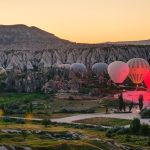
Consider closing the trip with a sunrise balloon safari over the green-season Mara. Storm clouds at dawn, seen from altitude, produce some of the most memorable frames of a green season trip. Flights operate through most of the rains except during the heaviest April storms.
Build slack into any road-based itinerary. A drive that takes five hours in dry conditions can take seven after heavy rain. Flying between camps removes that risk entirely if your schedule is tight.
The SafariPure Difference
Most sites selling green season trips describe it as a lush, empty version of peak season and stop there. We would rather tell you which tracks actually flood, which camps hold their rates honestly, and which week of April to avoid entirely.
Our guides work these conservancies through both rain seasons every year, not just the dry months when the migration draws the crowds. That means we can tell you, month by month, whether the Mara Triangle or Mara North will serve your photography better. We build itineraries with enough flexibility to chase a storm instead of driving around it.
We also quote real prices upfront, including the gap between peak and green season rates, so you can decide if the trade-off works for your trip and your budget.
Frequently Asked Questions
When is green season in Kenya? The short rains run roughly November to mid-December. The long rains run late March through May, with April the wettest month.
Is green season good for wildlife photography? Yes, for dramatic light, green backdrops, and newborn animals, though sightings take more patience than peak season.
Do animals disperse in the rains, making them harder to find? Yes. Water and grazing become available everywhere, so herds spread out rather than concentrating near rivers.
Is there a malaria risk in green season? Risk rises with standing water and mosquito activity. Use prophylaxis and repellent, and consult a travel clinic before departure.
Are Mara roads passable during the rains? Most conservancy roads stay drivable with an experienced guide, but some Mara Triangle tracks become difficult after heavy storms, especially in April.
Is green season cheaper than migration season? Yes, typically 40 to 50 percent lower at the same camps, based on published 2025-2026 rates.
Do camps close during green season? Some close briefly during the heaviest weeks of the long rains, usually parts of April, for maintenance. Always confirm dates directly with the camp.
Ready to plan a green season trip built around your camera, not just the calendar? Get in touch with SafariPure and we will map out the light, the roads, and the right camps for your dates.