Planning an Ol Pejeta vs Lewa safari trip? Both conservancies sit in the Laikipia highlands north of Mount Kenya, and if you have already done the Masai Mara, both are strong second-trip choices. Yet they feel different from the first hour. This comparison breaks the decision into seven practical points: wildlife focus, activities, costs, access, vehicle pressure, exclusivity, and overall style.
Ol Pejeta vs Lewa Safari: Which Is Better?
Choose Ol Pejeta for easier access, flexible budgets, self-drive, night drives, chimpanzees and the last two northern white rhinos. Choose Lewa for fewer vehicles, guided-only game drives, dramatic hills, Grevy’s zebra and a more exclusive luxury atmosphere. For most first-time visitors, Ol Pejeta is the practical choice; Lewa is the premium choice.
This is not a difference between wilderness and zoo. Both conservancies run serious conservation programs. The real distinction is experience design. Ol Pejeta Conservancy runs like a working ranch and a sanctuary, with strong hands-on science. Lewa Wildlife Conservancy runs like a private wilderness estate, with guiding built around calm and restraint.
Which conservancy has better wildlife and rhino sightings?
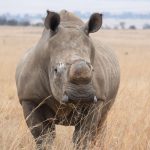
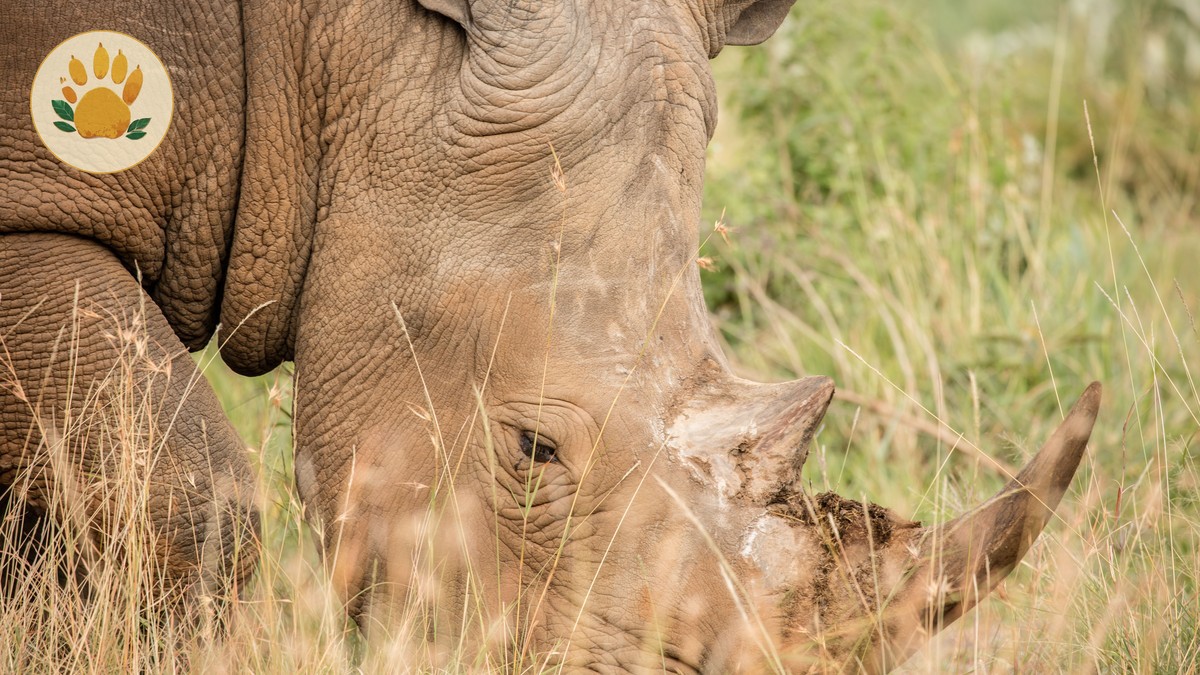
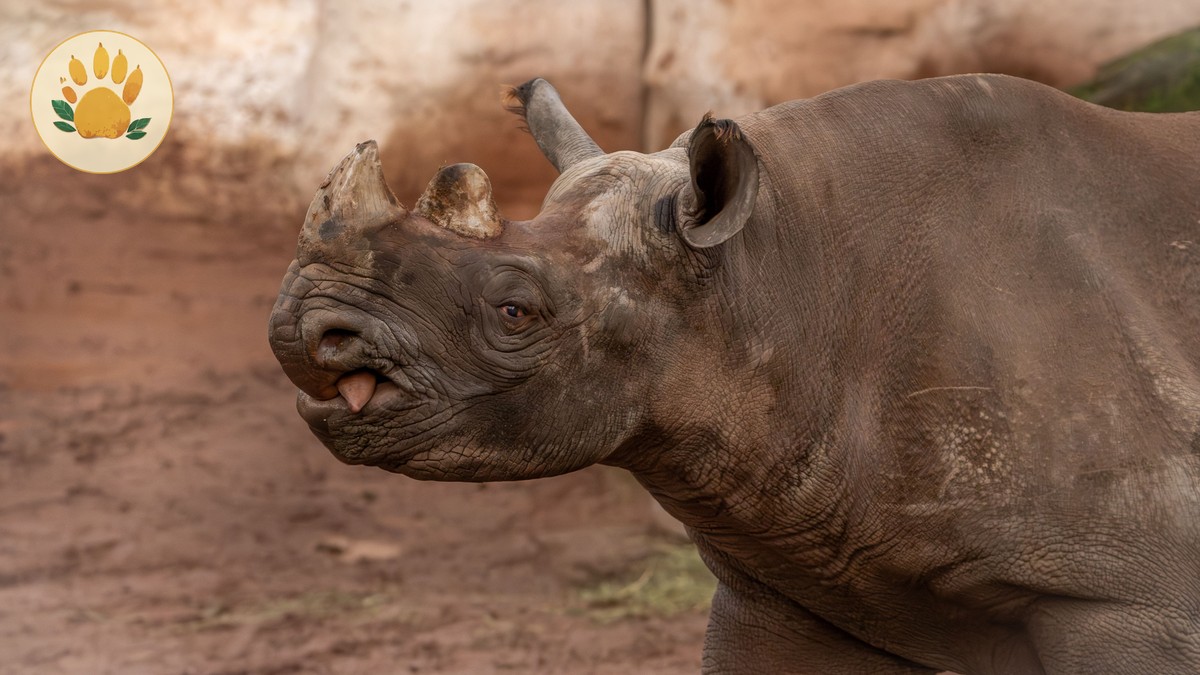
Ol Pejeta is stronger for concentrated rhino experiences, including black rhinos, southern white rhinos and the world’s last two northern white rhinos, plus chimpanzees. Lewa offers excellent black and white rhino sightings but stands out more for Grevy’s zebra, reticulated giraffe, wild dogs and varied northern landscapes.
Ol Pejeta’s rhino density is the most reliable in Kenya. You can reasonably expect rhino sightings on most game drives. Lewa holds steady but less concentrated numbers. What it lacks in rhino volume it makes up for with other northern specialists. Lewa is one of the easiest places to see Grevy’s zebra, reticulated giraffe and endangered wild dogs. Ol Pejeta also protects chimpanzees at the Sweetwaters Chimpanzee Sanctuary, a rescue center associated with the Jane Goodall Institute. If chimpanzees matter, Ol Pejeta is the only practical option in this corner of Kenya. If you choose Lewa, our Lewa rhino tracking safari guide explains how its conservation model works.
Which offers better activities and photography?
Ol Pejeta offers the broader activity menu: self-drive, night drives, lion tracking, walking options, conservation visits and an underground photography hide. Lewa is better for guided, unhurried game viewing, horseback activities and scenic photography, with fewer vehicles but no equivalent dedicated hide. Choose Ol Pejeta for specialist subjects; choose Lewa for atmosphere.
The Hide at Ol Pejeta is one of Africa’s few purpose-built underground photo hides for rhino and other game. It puts a photographer at ground level beside a waterhole. Lewa does not offer an equivalent spot. Instead, Lewa’s quiet roads and low vehicle numbers let your guide stop for minutes at a time, which often produces better natural-behavior photos than any hide ever could.
Self-drive is allowed at Ol Pejeta, so independent travelers can move at their own pace. Lewa is generally guided-only, which is good for knowledge and safety but removes the freedom some repeat visitors enjoy. At Lewa, horseback safaris are a signature activity. At Ol Pejeta, ranger walks and night drives are common.
How much does an Ol Pejeta safari cost vs a Lewa safari?
Ol Pejeta generally offers the wider price range, from roughly $250 to $700 per person per night across options such as Sweetwaters Serena and Kicheche Laikipia. Lewa commonly begins around $450 to $600 and can exceed $950 at top lodges. Conservation fees are also typically lower at Ol Pejeta, although exact rates change.
| Comparison | Ol Pejeta Conservancy | Lewa Wildlife Conservancy |
|---|---|---|
| Best for | Practical rhino and chimpanzee safaris | Private, guided luxury safaris |
| Road from Nairobi | About 220 km, 3.5 to 4 hours via Nanyuki | About 270 km, 4.5 to 5.5 hours via Timau |
| Scheduled flight | About 50 to 60 minutes with transfer | About 45 to 55 minutes to Lewa Airstrip |
| Accommodation per person per night | Roughly $250 to $700 | Roughly $450 to $950+ |
| Conservancy fee per adult | Indicative $90 to $110 per day | Higher than Ol Pejeta, often rolled into lodge rates |
| Self-drive | Yes | Generally no |
| Signature wildlife | Black rhino, white rhino, last northern whites, chimpanzee | Black rhino, white rhino, Grevy’s zebra, wild dog |
| Signature activity | Underground photography hide | Horseback safari |
The table uses indicative rates, not quotes. Fees move with season, room type and currency. For line-by-line planning in this region, see our Laikipia safari cost breakdown.
Conservancy fees matter more than they look at first. Ol Pejeta’s daily fee commonly runs about $90 to $110 per adult per day, so a three-night stay adds roughly $270 to $330 before lodging. Lewa’s conservation charge generally sits higher and is often built into the room rate. Ask any operator for a fee-inclusive quote before you book.
How far are Ol Pejeta and Lewa from Nairobi?
Ol Pejeta is usually the easier stop from Nairobi, taking about 3.5 to 4 hours by road through Nanyuki, with flights to nearby airstrips. Lewa generally takes about 4.5 to 5.5 hours by road or roughly 45 to 55 minutes by scheduled flight. If minimizing road time matters, Ol Pejeta has the advantage.
The road route from Nairobi climbs the central highlands to Nanyuki. From Nanyuki it is a short hop to the Ol Pejeta gate. For Lewa, you continue north toward Timau and turn onto ranch roads. The extra hour or two depends on weather and traffic. Flying works well for both. Scheduled flights leave Wilson Airport in Nairobi and land at Nanyuki Airport for Ol Pejeta or at Lewa Airstrip for Lewa. Our Northern Kenya rhino safari itinerary shows realistic transfer times.
Which feels more exclusive: Ol Pejeta or Lewa?
Lewa feels more exclusive because access is guided, lodge-based and limited, producing fewer vehicles and longer, quieter sightings. Ol Pejeta is larger and more flexible but accepts day visitors and self-drive guests, so sightings can be busier. The trade-off is straightforward: Ol Pejeta offers access and value; Lewa offers privacy and polish.
This difference shows most clearly at a sighting. On Ol Pejeta, you might share a leopard sighting with a couple of other vehicles. On Lewa, you might be alone for twenty minutes. Neither situation is good or bad. It depends on your tolerance for company and your definition of a proper Kenya rhino safari. Vehicle density is the single biggest reason Lewa lodges cost more. You pay for time, space and polish as much as for wildlife. If you prefer to move independently and build your own route, Ol Pejeta gives you more freedom.
The SafariPure Difference
At SafariPure, we do not treat Ol Pejeta and Lewa as rivals. Most matched trips become obvious after a short conversation. We guide in both conservancies, and we know which one suits a repeat visitor who has already seen the Mara and now wants Laikipia hills, northern species and quieter photography. Our planning style is straightforward: we quote named camps, show fees separately, and put road or flight transfers in writing. That written clarity is part of the SafariPure promise. We would rather recommend one conservancy for the whole trip than squeeze both into a rushed week when it does not fit your dates.
Which conservancy should you choose?
Book Ol Pejeta if your priorities are rhinos, chimpanzees, photography hides, family flexibility, self-drive or a lower total cost. Book Lewa if your priorities are seclusion, Grevy’s zebra, horseback experiences, Mount Kenya views and a high-end guided safari. Combine them for three to five nights when both signature wildlife and exclusivity matter.
Both conservancies work well for a three-night fly-in trip. With more days, a combination makes sense: two nights at Ol Pejeta for rhinos, chimpanzees and the hide, then two nights at Lewa for the quieter end of the same story. Use a short hop between Nanyuki and Lewa Airstrip or arrange a road transfer.
Most returning travelers choose based on where they are in their safari history. Ol Pejeta rewards curiosity and value. Lewa rewards privacy and polish. Need help deciding? Use the Northern Kenya rhino safari itinerary as a starting point, then plan the trip with SafariPure. We will hold your preferred camp, confirm current conservancy fees and make the transfer question disappear. Start the conversation on our contact page.