Long road days are the reason many people delay a Kenya safari. This route solves that. It is a Kenya safari itinerary without long drives: seven days, short flights, and two famous parks. Most of your daylight hours go to watching animals, not watching the highway.
SafariPure plans variations of this trip throughout the year. The goal is simple. You want more time in the wild, and that means less time between parks.
What is the best Kenya safari itinerary without long drives?
The best low-driving Kenya safari for most first-time visitors is seven days: one night near Nairobi, three nights in the Masai Mara, and two nights in Amboseli, followed by a final Nairobi connection. Fly between regions from Wilson Airport, then use short airstrip transfers. This delivers five safari nights without cross-country road days.
The Nairobi night is an arrival buffer. It protects you from international flight delays and lets you start the next morning with a calm transfer to Wilson Airport. Wilson is a small domestic airport about 6 kilometers from the city center. Most safari flights leave from there.
Once you reach each park, a vehicle handles short camp transfers and game drives. The vehicle stays local. You are not tied to a long-distance drive plan.
How do I avoid long drives on a Kenya safari?
Replace any road leg longer than about four hours with a scheduled or charter bush flight. Fly from Wilson Airport to Mara or Amboseli airstrips, and keep vehicles for game drives and short camp transfers. The trade-off is higher cost, possible Nairobi connections, baggage limits, and less flexibility than a private road vehicle.
The road from Nairobi to the Masai Mara usually takes five to six hours. The road from Nairobi to Amboseli takes about four hours. Driving between the Mara and Amboseli can take close to a full day. A flight from Wilson to the Mara takes roughly 45 minutes. A flight from Wilson to Amboseli takes roughly 40 minutes.
This is where the real planning happens. Regional airlines often restrict checked luggage to about 15 kilograms per person, and you need a soft bag. Hard-shell suitcases rarely work well on small aircraft. Camp staff handle most transfers from the airstrip, but you should not expect door-to-door private vehicles for every park move.
Scheduled flights between the Mara and Amboseli sometimes connect through Nairobi. That means a stop at Wilson and a short wait. The total travel time is still shorter than driving, and it is far less tiring.
A charter flight gives you more control over departure time. It also costs more. For most first-time travelers, a scheduled flight with one connection is the practical choice.
What does a 7-day fly-in Kenya safari itinerary look like?
Use this seven-day plan: day one, fly to the Masai Mara and take an afternoon drive; days two and three, enjoy full Mara days; day four, fly to Amboseli via Nairobi; days five and six, take relaxed game drives; day seven, fly back to Nairobi. The route provides three Mara nights, two Amboseli nights, and no exhausting inter-park drive.
Here is the route with practical details.
Day 1: Arrive at Wilson Airport at least 60 minutes before your scheduled flight. Fly to a Mara airstrip, where a camp vehicle meets you. A short transfer follows, often 30 to 60 minutes depending on your camp. After lunch, take an afternoon game drive.
Day 2: Start before sunrise with tea or coffee. Your first drive happens as the light arrives. Return to camp for a late breakfast and rest. Head out again in the late afternoon, when predators become active.
Day 3: Use the full day to follow wildlife reports. If you are traveling during July to October, ask your guide about the Mara River crossings. Those crossings are not guaranteed, so give yourself time and flexibility. Three nights means you can adjust to weather and animal movement.
Day 4: Take an early game drive, then fly from the Mara to Amboseli via Nairobi. Depending on the connection, you may be traveling from late morning to midafternoon. Arrive at Amboseli, settle into camp, and head out for the late drive near the swamps.
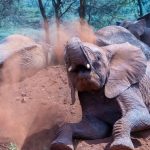
Day 5: Make the most of a full Amboseli day. Elephant herds gather around the marshy areas, and the views toward Kilimanjaro are part of the experience. The central and western camp zones work well for this style of safari.
Day 6: Another full day in Amboseli. Consider an early drive near Observation Hill. You can also spend time at one of the park’s swamps, where elephants, buffalo, and many birds come to drink.
Day 7: Enjoy one final morning drive, then fly from Amboseli back to Wilson Airport. If you have an international flight that evening, confirm the timing with your safari planner. It is safer to add one night in Nairobi before flying home.
This fly-in Kenya safari feels calm because it removes the most stressful travel days. The wildlife time is concentrated in two contrasting parks: open Mara grasslands and Amboseli’s swamp and dry lakebed.
Which parks and camps work best for a short-drive safari?
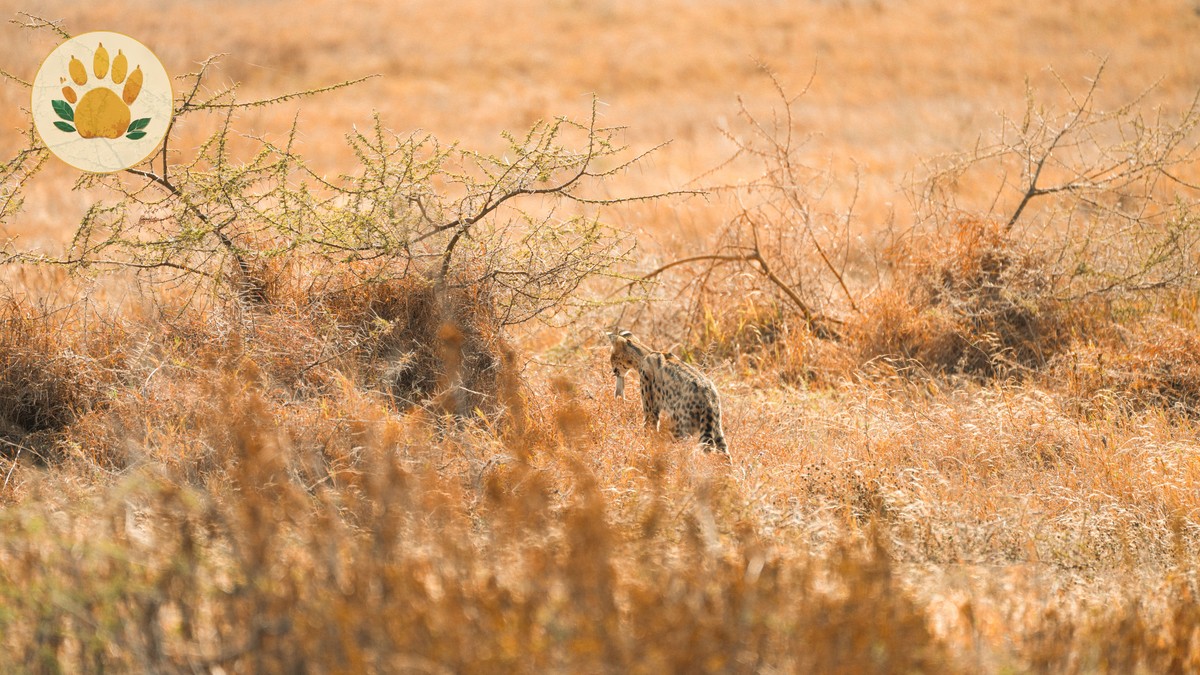
Choose the Masai Mara for the strongest all-round wildlife viewing and Amboseli for elephants and Kilimanjaro views. Suitable camp areas include the Mara Triangle or private Mara conservancies and Amboseli’s central or western camp zones. For a road-based alternative, combine Nairobi National Park, Lake Naivasha, Lake Nakuru, or Amboseli.
The table below shows the core trade-offs between parks on a route without long drives.
| Park or area | Why it works | Park fee per non-resident adult per day | Suggested stay |
|---|---|---|---|
| Masai Mara National Reserve | Big cats, wildebeest migration, open plains | USD 100 Jan to Jun; USD 200 Jul to Dec | 3 nights |
| Amboseli National Park | Large elephant herds, swamps, Kilimanjaro views | USD 90 | 2 nights |
| Nairobi National Park | Rhinos and an easy safari close to the city | USD 80 | Half day as an add-on |
| Lake Nakuru National Park | Rhinos, flamingos, and a road-based option | USD 90 | 1 to 2 nights, road-based plan |
The Masai Mara National Reserve is managed by Narok County Government, not by Kenya Wildlife Service. The fee above is the county rate. Amboseli National Park is a KWS park.
Inside the Mara area, private conservancies such as Mara North and Naboisho offer another choice. They sit next to the reserve and have lower vehicle density. Their fees are usually bundled into the lodge rate. As a planning range, conservancy fees run from about USD 80 to USD 150 per person per night.
Traveling with children? Start with our guide to Maasai Mara family safari lodges. It will help you choose a camp with the right family rooms, safety standards, and guiding approach.
For road travelers who want to skip flights entirely, a short-drive Kenya safari can follow this arc: Nairobi National Park, Lake Naivasha, Lake Nakuru, and Amboseli. The routes are shorter than a full Mara transfer, but you still need to pace the driving carefully. If Tsavo West interests you, read our guide to the best time for a Tsavo West safari before adding it to a low-driving plan.
How many nights should you spend in each safari park?
Spend at least two nights in each park and preferably three nights in the Masai Mara. One night usually becomes a transfer day with only one rushed game drive; two nights provide one full wildlife day, while three nights provide two full days and more flexibility for weather, wildlife conditions, and camp downtime.
Two nights in Amboseli is the practical minimum. If you arrive in the afternoon on day one and leave in the afternoon on day two, you gain one full wildlife day plus two shorter windows. That is enough for a first visit.
Three nights in the Mara is better for two reasons. First, the Mara is large, and wildlife moves. Second, your guide can adapt if a leopard is located far from camp or if a river crossing starts late in the day. One extra night removes the pressure to see everything at once.
How much does a fly-in Kenya safari cost?
A short-drive Kenya safari can start around USD 390 for two days in Amboseli or about USD 480 for a three-day road safari to the Masai Mara. A fly-in itinerary costs more because it adds regional air tickets and often higher-priced camps. Budget approximately USD 2,500 to USD 5,000 per person for a comfortable seven-day fly-in safari, excluding international flights.
The main cost drivers are the number of nights, the camp category, and the season. A simpler tented camp in low season sits near the lower end of that range. A premium camp in a private conservancy during peak migration sits near the higher end.
Flights need their own budget line. Each scheduled sector from Wilson to a safari airstrip can cost USD 200 to USD 350 depending on the airline and booking date. A route with three safari sectors needs a realistic allowance.
Park fees appear on most invoices as a separate line. The current Masai Mara fee is USD 100 per adult per day from January to June and USD 200 from July to December. Amboseli is USD 90 per adult per day. These fees are not optional extras. They are part of running a reserve that protects wildlife.
SafariPure can show you a quote with each cost line identified. That way you know what covers the flight, the camp, the guide, and the park fees before you decide.
What do travelers ask about this Kenya safari itinerary without long drives?
How do I avoid long drives on a Kenya safari?
Build a fly-in itinerary using Nairobi’s Wilson Airport and regional airstrips near the Masai Mara and Amboseli. Keep road travel for short airstrip-to-camp transfers and game drives, rather than driving between distant parks.
Can you fly between safari parks in Kenya?
Yes. Light aircraft connect Wilson Airport with airstrips near the Masai Mara and Amboseli, and flights can connect safari regions either directly or through Nairobi. Camp staff typically arrange the short transfer from the airstrip to camp.
What is the best 7-day Kenya safari itinerary?
A strong seven-day route is one night in Nairobi, three nights in the Masai Mara, two nights in Amboseli, and a final flight back to Nairobi. It concentrates on two contrasting wildlife regions and replaces the longest road journeys with bush flights.
How many nights should you spend in each safari park?
Two nights is the practical minimum, while three nights is better for the Masai Mara. One night often means spending most of the visit arriving and departing instead of enjoying a full safari day.
How much does a fly-in Kenya safari cost?
Fly-in safaris cost more than road safaris because they include domestic air tickets and commonly use higher-priced camps. As a planning range, allow about USD 2,500 to USD 5,000 per person for a comfortable seven-day fly-in itinerary, excluding international flights. Final pricing depends on season, camp category, and room occupancy.
The SafariPure Difference
SafariPure builds this route around your dates, your budget, and the way you prefer to travel. We check current park fees each season, so your quote matches the county and KWS rates above. We also confirm baggage limits, flight schedules, and airstrip transfer times before you fly.
Our planners use camps where the driving distances inside the reserve are sensible. They avoid routes that look short on a map but take all day in traffic or on rough roads. If a connection changes, you get a human answer instead of a generic message.
The result is a Kenya safari itinerary without long drives that still feels like a proper safari. You sleep in the wild, wake to bird calls, and spend your energy on game drives and long views.
Ready to plan this Kenya safari without long drives?
Tell SafariPure when you would like to travel and how many nights suit your group. We will send a route with the camps, flight sectors, and costs laid out clearly. Start by visiting the SafariPure contact page, and we will take it from there.