
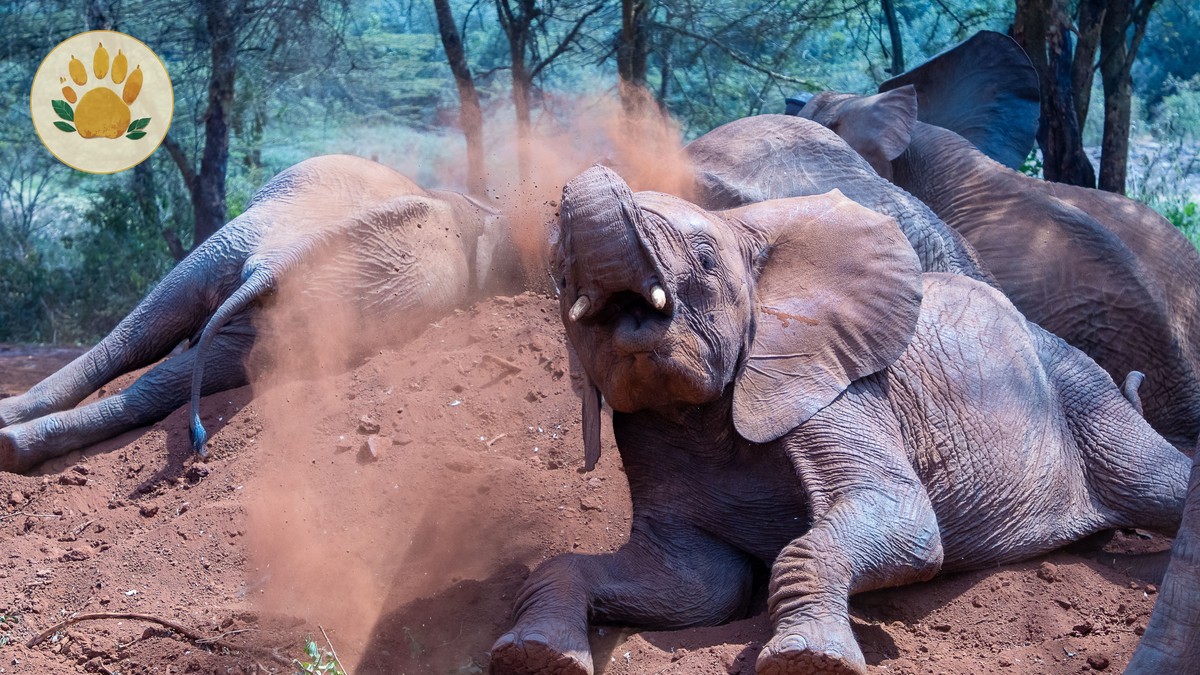
Tsavo West National Park covers roughly 9,000 square kilometers between Nairobi and the coast. It has volcanic slopes, lava flows, and clear springs instead of flat savanna. The tsavo west safari best time runs from June through October, with January and February as a strong second window. This guide compares the seasons honestly. You will see trade-offs between value, wildlife visibility, and road conditions.
What Is the Tsavo West Safari Best Time?
For a Tsavo West safari, the best overall time is June to October, with January and February close behind. Dry weather lowers grass height, improves visibility, and concentrates animals around Mzima Springs, waterholes, and river corridors. Choose June to October for the most reliable game viewing; choose January to February for warm weather and fewer peak-season pressures.
Most repeat travelers work from a short list of six months: June, July, August, September, October, and February. January is not a bad month, but the first half often carries holiday demand from Christmas. By late January the camps feel quieter, and February delivers almost the same dry-season game viewing as the main peak. If you can travel only once, September is a clear single-month favorite. The grass is low by then, and the wildlife has settled into predictable daily habits.
How do Tsavo West dry season and rainy season weather compare?
Tsavo West has two stronger dry windows: June to October and January to February. The wetter periods run roughly November and March to May. Dry months usually mean clearer roads and easier animal spotting. Wet months bring greener scenery and fewer visitors. January and February offer the best balance of reliable weather and moderate demand.
| Season window | Tsavo West conditions | Wildlife viewing | Road conditions | Non-resident fee per adult per day |
|---|---|---|---|---|
| June to October | Long dry season, short grass, predictable water. | Best overall; elephants concentrate. | Mostly dry and passable. | USD 80 |
| January to February | Warm and largely dry. | Very good; fewer crowds after late January. | Generally passable. | USD 80 |
| November to December | Short rains; vivid green scenery. | Good but variable; top birding. | Muddy patches possible; confirm with camp. | USD 80 |
| March to May | Long rains; lush and quiet. | More challenging for mammals; excellent birding. | Some roads difficult; camps may close. | USD 80 |
These fees are set by Kenya Wildlife Service for non-residents. The fee has stayed at USD 80 per day since the October 2025 update, and it does not change with the season. Camp rates shift much more than park entry fees.
If you have already watched the migration in the Masai Mara, adjust your expectations. Tsavo West will not give you a single moving carpet of animals. It gives you a landscape where resident wildlife spreads out across bush, hills, and springs. The Tsavo West dry season tightens that spread and makes your guide’s route choices matter.
Which months are best for Tsavo West wildlife viewing?
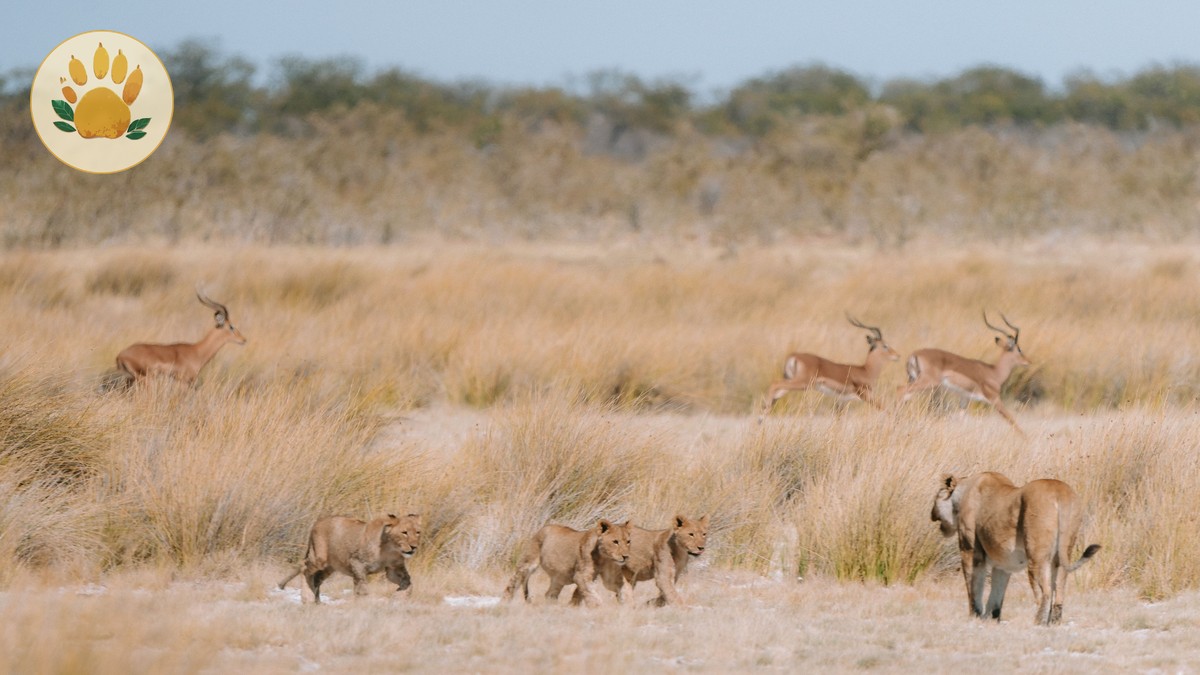
June to September is the clearest period for general wildlife viewing. Elephants and other animals gather near dependable water while grass stays low. Elephants remain in Tsavo West all year, but dry-season drives make them easier to locate. Lions, leopards, and cheetahs can also be seen year-round, with visibility improving in dry conditions.
The park’s elephant herds are its signature. In the dry season, you will often find family groups moving toward Mzima Springs and well-known waterholes near Kilaguni. Lions use the open plains around Kilaguni and the rocky hills farther south. Leopards are less predictable, but an early morning drive through wooded valleys raises your chances. Cheetahs prefer the shorter grass that appears by late August and September.
Mzima Springs is not a normal waterhole. Rainfall from the Chyulu Hills filters through porous rock and emerges as clear pools. Hippos and crocodiles are easy to see there. The springs also draw elephants, buffalo, and many bird species. A good plan is to reach Mzima by mid-morning, before the heat and the game-drive vehicles build up.
When is the best time for Tsavo West birdwatching and green views?
October to April is the best period for Tsavo West birdwatching. Migratory species join resident birds, and breeding activity increases. November and December often have vivid green scenery after rain. The trade-off is less predictable weather and thicker vegetation, which can make mammals harder to spot than in the dry season.
Birders should put October to December and February to April on the calendar. Northern migrants from Europe arrive by October, and many remain until April. Resident species such as vulturine guineafowl, hornbills, kingfishers, and African fish eagles are present year-round. Lake Jipe, on the southern boundary of Tsavo West, is one of the most productive wetland sites in the park. Mzima Springs also gives good close views of waterbirds when the light is soft in early morning.
Green-season scenery has a separate appeal. The lava fields and dry riverbeds turn less harsh, and overcast light suits photography. If your main interest is birds and landscape, the green months deserve a serious look. If your main interest is large mammals, keep those dates inside the dry windows.
How do prices, crowds, and value change by season?
The cheapest periods are usually March to May and November to December. Rain lowers demand, so some camps offer lower rates. June to October and January to February usually cost more because wildlife viewing and weather are more dependable. A practical compromise is January after the New Year peak, or June before the busiest weeks.
A current Tsavo West park entry fee is USD 80 per adult per day for non-residents. That flat rate means the real price differences between seasons come from camps, transport, and guides. In the long dry season, full-board rates at established lodges rise, and the best rooms get booked early. In the green months, camps often publish lower rates to keep occupancy up.
Use camp figures only as an indicative planning range. Published rates for 2026 appear mostly between USD 250 and USD 450 per person per night at mid-range camps such as Kilaguni Serena Safari Lodge and Severin Safari Camp. The luxury range at properties like Finch Hattons Luxury Tented Camp often starts near USD 700 per person per night. The exact rate depends on flight transfers, room category, and the number of nights. Your operator should show the total in writing before you pay.
Crowds follow the dry season. July and August are busiest, and the Christmas to New Year stretch also fills quickly. September is still busy but more predictable. November, December before Christmas, and March to May are noticeably quieter. Repeat visitors often choose February if they want high game-viewing quality with fewer vehicles.
How should you plan Mzima Springs, roads, and camps for Tsavo West?
Plan at least two full nights in Tsavo West. That allows one full game-drive day plus time for Mzima Springs and the volcanic landscapes. Visit Mzima early or late, when wildlife is active and crowds are smaller. During the main dry season, reserve six to twelve months in advance. During March to May, confirm that your camp is open and roads are passable.
Most travelers enter through Mtito Andei Gate from Nairobi. The drive is roughly 230 to 250 kilometers and takes four to five hours depending on roadworks. You can also fly to Kilaguni Airstrip if you want to save time. A two-night plan works like this: arrive in the early afternoon, do a short game drive toward your camp, spend the following full day at Mzima Springs and a chosen wildlife area, then leave on the third morning. A three-night plan adds a half-day around Lake Jipe or the Ngulia Rhino Sanctuary.
If you travel with children, take time to read our family safari packing essentials before you leave. Tsavo West roads are rougher than the main Nairobi to Mombasa highway, and the right gear makes a real difference. Before choosing a lodge, also review our safari swimming-pool safety checks. Camp pools can be shallow and less supervised than hotel pools. If your route continues to the coast, our Diani Beach swimming and tide tips will help you move from the dry park to the Indian Ocean safely.
During the long rains, ask about camp closures before you book. Some properties close for maintenance because the access roads become difficult. Others stay open with lower rates and much smaller groups. A reliable operator will tell you which camps are actually running that month.
Frequently Asked Questions
What is the best month to visit Tsavo West?
September is one of the strongest single-month choices because it falls inside the long dry season. Vegetation is thin, and animals gather near reliable water. January and February also work well, offering dry conditions and warm weather without the same peak-season crowd levels.
Is Tsavo West worth visiting in the rainy season?
Yes, especially for lower prices, fewer visitors, green landscapes, and birdwatching. The March to May rains can make some roads harder, and camps may close, so confirm current conditions before booking. November and December can be a useful compromise with lighter demand and beautiful light.
Can you see elephants in Tsavo West year-round?
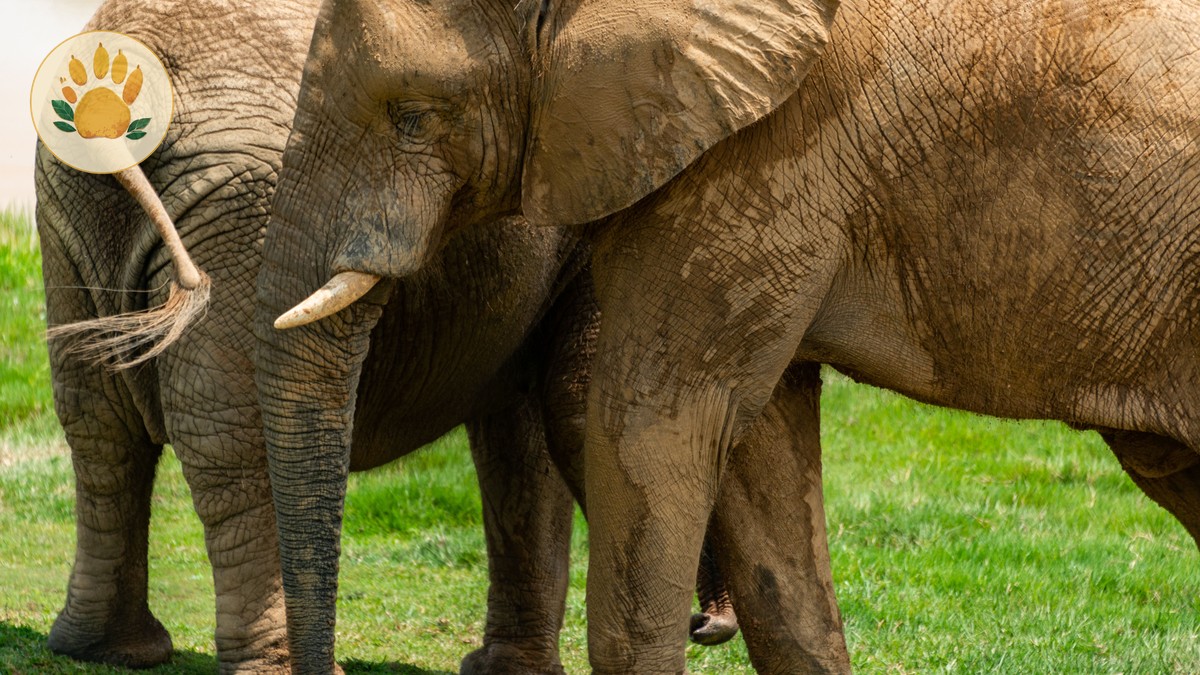
Yes. Elephant herds use Tsavo West throughout the year, especially around waterholes, riverbeds, and springs such as Mzima. Dry-season travel makes them easier to find because vegetation is lower and water sources become more predictable.
When is the best time for bird watching in Tsavo West?
October through April is generally best. Migratory birds join resident species, and breeding activity rises. January and February combine good weather with strong birdlife. November and December give lush scenery and active seasonal habitats.
What is the cheapest time to visit Tsavo West?
March to May is normally the lowest-demand period. November and December can also offer better value than the main dry season. You trade some weather stability for quieter camps and lower published rates, so confirm road access first.
The SafariPure Difference
SafariPure starts every Tsavo West plan with your actual dates. We treat the tsavo west safari best time question as a starting point, not a formula. For repeat travelers who have already done the Mara, SafariPure also builds routes that use February, November, and the edges of the green season. These months can give you long mornings at Mzima Springs with only a few other vehicles.
SafariPure recommends camps by access, guiding quality, and wet-season reliability, not just by reputation. We know which Tsavo West lodges keep their pools safe, which ones stay open during the rains, and where the best guides work. A Tsavo West safari planned with SafariPure includes realistic mileage, park fees, and timing on roads. You should know before you arrive whether your camp closes in April or keeps its waterhole active.
Ready to plan your Tsavo West safari?
Tell us which month fits your travel plans. If the long dry season matters most, we will protect your dates and book early. If you prefer value or birding, we will help you choose a better travel window. Use our contact page to start the conversation, and ask for a two-night or three-night Tsavo West route that matches your interests.
SafariPure can help you plan a Tsavo West safari, including Mzima Springs, camp choice, and the dates that avoid unnecessary road risk. We do not push you into July because the calendar says peak. We push you to the month that makes sense for your safari.