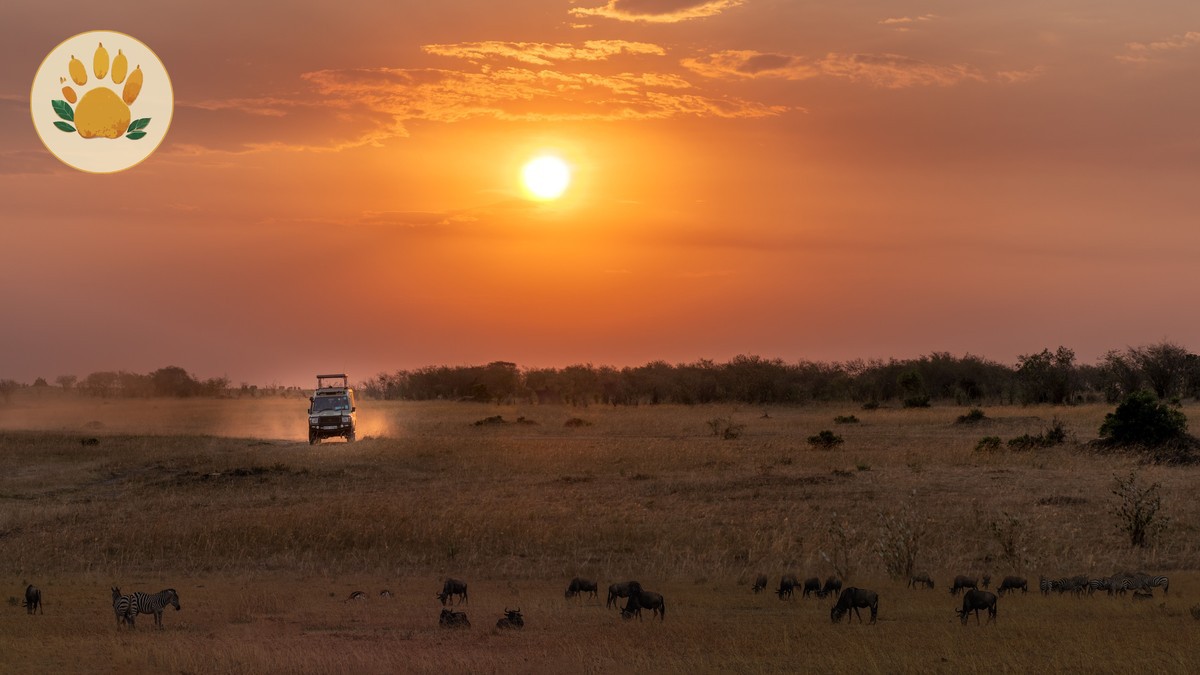
A safari in Kenya can be done from a wheelchair, but the planning is different. You cannot book a generic package and hope for the best. You need a route that matches your mobility, a vehicle you can board, and a camp room you can use without help at dawn.
This seven-day Kenya safari wheelchair accessible itinerary is built around practical details. It covers Nairobi, Amboseli National Park, and the Masai Mara National Reserve. It gives real distances, current park fees, and the exact questions to ask before you pay. The goal is simple. You spend your days watching wildlife, not fighting logistics.
The Best Kenya Safari Wheelchair Accessible Itinerary
A practical accessible Kenya safari takes 7 days: 2 nights in Nairobi, 2 nights in Amboseli, and 3 nights in the Masai Mara, with a private adapted vehicle and one internal flight if the budget allows. Amboseli is easier for firm paths and level access. The Mara delivers stronger wildlife viewing but rougher tracks.
Start with the distances. Amboseli is about 240 kilometers from Nairobi, a drive of 4 to 5 hours. The park has firm tracks around the lodges and flat terrain near the swamps. A wheelchair safari in Amboseli is often the gentler first stop.
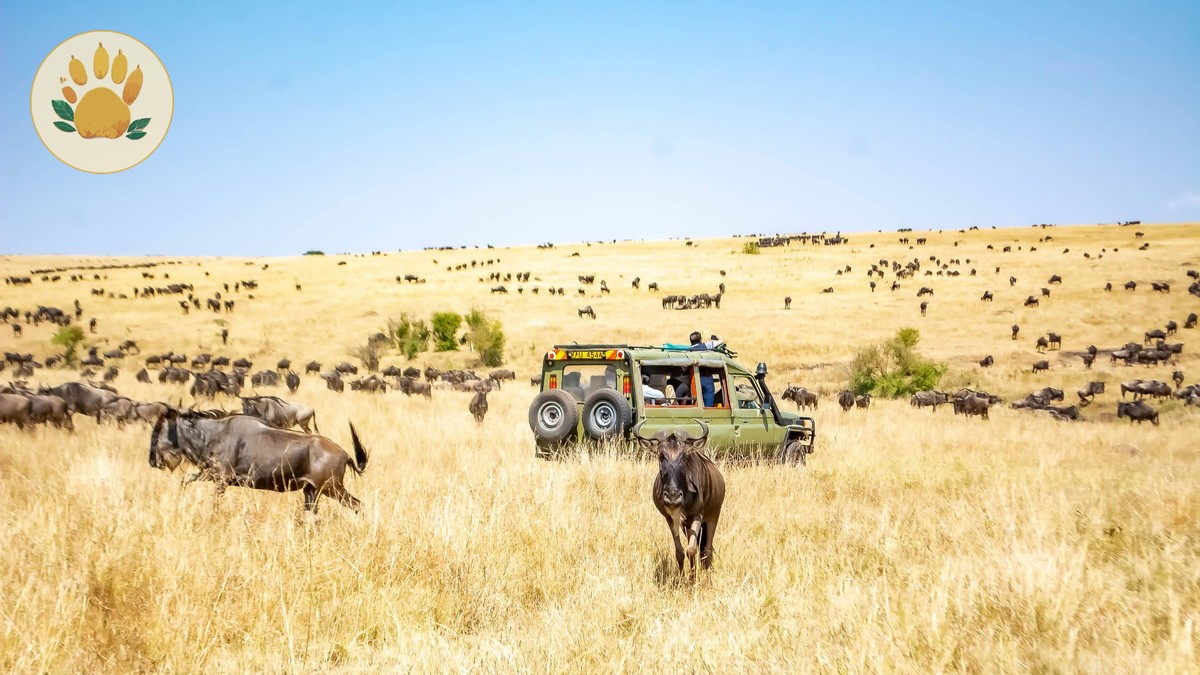
The Masai Mara is the opposite. The wildlife is outstanding, and the open savanna gives wide views of elephants, lions, and migrating herds. But the tracks are rougher, and the roads can be corrugated and dusty after rain. A wheelchair safari in the Masai Mara still works well, but you need a vehicle with proper clearance and a camp that has confirmed its accessibility in writing.
That is the honest trade-off. You get an easier start in Amboseli and a more demanding finish in the Mara. You also get two full game-drive days in the Mara, which is the best way to see the migration herds.
Day-by-Day 7-Day Kenya Wheelchair Safari Route
Use this seven-day route: Nairobi arrival and accessibility check, two nights in Amboseli, fly or drive to the Masai Mara for three nights, then return to Nairobi for departure. Keep two full game-drive days in the Mara, schedule rest after long transfers, and avoid combining Lake Nakuru and Naivasha unless the trip extends beyond seven days.
Here is how the days break down.
Day 1: Arrive in Nairobi. Land at Jomo Kenyatta International Airport. Transfer to a hotel with confirmed step-free access. Ask for a ground-floor room, a roll-in bathroom if you need one, and a firm path to the dining area. If your energy allows, add a half-day at Nairobi National Park. It costs USD 80 per adult per day, and you can be back in the city by early evening.
Day 2: Drive to Amboseli. Set off after a slow breakfast. The drive covers about 240 kilometers and takes 4 to 5 hours, with a lunch stop near Emali. Arrive in the early afternoon. Sleep, unpack, and confirm the step-free routes with the manager. Take a short evening game drive if you feel ready.
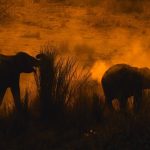
Day 3: Full day in Amboseli. Start with a morning drive toward the swamps. This is the classic view: elephants with Mount Kilimanjaro behind them. Return for lunch and rest. Head out again in the late afternoon. The paths around the main lodges are firm gravel, so rolling between buildings is easier.
Day 4: Travel to the Masai Mara. You can fly from Amboseli to the Mara via Nairobi, total flying time about 1 hour 30 minutes. Or you can drive, roughly 380 kilometers and 6 to 8 hours depending on the season. The road is rough in places. If the budget allows, take the flight. A long road day before two full game drives can drain your energy.
Day 5: Full day in the Mara. Take a morning drive and an evening drive, with a long break at camp in the middle. The Mara is the place for big cats and, from around July to October, the wildebeest migration. Fees rise to USD 200 per adult per day in peak season, but wildlife density is highest then.
Day 6: Second full day in the Mara. Explore a different part of the reserve, such as the Mara River area. Ask your guide whether a picnic lunch works for you. For many wheelchair users, a proper lunch and a rest at camp beat a picnic table far from a bathroom.
Day 7: Return to Nairobi. Take a short morning game drive, then head back. By road, it is about 270 kilometers and 5 to 6 hours. By flight, it is 45 to 60 minutes from the reserve airstrip to Wilson Airport. If you have an evening departure, fly.
Here is the route in one table.
| Stop | Nights | Route and transport | Non-resident adult fee per day (2026) | Accessibility notes |
|---|---|---|---|---|
| Nairobi | 2 | Arrival and airport transfer | USD 80 at Nairobi National Park, if included | Confirm step-free hotel room and transfer before arrival |
| Amboseli National Park | 2 | Approx. 240 km from Nairobi; 4-5 hours by road | USD 90 (Kenya Wildlife Service) | Firm flat paths; easier first park for many wheelchair travelers |
| Masai Mara National Reserve | 3 | Approx. 380 km from Amboseli; 6-8 hours by road, or about 1 hour 30 minutes by flight | USD 100 Jan-Jun; USD 200 Jul-Dec (Narok County, not KWS) | Strong wildlife; rougher tracks; verify vehicle and camp in writing |
| Return to Nairobi | 0 | Approx. 270 km from the Mara; 5-6 hours by road, or 45-60 minutes by flight | Not applicable | Fly if you need to save energy for departure |
If you try to add Lake Nakuru and Lake Naivasha to these seven days, you will spend more time driving than watching animals. Both are worth a visit with nine or ten days. In a week, the route above keeps your energy for the parks that matter most.
If seven days are not enough, consider a longer route for a future trip. Our Tsavo Coast safari itinerary shows a Kenya holiday that pairs Tsavo East and West with beach time on the coast. It works for travelers who want flat terrain after the safari, but it is not a substitute for the Mara in a short window.
Accessible Safari Vehicles and Transfer Logistics
Confirm the vehicle before paying: ask whether it has a ramp or lift, whether the wheelchair can remain secured during game drives, and whether the traveler must transfer into a standard seat. Vehicle access often matters more than lodge access, because rough tracks, high steps, and long boarding transfers can determine whether a safari is genuinely usable.
Most providers of an adapted safari vehicle in Kenya use a modified Land Cruiser or Land Rover. Some fit a rear ramp or side lift. Others have a lowered floor and a securing system so the wheelchair stays in place while you drive. On a standard game drive, you sit for three to four hours at a time. The boarding system and seat comfort matter more than the lodge lobby.
Ask for a photograph or video of the actual vehicle. Ask how many people will share it. A private car costs more but gives the guide time to help you position yourself. If you transfer from the wheelchair to a vehicle seat, confirm who helps you and whether they use a step or a slide board. Put that plan in writing.
The road surface changes everything. In the Mara, grading varies by season, and dust works its way into every bag. Read about how dusty Kenya safari roads can be before you decide between driving and flying.
Wheelchair-Friendly Camps and Room Features
Prioritize a step-free route from vehicle drop-off to the room, dining area, and bathroom, then verify the exact room rather than trusting an accessible label. Confirm doorway width, shower lip or roll-in design, grab rails, bed height, path surface, and distance between facilities; examples to investigate include Ol Tukai, Kibo Safari Camp, Ashnil Mara, and Sweetwaters Serena.
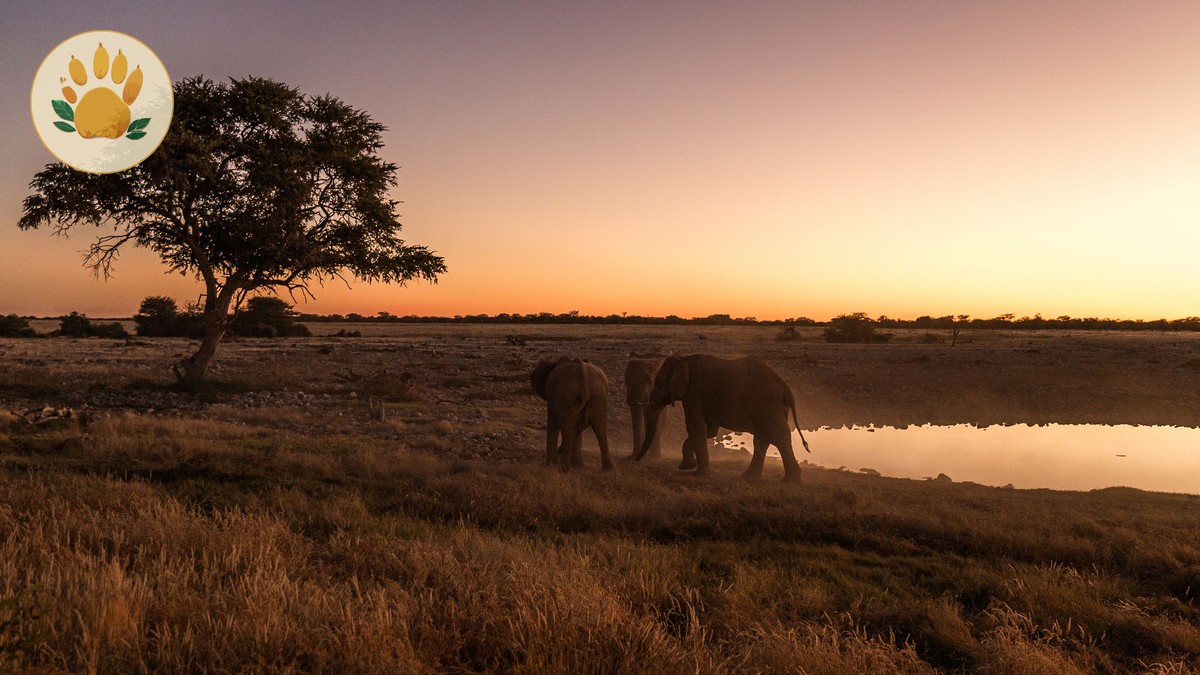
When you compare accessible safari camps in Kenya, the same names come up again and again. In Amboseli, Ol Tukai Lodge and Kibo Safari Camp are often recommended by wheelchair travelers. In the Mara, Ashnil Mara Camp and Sarova Mara Game Camp are regularly named. Sweetwaters Serena Camp in Ol Pejeta is a strong option if you add a rhino sanctuary.
The word accessible can mean different things. One camp may call a tent accessible because there are no stairs, but the shower still has a high step. Another may have a level gravel path to the dining tent and a sandy walkway to the room. Verify the exact tent, the room number, and the path between buildings. Ask for photos of the bedroom, bathroom, shower, and the route from the parking area. Ask again after you book, because maintenance changes.
When you compare wheelchair-friendly Kenya safari camps, use a checklist: doorway width of at least 80 centimeters, a roll-in shower or a step under 5 centimeters, grab rails, a bed height you can transfer to, and a firm path between the tent, dining area, and game-drive vehicle. Distance matters too. A camp spread over many acres means a longer roll in the dark before dawn.
Kenya Safari Accessibility Costs and Booking Checks
A mid-range accessible Kenya safari can cost about USD 550-900 per person per night when accommodation, meals, game drives, and an accessible vehicle are included. Request a written quote covering vehicle adaptation, guide assistance, internal flights, park fees, transfers, medical-equipment power, and any companion or support-staff costs before booking.
Put that into context. For seven days, a typical mid-range route comes to roughly USD 3,850 to 6,300 per person, before international flight and tips. Park fees take a large share. Since October 2025, Kenya Wildlife Service has charged non-residents higher rates. Amboseli National Park costs USD 90 per adult per day. The Masai Mara National Reserve is run by Narok County, not KWS. Its fee is different: USD 100 per adult per day from January to June. It rises to USD 200 from July to December. Nairobi National Park, if you add a half-day, costs USD 80 per adult per day.
Private conservancies such as Naboisho and Mara North bundle their fees into the lodge rate, usually around USD 80 to 150 per person per night. Domestic flights from Wilson Airport to the Mara typically cost USD 250 to 450 per person each way. These figures are indicative, so ask your operator to confirm them.
Here is the cost picture at a glance.
| Item | Indicative 2026 amount |
|---|---|
| Mid-range accessible safari, per person per night | USD 550-900 |
| Seven-day route, per person, before international flight | USD 3,850-6,300 |
| Internal flight Nairobi-Mara, per person, one way | USD 250-450 |
| Private conservancy fee (Naboisho or Mara North, bundled into lodge rate) | USD 80-150 per person per night |
A written quote should list every line: vehicle adaptation and ramp, guide assistance, internal flights, park fees, transfers, meals, and any extra costs for medical equipment or a support companion. If a company will not put the accessibility details in writing, keep looking. For a line-by-line view of a typical private trip, read our Kenya safari cost breakdown.
Frequently Asked Questions
Is Kenya safari wheelchair accessible?
Yes, but accessibility varies by vehicle, camp, room, route, and the traveler’s transfer needs. Amboseli generally offers easier terrain, while the Masai Mara has rougher tracks and requires careful vehicle and camp confirmation.
What is the best wheelchair accessible safari in Kenya?
A strong seven-day option combines Nairobi, Amboseli, and the Masai Mara. Spend two nights in Amboseli for easier terrain and three nights in the Mara for wildlife, using a private adapted vehicle and flying between parks when reducing road time is a priority.
Can a wheelchair user go on safari in Kenya?
Yes, provided the operator confirms the vehicle, boarding method, room, bathroom, paths, and assistance plan in advance. Some travelers remain in their wheelchair using a ramp, while others transfer to a vehicle seat, so the itinerary must match the traveler’s mobility and support needs.
Which Kenya safari camps are wheelchair accessible?
Potential options include Ol Tukai Lodge and Kibo Safari Camp in Amboseli, Ashnil Mara Camp and Sarova Mara Game Camp in the Masai Mara, and Sweetwaters Serena Camp in Ol Pejeta. Accessibility can differ by room and season, so confirm the exact tent, bathroom, paths, and vehicle arrangements directly.
How much does a wheelchair accessible Kenya safari cost?
An indicative mid-range accessible safari costs about USD 550-900 per person per night, including meals, game drives, and an accessible vehicle. The final price depends on park fees, private vehicle use, internal flights, room category, travel season, and the level of transfer assistance required.
The SafariPure Difference
The SafariPure Difference is simple. We build the itinerary around your mobility, not the default package. We verify the vehicle, the room, and the route before you book, and we put the full cost in one clear quote. If a road is too rough, we tell you. If a flight is worth the money, we explain the math.
A wheelchair accessible safari in Kenya should feel like a holiday, not a logistics test. That means checking the details before you arrive so the mornings are calm. It also means a guide who positions the vehicle, helps with transfers, and finds the best views without rushing you.
Start Planning Your Accessible Safari
Plan your time in the wild properly. Tell us your mobility needs, your group, and your budget, and we will confirm the vehicle and camp details before you pay. Start the conversation on our contact page, and let’s build your route from the details up.