Rain changes nearly everything about a Kenya safari, but not the way most travelers expect. It does not empty the plains. It shifts the rhythm of the day. Animals stay, feed, hide, and hunt in different patterns. Most travelers ask whether a Kenya safari does rain affect animals before they choose a season, and the answer is yes.
For a wildlife photographer, wet weather can open the best light of the trip. For a traveler expecting a packed game drive, it can test patience. This post explains how rain changes animal behavior, what it does to visibility, and how to plan a Kenya rainy season safari. Use it as a field note before you book.
Kenya Safari Does Rain Affect Animals? How Rain Changes Animal Behavior
Rain usually changes when and where animals move rather than making them disappear. Cooler, cloudy conditions can keep lions active later in the morning, while elephants, buffalo, and other herbivores may continue feeding. After a downpour, predators may hunt and birds become more active. Behavior remains unpredictable, so the best approach is to watch and wait.
These five behavior changes are the ones guides look for.
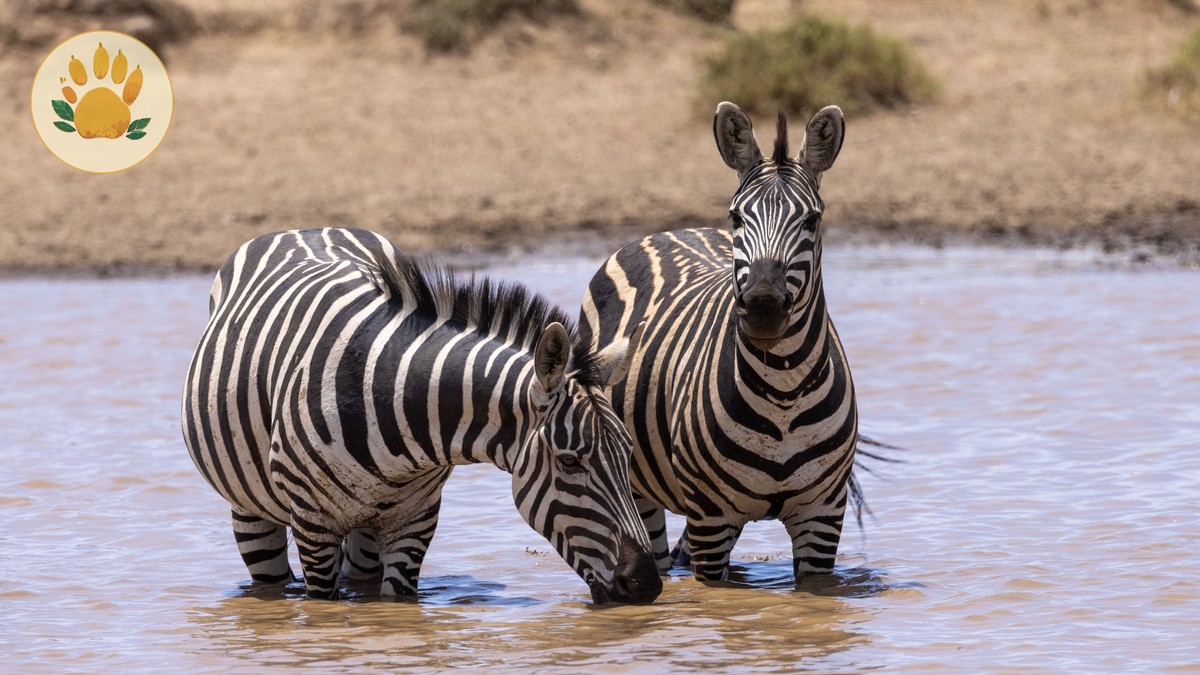
- Herds spread out. Rain fills seasonal pans and temporary pools. Zebras, wildebeest, and antelope no longer need to gather at the same waterholes. In the Masai Mara during the short rains, expect scattered grazing rather than tight herds along the river.
- Predators stretch their morning. Overcast mornings stay cool, and lions often remain active after sunrise. A lion that would be asleep by 9 a.m. on a hot day may still be walking through light drizzle.
- Grazers feed earlier and longer. Fresh grass is rich and easy to digest. Buffalo and wildebeest often start feeding at first light and rest in the open instead of moving to shade.
- Birds come alive. Rain triggers insects, and birds follow. Lilac-breasted rollers, hornbills, and migrant species become busy after a shower.
- Skittish animals go quiet. Leopards, cheetahs, and small cats usually prefer dry cover. Thick wet grass also hides newborns, so a mother and calf may simply stay still.
Which Animals Are Easier or Harder to See in Rain
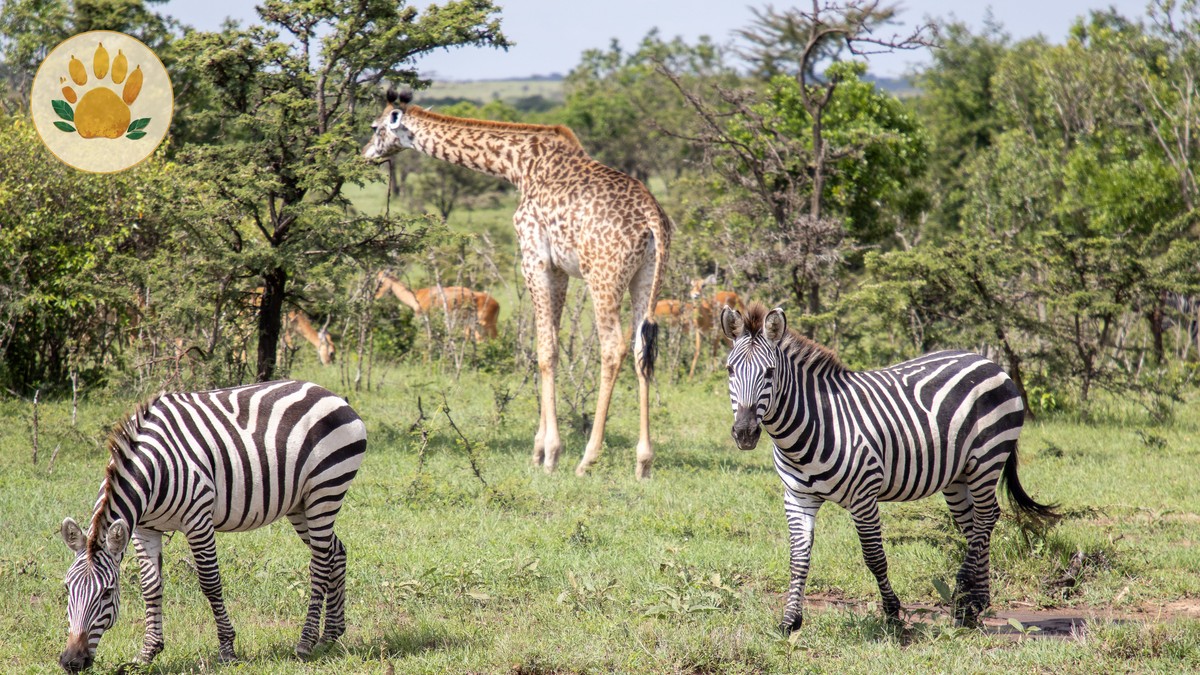
Elephants, buffalo, zebras, wildebeest, giraffes, and antelope commonly remain visible during light rain. Lions may stay active in cool weather, but leopards and cheetahs are more likely to shelter when conditions are wet. Birds and insects can become rewarding targets after rain, while small cats and newborn animals may be concealed by grass.
In Amboseli National Park, elephant herds often walk through the marsh in steady rain, their backs dark with water. In the Mara, buffalo stand in open grassland chewing, unconcerned. Watching animals in the rain on safari is rarely a blank landscape.
The exceptions tend to be the cats. A leopard draped in a riverine fig tree will curl into a ball and wait out the storm. A cheetah on the open plains may lie flat in the grass rather than hunt in slippery conditions. Your guide can tell the difference between an animal that is resting and one that is anxious.
Rain also leaves tracks. After a shower, fresh footprints stand out in the mud. Guides use these to find predators that might otherwise stay hidden. That is one reason a wet morning can be a patient tracker’s best time.
How Rainy-Season Vegetation Affects Visibility
Rain makes Kenya’s grasslands greener but can make wildlife harder to spot. Taller, thicker grass provides cover for predators with young and hides smaller antelope, while abundant water allows herbivores to spread away from predictable waterholes. The result is less concentrated viewing, not an empty park.
Kenya has two wet seasons. The long rains run from March to May and bring the heaviest downpours. The short rains run from November to December and are usually lighter. Both change the look of the country.
In the Mara, grass can rise to waist height within weeks. A lioness with cubs will use that cover to hide while she hunts. Small antelope such as Thomson’s gazelle can be invisible until they move. In Amboseli, the dry lake bed may sprout fresh shoots, and elephant herds spread across a wider area.
For rainy season game viewing, watch the edges. Open glades, riverbanks, and the leeward side of hills stay visible longer than dense grass. A guide who knows where animals will cross after a storm is worth more than a longer drive.
Rainy Season versus Dry Season Game Viewing
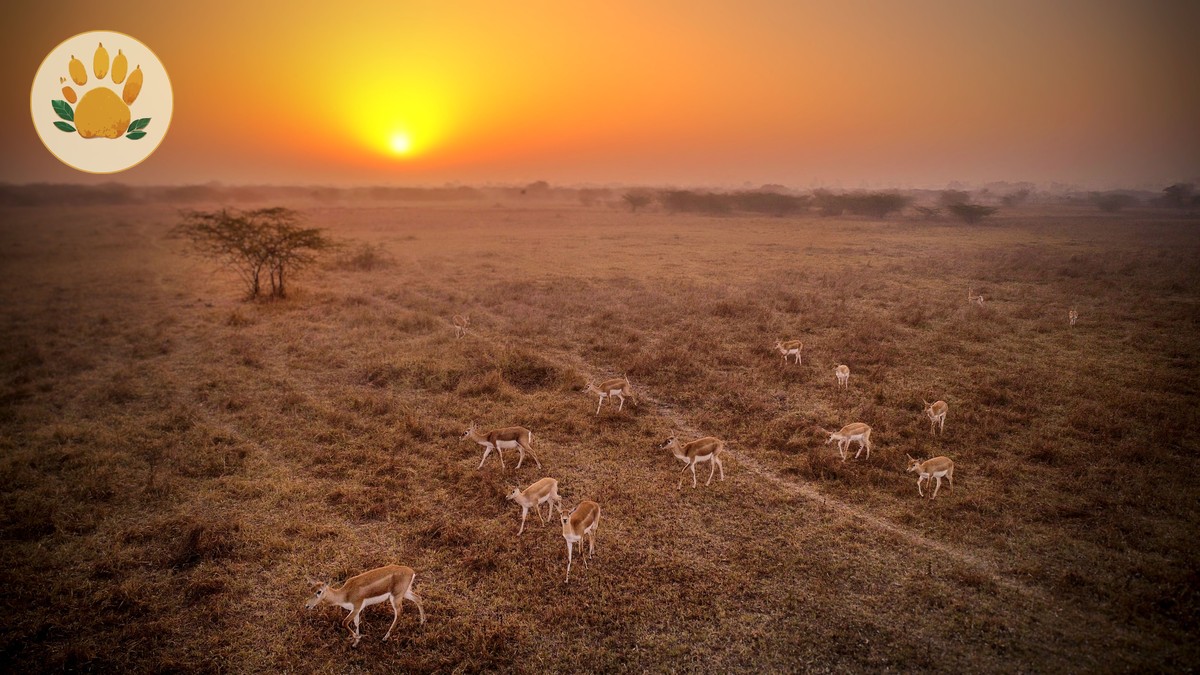
Choose the dry season for firmer roads, shorter grass, and wildlife concentrated around dependable water sources. Choose the rainy season for green scenery, cooler drives, active birds, newborn animals, dramatic light, and fewer vehicles. Neither season guarantees better sightings; rain improves freshness and behavior while dryness improves predictability.
Many travelers assume the dry season is the only season. It is not. It is simply the most predictable. If you want big herds at the Mara River in July or August, book the dry months. If you want a green Kenya with active birds and few vehicles, the rainy season can be excellent.
The table below shows the practical side of a wet-season visit.
| Park or reserve | Approx. distance from Nairobi | Indicative drive time | Non-resident entry fee (adult/day) | Rainy season note |
|---|---|---|---|---|
| Masai Mara National Reserve | 270 km via Narok | 5-6 hours | USD 100 Jan-Jun, USD 200 Jul-Dec | Green grasslands; black-cotton roads get slick |
| Amboseli National Park | 240 km via Namanga | 4-5 hours | USD 90 | Elephant herds stay active; Kilimanjaro often clouded |
| Lake Nakuru National Park | 160 km | 2.5-3 hours | USD 90 | Woodland and lake margins remain good |
| Tsavo East National Park | 330 km via Mombasa Road | 5-6 hours | USD 80 | Red soil turns muddy; herds gather at Galana River |
| Chyulu Hills National Park | 230 km | 4 hours | USD 40 | Misty volcanic hills; a quiet wet-season choice |
| Nairobi National Park | 7 km | 15 minutes | USD 80 | Easy half-day option during a downpour |
Fees are the current non-resident daily rates as of August 2026. Masai Mara is run by Narok County Government, not Kenya Wildlife Service, and its fee is separate. Conservancies such as Naboisho and Mara North charge roughly USD 80 to 150 per person per night, usually included in the lodge rate.
The dry season versus rainy season safari question is not about good and bad. It is about predictability versus freshness. If you can plan around the weather, the green season will reward you.
How Rain Affects Game Drives and Safari Logistics
Light showers rarely stop a Kenya game drive, and guides may continue, pause under cover, or reroute. Prolonged rain can create deep mud, raise river levels, slow a two-hour transfer to three hours, reduce visibility, or make a track impassable. The main operational risk is flooding, not ordinary rain.
Kenya safari game drives run through the wet months. A standard morning drive starts at first light, and guides watch the sky as much as the ground. If a storm builds, your guide may turn around or wait under a large acacia until the worst passes. You seldom need to cancel, but you do need a solid vehicle.
Our vehicles are 4x4s with pop-up roofs, rain flaps, and enough ground clearance for wet tracks. In Tsavo, black cotton soil can turn to deep mud within an hour. In the Mara, sand rivers rise quickly, and a crossing that took ten minutes in the morning may be delayed after noon. A good guide plans the route around these limits.
Before a wet trip, review our safari safety rules for heavy rain. For a full look at when and why trips change, read what happens when rain affects game drives.
Best Wildlife Experiences to Look for After Rain
After rain, look for predators moving in cooler air, herbivores feeding on fresh growth, elephants with dark wet backs, frogs and insects, active birds, and clearer photographic light. Rain can also create dramatic skies and quieter sightings because fewer vehicles remain out. Thick vegetation may conceal elusive animals.
The hour after a storm is often the best of the trip. The sun breaks through, steam lifts from the grass, and colors turn rich. Predators use the cooler air to move between thickets. Herds graze in the open because the rain has washed away the heat.
For photographers, this is the light you wait for. Overcast skies soften shadows, and wet skin picks up detail. A bull elephant emerging from a rain shower can look like a charcoal study. If you want to photograph shy species, consider a hide. See our guide to Kenya safari photography hides for placement and cost.
Frequently Asked Questions
Here are the questions travelers most often ask about rain and safari behavior.
Can you still see animals on safari in the rain?
Yes. Animals remain visible during most light showers, and elephants, buffalo, grazing herds, birds, and sometimes active predators can provide excellent sightings. Heavy rain, thick grass, and poor visibility make sightings less predictable rather than eliminating them.
Does rain ruin a Kenya safari?
No, light or short-lived rain usually does not ruin a Kenya safari. It can improve scenery, cool the air, reduce dust, and produce unusual behavior. Prolonged storms may shorten drives or require route changes.
What animals are active during rain on safari?
Elephants, buffalo, zebras, wildebeest, giraffes, and antelope often continue feeding in wet conditions. Predators may become active during cooler, overcast weather, while leopards and cheetahs can hide when the ground is wet.
Is it better to go on safari in the rainy season or dry season?
The dry season is generally easier for predictable sightings because animals gather near water and grass is shorter. The rainy season offers greener landscapes, active birdlife, newborn animals, dramatic light, and fewer vehicles, but animals disperse and roads can become muddy.
Does rain cancel game drives in Kenya?
Ordinary rain usually does not cancel a game drive. A guide may wait out a downpour, shorten the outing, or use another route. Cancellation becomes more likely when flooding, lightning, dangerous storms, or impassable roads create a safety problem.
The SafariPure Difference
SafariPure plans trips around the conditions you will actually meet, not the brochure version. Our vehicles are 4x4s with pop-up roofs, wet-weather flaps, and room for long lenses. Our guides read animal tracks and weather fronts with equal care. When rain changes the game, we adjust the route rather than cut the day short.
We also build patience into the itinerary. A slow morning after a storm can produce more than three rushed parks ever could. If your goal is a Kenya rainy season safari with room for change, we design the days around that intent. We keep groups small, and we wait when waiting is the right move.
Plan Your Safari with SafariPure
Every rainy season is different, and no two itineraries should look the same. Tell us the animals you want to photograph, the parks you want to visit, and the weeks you have free. We will suggest a route that works with the weather and a vehicle that can handle it.
When you are ready, start planning a Kenya safari with SafariPure or reach out to our safari planners.