Planning a Kenya safari from China means more than picking a lodge. You need an approved travel authorisation, a season that fits your dates, parks that match your interests, and a guide who speaks your language. This Kenya safari guide for Chinese speakers covers those decisions in seven steps. The steps are eTA, season, parks, days, costs, language-matched guide, and booking. Each step below gives you a number you can plan around.
1. Kenya Safari Guide for Chinese Speakers: Do You Need an eTA?
Chinese passport holders need an approved Kenya Electronic Travel Authorisation before boarding a flight. Kenya does not offer tourist visa on arrival. Apply through the official online system before departure, using your passport, photo, flight, and accommodation details. Travelers holding a Chinese travel document rather than a passport should contact the Kenyan embassy first.
Kenya launched the eTA system in January 2024. The official fee is about USD 34, and processing usually takes a few days. Apply at least two weeks before departure.
The airline checks your approval before you board in China, so a late application can end a trip. Keep a phone copy and a printed copy. You will show them again at Jomo Kenyatta International Airport in Nairobi.
2. When Is the Best Time for a Kenya Safari?
Choose July to October for the best chance of seeing wildebeest activity and Mara river crossings, but expect higher prices and more visitors. Choose January to March for calving, predators, greener scenery, and generally lighter crowds. April and May can lower your Masai Mara entry fee, though rain may complicate road travel.
Season also changes the daily entry fee in the Masai Mara. Narok County Government, which runs the reserve, charges USD 200 per adult per day from July to December. From January to June, the same entry costs USD 100.
Chinese New Year usually falls in January or February, and that timing is ideal. You get calving season, lower entry fees, and quieter camps. National Day in early October is harder. The migration is visible, but camps fill early and rates peak.
| Season | Months | Mara entry fee (USD/adult/day) | Crowds | Main draw |
|---|---|---|---|---|
| Dry peak | Jul-Oct | 200 | High | River crossings and big cats |
| Green calving | Jan-Mar | 100 | Medium | Calving, predators, green scenery |
| Long rains | Apr-May | 100 | Low | Low lodge rates, wet roads |
| Short rains | Nov | 200 | Low | Fewer visitors, same peak entry fee |
April and May are the wettest months, and some camps close. November brings quieter camps and lower lodge rates, but the Mara entry fee does not drop. It stays at USD 200 per adult per day, and wet murram roads can still slow transfers.
3. Which Kenya Safari Parks Should Chinese Travelers Visit?
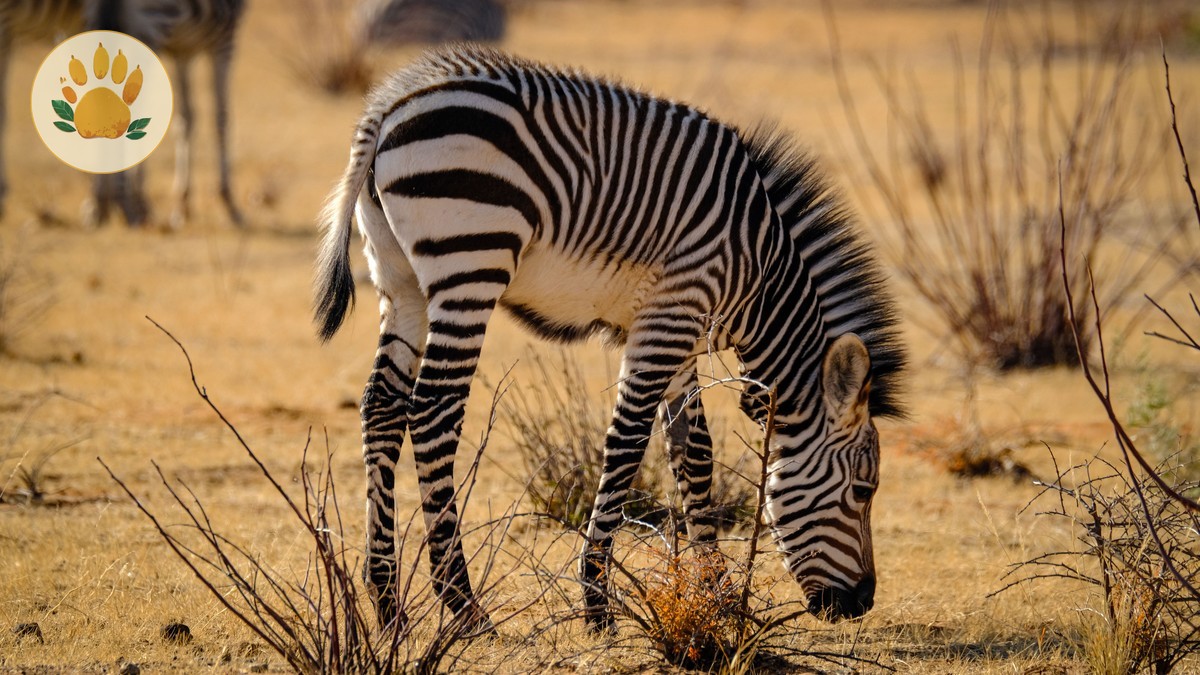
Start with the Masai Mara for big cats, elephants, and seasonal migration activity, then add one contrasting destination. Amboseli suits elephant viewing and Mount Kilimanjaro scenery; Samburu offers Northern Kenya’s distinctive wildlife; Lake Nakuru works for shorter routes and rhinos; Tsavo provides broad landscapes and fewer visitors.
The Mara stays the anchor. It is a county-run reserve, not a KWS national park, and it has Kenya’s highest concentration of predators. Choose the second park by contrast.
Amboseli is the easiest second stop. Elephants gather at the swamps all year, and dawn views of Kilimanjaro are the classic Kenya photograph. Lake Nakuru suits shorter trips; rhinos are easier to see there than anywhere else in Kenya.
Samburu has northern species you will not see in the Mara, including Grevy’s zebra and reticulated giraffe. With nine nights, Mara plus Samburu works well. Tsavo offers vast landscapes and fewer visitors, but wildlife is more scattered.
Private conservancies beside the Mara, such as Naboisho and Mara North, charge roughly USD 80-150 per person per night as part of the lodge rate. They allow walking safaris and night drives that the reserve prohibits.
| Park | Main draw | Approximate drive from Nairobi | Better by road or air |
|---|---|---|---|
| Masai Mara | Big cats, migration | 270 km, 5-6 hours | Fly 45 minutes to Musiara or Ol Kiombo airstrip |
| Amboseli | Elephants, Kilimanjaro | 240 km, 4-5 hours | Road works well |
| Lake Nakuru | Rhinos, flamingos | 160 km, 2.5-3 hours | Road only |
| Samburu | Grevy’s zebra, reticulated giraffe | 350 km, 5-6 hours | Fly to Samburu airstrip |
| Tsavo East/West | Elephants, open landscapes | 300-330 km, 4-5 hours | Road via Mombasa highway |
4. How Many Days Do You Need for a Kenya Safari?
Plan seven to nine nights for a first Kenya safari from China, including at least five full game-drive days. A balanced route includes a Nairobi arrival night, three nights in the Masai Mara, and two or three nights in Amboseli, Samburu, or Lake Nakuru. Flying between parks preserves game-viewing time.
A realistic seven-day plan:
- Day 1: Arrive Nairobi. Overnight near Wilson Airport.
- Day 2: Fly to the Mara, 45 minutes. Afternoon game drive. Three nights near the Talek or Mara River.
- Day 3: Full day in the Mara. Look for crossings if you travel July to October.
- Day 4: Morning drive. Fly to Amboseli with a Nairobi connection. Late afternoon elephant viewing.
- Day 5: Full day in Amboseli. Kilimanjaro is clearest at dawn.
- Day 6: Morning drive. Fly back to Nairobi. Overnight near the airport.
- Day 7: Depart. Evening flights give you time for a city lunch.
Seven days work, but nine nights feel easier. The extra nights remove the pressure of a transfer every second day.
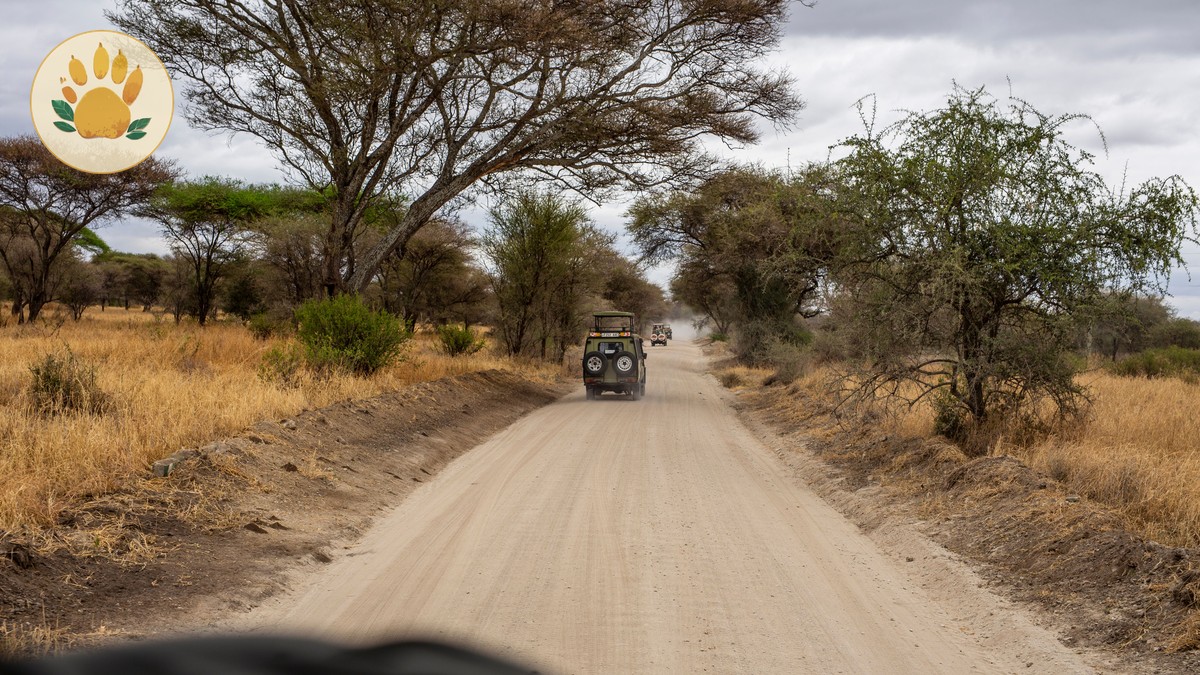
The main trade-off is road versus air. Driving Nairobi to the Mara takes five to six hours on tarmac to Narok and murram after that. Flying costs more but adds nearly a full day of game viewing. For a first visit from China, keep internal flights in the budget if you can.
For a route designed around quieter rainy-season camps, read a seven-day Kenya safari itinerary.
5. How Much Does a Kenya Safari With a Mandarin-Speaking Guide Cost?
Budget for the standard private safari price plus roughly USD 50-80 per day for a Mandarin or Cantonese language premium, subject to season and availability. A seven-day private itinerary for two people can reach about USD 6,500-9,500 before international flights, depending on camps, transport, and included park fees.
The range assumes a private 4×4, a professional driver-guide, full board at mid-range to top camps, internal flights, and park entry. It excludes your flight from China, insurance, tips, and drinks.
The language premium is what most brochures forget. Mandarin guides come from a small pool, so the premium reflects demand, not just interpretation. You pay the standard guide rate first, then add roughly USD 50-80 per day for the language match.
Park entry fees are the second major block. These are the current non-resident rates, effective since October 2025:
| Park or reserve | Entry fee (USD/adult/day) |
|---|---|
| Masai Mara, July-December | 200 |
| Masai Mara, January-June | 100 |
| Amboseli National Park | 90 |
| Lake Nakuru National Park | 90 |
| Tsavo East / Tsavo West | 80 |
| Nairobi National Park | 80 |
| Chyulu Hills National Park | 40 |
Two adults in the Mara for three nights in peak season pay USD 1,200 in entry fees alone. The fees are not negotiable and are paid in USD.
Can you pay in Chinese yuan? Not at the gate. Kenya Wildlife Service charges in USD, and most lodges bill in USD or Kenyan shillings. Carry small USD notes for tips. Your safari company sends an invoice in USD before the trip.
For a line-by-line breakdown of driver rates, read Kenya private guide prices.
6. How Do You Arrange a Mandarin-Speaking Safari Guide?
Request a Mandarin-speaking guide in writing before paying a deposit, and confirm whether the guide is fluent in Mandarin, Cantonese, or only English. Ask for the guide’s daily rate, vehicle type, park-fee inclusions, airport transfer plan, and backup arrangement. Mandarin guides are available, but they are not standard on every departure.
“Chinese-speaking” almost always means Mandarin. Cantonese is rarer. If your family speaks Cantonese at home, say so in your first email and expect a higher daily rate or fewer date options.
Use a written checklist. The operator should confirm before deposit:
- Language: Mandarin or Cantonese, in writing.
- Daily language premium in USD.
- Vehicle model and seating.
- Park fees included or added separately.
- Airstrip and airport transfers.
- Backup if the guide is ill.
Lodges in the Mara, Amboseli, and Lake Nakuru expect Chinese guests. Rice-based meals and hot water are common at mid-range camps. Ask the camp directly if food matters to you.
A good operator is happy to put these answers in writing. If an operator says Mandarin is “not a problem” but will not name the guide, treat that as a warning.
For the full booking process from first inquiry to final invoice, read Kenya safari booking steps for Chinese travelers.
Frequently Asked Questions
Do Chinese citizens need a visa for Kenya?
Chinese passport holders need an approved Kenya eTA before traveling and should not rely on visa on arrival. Apply online before departure and verify the current requirements for the specific travel document being used.
How much does a Kenya safari cost for two people?
A realistic seven-day private safari for two people may cost about USD 6,500-9,500 before international flights. The price depends on season, lodge category, park fees, vehicle, internal flights, and whether you need a language-matched guide.
Is there a Mandarin-speaking guide in Kenya?
Yes. Mandarin-speaking guides are available in Kenya, but they should be reserved and confirmed before booking. “Chinese-speaking” normally means Mandarin. Cantonese availability is more limited and may cost more.
What is the best month to visit Kenya for safari?
July through October is best for peak migration activity and possible river crossings in the Masai Mara. January through March is better for calving, predators, greener scenery, and fewer crowds. Shoulder-season travel can reduce lodge rates but brings more rain risk, and it does not reduce Mara park fees in November.
How many days do you need for a Kenya safari?
Seven to nine nights is a practical length for a first Kenya safari from China. It allows a Nairobi arrival night, several full days in the Masai Mara, and time to add Amboseli, Samburu, or Lake Nakuru without long road transfers every day.
The SafariPure Difference
Step seven in this guide is booking through a planner who holds the details together. SafariPure plans private safaris the way a senior guide plans for a friend: one honest route, one clear price, and no surprise fees.
That means a written confirmation of your Mandarin-speaking guide before you pay a deposit. It means current October 2025 park fees in the quote, not an older price you discover at the gate. It means real drive times and honest advice on when to fly and when to stay on the road.
If a camp is too far from the airstrip for your short stay, we say so. If a road is slow in the rains, we route around it. The goal is time in the wild done properly, at the pace that suits you.
Plan Your Kenya Safari with SafariPure
You now have the numbers: eTA rules, seasons, park fees, day counts, and the Mandarin language premium. Planning a first safari from China takes about ten minutes of reading and two emails from here.
If you would like a proposal, send SafariPure your travel dates and the number of adults and children. We will confirm a Mandarin-speaking guide in writing, quote current park fees, and set out the route day by day. There is no obligation to book after the first proposal.
Start the conversation on the SafariPure contact page.