Most first-time travelers picture safari under a dry, dusty sky. But a well-planned Kenya safari rainy season itinerary can deliver green plains, thinner crowds, and lower rates, if you route it correctly. This plan covers seven days between Nairobi, Lake Nakuru, and the Masai Mara, with honest notes on what the rains actually change.
When is Kenya’s rainy season?
Kenya has two rainy seasons. The long rains generally run from late March or April through May, sometimes into early June. The short rains usually arrive from late October or November into early December. April and May are typically the wettest and most disruptive months. Short-rain showers tend to be briefer, often leaving clear mornings for game drives.
Neither season means constant rain. Storms build through the day and often break by evening. Mornings, when most game drives happen, are frequently dry even during the wetter months.
Long rains vs. short rains for a Kenya safari
Choose the short rains for the best balance of green scenery, fewer visitors, and workable driving conditions. Choose the long rains if you want potentially lower rates and dramatic skies, and can accept muddier roads and more camp closures. Short-rain showers commonly land in the afternoon or evening, while April is usually the harder month to route around.
| Factor | Long rains (Apr-Jun) | Short rains (Nov-Dec) |
|---|---|---|
| Typical rainfall pattern | Heavier, more persistent | Shorter, often late-day |
| Road conditions | Muddy, some tracks impassable | Mostly manageable |
| Camp closures | More common, especially in April | Rare |
| Crowd levels | Lowest of the year | Low to moderate |
| Accommodation rates | Often the cheapest window | Discounted, less steeply |
If this is your first trip and you want fewer surprises, lean toward the short rains. If you are comfortable with flexible routing and want the lowest prices, April and May can work, provided you build slack into the schedule.
Kenya safari rainy season itinerary: a practical 7-day plan
A dependable seven-day route runs one night in Nairobi, two nights at Lake Nakuru, and four nights in the Masai Mara or a nearby conservancy. Longer road transfers should sit after the rains have cleared for the day, mornings stay reserved for game viewing, and one afternoon is left open for weather. Confirm every property and route before paying, especially during the long rains.
| Day | Location | Transfer | Distance / Time | Focus |
|---|---|---|---|---|
| 1 | Nairobi | Arrival at JKIA to hotel | About 18 km, 40 minutes | Rest, trip briefing |
| 2-3 | Lake Nakuru National Park | Drive via the A104 | About 160 km, 3 to 3.5 hours | Rhino sanctuary, flamingos, mostly tarmac road |
| 4 | Masai Mara (transfer day) | Drive via Narok, or fly | About 270 km, 5 to 6 hours by road, or about 45 minutes by air | Arrival, afternoon drive if roads allow |
| 5-7 | Masai Mara or a conservancy | Game drives from camp | Local, short transfers | Predator sightings, river crossing areas, conservancy drives |
Day one starts gently. Nairobi’s roads are tarmac, so a late JKIA arrival still gets you to your hotel comfortably. Day two moves to Lake Nakuru, a route that stays mostly on sealed road even in heavy rain, which makes it a sensible first stop before tougher terrain further west. Days five through seven are the heart of the trip, with early departures from camp for Kenya safari morning coffee stops before the light gets harsh.
If the long-rains forecast looks severe in the week before departure, check Kenya safari park reopening dates so your operator can adjust the route without losing days.
Best parks and conservancies during the rains
Lake Nakuru is a useful rainy-season stop because much of the approach road is tarmac, unlike many other parks. The Masai Mara offers strong game viewing and greener scenery when internal tracks stay usable. Conservancies near the Mara can reduce vehicle congestion and let guides switch routes on short notice.
Naboisho Conservancy and Mara North Conservancy both sit close to the reserve boundary and allow off-road driving, which helps when main tracks turn muddy. Amboseli National Park and Tsavo East and West can also work, but their black-cotton soil turns slick fast after heavy rain, so ask your operator for a same-week access check before committing to those legs.
Rainy-season wildlife viewing and photography
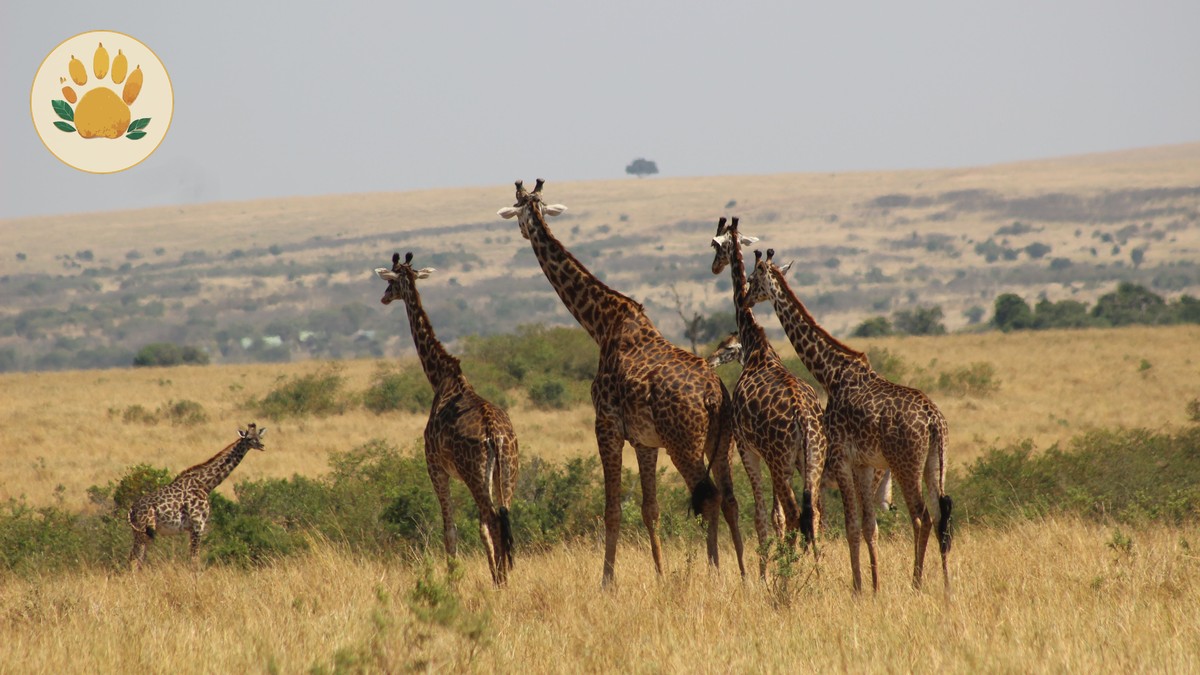
Rain does not stop wildlife viewing, but animals spread out because water becomes available across the wider landscape rather than concentrated at a few points. In exchange, you get vivid green scenery, fewer vehicles at each sighting, cleaner air, and dramatic storm light. Young animals and resident birdlife are also easier to spot.
Plan for flexible sightings rather than the tight predator concentrations typical of the dry season, particularly during the long rains. Photographers should treat this as a different kind of shoot: skies do more of the work, and patience matters more than chasing a single big cat. Gear needs extra care too. See our notes on protecting safari camera gear from dust and rain before you pack lenses and bodies for wet-weather use.
Road conditions, camp closures, and transfer logistics
The main rainy-season risk is not the rain itself but disrupted access. Muddy tracks, flooded low points, slower transfers, and occasional camp closures are the real planning concerns. Keep individual drives shorter where the route allows, use a vehicle built for rough terrain, confirm gate and conservancy access the day before you travel, and choose camps with backup power and covered dining areas.
Build a buffer day into any itinerary longer than seven days, especially if it includes a long-rains departure. A single delayed transfer can otherwise cost you a full game drive. Camps that offer flexible activity timing, rather than fixed morning and afternoon slots, tend to handle sudden downpours better.
What to pack for a rainy-season safari
Pack a light waterproof jacket, a fleece or warm mid-layer, quick-drying trousers, closed shoes with good grip, and spare socks. Add a waterproof day bag and dry pouches for electronics. Mornings can feel cool even when afternoons turn warm, and rain can arrive with little warning.
A compact umbrella helps at camp, though most guides prefer ponchos in the vehicle since they leave hands free for cameras and binoculars. Bring a cleaning cloth and a rain cover for camera equipment, since humidity and sudden showers are more of a threat to gear than the dry season ever is.
Rainy-season costs and how much you can save
Rainy-season accommodation is often cheaper and quieter, but the size of the saving depends on the property, the exact dates, and whether a camp closes for part of the season. Park fees do not drop with the rain, so compare the full package rather than the room rate alone.
| Park or conservancy | Non-resident fee | Note |
|---|---|---|
| Masai Mara National Reserve | USD 100/adult/day (Jan-Jun), USD 200/adult/day (Jul-Dec) | Run by Narok County, not KWS |
| Lake Nakuru National Park | USD 90/adult/day | KWS |
| Amboseli National Park | USD 90/adult/day | KWS |
| Tsavo East / Tsavo West | USD 80/adult/day | KWS |
| Naboisho / Mara North Conservancy | Roughly USD 80-150/person/night | Bundled into lodge rate |
A trip built around the short rains, when the Masai Mara fee sits at USD 200 per adult per day, will cost more in park fees than the same trip in the January to June window at USD 100 per day. Weigh that against camp rates and crowd levels before choosing your season.
The SafariPure Difference
We plan rainy-season trips the way we plan dry-season ones: around real road conditions, not brochure promises. Every itinerary we build gets checked against current access reports for the parks and conservancies involved, not assumptions carried over from last year. We also keep buffer time in the schedule by default, because a missed transfer should never cost you a night at camp.
Our guides know which Mara tracks hold up in mud and which conservancies allow flexible routing when the main reserve gets congested after a storm. That local knowledge is the difference between a rainy-season trip that feels like a compromise and one that simply looks different from a dry-season safari, in a good way.
Frequently Asked Questions
Can you go on safari in Kenya during the rainy season?
Yes. Kenya safaris run during both rainy seasons, and most parks and camps stay open. Expect greener scenery, fewer visitors, and lower accommodation rates, but allow extra time for muddy roads and confirm your camp and route are operating before you leave.
Does it rain all day on safari in Kenya?
No. Short-rain showers often arrive in the afternoon or evening, leaving clear periods for morning drives. Long-rain days can be heavier and more persistent, particularly in April, so build flexible timing and sheltered backup plans into the schedule.
Is April a good month for a Kenya safari?
April can reward you with green landscapes, dramatic photography light, low visitor numbers, and lower camp rates. It is also usually the wettest and muddiest month. Choose April only if you can accept flexible routing. Late May or the short rains are usually easier.
Is Kenya cheaper during the rainy season?
Usually. Rainy-season travel commonly brings lower lodge rates and fewer visitors, though the discount varies by camp, and some properties close during the heaviest rains. Park fees and transport costs still apply, so compare the full package rather than accommodation alone.
Which parks are best to visit in Kenya during the rainy season?
The Masai Mara is a strong choice for wildlife and green scenery, Lake Nakuru offers a comparatively reliable road connection, and Mara conservancies allow quieter drives. Amboseli and Tsavo can also work, but heavy rain affects their access roads, so check conditions locally first.
Plan your trip
A rainy-season safari rewards good routing more than luck. If you want help fitting Nairobi, Lake Nakuru, and the Masai Mara into a plan that matches your dates and budget, get in touch with SafariPure and we will build the itinerary around the season you choose.