Why safari drives skip lunch is a common question for first-time travelers. The wording makes it sound as if food disappears from the schedule. In most cases, the opposite is true. A full-day drive still includes lunch. What changes is where you eat it and whether you return to camp.
The confusion comes from safari operators using phrases like “full-day with packed lunch” or “no camp return at midday.” That does not mean you go hungry. It means the drive is planned around wildlife, distance, and park rules rather than a restaurant meal. Before you worry about the midday pause, it helps to understand how a Kenya game drive handles coffee and food. Our guide to Kenya safari morning coffee stops explains the earlier rhythm.
Why Safari Drives Skip Lunch at the Lodge
Safari drives skip lunch at the lodge when returning to camp would interrupt the best wildlife-viewing hours or waste time covering a long distance. A full-day drive usually carries a packed meal so guests can remain in the reserve, follow a promising sighting, and avoid turning around solely for a midday restaurant meal.
The trade-off is operational, not personal. A camp in the Masai Mara may be a one-hour drive from the area where a lion or cheetah is active. Driving back at noon can cost two hours of viewing time. If the morning started well, most guides and guests prefer to stay out. The meal is not removed. It is moved into the vehicle and eaten at a safe stopping point.
This is especially true in large reserves like Tsavo East or Amboseli, where a camp may sit far from the best wildlife areas. A hot lunch is possible. But the return journey often means ending the productive part of the day. That is why a full-day drive usually carries lunch instead.
How Safari Meal Timing Follows Wildlife Activity
Safari schedules place the longest viewing periods around sunrise and late afternoon, when many animals are more active and temperatures are lower. Midday is often used for lunch and rest because wildlife may retreat into shade, but an active hunt, migration movement, or rare sighting can make staying out worthwhile.
Kenya does not run on one fixed wildlife clock. In Amboseli, elephants may stay visible near the swamps well into the middle of the day. In the Masai Mara during the migration season, wildebeest crossings can happen at unpredictable hours. A guide who knows the area will read the conditions and adjust the lunch stop. That flexibility is a feature, not a problem.
The old rule that all animals sleep at noon is too simple. Predators rest through heat, but they may also move between shade and water. Lions can wake, drink, and settle again. If your drive lingers by a promising sighting at 12:30, the guide may wait and serve lunch later or at the next permitted spot.
What Happens on a Full-Day Game Drive
On a full-day game drive, guests typically leave after an early breakfast or carry breakfast, remain out for roughly six to eight hours, and eat a packed lunch at an approved picnic site or other permitted stopping point. The guide plans the route, meal stop, water, and return time around park rules.
A typical Kenya full-day drive starts between 6:00 and 7:00 in the morning. You may have tea, coffee, and a small breakfast before departure. The morning portion lasts until late morning. Lunch often happens between 12:30 and 1:30. The afternoon portion runs until 4:00 or 5:00, depending on the season and reserve closing time.
The meal stop is not random. National parks and conservancies set approved picnic sites. These may be simple clearings with shade, tables, or small restrooms. The guide will pick the nearest safe place. This is also when many travelers ask about comfort stops. We cover that practical side in our guide to how toilet breaks work on a Kenya game drive.
Full-day drives are common when traveling between distant zones, when you want to reach a specific river crossing, or when you have only one full day in a reserve. The pace is slower but the day is longer. Good operators carry enough water and plan rest points.
Packed Lunch Versus Hot Camp Lunch
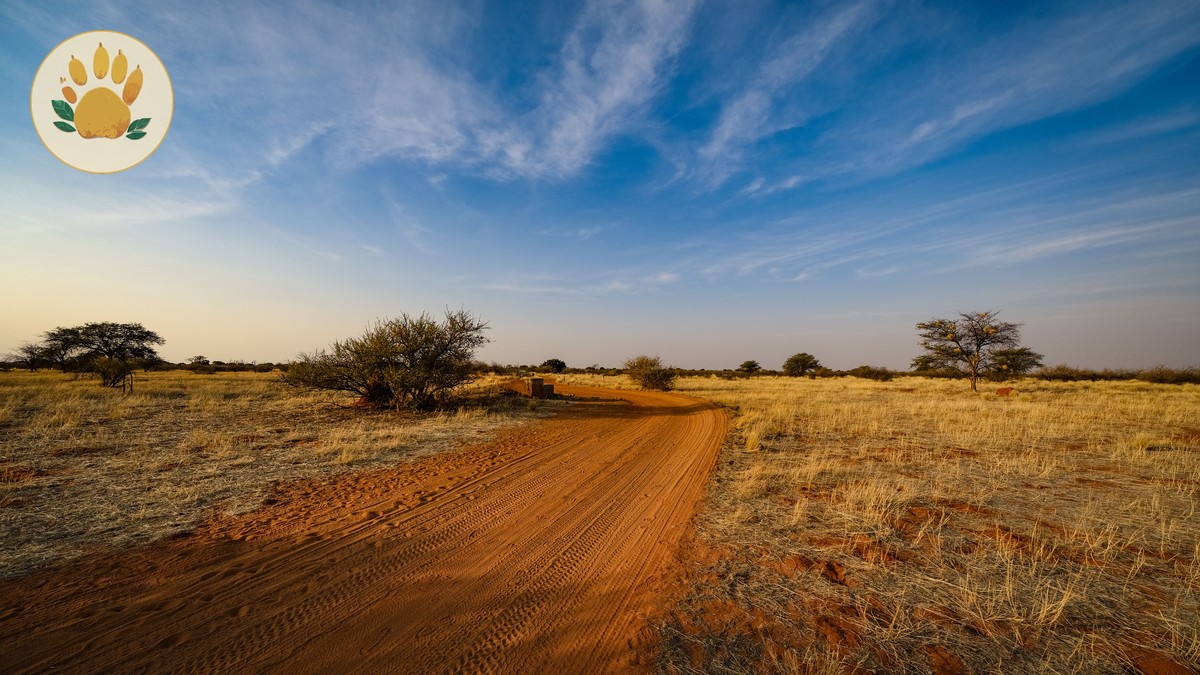
A packed safari lunch is practical rather than identical to a camp meal: expect items such as sandwiches, cold meat or chicken, salad, fruit, a snack, and a drink. A hot camp lunch is usually more comfortable and varied, but choosing it may require ending the morning drive and giving up time in the reserve.
The table below compares the two common choices. Distances are approximate for well-known Kenyan routes.
| Lunch style | Where it usually happens | Distance and time trade-off | Who it suits |
|---|---|---|---|
| Packed bush lunch | Approved picnic site inside a reserve, such as near the Mara River or an Amboseli observation point | Small detour, often 5 to 15 minutes from the game-viewing loop | Travelers who want to stay near wildlife |
| Hot camp lunch | Lodge or camp inside or just outside the reserve, often after backtracking from the morning route | In places like the Masai Mara or Tsavo East, a return can add 40 to 90 km and 1.5 to 3 hours | Travelers who value a hot meal and rest |
| Organized bush picnic | A set table in a private conservancy or a dedicated picnic area, often arranged in advance | Varies by conservancy; may require a short transfer from the loop | Small groups and special occasions |
Packed lunches in Kenya are usually simple and safe. Camps pack them in cool boxes or insulated bags. You do not eat inside a moving vehicle the whole time. You stop, stretch, and eat at a permitted spot. Hot camp lunches feel more formal, but they rarely mix well with a long game drive.
When Morning and Afternoon Drives Return for Lunch
A standard split-drive day usually returns to camp after a morning drive, often around late morning, so guests can eat a hot lunch and rest before the afternoon departure. This arrangement suits travelers who prefer a proper meal and downtime; it is different from a full-day drive, which normally takes lunch into the bush.
Split drives are common at lodges in smaller parks and private conservancies. You might leave at 6:30, drive until 11:00, return for lunch at 12:00, relax until 4:00, and then go out again until sunset. The midday break protects you from the hottest hours. It also gives the kitchen time to serve a full menu.
Some camps in the Mara North Conservancy or Naboisho Conservancy still use split drives because the conservancy is compact and the camp is never far away. In a place like Lake Nakuru National Park, the main game loop is short enough that returning for lunch makes sense. The same plan can feel wasteful in the vast Masai Mara National Reserve if your target sighting is far from camp.
The decision depends on drive length, not on a rule that lunch must be skipped. Ask the operator which style they use before you book.
Park and Reserve Rules That Affect Lunch Plans
Lunch logistics depend on where the vehicle is operating. Some parks restrict opening hours, re-entry, roadside stopping, or eating outside designated areas, while a single-entry permit may make leaving and returning impractical. The operator should confirm whether lunch can be taken inside the reserve before promising a camp return.
Kenya’s national parks have set daily fees for non-resident adults. As of the current KWS rates, Amboseli National Park charges USD 90, Lake Nakuru National Park USD 90, Tsavo East and Tsavo West USD 80 each, and Nairobi National Park USD 80. The Masai Mara National Reserve is run by Narok County Government, not KWS. Its daily fee is USD 100 per adult from January to June and USD 200 from July to December.
These fees help explain why lunch planning matters. A park ticket is usually for the day, but leaving the park can affect your access depending on the gate and reserve rules. Some conservancies also require vehicles to stay on tracks and stop only at designated places. A packed lunch eaten at an approved site keeps the plan simple. Your operator should know the local rules for the specific park or conservancy.
What Food and Drinks Are Included
Many safari packages include meals through a full-board or all-inclusive arrangement, but the included format varies: lunch may be a camp buffet, plated meal, packed box, or organized bush picnic. Drinks, alcohol, special dining setups, and premium items may cost extra, so travelers should request the written meal inclusions before departure.
A full-board Kenya safari usually covers breakfast, lunch, and dinner. Lunch may be a camp meal on a split-drive day or a packed box on a full-day drive. Water during game drives is normally provided. Tea and coffee are often included at the camp. Soft drinks, beer, wine, and spirits are commonly extra unless you booked an all-inclusive package.
A packed lunch box often contains a sandwich or cold meat, a salad or pasta side, fruit, a biscuit or muffin, and a drink. Some camps add boiled eggs or juice. A bush picnic may include a hot dish kept in a warmer. Ask what “lunch included” means in writing. That removes surprises later.
How to Request Dietary Requirements or a Different Lunch Arrangement
Tell the camp or safari operator about allergies, vegetarian preferences, religious restrictions, or child portions before the drive, ideally when booking and again during the pre-drive briefing. Camps can often adjust packed meals, but remote locations have fewer substitutes, so last-minute requests may be harder to satisfy than advance orders.
A packed lunch is easy to personalize if the kitchen knows in advance. A vegan guest can receive a vegetable sandwich, fresh fruit, and a plant-based snack. A gluten-free guest can get rice, salad, and a safe protein. The practical question is whether the camp has the ingredients on hand. Our guide on whether safari camps can handle food allergies explains what to ask before you travel.
Tell the operator once during booking and again when you arrive. Do not wait until the morning of the drive. Remote camps may be hours from the nearest well-stocked shop. A simple advance note is usually enough. For severe allergies, confirm how food is stored and whether cross-contact is managed in the camp kitchen.
Frequently Asked Questions
Why do safari drives skip lunch?
They usually skip returning to camp for lunch when the drive is planned as a full-day outing. A packed lunch lets guests stay near wildlife, avoid a long backtrack, and continue viewing during a limited park-opening window.
Do you eat lunch on a full-day safari?
Yes. Full-day safaris generally include a packed lunch eaten at a permitted picnic area or another approved location inside the reserve. The meal may be cold or kept warm, depending on the camp and vehicle setup.
Can you return to camp for lunch during a game drive?
Sometimes, but it depends on the drive plan, distance, reserve rules, and whether the vehicle can leave and re-enter legally. Morning-and-afternoon drives commonly return for lunch, while full-day drives usually do not.
What do you eat for lunch on a safari?
A packed lunch commonly includes a sandwich or cold meat, salad or another side, fruit, a snack, and a drink. The exact menu varies by camp, and dietary or allergy-friendly alternatives should be arranged before the drive.
Is lunch included in a safari?
Lunch is often included when the booking uses a full-board or all-inclusive meal plan, but the format and drinks included differ between operators. Confirm whether the price covers a camp lunch, packed lunch, bush setup, beverages, and special dietary meals.
The SafariPure Difference
SafariPure plans Kenya drives the way a good guide reads a sighting. We do not treat lunch as an afterthought or an upsell. We ask about your drive length, dietary needs, and tolerance for heat before we suggest a schedule. That determines whether a hot camp lunch or a packed bush lunch actually fits your day.
We also tell you the truth about distance. A camp that looks close on a map can be an hour from the river crossing you want to see. We route the day so the meal supports the wildlife, not the other way around. If a full-day drive makes sense, we say so. If a split drive gives you more value, we recommend that instead.
Our first-time safari travelers receive a simple pre-departure checklist. It covers lunch format, water, comfortable stops, and what to confirm with the camp. No surprises after you arrive. Just a realistic plan built around the animals you came to see.
Plan Your Kenya Safari Around Lunch
The midday meal is one of the easiest details to confirm before you book. Tell SafariPure whether you prefer a hot camp lunch or a packed lunch in the field. We can match your route, park, and dietary needs to the right daily rhythm.
If you are ready to plan your first Kenya safari, start with the SafariPure contact page. We will help you sort the logistics and choose the lunch style that fits your trip.