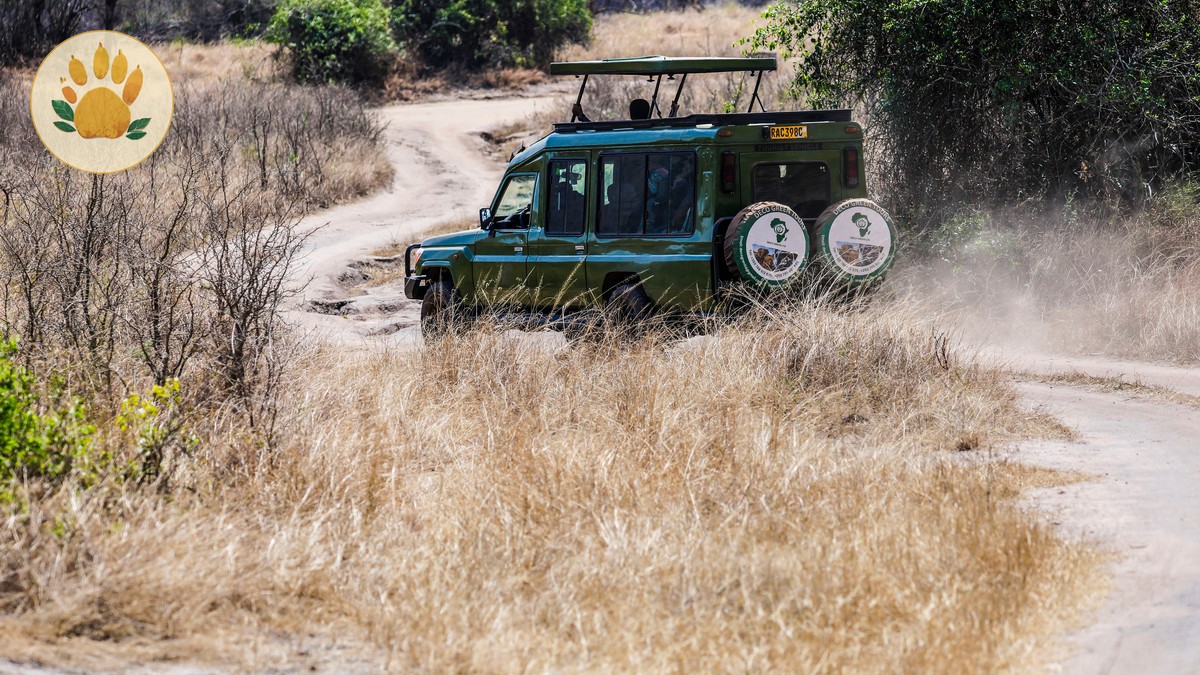
Fine road dust works into camera gear faster than most people expect. On a dry-season drive through Tsavo East, red laterite powder rises through the pop-top roof opening. It settles on zoom barrels, card slots, and the lens mount before you notice it. The right protection costs less than a good memory card. This guide covers kenya safari photography dust protection with simple, affordable field habits.
Dust follows the dry months. June through October is the dustiest stretch in the Maasai Mara, Samburu, Amboseli, and Tsavo. January and February are often dry and dusty too. Short rains from November to December settle roads for a while. Long rains from March to May turn tracks to mud, which is a different problem. The kit advice below applies year round.
Kenya Safari Photography Dust Protection: Why It Matters
Fine road dust finds its way into lens mounts, zoom barrels, card slots, buttons, and sensor areas. This happens most on drives through the Maasai Mara, Samburu, Amboseli, and Tsavo. Dry-season roads are the biggest concern. Fast transfers can stir dust inside the vehicle at any time. Treat dust as a daily equipment risk.
I have watched a clean mid-range zoom stiffen after three days in the Mara. A little grit inside the barrel makes zooming rough at exactly the wrong moment. A Nairobi repair house can strip and relubricate the barrel, but that takes days. A single spot on the sensor shows up later in every sky shot from the trip.
Different parks bring different dust. The table below shows the dust profile, distance from Nairobi by road, typical drive time, and current non-resident entry fee for common routes.
| Safari area | Distance from Nairobi by road | Typical drive time | Non-resident park fee | Dust profile |
|---|---|---|---|---|
| Nairobi National Park | 10 km | 30 min | USD 80 (KWS) | Lower on approach roads; dry season still dusty |
| Lake Nakuru National Park | ~160 km | 3 hr | USD 90 (KWS) | Moderate; some loose sections on internal roads |
| Amboseli National Park | ~240 km | 4-5 hr | USD 90 (KWS) | High on approach roads and park loops |
| Tsavo East / Tsavo West | ~240 km | 4-5 hr | USD 80 (KWS) | Very high; red laterite dust |
| Samburu National Reserve | ~350 km | 6-7 hr | Indicative USD 70-100, county-run, verify current rate | High in dry season |
| Maasai Mara National Reserve | ~250 km to Sekenani Gate | 5-6 hr | USD 100 Jan-Jun, USD 200 Jul-Dec, Narok County not KWS | High, especially July to December |
A Masai Mara entry fee is USD 100 per adult per day from January to June and USD 200 from July to December. Spending a few thousand shillings on dust protection is a small fraction of that cost.
The Best Dust-Protection Kit for Cameras and Lenses
Pack a zipped padded camera bag, a rain sleeve, a rocket blower, two clean microfiber cloths, lens caps, lens hoods, spare batteries, and sealable bags for accessories. A kikoi, pillowcase, or shower cap works as a low-cost cover between sightings. A rain cover helps against both dust and sudden showers. Never rely on cloth alone for storage.
Kenya does not require a premium system. The table below shows indicative Nairobi prices in Kenyan shillings. Prices shift with the vendor and season, so treat these as planning ranges.
| Item | Indicative cost in Nairobi (KES) | What it protects | When sufficient | Limits |
|---|---|---|---|---|
| Rain sleeve / camera rain cover | 1,500-4,000 | Body and lens during transfers and showers | Quick cover when camera stays accessible | Not for all-day enclosed storage |
| Cotton kikoi | 500-1,500 | Light dust on a seated camera | Wrap between sightings in mild dust | Loose fibres; not sealed |
| Clean pillowcase | 200-500 | Body rest cover | Short rest in camp | Not a field bag |
| Dry bag, 5-10 L | 800-2,500 | Accessories, spare batteries, memory cards | Sealable storage inside a dusty camera bag | Not padded |
| Rocket blower | 1,500-3,000 | Loosens dust from lens and mount | End-of-drive cleaning | Cannot fix deep sensor dust |
| Microfiber cloths, two | 300-800 each | Cleaning glass and body | After loose dust is blown off | Rubs grit into glass if used too early |
| Zipped padded camera bag | 3,000-12,000 | Main storage | Transfers and overnight storage | Dust can still settle on the exterior |
A kikoi and a pillowcase are easy to find in Nairobi markets and cost a few hundred shillings. The rocket blower matters more than any premium cover. Buy it before the trip, not at the airport.
How to Protect Camera Gear Inside a Safari Vehicle
Keep the camera covered when it is not in use. Place the bag on your lap or on a seat, never on the dusty floor. Close windows and roof openings during transfers. A cloth over a camera held ready is convenient. Store equipment in a zipped bag whenever the vehicle moves quickly or dust visibly blows.
Most Mara and Samburu vehicles have a pop-top roof that lifts upward. The opening lets dust swirl in, especially when another vehicle passes at speed. Close the roof on transfer sections between gates and camps. Open it only when stopped or moving slowly through sightings.
The same cover-and-ready habit works when photographing Kenya’s scenic landscapes beyond wildlife. A wide lens stays cleaner if you wrap the camera in a kikoi between stops. Keep the zipped bag on the seat beside you. The floor of a moving safari vehicle is the dustiest surface in the whole setup.
How to Change Lenses Without Letting Dust Inside
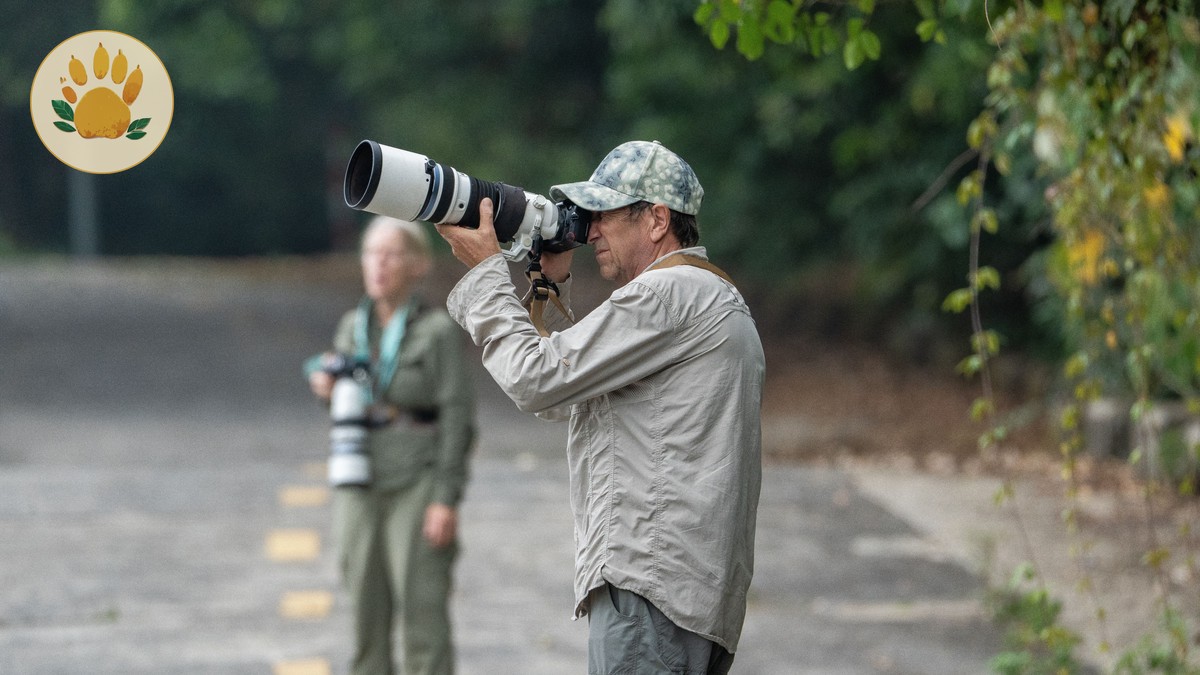
Avoid changing lenses during a sighting or while the vehicle is moving. Stop in a sheltered moment, close windows and roof hatches, and keep the camera mount facing downward. Remove the replacement lens cap first. Finish the swap near your lap. Two bodies prevent most risky field changes.
A field swap in the open Mara takes longer than you think. A passing vehicle can send dust through the roof opening while you are mid-change. The safest order is to stop, close the roof, uncap the replacement lens, and turn the camera mount down toward your lap. Remove the old lens and mount the new one without pausing. Never change a lens while standing at the back of the vehicle in wind.
The second body option removes most of this risk. One body wears a telephoto, the other wears a mid-range zoom. Nothing opens in the field. That setup also makes room for photographing Kenya’s lesser-known safari animals without swapping glass when a shy caracal appears.
How to Clean Camera Gear After a Dusty Game Drive
Clean gear after each drive, preferably in a closed tent or on a sheltered veranda. Use a rocket blower first. Wipe the exterior and lens filter with a clean microfiber cloth only after loose grit is gone. Never rub dry dust across glass, blow into the mount with your mouth, or use canned air. Save sensor swabs for photographers confident using them.
Most safari tents in the Mara have a small desk and a veranda. Clear a space, close the tent door, and set the camera on the desk. Blow the lens filter and barrel first. Blow around the mount with the lens still attached. Only then use a fresh microfiber cloth on the glass. Keep a second cloth for the body. Rinse both cloths in clean water each evening and let them dry.
Never use canned air. The propellant can spray liquid against the sensor. Never breathe on the rear element. Your breath carries moisture and fine residue. A rocket blower does the same job without adding anything to the camera.
A clean sensor gives you better files the next morning. It also means you can work confidently when photographing Kenya’s lesser-known safari animals in soft light rather than worrying about dust spots in every frame.
Weather Sealing, Rain Covers, Heat, and Humidity
Weather sealing reduces risk but does not make a camera waterproof or dustproof. Pair a sealed body with a sealed lens where possible. Use a rain sleeve during showers and dusty transfers. Keep equipment shaded rather than inside a hot closed vehicle. Store silica gel with the kit after humid evenings, but do not seal damp equipment until it has dried.
A sealed body and sealed lens give useful protection. They still need a cover on a dusty Tsavo track. Sealing helps with light dust and drizzle, not with fine laterite forced by wind. The weakest point is often the lens mount, not the body seals.
Humidity arrives with the short rains. After a rainy afternoon drive in Samburu, let the camera dry in the open tent before packing it. Silica gel packs help once the gear is dry. Do not seal a damp camera in a dry bag overnight.
Evening condensation is common after hot days. The same risks arise when you learn how private conservancy night drives work in Kenya. Night drives start after sunset, when temperatures drop and moisture forms on cold glass. A rain sleeve and a slow acclimatisation habit keep that moisture away from the sensor.

Whether to Use One Camera Body or Two
One body works for most travellers if it stays fitted with a versatile zoom and lens changes are avoided. Two bodies help serious wildlife photographers keep a telephoto and a wide or mid-range lens ready without exposing the sensor. The trade-off is extra weight, batteries, and cost, not a requirement for every Kenya safari.
One body is quieter in the vehicle. A 100-400 mm or similar zoom covers most wildlife and leaves less to carry. The rule is simple: do not remove the lens in the field. That keeps dust out and keeps the camera ready.
Two bodies add weight and batteries. A second body needs its own spare batteries and memory cards. On a six-night Mara and Amboseli trip, that is real weight in your hand luggage on a small safari aircraft. The payoff is instant lens changes with zero dust risk. Choose two bodies only if you shoot wildlife seriously and expect to switch lengths often.
Frequently Asked Questions
How do I protect my camera from dust on safari?
Keep the camera in a zipped padded bag when it is not being used. Cover it with a rain sleeve or clean cloth during dusty transfers. Avoid changing lenses outdoors. Carry a rocket blower and clean the camera after each drive, starting with air before any cloth.
Do I need a weather-sealed camera for a Kenya safari?
A weather-sealed body and lens are helpful but not essential. Keep the equipment covered and avoid lens changes in dusty conditions. Sealing protects against light dust and splashes, but it does not make the camera waterproof. A rain sleeve and careful handling matter as much as the camera specification.
How do I change lenses on safari without getting dust on the sensor?
Change lenses only when the vehicle is stationary and sheltered, with windows and roof hatches closed. Point the camera mount downward and keep the replacement lens ready with its rear cap removed. Complete the swap quickly near your lap. Using two bodies removes most risky field changes.
What camera cleaning kit should I take on safari?
Take a rocket blower, separate microfiber cloths for the body and lenses, lens caps, and a small brush if you like. Add sensor swabs only if you know how to use them safely. Do not wipe loose dust across glass. Do not use your clothing or your breath to clean a lens.
Can I use a rain cover to protect my camera from dust?
Yes. A camera rain sleeve also works as a lightweight dust barrier during vehicle transfers and sudden showers. It helps when the camera must stay accessible. It should supplement, not replace, a closed camera bag for long, highly dusty drives.
The SafariPure Difference
SafariPure builds routes around field conditions, not just sightings. Guides know which tracks in Amboseli and Tsavo turn dusty fastest in the dry season. Vehicles run with fewer guests per row, so you control your own window and roof opening. We plan longer stops instead of rushing between sightings. That patience means you protect gear properly without missing the moment.
Plan Your Dust-Protected Kenya Safari
Tell SafariPure which parks and season you are considering. We will match the vehicle, route, and pacing to your camera setup. See our contact page to start the plan.