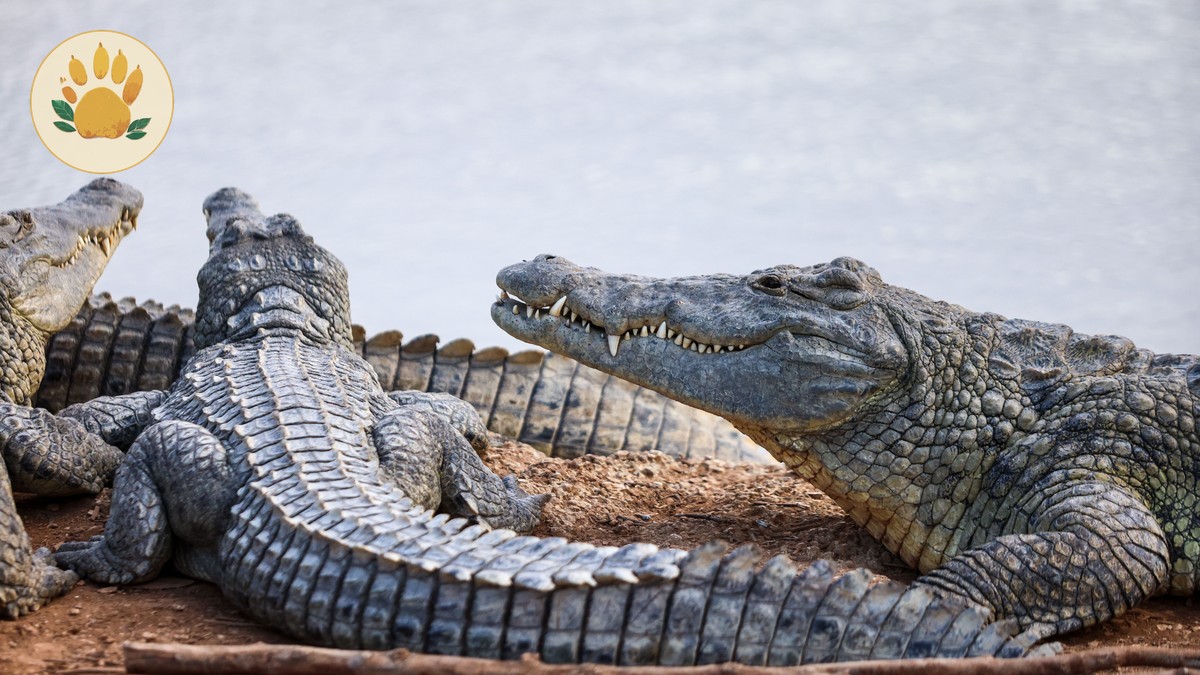
Most crocodile guides tell you two things: how big Nile crocodiles get, or when the wildebeest cross. Few tell you what a normal day at the river actually looks like. This guide does both, with the honest trade-off attached. On most days you will watch crocodiles bask or wait, not strike. Budget your time accordingly and treat a kill as a bonus.
Nile Crocodile Mara River Viewing Guide Basics: Size, Weight, and Lifespan
Nile crocodiles in the Mara River typically run 3 to 4.5 meters long, with the largest dominant males in prime crossing pools reaching close to 5.5 meters. Weight scales fast with length. A big male can top 400 to 700 kilograms, roughly the mass of a small car.
Lifespan estimates for wild Nile crocodiles generally fall between 45 and 80 years, with some individuals likely living longer. No verified age record exists for a specific Mara River crocodile, so treat any single-animal age claim with caution.
Population figures are less precise than most sites suggest. Surveys and guide reports commonly cite figures in the low hundreds of large crocodiles along the Mara-Talek river system, but no recent comprehensive count has been published. Treat any exact number as an estimate, not a census.
Habitat and Range Along the Mara River
Crocodiles spread along the entire Mara River as it runs from the Oloololo Escarpment through the Mara Triangle, past Talek town, and east toward the Sand River near the Tanzanian border. Deep, slow pools hold the biggest animals. Rocky shallows and narrow crossing points concentrate them seasonally, since these are the spots where wildebeest and zebra funnel into the water.
Outside migration season, resident crocodiles spread out along quieter stretches, patrolling territory and feeding on fish, small mammals, and carrion. Territorial behavior means the same large males tend to hold the same pools year after year, which is why guides can point you to named individuals at named bends in the river.
Best Crocodile Viewing Spots
Four locations account for most sightings:
- Serena Crossing, in the Mara Triangle, is the most consistent spot for large basking crocodiles and has hosted major crossing strikes in recent seasons.
- Paradise Crossing (also called Purungat), near Governors’ Camp, sits close to a bridge and draws heavy vehicle traffic during peak weeks.
- Lookout Hill, on the eastern bank near the Mara Triangle boundary, gives an elevated view over a wide bend, useful when the riverbank itself is crowded with vehicles.
- “The Kitchen”, a nickname guides use for a tight, rocky stretch south of Paradise Crossing, where crocodiles gather in unusually high numbers because the narrow channel forces animals close together.
None of these guarantee a kill on any given visit. What they guarantee is a reliable concentration of crocodiles doing what crocodiles actually do most of the time: holding position, watching the bank, and waiting.
Best Time of Year and Best Time of Day
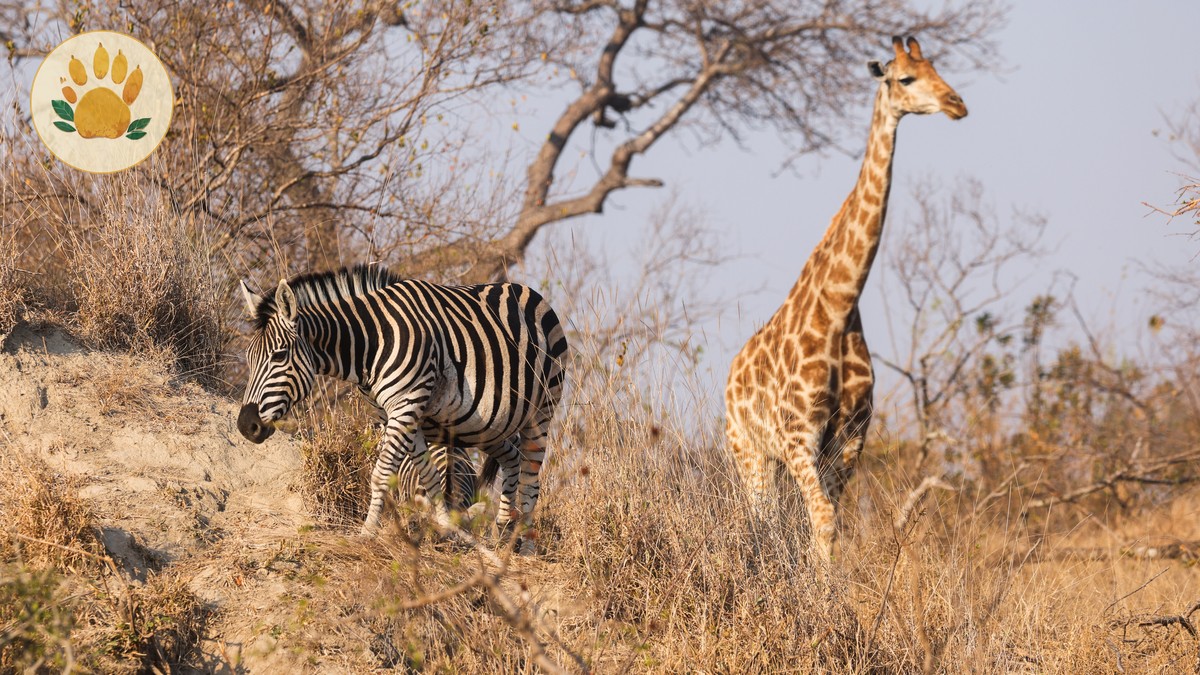
July through October is peak season, when wildebeest herds cross repeatedly as they circle the Mara ecosystem. September usually brings the highest crossing frequency, though it also brings the most vehicles. For a sense of what the crowds look like during peak crossing season, it helps to plan around the busiest weeks rather than against them.
Within a day, early morning (6:30 to 9:00 am) and late afternoon (4:00 to 6:30 pm) tend to bring the most crocodile movement, since cooler air pushes them to bask on exposed rock and sand. Midday heat often sends them into the water or deep shade, where they are harder to photograph well.
Crocodile Hunting Behavior During Crossings
Crocodiles do not attack every crossing. Most herds cross without incident, and a strike depends on factors like herd size, crossing speed, and how many crocodiles are already positioned in the channel. When a strike happens, it is usually fast, under 30 seconds, and directed at an animal that stumbles, hesitates, or gets pushed into deep water by the crowd behind it.
Between crossings, crocodiles rely on scavenging and ambushing smaller prey near the bank. Fish make up a large part of their regular diet outside migration season. Do not expect action on demand. Ask your guide about recent activity before you commit a morning to one spot. Questions to ask your guide about recent crossing activity will save you from parking at a quiet bend while the real action happens a kilometer upstream.
Safety Guidelines for Viewing Crocodiles
Stay inside the vehicle at all times near the riverbank. Crocodiles can move faster over short distances on land than most visitors expect, and the bank often hides a steep drop. Guides generally keep vehicles at least 20 to 30 meters back from active crossing points, both for safety and to avoid disturbing herd behavior.
Never dangle arms, cameras, or legs outside the vehicle window near water. Walking safaris near the Mara River are rare and, where offered, always run with an armed ranger who keeps well clear of the bank. If your itinerary includes a river walk, confirm this in advance.
Photography and Equipment Tips
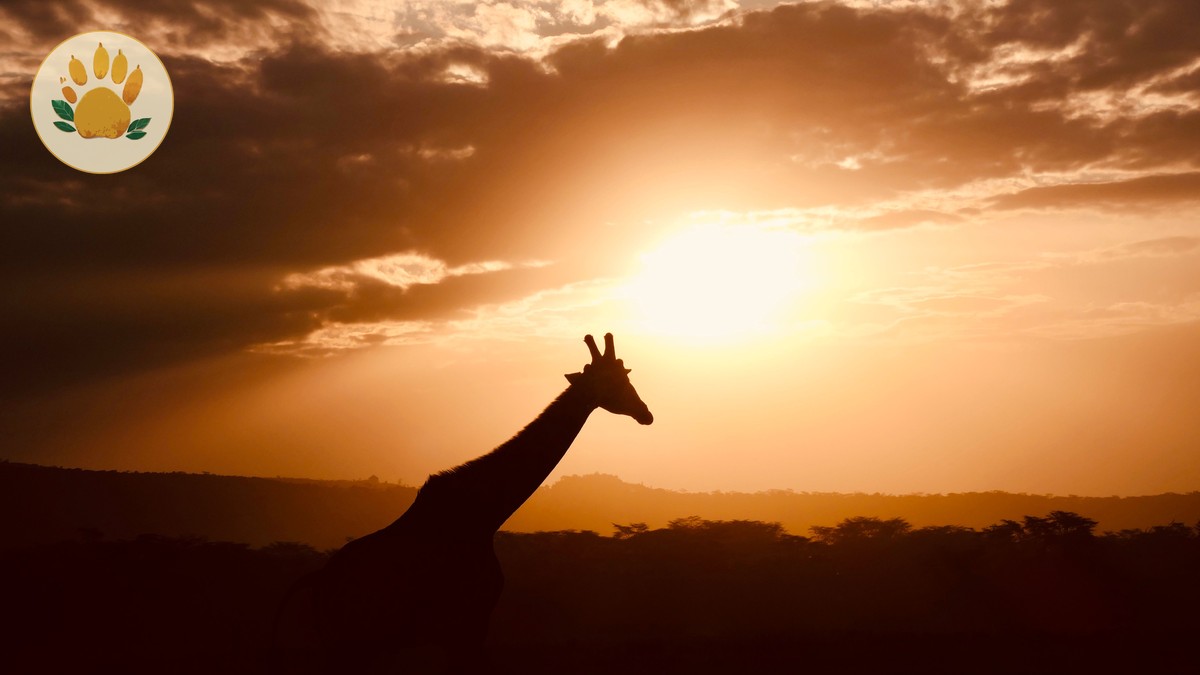
A 400 to 600mm lens covers most crocodile shots, since you will rarely get closer than 15 to 20 meters. A beanbag works better than a tripod in an open-sided vehicle, since it steadies faster on an angled window ledge or roof hatch.
Morning light on the water often creates strong glare. A circular polarizer cuts reflection and brings out detail on wet crocodile skin, which otherwise blows out in direct sun. Pack an extra battery. Early starts mean cold mornings, and cold drains batteries faster than the temperature gauge suggests.
Choose a vehicle with a pop-up roof or fully open sides over a closed hatchback-style safari van. Crossing points draw crowds of vehicles, and a higher, wider view matters more here than almost anywhere else on a Mara game drive.
Lodges and Camps Near Crocodile Viewing Points
| Camp/Lodge | Nearest Crossing Point | Approx. Drive Time | Indicative Price Range (USD/night, per person) |
|---|---|---|---|
| Mara Serena Safari Lodge | Serena Crossing | 20-30 min | 350-550 |
| Kicheche Mara Camp | Serena Crossing / The Kitchen | 25-35 min | 500-750 |
| Governors’ Camp | Paradise/Purungat Crossing | 10-20 min | 450-700 |
| Little Governors’ Camp | Paradise/Purungat Crossing | 15-25 min | 500-750 |
| Angama Mara | Lookout Hill area | 20-30 min | 900-1,400 |
| Rekero Camp | Sand River area | 30-45 min | 450-650 |
Prices vary by season and are indicative ranges, not fixed rates. Check current quotes before booking.
Park and Conservancy Fees
Fees changed in October 2025 and now run higher during peak migration months. For a full breakdown by park, see Mara Triangle and Masai Mara Reserve entry fees.
| Area | Non-resident Fee (per adult/day) | Administered By |
|---|---|---|
| Masai Mara National Reserve, Jan-Jun | USD 100 | Narok County Government |
| Masai Mara National Reserve, Jul-Dec | USD 200 | Narok County Government |
| Mara Triangle (part of the Reserve) | Same fee structure | Mara Conservancy |
| Mara North / Naboisho Conservancies | Roughly USD 80-150/night, bundled into lodge rates | Private conservancy trusts |
Note that Masai Mara fees are set by Narok County, not Kenya Wildlife Service. The reserve is county-run, unlike Amboseli or Tsavo.
Is the Mara Triangle or Main Reserve Better for Crocodile Viewing?
The Mara Triangle, managed by the Mara Conservancy, tends to have fewer vehicles per sighting and stricter off-road rules, which keeps the riverbank calmer. The main Reserve around Paradise Crossing gets more traffic during peak weeks but sits closer to a wider range of camps. Both cost the same per day, so the choice comes down to camp location and tolerance for crowds.
The SafariPure Difference
We plan crocodile-focused itineraries around three or four full days on the river, not one rushed afternoon. That extra time matters because most visits show basking and positioning, not a strike, and a single short visit often leaves photographers disappointed. Our guides track recent crossing activity daily and adjust plans each morning based on herd movement, rather than following a fixed schedule. We also match vehicles to the trip, prioritizing open-sided or pop-up-roof configurations for anyone traveling with serious camera gear.
FAQs
How big do Nile crocodiles get in the Mara River? Most adults measure 3 to 4.5 meters, with the largest dominant males approaching 5.5 meters.
Are Nile crocodiles dangerous to tourists on safari? Yes, if approached on foot near the water. From inside a vehicle at a normal viewing distance, risk is very low.
What is “The Kitchen” crocodile spot in the Mara? A nickname for a narrow, rocky stretch of river south of Paradise Crossing, where the tight channel concentrates unusually high numbers of crocodiles.
Do crocodiles attack during every wildebeest crossing? No. Most crossings pass without a strike. Success depends on herd size, speed, and how many crocodiles are already positioned.
What do crocodiles eat when there is no migration crossing? Mostly fish, along with small mammals and carrion, taken opportunistically along quieter stretches of the river.
Plan Your Crocodile Viewing Trip
If you want to see the Mara River’s crocodiles without gambling everything on one afternoon, we can build an itinerary around real crossing data and the right vehicle for your camera bag. Visit our Masai Mara safari tours page or get in touch through our contact page to start planning.