Bush sundowner cocktail traditions on safari in Kenya start the same way most evenings. About an hour before dark, the game drive slows down. The guide picks a rise with a clear view west, cuts the engine, and pulls a folding table and a cooler box from the back of the vehicle. This is the sundowner. It is one of the oldest and most consistent rituals in East African safari life, and it has almost nothing to do with the drink itself.
Bush Sundowner Cocktail Traditions on Safari in Kenya: Where It Began
A sundowner is simply a drink taken outdoors at sunset, usually at a scenic spot chosen during a game drive. The habit dates to the colonial settler period of the early 1900s, when British and European farmers in the Kenyan highlands used the evening drink as a fixed social marker between the working day and the night.
The gin and tonic became the standard because of a practical reason, not a stylish one. Tonic water contained quinine, used at the time as a defense against malaria. Settlers and colonial officers added gin to make the bitter quinine tolerable, and the combination stuck long after the medical logic behind it faded. Guides today will still repeat that story almost word for word, because it happens to be true.
Why Gin and Tonic Still Leads the Menu
Modern sundowners rarely need quinine for health reasons, but gin and tonic remains the default order across Kenyan camps. It travels well in a cooler, needs no mixing skill beyond ice and a slice of lime, and suits the late afternoon heat better than a heavier spirit. Most camps stock a mid-range London dry gin plus a premium option, so guests can trade up without much fuss.
Beyond Gin: Other Traditional Sundowner Cocktails
Kenyan and East African bars have their own sundowner staples worth trying alongside the gin and tonic.
- Dawa, Swahili for “medicine,” is vodka, honey, and fresh lime muddled with a wooden swizzle stick called a dawa stick. It is Kenya’s answer to the caipirinha.
- Mzizima Mule is a coastal riff on the Moscow Mule, built with local ginger beer and often Kenyan-distilled spirits.
- El Presidente shows up on some Nairobi and coastal cocktail lists, a rum-based drink with vermouth and orange curaçao.
- Konyagi, a Tanzanian gin-like spirit, crosses the border onto some Kenyan camp bar menus, usually served with tonic or soda.
None of these require special equipment, so a guide can build any of them on a folding table in the middle of the bush with the same cooler and glassware used for the gin and tonic.
How a Sundowner Actually Works on Drive
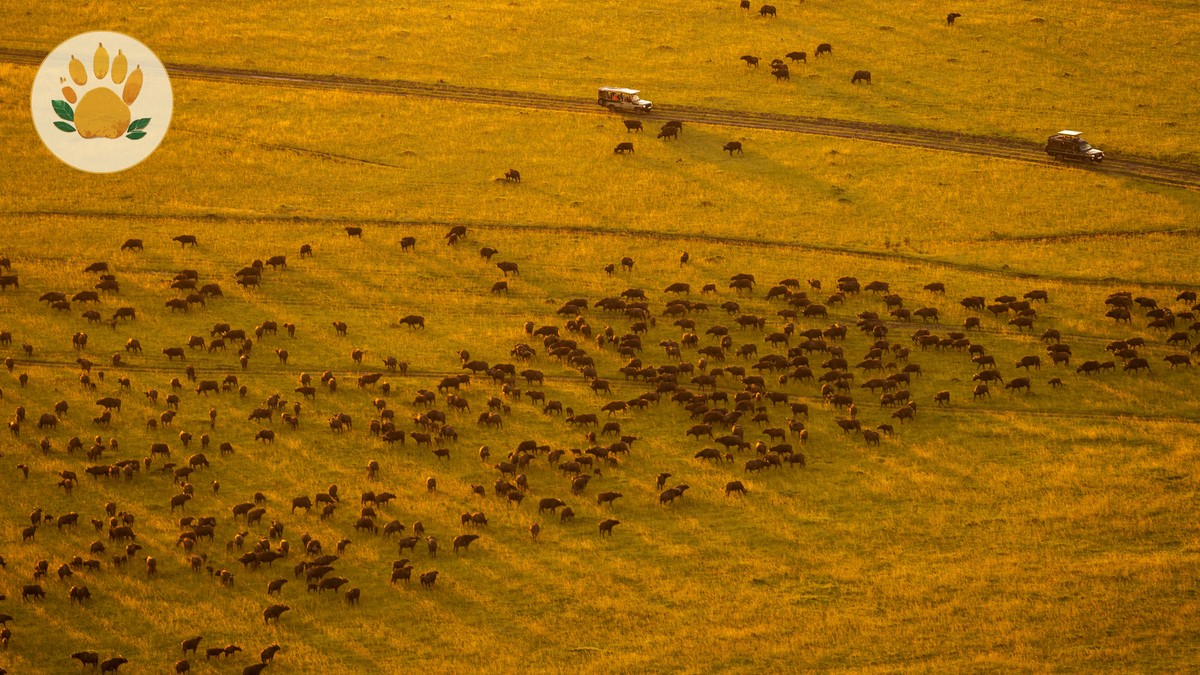
The setup follows a routine that barely changes from camp to camp. Around 5:30 to 6:00 pm, depending on the season, the guide reads the light and picks a stop with an open horizon, away from thick bush and away from other vehicles if possible. The vehicle parks, the guide steps out to check the immediate area, then sets a folding table with drinks, ice, and snacks such as samosas, spiced nuts, or biltong. Guests stay near the vehicle. The whole stop runs 30 to 45 minutes, timed to end as the light fades and driving after dark becomes a safety concern. This slot usually sits near the end of the afternoon game drive, so it helps to understand how a typical Kenya game drive is structured before you book, since the sundowner is built into that same window rather than scheduled separately.
Best Regions in Kenya for a Sundowner
Kenya’s landscape does a lot of the work. Open plains and a low horizon make for a better sunset than dense forest. Here is how the main regions compare on distance, cost, and setup style.
| Region | Distance from Nairobi | Drive Time | Non-Resident Park/Reserve Fee | Typical Private Sundowner Add-On |
|---|---|---|---|---|
| Masai Mara National Reserve | ~270 km | 5-6 hrs by road, ~45 min by air | USD 100/day (Jan-Jun), USD 200/day (Jul-Dec) | USD 40-80 per person, often included at luxury camps |
| Amboseli National Park | ~240 km | ~4 hrs by road | USD 90/day | USD 30-60 per person |
| Tsavo West National Park | ~240 km | ~4 hrs by road | USD 80/day | USD 30-50 per person |
| Laikipia (private conservancies, e.g. Ol Pejeta) | ~200 km | 3.5-4 hrs by road | Indicative USD 90-100/day, bundled into conservancy fees | Often included in nightly rate |
| Samburu National Reserve | ~325 km | 5-6 hrs by road, ~1 hr by air | Indicative USD 70-100/day, county-run, confirm at booking | Often included at lodges such as Saruni Samburu |
Prices for private conservancies and Samburu are indicative ranges, since fees are set locally and change more often than national park rates. Always confirm the current figure with your camp before travel. If you are still deciding where to base your trip, choosing between Amboseli and the Masai Mara for your safari is a good next step, since both regions offer strong sundowner settings but very different landscapes.
Luxury Upgrades Worth the Splurge
For a honeymoon, this is usually where the budget flexes a little. Camps like Angama Mara, set above the Oloololo Escarpment on the Mara’s western edge, can arrange a private sundowner on the rim with no other vehicles in sight, usually built into a suite-level stay rather than sold as a separate add-on. In Samburu, Saruni Samburu sets up sundowners on rock outcrops overlooking the Kalama Conservancy, often with a private table and a second staff member just for the setup. These upgrades typically run from no extra charge, when bundled into a premium room rate, up to roughly USD 100 per person for a fully private, chef-catered version with a folding bar and formal service.
What to Pack and When to Go
Evenings cool fast once the sun drops, even in the hottest months, so bring a light jacket or wrap regardless of season. The dry seasons, January to March and June to October, give the clearest skies and the most reliable sunsets. The long rains in April and May can cut a sundowner short with sudden cloud cover, though the landscape turns a deep green that photographs well between showers.
Wildlife Safety and Ranger Protocol
Drinking in open bush next to wildlife is not an invitation to relax the rules. Guides check the immediate area on foot before guests leave the vehicle, and groups stay within a few meters of the car at all times. No stop happens near water, thick cover, or fresh tracks. If an elephant, buffalo, or predator appears nearby, the stop ends immediately and the group returns to the vehicle without argument. Reputable operators brief guests on this before the first sundowner of the trip, not after something goes wrong.
Photography Tips for the Sunset
Shoot toward the sun about 15 minutes before it touches the horizon for the strongest color. A silhouette of an acacia tree or a distant giraffe adds scale without needing a long lens. Turn off flash entirely, since it does nothing at that distance and can startle nearby animals. A phone camera on its default setting usually outperforms manual controls here, since the light changes every few minutes.
Non-Alcoholic and Halal-Friendly Options
Most camps now keep a full non-alcoholic sundowner menu alongside the cocktail list: fresh passion fruit juice, ginger and lime soda, or a virgin Dawa made with honey and lime only. These options suit guests who do not drink for religious or personal reasons, and staff rarely need advance notice to prepare them. Muslim travelers planning meals around the rest of the trip may also want to review halal-friendly options for Muslim travelers on safari, since the same camps that handle sundowner substitutions usually manage halal meal requests just as smoothly.
Booking and Etiquette Guidance
If privacy matters to you, ask your operator in advance whether a private sundowner spot, away from other vehicles, is possible in your chosen conservancy. National reserves like the Mara can get busy near popular viewpoints in peak season, July through December, while private conservancies in Laikipia and around the Mara, such as Naboisho or Mara North, limit vehicle density by design. Tipping the guide for a sundowner is not mandatory but is customary, usually folded into the general end-of-trip tip rather than paid separately.
The SafariPure Difference
Most guides can pour a gin and tonic at sunset. Fewer will tell you honestly what it costs, which camps build it into the rate, and which charge extra. SafariPure plans each sundowner around the couple’s actual budget and privacy preference, not a generic package. We name the real add-on cost before you book, match the region to the season you are traveling in, and brief every guest on the ranger safety protocol before the first evening stop. For a honeymoon, that means one quiet, well-timed evening on a Mara escarpment or a Samburu outcrop, arranged without surprises on the final bill.
Plan Your Sundowner Evening
If a private sundowner on the Mara’s edge or a Samburu ridge sounds like the right way to close each day of your honeymoon, we can build it into your itinerary from the start. Visit our Kenya safari tours page to see camps that handle this well, or reach out through our contact page to start planning.