If you are comparing camping gear rental Nairobi safari options, start here: renting only makes sense for one kind of traveler, the one driving themselves, or joining a group that is. If you have booked a guided budget camping safari, the operator almost always brings the tent, the mattress, and the cooking kit as part of the price. Renting your own gear on top of that is money wasted. This guide is for everyone else, the backpackers piecing together a self-drive or shared 4×4 trip out of Nairobi.
Self-drive or guided: check this before you rent anything
Before you call a single rental company, work out which kind of trip you are actually taking. A guided safari, even a budget one on a shared truck, usually bundles tents, sleeping mats, and a cook into the daily rate. Renting gear for that trip duplicates what you are already paying for.
Gear rental earns its cost when you are self-driving, joining a car-share group heading to the Mara, or building a multi-park loop on your own schedule. If you are still deciding between the two models, it helps to read up on independent travel vs a guided safari before you commit to a rental booking you cannot easily cancel.
What a camping gear rental package actually includes
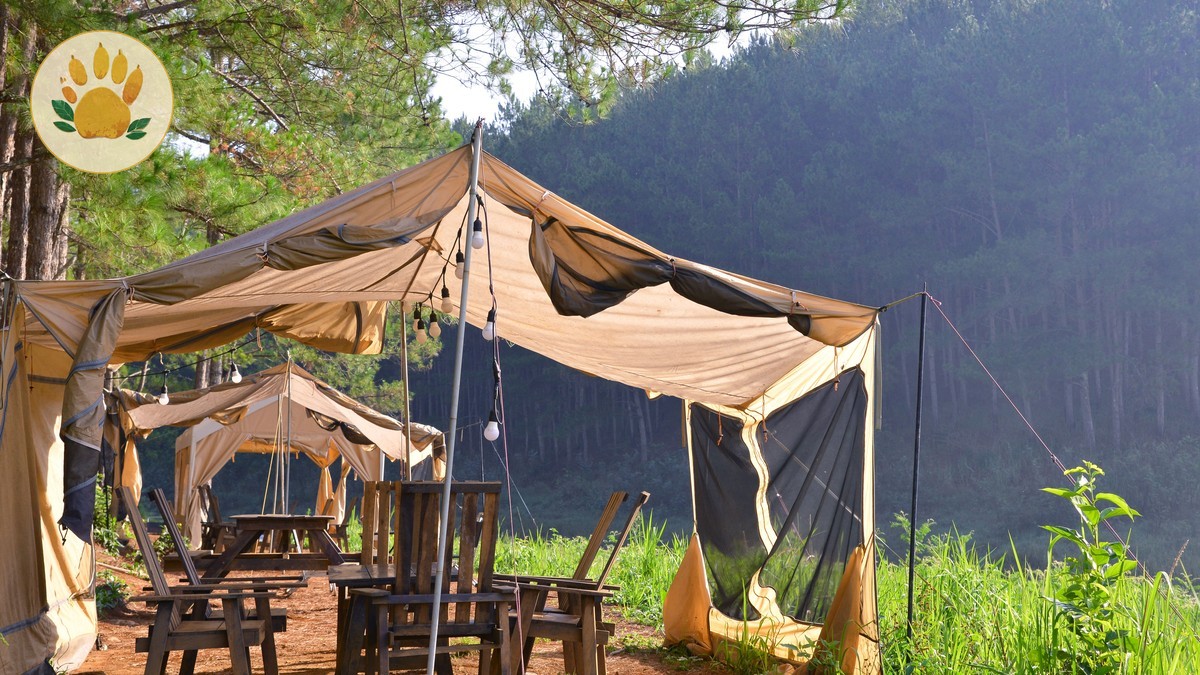
Most Nairobi-based operators rent gear as a package rather than piece by piece, though nearly all will hire single items if you already own some of your own kit. A standard two-person package typically covers:
- A dome or ridge tent, usually 2 to 4 person capacity
- Sleeping bags rated for cool highland or savannah nights
- Foam or self-inflating sleeping mats
- A camp table and folding chairs
- A gas cooker, pot set, and a cool box
- A solar lantern or head torches
Cutlery, a jerry can for water, and a basic axe or mallet for tent pegs are often thrown in without extra charge. Ask specifically about the cool box and cooker, since some companies charge these as add-ons rather than including them in the base package.
Camping gear rental Nairobi safari: where to book
Five companies dominate the Nairobi rental market for independent campers. Pricing below is an indicative range per person per night for a standard two-person gear package, since rates shift with season and gear condition. Confirm current figures directly before booking.
| Company | Gear focus | Indicative price range (per person/night, KES) | Self-drive car hire available |
|---|---|---|---|
| Kambu Campers | Full camping packages, tiered by group size | 800 to 1,800 | No |
| EasyCamp Kenya | Tents, bedding, cooking sets | 700 to 1,500 | No |
| Kifaru Kampers | Camping gear plus roof-tent add-ons | 900 to 2,000 | Limited |
| Self Drive Kenya | Vehicle-first, gear as add-on | 1,000 to 2,200 | Yes |
| Rent A Driver Kenya | Vehicle and driver, gear as add-on | 1,200 to 2,500 | Yes, with driver option |
Kambu Campers and EasyCamp Kenya are worth calling first if you already have a vehicle and just need gear. Self Drive Kenya and Kifaru Kampers make more sense if you are renting a 4×4 and want the gear bundled into one pickup.
Self-drive car and camping gear combos
A rooftop tent mounted on a 4×4 solves two problems at once: sleeping gear and elevation off the ground, which matters at campsites near Amboseli and Tsavo where game wanders close to camp at night. Kifaru Kampers and Self Drive Kenya both offer Toyota Land Cruisers and Prados fitted with rooftop tents, usually for two to three people, alongside a ground-level kitchen box.
Combo rates run higher than gear alone, since you are paying for vehicle hire, fuel, insurance, and unlimited or capped mileage on top of the tent. Expect the vehicle portion to be the larger line item on your budget, not the gear. Before you sign anything, it is worth reading up on negotiating a fair safari price, since mileage caps and insurance excess are the terms most travelers overlook until they are already on the road.
A ground tent and a separate small sedan or budget SUV is cheaper if your route stays on tarmac, but most Kenyan park circuits include stretches of murram or dirt road where a 4×4 is genuinely necessary, not just a nice extra.
Nairobi to the parks: distance, drive time, and fees
Pickup for most rental companies happens in Nairobi, either at their depot or, for an extra delivery fee, at your hotel or the airport. From there, here is what a typical self-drive camper is looking at for the most common routes out of the city.
| Route | Distance from Nairobi | Typical drive time | Non-resident park fee (2026) |
|---|---|---|---|
| Nairobi to Maasai Mara | 270 km | 5 to 6 hours | USD 100/day (Jan-Jun), USD 200/day (Jul-Dec) |
| Nairobi to Amboseli | 240 km | 4 hours | USD 90/day |
| Nairobi to Lake Nakuru | 160 km | 2.5 hours | USD 90/day |
| Nairobi to Tsavo West | 240 km | 4 hours | USD 80/day |
| Nairobi to Tsavo East | 250 km | 4 to 4.5 hours | USD 80/day |
The Maasai Mara fee is set by the Narok County Government, not by KWS, since the Mara is a county-run reserve rather than a national park. That fee doubles between July and December, which changes the math on a budget trip significantly if you are timing a visit around the wildebeest migration. Factor the permit cost in before you lock in a rental period, since it usually outweighs the gear rental itself over a multi-day stay.
Matching gear to group size and trip length
A rental package built for two people rarely scales down well for a solo traveler, and it rarely scales up cleanly for a group of six. Most companies offer these rough tiers:
- Solo or couple: one 2 to 4 person tent, one cooker, one cool box
- Group of 3 to 5: two tents, a larger cooker or two-burner stove, a bigger cool box, extra chairs
- Group of 6 or more: ask about a shared kitchen tent and a second cooking setup, since a single stove slows meal prep badly at that size
For trips under three nights, daily rates apply. Past four nights, most companies switch to a weekly rate that works out 15 to 25 percent cheaper per night. Ask about this threshold directly, since it is rarely listed on a company’s website.
Climate and seasonal gear considerations
Nairobi sits at 1,795 meters, and highland nights near Lake Nakuru or the Aberdares can drop to 10°C even in dry season. A sleeping bag rated only for tropical warmth will leave you cold. Ask specifically for a bag rated to at least 5°C if your route includes highland stops.
The long rains fall roughly April through May, the short rains in November. Camping through either period means a tent with a solid rainfly and a groundsheet, not just a basic single-wall tent. Rental companies usually know to swap gear seasonally, but confirm it rather than assume it.
Safety gear and permits beyond the tent
A camping gear rental covers shelter and cooking, not safety. You will still need to sort your own first aid supplies, since most rental companies do not include a kit. A safari first aid kit checklist is worth working through before you leave Nairobi, particularly for anti-malarials, rehydration salts, and basic wound care.
Park permits are a separate cost from gear rental and from the campsite fee itself. Public campsites inside parks like Amboseli or Tsavo West typically add USD 20 to 30 per person per night on top of the park entrance fee. Reserve campsites in advance where possible, since public sites can fill up in peak months.
The SafariPure Difference
We do not rent camping gear ourselves, and we will tell you honestly when renting it makes no sense for your trip. Most of the budget camping safaris we arrange already include a tent, mattress, and full cooking setup in the daily rate, so paying twice for the same equipment helps no one. Where a self-drive or independent leg does call for rental gear, we point clients toward operators we trust on condition and pricing, and we build the park fees and permit costs into the plan up front, not as a surprise at the gate.
Plan your route with SafariPure
If you are still working out whether to self-drive, join a group truck, or rent your own gear entirely, we can walk through the trade-offs with you. Take a look at our budget camping safari tours or get in touch through our contact page to start planning.