Most guides frame this as self-drive versus guided, as if renting a 4×4 in Nairobi and driving yourself to the Mara is the only alternative to a full package tour. It isn’t. This guide breaks down independent travel vs guided safari Kenya options so you can pick the right fit for your trip. For most travelers who plan their own trip, “independent” in Kenya means something else: flying between parks on scheduled flights, booking your own camps and lodges, and hiring a local guide only where you land. Self-driving is one small slice of independent travel, not the whole picture.
This matters most if you are working with a tight budget. Group joining safaris, public campsites, and shared shuttle transport can cut costs sharply compared to a private guided package, but they also come with real trade-offs in access and wildlife sightings. Here is how the two approaches actually compare in Kenya in 2026.
What Independent Travel Actually Means Here
Independent travel in Kenya usually looks like this: you book a few nights at a camp or budget lodge yourself, arrange a scheduled flight or shared shuttle to get there, and hire a driver-guide locally for game drives inside the park. You are not steering a Land Cruiser through Amboseli traffic. You are managing your own itinerary and paying for services one piece at a time instead of buying a bundled package.
For backpackers, this often means booking your own domestic flights between parks on SafariLink or Air Kenya, or skipping flights altogether and taking a shared shuttle. Companies like Modern Coast and Easy Coach run scheduled buses from Nairobi to Narok, close to the Masai Mara, for around KES 1,500 to 2,500 one way. From Narok, a shared matatu or camp transfer covers the last stretch to the reserve gate.
Guided safari, by contrast, means a tour operator handles transport, park fees, meals, and a driver-guide as one price. You show up with a bag and a passport.
Where You Can and Cannot Go Alone
Some parks make the choice for you. The Masai Mara National Reserve, run by Narok County Government rather than KWS, does not require a licensed guide for general reserve access, but most conservancies bordering it do. Naboisho Conservancy and Mara North Conservancy only admit guests staying at member camps, which comes with a vehicle and guide included in the nightly rate.
Amboseli, Tsavo East, Tsavo West, and Lake Nakuru are all KWS-run parks with public roads open to any vehicle, including budget rental cars and matatus that serve nearby towns. You can walk in at some gates if you arrange a guide on the spot, though most visitors still need their own or a hired vehicle to move around once inside.
Chyulu Hills National Park, smaller and less visited, charges USD 40 per adult per day, the cheapest KWS fee on this list, and is easy to combine with a Tsavo circuit.
Cost Comparison: Independent Travel vs Guided Safari Kenya
| Route or Cost Item | Independent (self-arranged) | Guided Package |
|---|---|---|
| Nairobi to Masai Mara (approx. 270 km) | Shared shuttle KES 2,000-2,500 (about 5-6 hrs) | Included in package; private transfer USD 150-250 |
| Nairobi to Amboseli (approx. 240 km) | Shuttle/matatu KES 1,000-1,500 (about 4-5 hrs) | Included; private transfer USD 120-200 |
| Masai Mara Reserve entry, Jan-Jun | USD 100/adult/day | Usually bundled into package price |
| Masai Mara Reserve entry, Jul-Dec | USD 200/adult/day | Usually bundled into package price |
| Amboseli National Park entry | USD 90/adult/day | Bundled |
| Tsavo East / West entry | USD 80/adult/day | Bundled |
| Nairobi National Park entry | USD 80/adult/day | Bundled |
| Naboisho or Mara North Conservancy | USD 80-150/person/night (camp rate) | Bundled, conservancy camps only |
| Local driver-guide, day rate | USD 40-70/day plus fuel | Included |
| Camping at public sites (Mara, Amboseli) | USD 15-30/person/night | Rarely offered, most packages use lodges |
These figures are indicative ranges for shuttle and guide costs, since operators adjust pricing by season and route. Park fees are current KWS and Narok County figures as of 2025.
Wildlife Sightings and Guide Expertise
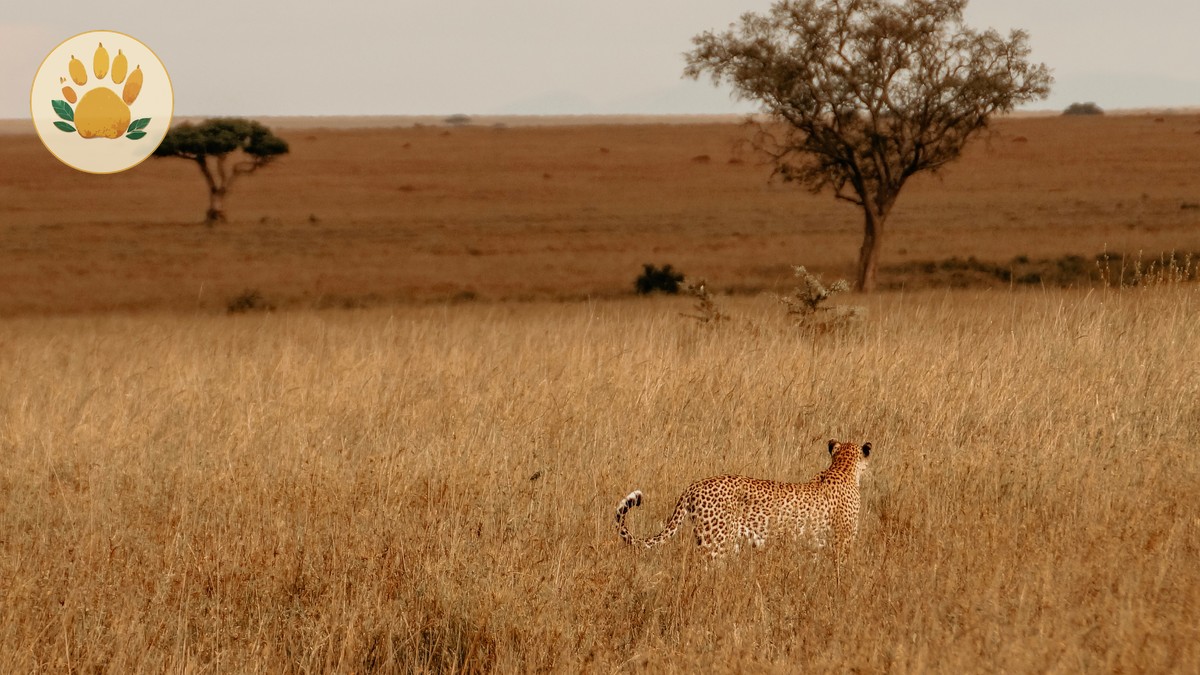
This is where independent travel gives something up. A private guided safari usually means a driver-guide who tracks radio calls from other vehicles, knows individual prides and their territories, and can read fresh tracks. In the Mara, that knowledge often means finding a cheetah hunt or a river crossing that a self-arranged day trip misses entirely.
Independent travelers who hire a local guide only for the day still get expertise, but usually not the same radio network or relationship with camp trackers that comes from staying inside a conservancy. Conservancies like Naboisho also allow off-road driving and night drives, both banned in the main Mara reserve and in KWS parks. That access alone is worth the higher nightly rate to travelers focused on sightings over savings.
Safety and Road Conditions
Kenya’s main tourist routes are safer than they look on a map. The Nairobi-Narok road is tarmacked and well used by tour vehicles and public shuttles alike. Inside the parks, roads range from graded murram to deep ruts that turn to mud after rain, especially in Amboseli’s swamp edges and the Mara’s black cotton soil sections.
Public shuttle buses and scheduled flights carry standard safety oversight. A self-arranged budget rental with no experience on Kenyan roads is the riskiest combination on this list, more so than either joining a group safari or booking a full guided package.
Which Option Fits Which Traveler
First-time visitors traveling alone often do better with a guided package, since park logistics and wildlife knowledge both take time to build. Budget backpackers travel well independently if they lean on group joining safaris, shared shuttles, and campsites rather than private transfers.
Families with young children usually value the fixed schedule and single point of contact a guided package offers. Honeymooners tend to prioritize conservancy access and privacy, which pushes them toward guided stays at Naboisho or Mara North regardless of budget. Repeat visitors who already know the parks are the group best placed to go independent, since they already know where to go and what a fair local guide rate looks like.
Hidden Costs and Practical Logistics
Independent travel hides its costs in small pieces. Park fees are charged per day, not per visit, so a two-night Mara stay actually means two full days of entrance fees. Camps often add a conservancy fee on top of the room rate. Local guides expect a tip of USD 10-20 per day, and vehicle hire from small operators sometimes excludes fuel.
Getting between parks without self-driving takes planning. You can fly, drive, or combine transfers between parks depending on your route and budget, and the cheapest option is rarely the fastest one. A guided package folds all of this into one number, which is part of what you pay for.
If you do go the guided route, it pays to understand negotiating a fair guided safari price before you commit, since day rates vary widely between operators offering the same circuit.
Sample Circuit for a Budget Backpacker
A realistic independent budget route: shuttle from Nairobi to Amboseli (KES 1,200, about 4 hours), two nights camping near the park gate at roughly USD 20/night, a day-guide hired locally for USD 50, then a shared shuttle onward to Nairobi and a second shuttle to Narok for three nights at a public Mara campsite. Total transport and camping costs land under USD 300, excluding park fees, which for two Mara days in peak season alone reach USD 400 per adult.
That last number is the real lesson. Park fees, not transport or accommodation, usually decide whether independent travel actually saves money in Kenya.
The SafariPure Difference
We don’t push one model over the other. What we do is tell you honestly which parks reward a guided conservancy stay and which ones work fine on a tighter, self-arranged budget. Our team has driven every route in this comparison, priced the shuttles, and stayed at the camps we mention. When we build an itinerary, we tell you where the extra cost buys real sightings and where it just buys convenience.
FAQs
Is it safe to travel independently in Kenya? Yes, on main routes and in KWS parks. Road conditions inside parks require caution after rain, and self-driving without local experience raises the risk.
Can you self-drive in the Masai Mara, or is a guide required? The reserve itself does not require a guide for general access, but bordering conservancies like Naboisho only admit guests with camp-arranged vehicles and guides.
Is a guided safari worth the extra cost? For conservancy access, off-road driving, and expert tracking, usually yes. For a straightforward KWS park visit on a tight budget, not always.
How much does independent travel cost compared to guided? Transport and camping can run under USD 300 for several days, but park fees often add USD 300-400 per adult for a short Mara stay in peak season.
Can you combine independent travel with a guided safari? Yes. Many travelers fly independently between parks, then book a short guided stay at a conservancy camp for the wildlife-focused leg of the trip.
Ready to compare routes for your own trip? Visit our Kenya safari tours page or get in touch and we will help you find the right mix of independent and guided travel for your budget.