A super tusker carries tusks so long they nearly touch the ground. Fewer than 30 are thought to survive on the continent, and Tsavo holds more of them than any other Kenyan ecosystem. This guide to Tsavo super tuskers elephant viewing covers what a super tusker is and where in Tsavo to look. It also covers how many nights you need before the odds turn in your favor.
What Is a Super Tusker
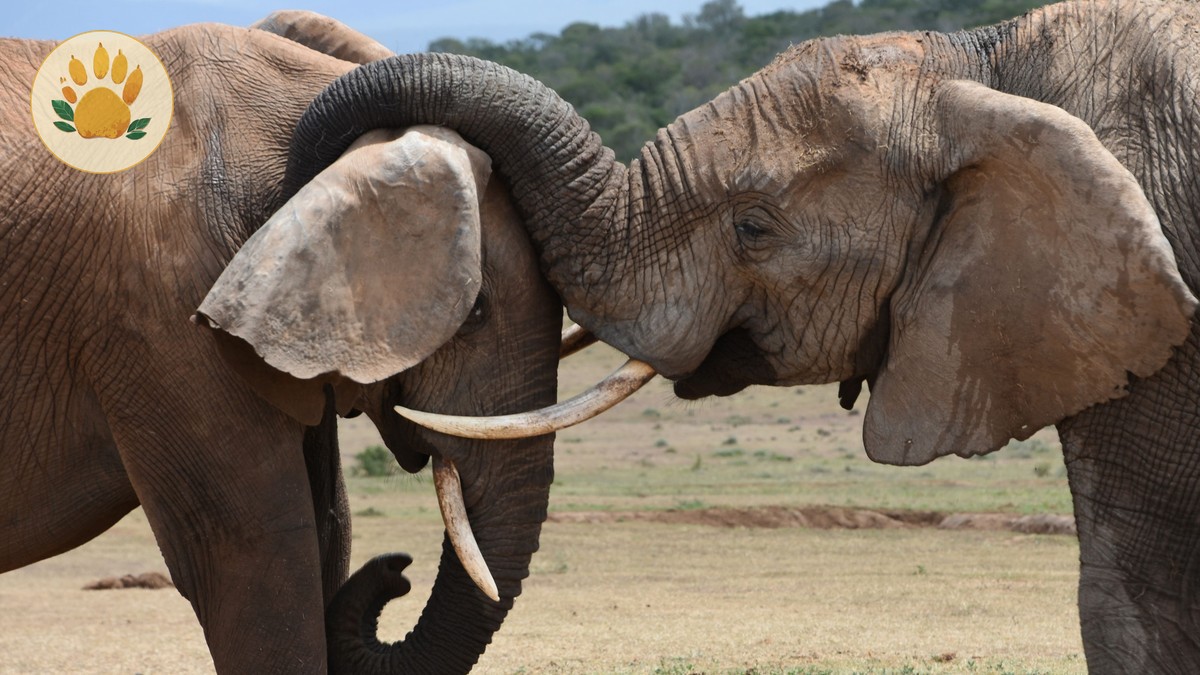
A super tusker is a bull elephant whose tusks each weigh at least 100 pounds, about 45 kilograms. That threshold was set decades ago by hunters and has stuck as the working definition among researchers. It takes a bull 45 to 50 years to grow tusks that heavy. Every super tusker alive today is old, usually in his fifties or sixties.
Tusk size this large is rare for two reasons. Genetics play a role, since the trait runs in certain bloodlines around Tsavo and Amboseli. Age matters more, since poaching in the 1970s and 1980s killed most of the continent’s biggest tuskers before they reached their prime.
How Many Super Tuskers Remain
Estimates put the global total at fewer than 30 confirmed super tuskers. Tsavo Conservation Area holds the largest concentration of any single landscape, a dozen or more depending on who is counting. These numbers shift as bulls die and younger males cross the threshold, so treat any exact count as an indicative range.
Tsavo’s advantage comes down to size and connectivity. The combined Tsavo East and Tsavo West ecosystem covers roughly 22,000 square kilometres, linked to Chyulu Hills and the Amboseli corridor. That unbroken habitat lets old bulls range widely and survive long enough to grow the tusks that define them.
Named Super Tuskers of Tsavo
Tsavo Trust runs the Big Tusker Project and tracks bulls by code, and sometimes by name once one becomes well known. Several names travelers ask about most are no longer alive. A guide worth trusting should say so instead of sending you off to look for a ghost.
Craig, one of the most photographed super tuskers of the last decade, died of natural causes in January 2026 at around 54. He ranged mainly around Amboseli but crossed into Tsavo’s northern reaches, which is why his name gets linked to both ecosystems. Tim, another bull with that same range, died in February 2020.
Within Tsavo itself, Lugard, named for the Lugard Falls area of Tsavo East, died of natural causes in November 2022 at about 53. One Ton is often assumed to be a Tsavo West animal because of his fame, but that is a mix-up. He was an Amboseli and Chyulu Hills bull monitored by Big Life Foundation, not Tsavo Trust. He died of natural causes in July 2026, weeks before this guide was last checked.
Dida deserves a mention for a different reason. She was a matriarch, not a bull. Many researchers consider her tusks the largest of any living female elephant in Africa before her death in October 2022. This guide defines a super tusker as a bull with tusks over 100 pounds each. Dida does not fit the category, even though her tusks were extraordinary.
So which named super tuskers are alive in Tsavo now? Tsavo Trust currently monitors at least a dozen, most tracked under code names such as MM1, RO1, IR2, and BA1 rather than public ones. That naming choice partly reduces poaching risk. Status changes fast, since bulls die and younger males cross the threshold most years. Check Tsavo Trust’s current bios before a trip, since a fixed list here would be out of date within months.
Where to Find Them: Tsavo East vs Tsavo West
Tsavo East is the larger park at about 13,700 square kilometres, mostly flat red-soil country with long sightlines that suit tusker viewing. The Galana River and Aruba Dam area draw bulls in dry months. Tsavo West, at roughly 9,000 square kilometres, is denser and hillier, with Mzima Springs and the Ngulia hills giving cover some old bulls prefer.
Neither park guarantees a sighting. Super tuskers move across both, and across the unfenced Chyulu Hills corridor between them. A guide who knows recent ranger reports matters more than which side of the A109 highway you stay on. If you’re deciding between Tsavo and other Kenyan parks for your first stop, compare against the fastest park to see the Big Five in Kenya. Tsavo trades faster Big Five ticks for a shot at something rarer.
Best Time of Year to See Super Tuskers
Dry season, July through October and again in January and February, is the strongest window. Vegetation thins out and bulls concentrate around permanent water at Aruba Dam, Mzima Springs, and the Galana River. That improves visibility for picking out a distant bull by tusk length. The long rains, March through May, scatter elephants as temporary pans fill, though camps run at lower rates and the bush is greenest for photography. November’s short rains sit in between, unpredictable but quiet on crowds.
| Season | Months | Sighting odds | Notes |
|---|---|---|---|
| Peak dry | Jul-Oct | Best | Bulls concentrate at Aruba Dam, Galana River |
| Short dry | Jan-Feb | Good | Clear skies, water still limited |
| Short rains | Nov | Fair | Unpredictable, fewer crowds |
| Long rains | Mar-May | Lower | Elephants disperse, lush light for photos |
Best Camps and Lodges for Viewing
Camp choice affects your odds. Guides who work one traversing area daily know which bulls have been seen where in the last week. Fly-in guests miss that intelligence unless they book enough nights for a guide to check radio reports and adjust the plan.
| Camp | Park | Indicative rate (USD/person/night) | Why it suits tusker viewing |
|---|---|---|---|
| Satao Camp | Tsavo East | 350-550 | Waterhole in front of camp, guides with Tsavo Trust contacts |
| Finch Hattons | Tsavo West | 450-700 | Near Mzima Springs, strong walking and vehicle guiding |
| Severin Safari Camp | Tsavo East | 300-480 | Private conservancy access, good vehicle-to-guest ratio |
| Kilaguni Serena | Tsavo West | 250-420 | Long-established lodge overlooking a waterhole |
| Lions Bluff | Tsavo West (Taita) | 320-500 | Elevated position over Lumo Conservancy, quieter traversing area |
These are indicative ranges for standard season, not confirmed rack rates, and prices move with season and currency. Ask about vehicle configuration when you book. A dedicated 4×4 with a pop-up roof and no more than four guests per row matters more than any other factor. You need room to reposition a long lens fast.
Conservation and Monitoring
Tsavo Trust runs daily aerial patrols over both parks, tracking known super tuskers by sight and, in some cases, by collar. The Big Tusker Project has documented individual bulls for over a decade, building case histories that inform anti-poaching deployment. Kenya Wildlife Service rangers work alongside Trust pilots on the ground, and the partnership keeps Tsavo’s poaching rate well below its 1980s peak.
This monitoring is why guides can sometimes point a vehicle toward a specific bull rather than just toward elephant country. Recent aerial sightings get shared to camps with good Trust relationships, part of why the camps above hold an edge.
Tsavo Super Tuskers Elephant Viewing: Realistic Odds and Time Needed
Be honest about the odds. Seeing a named super tusker is not close to guaranteed on any single game drive. Camps and guides who track this closely suggest three nights minimum, with drives running 10 to 12 hours a day, as a realistic starting point. Two nights is a gamble. One night is closer to a lottery ticket.
Photographers should plan for how many nights to budget at each safari camp, since a rushed two-night stop trades away most of your odds. Patience matters more than mileage here.
Light also shapes what you come home with. Early morning and late afternoon give the low, warm angle that shows tusk length and texture, while midday heat pushes elephants into shade. Most photographers find a 100-400mm lens covers both waterhole encounters and distant bulls. That’s a topic in our guide to best lens focal length for photographing elephants on safari.
Park fees are straightforward. Kenya Wildlife Service charges USD 80 per adult per day, non-resident, for both Tsavo East and Tsavo West as of the October 2025 fee schedule.
The SafariPure Difference
Most guides to Tsavo either read like a conservation bio, heavy on elephant history and light on where to sleep. Others treat Tsavo as one stop on a wider Kenya itinerary and never commit to it. We built this one around a simple idea: tell the truth about the odds, including which named bulls are actually still alive. Then we give you the camp comparison, season table, and vehicle detail you need to act on it. That means naming real camps at real price ranges and being upfront that even a well-planned trip can end without a sighting. Patience, not luck, closes the gap.
Frequently Asked Questions
What is a super tusker? A bull elephant with tusks weighing at least 100 pounds (45kg) each, a threshold reached only after roughly 45 to 50 years of growth.
How many super tuskers are left in Tsavo or in the world? Fewer than 30 are thought to survive across Africa, with Tsavo holding the largest concentration of any single ecosystem. Treat this as an indicative range, since figures shift year to year.
Are any of the famous named Tsavo super tuskers still alive? Craig, Tim, Lugard, and One Ton have all died in recent years. Tsavo Trust still monitors around a dozen living super tuskers, mostly under code names. Check its current bios before a trip.
Where in Tsavo can you actually see super tuskers? Both Tsavo East, especially around Aruba Dam and the Galana River, and Tsavo West, especially near Mzima Springs, hold known individuals. Bulls also cross the Chyulu Hills corridor between the two.
What is the best time of year to see super tuskers in Tsavo? Dry season, from July through October and again in January and February, gives the strongest odds due to water concentration and open visibility.
Which camp is best, Tsavo East or Tsavo West? Neither side holds a clear edge. Satao Camp and Severin Safari Camp cover Tsavo East well, while Finch Hattons, Kilaguni Serena, and Lions Bluff cover Tsavo West.
Are super tuskers going extinct? Not immediately, but the population is small and ageing. Without younger bulls surviving to their fifties, numbers could decline further over the coming decades.
How many nights do you need for a real chance? No reputable guide can guarantee a sighting. Three nights minimum, with full 10 to 12 hour game drive days, gives a realistic shot. Fewer nights lower your odds significantly.
Plan Your Tsavo Safari
If watching a super tusker cross open ground at dawn is worth building an itinerary around, we can help design it properly. That means the right camps, the right season, and enough nights to give the sighting a real chance. Get in touch through our contact page or browse our Tsavo safari packages to start planning.