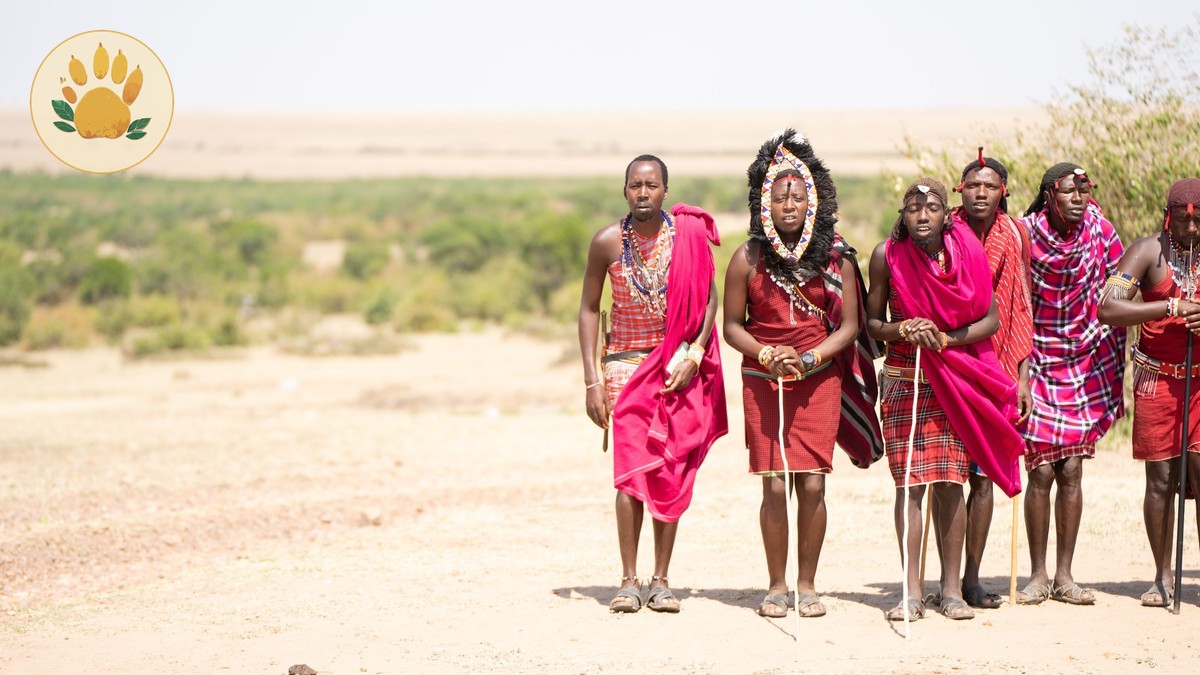
A lion killed inside a livestock enclosure is rarely news to the herder who loses ten goats in one night. It is a debt. In Maasai communities across southern Kenya and northern Tanzania, that debt has historically been settled with spears or poison, aimed at the pride that broke in. Predator proof livestock bomas Maasai conservation programs are changing that math, and they are worth understanding before your next trip to the Mara ecosystem, Laikipia, or Samburu.
Why traditional thorn bomas fail
A traditional boma is a circular corral of cut acacia branches, piled thorn-side out around a homestead’s cattle, sheep, and goats at night. It works reasonably well against hyenas and leopards. It does not work well against lions.
A lion can weigh over 180 kilograms and leap more than 2 meters from a standing position. Thorn walls sag, dry out, and develop gaps within weeks. Once a lion or a pack of hyenas finds one weak point, the whole boma becomes a trap for the livestock inside, not a barrier. Losses of five, ten, or more animals in a single raid are common across the Mara, Amboseli, and Laikipia rangelands.
What a predator-proof boma actually is
A predator-proof boma, sometimes called a living wall or fortified boma, replaces or reinforces the thorn barrier with galvanized chain-link mesh fixed to wooden posts, usually blue gum eucalyptus set roughly a meter apart. The mesh typically stands 2.2 to 2.5 meters high, tall enough to stop a lion’s jump, and is buried or pegged at the base so hyenas cannot dig underneath.
Many programs plant a living hedge, often commiphora or euphorbia, along the fence line. Over two or three years the hedge grows into the mesh and reinforces it, which is where the term “living wall” comes from. The mesh does the protecting immediately. The hedge takes over as the mesh ages.
Predator Proof Livestock Bomas Maasai Conservation: Does It Work?
Conservation groups running these programs in the Mara, Amboseli, and Laikipia report attack reductions in the range of 91 to 99.9 percent once a fortified boma replaces a thorn enclosure. That range varies by site, herd size, and how well the boma is maintained, but the direction is consistent across independent programs.
East Africa’s lion population is larger than many travelers assume, but it is still under pressure. Tanzania holds an estimated 14,500 to 17,200 lions, the largest national population on the continent. Kenya’s estimate sits at roughly 2,500. Combined, that puts the East African total near 17,000 to 19,700 lions, and these figures shift as new surveys are published. Even at that larger regional count, retaliatory killing after livestock raids remains one of the leading causes of lion deaths in the region. A boma that stops the raid stops the retaliation before it starts.
What it costs, and who pays
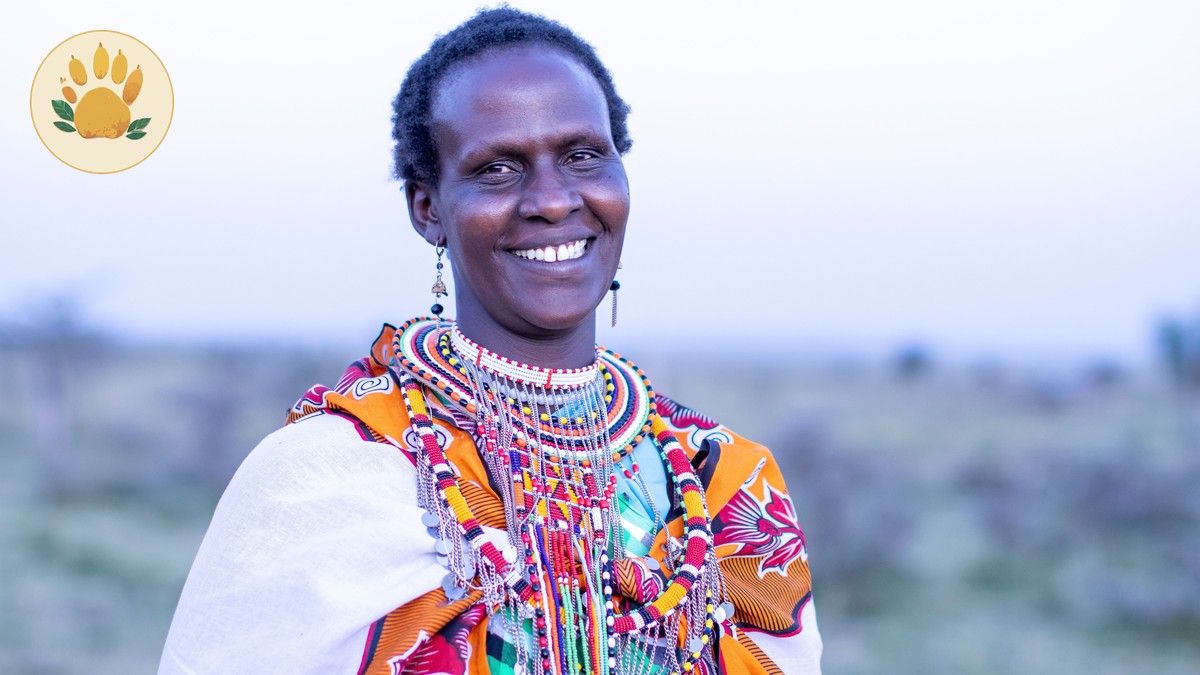
This is the part most conservation blogs skip. A single fortified boma, sized for an average Maasai household herd, costs a minimum of about USD 2,400 to build, covering mesh, posts, gates, and labor. Programs across the Mara ecosystem generally ask the household to contribute around 25 percent of that cost, in cash, labor, or materials, with the remaining 75 percent covered by the conservation organization or conservancy fund.
That cost-share matters. Bomas that are fully donor-funded, with no household contribution, are more likely to fall into disrepair because the family has less invested in maintaining them.
| Where to see it | Distance from Mara Serena Airstrip | Typical conservancy fee (indicative) | Boma program notes |
|---|---|---|---|
| Naboisho Conservancy | About 25 km | USD 80-150/person/night, bundled into lodge rates | Long-running fortified boma program with Kenya Wildlife Trust |
| Olare Motorogi Conservancy | About 20 km | USD 80-150/person/night, bundled into lodge rates | Living wall bomas visible near community grazing areas |
| Nashulai Community Conservancy, one of the Maasai-run conservancies using these boma programs | About 15 km | Indicative range, ask lodge for current rate | Community-owned model, bomas built and managed by resident families |
| Amboseli ecosystem | Not applicable, separate park system | USD 90/adult/day non-resident (KWS park fee) | Site of much of the original predator-proof boma research |
The human-wildlife conflict behind the fence
None of this exists in a vacuum. Pastoralist families in the Mara ecosystem, Amboseli, and Laikipia depend on livestock for food, dowry payments, and school fees. A single lion raid can wipe out a family’s savings in one night. Before boma programs expanded, that kind of loss was the single biggest driver of lion killing in these landscapes, more significant than trophy hunting or habitat loss in most studies.
Amboseli, where much of the predator-proof boma research has taken place, is a useful case study because researchers there have tracked individual lion prides for over 40 years. When boma programs expanded through the 2000s and 2010s, recorded retaliatory killings in tracked areas dropped sharply, though they never reached zero.
Mobile bomas versus fixed bomas
Not every Maasai household stays in one place year-round. Herders who move with the seasons, particularly in drier stretches of Laikipia and Samburu, need enclosures that travel with them. Mobile bomas use lighter mesh panels or reinforced netting that can be dismantled and reassembled at a new site within a day.
Fixed bomas, the mesh-and-post structures described above, suit settled homesteads near permanent water and better grazing. They last longer, up to 15 years with maintenance, but they are not an option for families who move three or four times a year. Most conservation organizations now offer both designs and let the household choose based on how they actually herd.
Who is building these bomas
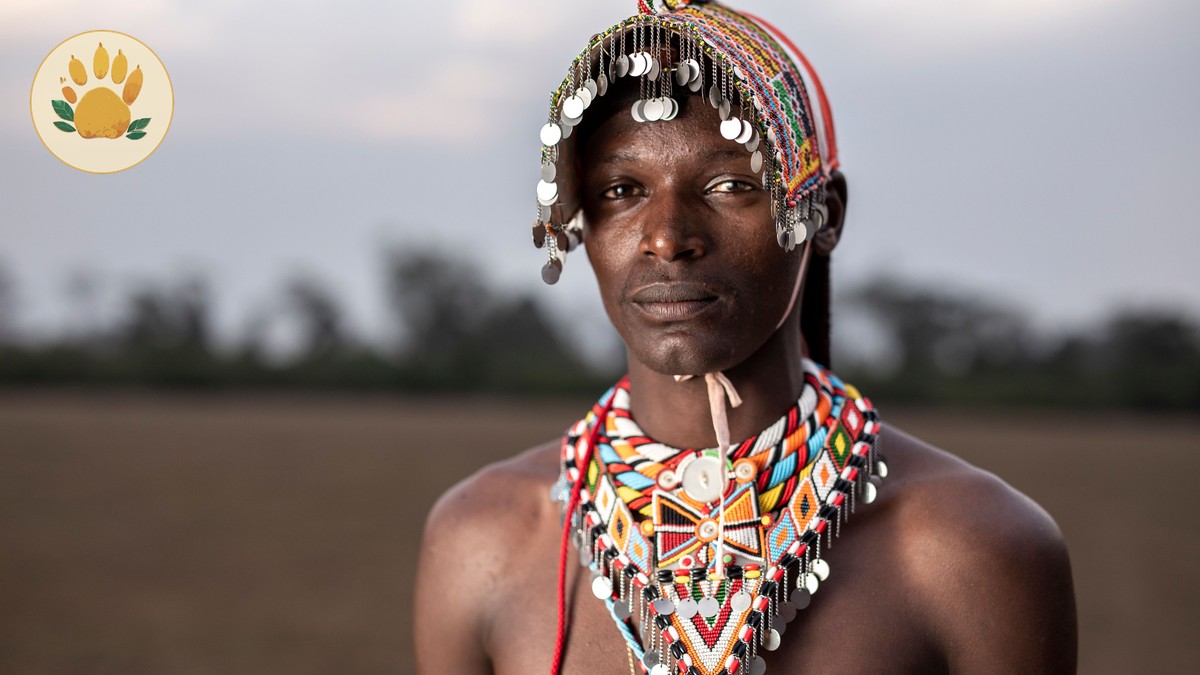
Kenya Wildlife Trust runs one of the longest-standing boma programs in the Mara ecosystem, working directly with Naboisho and Olare Motorogi households. Big Life Foundation operates a similar program across the Amboseli-Tsavo landscape, straddling the Kenya-Tanzania border. Ewaso Lions works with Samburu communities north of the Mara, and the Northern Rangelands Trust supports boma projects across Laikipia and the broader Ewaso ecosystem, alongside other community-led wildlife conservation efforts in Kenya in the same landscape.
Why bomas fall into disrepair
A fortified boma is not a one-time fix. Mesh corrodes near coastal humidity, though this matters less in the dry Mara and Laikipia air. Posts rot at ground level and need replacing every five to eight years. Households that grow, adding livestock faster than the boma’s capacity, end up overcrowding the enclosure, which stresses animals and weakens the fence from the inside.
The bigger problem is usually social, not structural. If a family relocates, sells livestock, or stops using the boma seasonally, maintenance stops too. Programs that check in on completed bomas each year see far better long-term results than those that build and move on. This is the honest caveat most conservation blogs leave out: a 99 percent effective boma on paper still fails if nobody repairs the gate hinge.
Beyond predator protection
Boma programs tend to bring other benefits with them. Reduced livestock losses free up household income for school fees and veterinary care. Some conservancies tie boma construction to broader coexistence agreements, where communities that maintain low conflict rates receive a share of tourism revenue or grazing access on conservancy land. That link between protecting lions and protecting livelihoods is what makes these programs durable, more than any single fence design.
The SafariPure Difference
Most safari itineraries drive past these bomas without a second look. We build time into Mara ecosystem trips to visit a working boma. A Maasai guide explains the fence, the cost-share, and the trade-offs honestly. It is not a staged stop. It is part of understanding how the conservancy model actually works.
Repeat visitors who have already done the classic Mara game drives often want more. We route these trips through Laikipia and Samburu instead. Boma and coexistence programs run there too, alongside different wildlife, from Grevy’s zebra to reticulated giraffe. The crowds thin out considerably in these areas.
We keep these visits small and unhurried, timed around your safari rather than added as an afterthought.
Plan the trip
If you want to see fortified bomas and community conservancies firsthand, on a route that also covers Laikipia and Samburu beyond the standard Mara loop, get in touch with SafariPure to start planning your itinerary.