This babymoon safari Kenya pregnancy guide covers what most general advice leaves out. Most pregnancy travel guides say “ask your doctor” and “pick the second trimester” without naming a single park. This one does. It maps which regions carry lower malaria risk, which camps handle pregnant guests well, and how far you actually are from a hospital if something goes wrong.
Can you go on safari while pregnant?
Yes, for most healthy, low-risk pregnancies between roughly 13 and 27 weeks. Game drives are seated and slower than people expect, and most reputable operators already limit speed over rough tracks. The real planning questions are about malaria exposure, altitude, road versus air transfers, and how close you are to medical help. None of those rule out Kenya. They just narrow where you should stay.
Always confirm with your own doctor or midwife first, especially if you have a history of complications, twins, or a placenta issue. This guide covers the Kenya-specific logistics your doctor won’t know off the top of their head.
The best trimester for a babymoon safari
Weeks 13 to 27 are the sweet spot. Morning sickness has usually passed, energy is higher, and the risk of miscarriage or preterm labor is lower than in the first or third trimester. Most Kenyan safari lodges and airlines set their own cutoffs inside this window too, so it lines up well with practical limits.
Avoid the first trimester if you can. Fatigue, nausea, and early pregnancy risk make long transfer days and heat harder to manage, and there’s less buffer if you need care quickly.
Malaria risk and safe prophylaxis
Malaria risk in Kenya tracks elevation. Highland areas above roughly 1,800 to 2,000 meters, including Nairobi, the Aberdare range, and much of the Laikipia plateau, carry markedly lower risk than the hot lowland parks. Masai Mara sits in a moderate-risk zone at 1,500 to 2,100 meters. Amboseli, at around 1,150 meters, and Tsavo, much of it below 1,000 meters, carry higher risk, particularly after rains.
Most antimalarial tablets are not recommended in pregnancy. Doxycycline and Malarone are typically avoided. Mefloquine is sometimes permitted after the first trimester under a doctor’s supervision, but many obstetricians prefer that pregnant travelers avoid high-risk zones entirely rather than rely on medication. Discuss this directly with a travel medicine doctor before booking, and consider a DEET-based repellent (safe in pregnancy at standard concentrations) plus permethrin-treated clothing regardless of where you stay.
If avoiding malaria risk matters more than seeing every park, Ol Pejeta Conservancy and the wider Laikipia plateau give you rhinos, lions, and elephants at lower elevation risk than the Mara or Tsavo.
Are game drives and other activities safe?
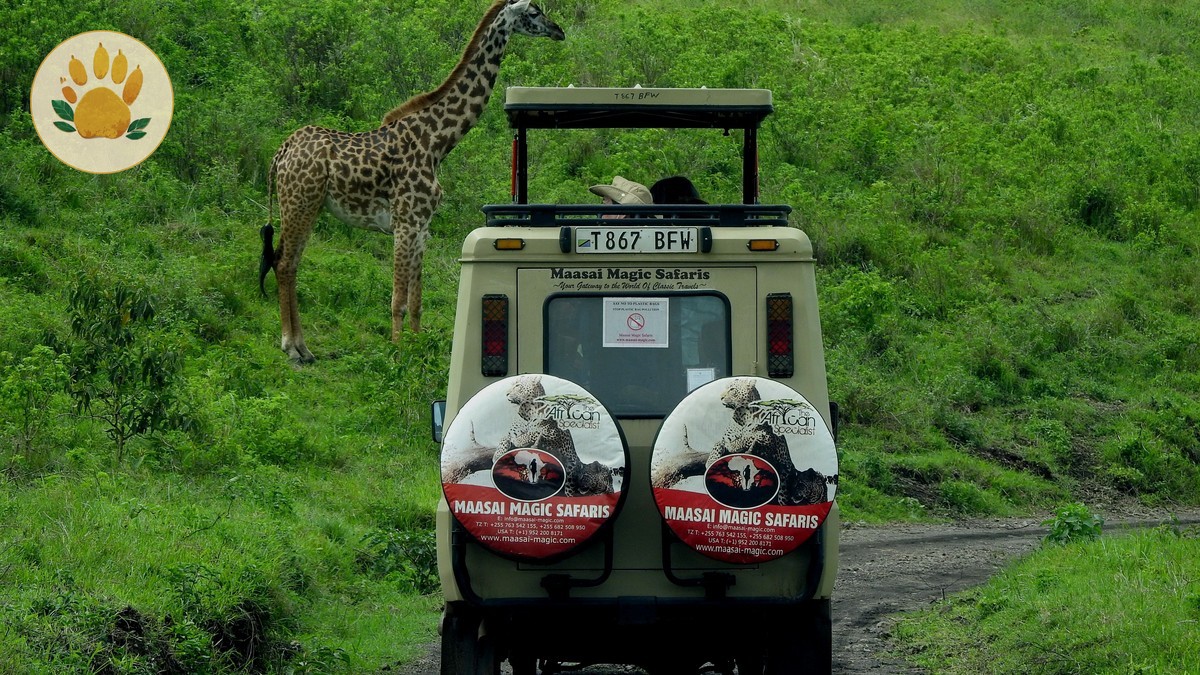
Game drives themselves are low-impact. You sit in a raised vehicle at walking to moderate speed, with stops for viewing. Ask your driver-guide to avoid the roughest tracks, which most will do without being asked once you mention you’re pregnant. Hot air balloon safaris are generally discouraged in pregnancy because of the bumpy landings. Walking safaris and horseback riding should be skipped. Night drives and long, dusty road transfers over 4 to 5 hours are worth avoiding in the third trimester in particular.
Choosing pregnancy-friendly lodges and camps
Look for camps with private bathrooms, reliable hot water, air conditioning or good airflow, and short walks from tent to dining area, since night walks with an armed escort over uneven paths get tiring quickly. Below is a comparison of regions and named camps that work well for pregnant guests, with real distances and indicative pricing.
| Region | Elevation | Malaria risk (indicative) | Drive from Nairobi | Named camp example | Price range/night | Nearest hospital or evacuation note |
|---|---|---|---|---|---|---|
| Ol Pejeta / Laikipia | ~1,800-2,000m | Lower | ~200 km, 3-3.5 hrs (or 45 min flight) | Sweetwaters Serena Camp | USD 400-550 | Nanyuki Cottage Hospital, about 30 min by road |
| Aberdare highlands | ~2,000-2,500m | Lower | ~160 km, ~3 hrs | Solio Lodge | USD 700-900 | Nyeri Referral Hospital, roughly 1 hr |
| Masai Mara (escarpment) | ~2,000-2,100m | Moderate | ~270 km road (5-6 hrs) or 45 min flight | Angama Mara | USD 1,200-1,800 | Airstrip with AMREF Flying Doctors coverage; Narok County Referral Hospital ~1.5-2 hrs by road |
| Masai Mara conservancies | ~1,500-1,800m | Moderate | as above | Kicheche Naboisho (Naboisho Conservancy) | USD 700-950, plus USD 80-150/night conservancy fee (often bundled into the rate) | Same AMREF evacuation coverage as central Mara |
| Amboseli | ~1,150m | Higher | ~240 km, 4-5 hrs (or 30-45 min flight) | Tortilis Camp | USD 500-800 | Nearest major hospital is Nairobi; evacuation flight roughly 30-40 min once dispatched |
| Tsavo East/West | 200-1,000m | Higher | ~330 km, ~4.5-5 hrs | Voi area lodges (indicative) | USD 250-500 | Nairobi is the nearest major hospital; road transfer is long, so air evacuation is preferred |
Figures are indicative where exact operator pricing varies by season. Confirm current rates and room configuration directly with each camp.
For couples who want privacy alongside pregnancy comfort, our guide to adults-only honeymoon safari camps in the Masai Mara is worth a look. It covers camps with the same quiet, low-crowd feel, and several also handle special dietary and rest requests well.
Food, water, and dietary needs
Stick to bottled or filtered water, which every camp on this list provides as standard. Most lodges cook to order and will happily adjust for pregnancy-related restrictions such as avoiding soft cheeses, raw fish, or undercooked meat. Mention this when booking, not on arrival, so the kitchen can plan. Fresh produce is washed in treated water at reputable camps, but if you’re cautious, ask for cooked vegetables over raw salads.
What to pack for a babymoon safari
Pack loose, breathable layers, a wide-brimmed hat, pregnancy-safe sunscreen (SPF 30+), and compression socks for long flights. Bring your maternity medical records and a doctor’s fit-to-fly letter, dated within the last week or two before departure. A basic supply of prenatal vitamins, any prescribed medication, and electrolyte sachets for heat and altitude changes is worth the space. Our safari first aid kit checklist covers what else to carry, and it’s worth adding a pregnancy-specific version with a blood pressure monitor if you or your doctor prefer extra monitoring.
Flight and bush-plane restrictions by week
Most international carriers, including Kenya Airways, allow travel up to around 36 weeks for an uncomplicated single pregnancy, with a doctor’s certificate usually required after 28 weeks. Domestic bush plane operators such as Safarilink and AirKenya generally follow similar rules but can be stricter, sometimes capping travel at 34 weeks, partly because small aircraft have limited space for an in-flight medical event. Confirm the exact cutoff with your specific airline and bush operator before booking, since policies do change.
Third trimester and when not to travel
Travel becomes riskier after 28 weeks and is generally not advised after 34 to 36 weeks. If you have a history of preterm labor, preeclampsia, gestational diabetes, or a multiple pregnancy, talk to your doctor about whether any safari travel is appropriate at all. Long fly-in transfers and remote camps are hardest to justify late in pregnancy, when quick access to a hospital matters most.
Medical support and insurance
Buy travel insurance that explicitly covers pregnancy and medical evacuation, and check the policy’s week-of-pregnancy cutoff before you pay for it. AMREF Flying Doctors provides air evacuation membership covering much of Kenya’s safari circuit, and most upscale camps in the Mara, Amboseli, and Laikipia already carry this coverage for guests. Ask your camp directly whether AMREF membership is included or needs to be purchased separately. If you’re also weighing general safety questions, our page on whether Kenya is safe for American tourists covers broader travel security context alongside the medical picture here.
A sample babymoon safari Kenya pregnancy guide itinerary
A comfortable five-night version starts with two nights at Sweetwaters Serena Camp in Ol Pejeta, for lower malaria risk and easy hospital access. From there, take a short flight, not a long road transfer, to Angama Mara on the Mara’s escarpment for three nights of game drives paced to your comfort. This keeps transfer time under an hour by air, avoids the longest bumpy roads, and still delivers the Big Five experience couples want from a babymoon.
The SafariPure Difference
We plan pregnancy-aware itineraries around medical access first, not as an afterthought. That means choosing camps within a realistic distance of hospital care, confirming AMREF evacuation coverage before you travel, and building in fly-in transfers instead of long road days once you’re past 20 weeks. We also brief every partner camp on dietary restrictions and rest needs ahead of your arrival, so you’re not explaining your pregnancy at check-in.
FAQ
Can you go on safari while pregnant? Yes, generally between 13 and 27 weeks for a low-risk pregnancy, with your doctor’s approval.
Is Kenya a malaria risk area for pregnant travelers? Risk varies by elevation. Highland areas like Laikipia carry lower risk than the Mara, Amboseli, or Tsavo.
Can you fly on a small bush plane while pregnant? Usually yes up to around 34 weeks, but confirm directly with the operator.
Do lodges accommodate pregnant guests? Yes, most upscale camps adjust meals and can flag AMREF evacuation coverage on request.
Plan your babymoon with SafariPure
A pregnancy-aware safari takes a bit more planning, not less adventure. Reach out through our contact page and we’ll build an itinerary around the trimester, camps, and pace that fit your babymoon.