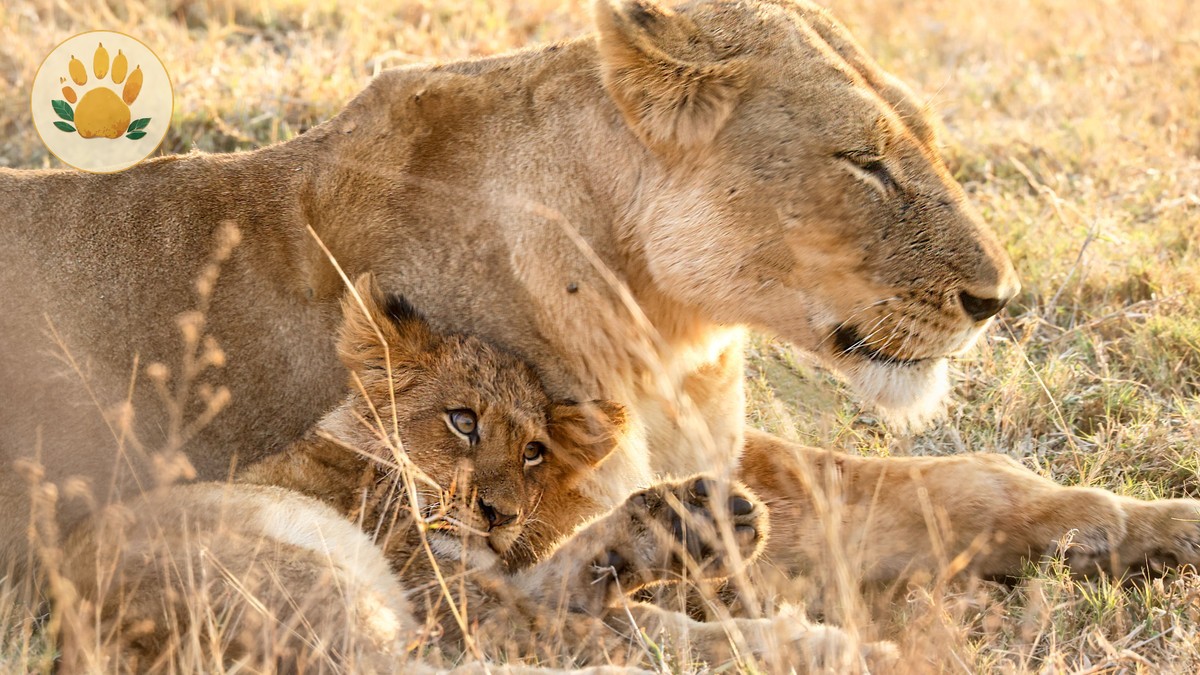
If you have three days in Kenya and want to see the Big Five, picking the fastest park to see the Big Five matters more than the number of days you have. Some parks pack lion, leopard, rhino, elephant and buffalo into a small, dense area. Others spread them across terrain the size of a small country. Speed depends on geography, not luck.
What Counts as the Big Five, and Why the Name Stuck
The Big Five are lion, leopard, rhino, elephant and African buffalo. The name comes from big-game hunters, who ranked these five as the hardest and most dangerous animals to hunt on foot. Today it is a sighting checklist, not a hunting one, but the difficulty ranking still holds. Leopards are still the hardest to find. Rhinos are still rare. That old hunting logic is exactly why a “fast” Big Five trip is genuinely hard to pull off.
Ranked by Speed: The Fastest Park to See the Big Five
Here is how the main contenders compare, using real distances and current entrance fees.
| Park | Distance from Nairobi | Drive time | Non-resident fee | One-day Big Five odds |
|---|---|---|---|---|
| Nairobi National Park | ~10 km | 20-30 min | $80/adult/day | Low to moderate. Lion, rhino and buffalo are realistic. No elephants live in the park. |
| Lake Nakuru National Park | ~160 km | 2.5-3 hrs | $90/adult/day | Moderate. Strong rhino odds, weaker lion odds. |
| Ol Pejeta Conservancy | ~200 km | 3.5-4 hrs | roughly $85-100/adult/day (indicative, confirm at booking) | Highest realistic odds for all five in one day. |
| Masai Mara National Reserve | ~270 km by road, or a 45-min flight | 5-6 hrs by road | $100/adult/day Jan-Jun, $200/adult/day Jul-Dec (peak season) | High over two to three days. Low for a single rushed day, because the reserve is too large to cover fast. |
Nairobi National Park wins on pure logistics. It sits against the edge of the capital, so you can be inside the gate before breakfast is over anywhere else. But it has no elephants, and leopards there are shy and rarely seen. Ol Pejeta usually gives the best combined odds, because it holds all five species in a fenced, well-managed area with a high density of rangers and vehicles reporting sightings by radio. You can read more about the drive time from Nairobi to Ol Pejeta before you plan the route.
Why Seeing All Five Fast Is Genuinely Hard
Two animals break most one-day attempts: leopard and rhino.
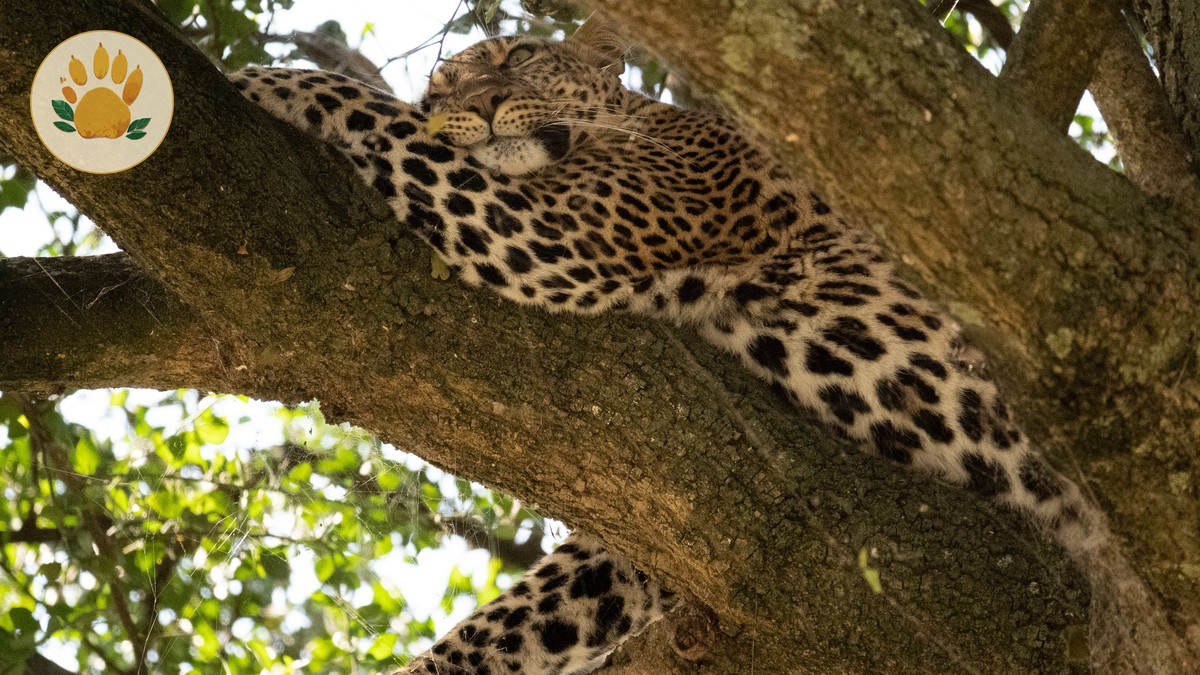
Leopards are solitary, nocturnal by habit, and spend daylight hours resting in trees or thick brush. Even in leopard-dense areas, sightings depend on a guide spotting a tail or an ear at the right moment. A single day gives you one or two game drives, and that may not be enough. If leopards are your priority, it helps to read about where leopards are easiest to spot in Kenya before choosing a park.
Rhinos are rarer still, simply because there are fewer of them. Poaching reduced black rhino numbers across East Africa for decades, and recovery has been slow. Ol Pejeta holds one of the largest black rhino populations in Kenya, plus the last two northern white rhinos on earth, which is part of why it ranks so high for speed. Lake Nakuru also holds a strong rhino population inside its fenced boundary, though its lion numbers have dropped in recent years. Lake Nakuru’s honest lion sighting odds are worth checking if lions matter more to you than rhinos.
Drive Time and Distance from Nairobi
Distance shapes your whole day. Nairobi National Park needs no real travel time, since the gate is inside city limits. Lake Nakuru is a straightforward 2.5 to 3-hour drive on the Nairobi-Nakuru highway. Ol Pejeta takes 3.5 to 4 hours by road through Nyeri, or you can fly to Nanyuki in under an hour. The Masai Mara takes 5 to 6 hours by road, or roughly 45 minutes by scheduled flight from Wilson Airport to airstrips like Keekorok or Ol Kiombo. If your trip is genuinely one day, the Mara’s distance alone usually rules it out.
Tips to Raise Your Odds
A few habits make a real difference, regardless of park:
- Start at first light. Predators hunt at dawn and dusk, then rest through the heat of the day.
- Book a guide who knows the current territory of resident prides and rhino, not just the map.
- Ask your camp or lodge about the radio network. Guides who share sightings by radio find animals faster than those working alone.
- Give the drive room to breathe. Rushing between sighting reports burns time and stresses the animals.
- Choose a smaller, fenced area like Ol Pejeta over an open, unfenced reserve if speed is the priority.
What a Fast Attempt Actually Looks Like
A realistic one-day Big Five attempt at Ol Pejeta starts before 6:30 a.m. Morning drives usually find lion, buffalo and elephant within the first two hours, since all three move in visible groups or herds. Rhino sightings often come next, guided by ranger radio updates, since rhino locations are tracked closely for security. Leopard is the animal left for last, and the one most likely to be missing by lunch. Many visitors see four of the five by midday and spend the afternoon specifically leopard-hunting along riverine brush.
If You Do Not See All Five
Plan for this outcome instead of treating it as failure. Most first-time visitors who try for a one-day sweep see four of the five, most often missing leopard. If that happens, ask your guide about an extra afternoon or a next-morning drive before you leave the area. A second day raises your odds sharply, since leopards are more about patience than luck. Missing one animal is not a wasted trip. It is a reason to come back.
Best Park by Species
- Lion: Masai Mara, for sheer pride density, though Ol Pejeta is close behind.
- Leopard: Samburu National Reserve and the Mara’s riverine forests, both known for regular daytime sightings.
- Rhino: Ol Pejeta for black and the world’s last two northern white rhinos, Lake Nakuru for black and southern white rhino in a compact, fenced park.
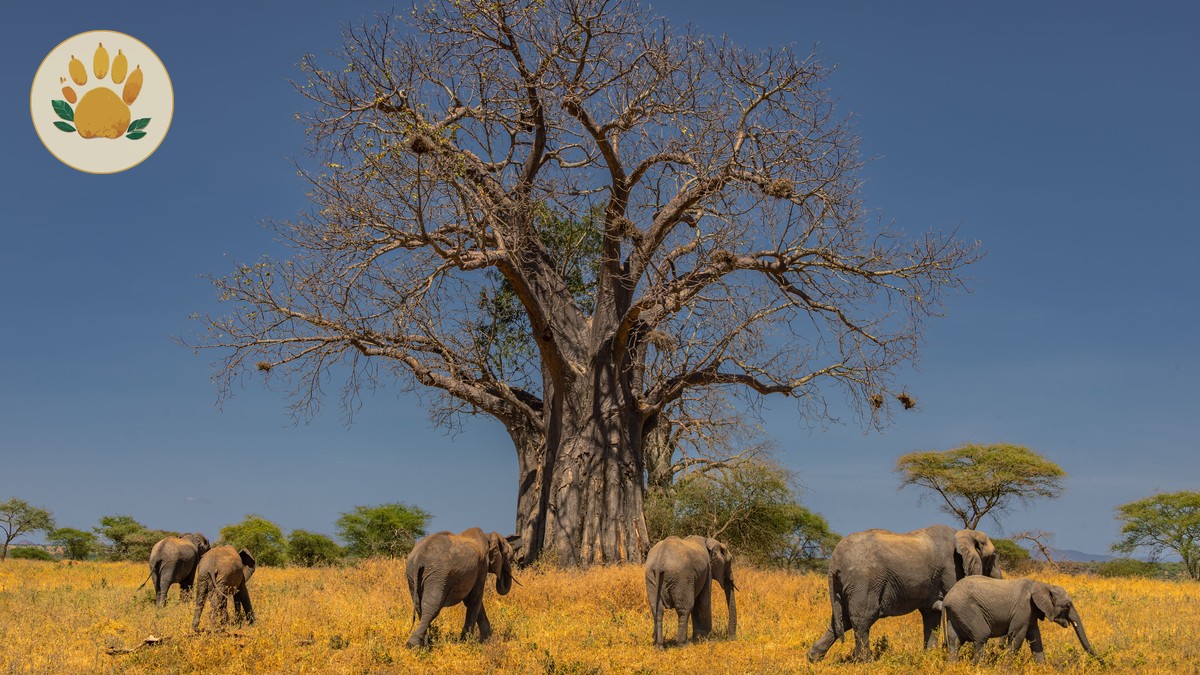
- Elephant: Amboseli National Park, famous for large herds against a Mount Kilimanjaro backdrop, though Ol Pejeta and the Mara both hold healthy numbers too.
- Buffalo: Nearly every major park, since buffalo herds are common and easy to find across Kenya.
Pricing and Tour Packages
A one-day Big Five safari from Nairobi to Ol Pejeta, including a private vehicle, guide and park fees, typically runs from $250 to $400 per person, depending on group size and vehicle type. A day trip to Nairobi National Park costs far less, often $100 to $180 per person, but comes with lower odds of seeing all five. A two to three-day Masai Mara package, including flights, accommodation and game drives, generally starts around $600 to $900 per person and gives the best overall odds, just not the fastest ones.
Private Conservancy vs National Park
Private conservancies like Ol Pejeta operate with lower vehicle limits per sighting, off-road driving allowances, and closer coordination between guides. That combination often means faster, calmer sightings than in a crowded national park. National parks like Nairobi and Lake Nakuru cost less and require no conservancy fees, but you may find more vehicles at a single sighting during busy months. Neither is wrong. It depends on whether speed and quality matter more to you than cost.
The SafariPure Difference
We plan trips around what a park can realistically deliver in the time you have, not around a marketing checklist. That means telling you honestly when Nairobi National Park will not give you elephants, when the Mara needs three days instead of one, and when Ol Pejeta is worth the extra hour of driving. We build the route, book the right guide, and confirm current park fees before you travel, so there are no surprises at the gate.
Plan Your Trip
If you want to see the Big Five without wasting a day guessing which park to choose, we can help you build a route around real distances and honest odds. Visit our Big Five safari tours page or get in touch through our contact page to start planning.